Knee Osteoarthritis – Genicular Artery Embolization (GAE)

Genicular Artery Embolization (GAE) reduces knee pain and disability caused by osteoarthritis by reducing blood flow to the knee and minimizing inflammation. Midatlantic Vascular uses FDA-approved breakthrough technology for its Embosphere Microspheres for use in GAE procedures. Book an appointment today to finally get relief for your knee pain!


Mediports

Patients needing chemotherapy can have a permanent port placed in their chest. The port is entirely under the skin and can be used
multiple times for chemotherapy.

Prostate Artery Embolization

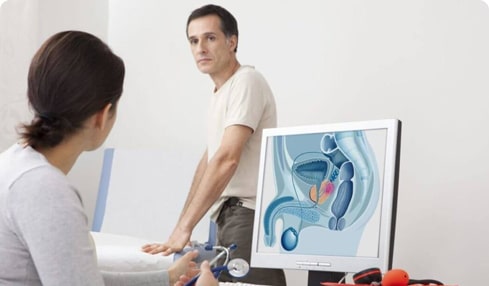
We provide non surgical treatment for male patients with Benign Prostate Enlargement through Prostate Artery Embolization. Fill out the form below to get a free consultation for treatment as early as today.


Enlarged prostates can be incredibly disruptive to our everyday lives. Getting an early diagnosis is critical to preventing prostate gland growth and ongoing pain. At Midatlantic, we can help you identify Benign prostatic hyperplasia and direct you to the proper treatment. Our team will talk to you about your options and help you identify the best path forward for you.


Enlarged prostates can be incredibly disruptive to our everyday lives. Getting an early diagnosis is critical to preventing prostate gland growth and ongoing pain. At Midatlantic, we can help you identify Benign prostatic hyperplasia and direct you to the proper treatment. Our team will talk to you about your options and help you identify the best path forward for you.

Varicose Veins

Painful and discolored bulging veins in the legs can be treated using small catheters. In this procedure, your physician will use an ultrasound and then glue shut varicose veins. Patients can walk immediately after the procedure and there is no need for multiple needle sticks as well.

Peripheral Artery Disease

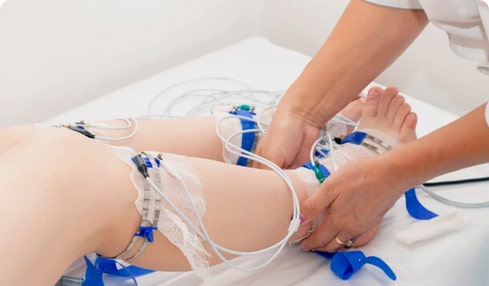
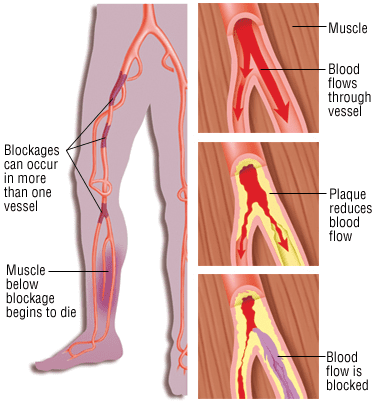
Peripheral Artery Disease (PAD) is a common yet dangerous illness that affects almost one out of every five Americans aged 65 and up. PAD is a cardiovascular illness in which blood flow to the extremities is reduced by blocked or stenotic (narrowed) arteries, most commonly the legs and feet.

The arteries that feed blood to the legs might narrow over time as a result of fatty plaque formation, which stops or restricts blood flow and makes walking unpleasant.

PAD symptoms include:

  • After walking or ascending steps, you have a painful cramp in your buttocks, thighs, or legs that goes away when you relax (also called
    intermittent claudication)
  • Ulcers or sores on your feet or legs that don’t heal
  • Numbness or weakness in the legs
  • Lower legs or feet that are cold

PAD is a serious condition, but medication and lifestyle adjustments can help to delay or stop the disease’s course and prevent subsequent problems. Exercising and quitting smoking are two examples of lifestyle improvements that are recommended in the early stages of PAD treatment.

If you’re having PAD symptoms, such as chronic ulcers or sores on your feet, see your doctor right once. The sooner you are diagnosed with PAD and begin treatment, the lesser your chances of the illness worsening, leaving amputation as the sole alternative if left untreated.


Uterine Fibroid Embolization

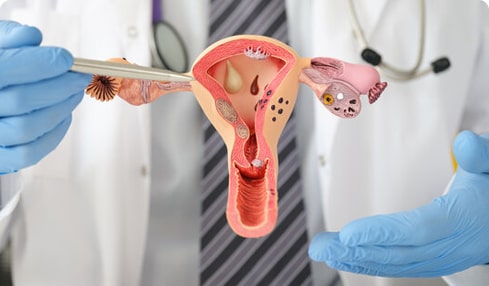
Uterine fibroids or fibroids are noncancerous growths that originate from the muscle of the womb and can occur anywhere in the uterus. Approximately 80% of women are affected by fibroids, often experiencing symptoms like heavy bleeding, pain, and infertility.

If left untreated, fibroids can grow and increase in severity of symptoms and have other side effects. At Midatlantic, we can help you identify fibroids fast and direct you to the proper treatment. Our team will talk to you about your options and help you identify the best path forward for you.