Categories
Knee Osteoarthritis

The Wear and Tear of Aging

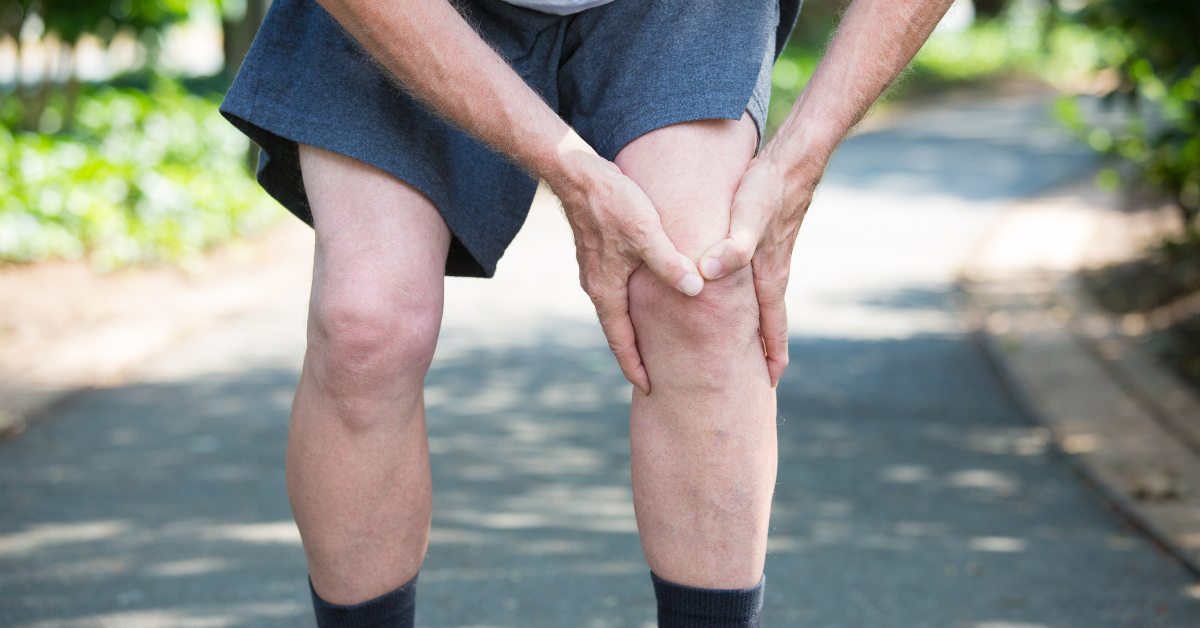
Ah yes, the wear and tear of aging. It’s happening to all of us, and it’s happening, to our knees.

Did you know that with every step, your knees typically absorb one and a half times your body weight?

You read that right.

That pressure, plus the wear and tear of time, weakens the muscles and ligaments. And, on top of that, the pads of cartilage called the menisci, which serve as the knee’s two shock absorbers begin to deteriorate. As well as the articular cartilage, which is the cartilage that protects the ends of the leg bones where they meet at the knee.

It is estimated that 27 million Americans are affected by osteoarthritis.

According to the Center of Disease Control and Prevention, the biggest factors contributing to OA are:

  • Biomechanics – A previous injury or instability can affect the progression of osteoarthritis.
  • Weight- Being overweight puts added stress on the knee joints, causing pain and worsening OA damage.
  • Genetics – Osteoarthritis tends to run in families, although we don’t yet fully understand why.
  • Smoking – Research shows that smoking tobacco is linked to decreased joint health and slows down the healing process.
  • Other conditions – People who suffer from rheumatoid arthritis are more likely to develop osteoarthritis.

Though we can not stop the aging process, there are plenty of things we can do to help to slow down and minimize the symptoms and severity of osteoarthritis.

Osteoarthritis has been shown to respond well to exercises that help to maintain motion and improve strength.

OA can also respond well to:

  • Anti-inflammatory medications, such as aspirin or ibuprofen.
  • RICE therapy, which is Rest, Ice, Compression, and Elevation, can help reduce swelling and pain.
  • Physical therapy. Practicing strengthening exercises that can relieve the pressure on your knees.
  • Knee braces can take pressure off the arthritic area.
  • Cortisone injections. An occasional injection of this steroid may lessen the swelling and achy pain.
  • Lubricant injections. Can help the knee move more smoothly if the arthritis isn’t too severe.
  • Genicular artery embolization. This minimally invasive procedure alleviates knee pain by targeting inflammation.

The impact of time on the wear and tear of the knees may be to some degree inevitable, but that’s not to say it isn’t treatable.

To learn more about decreasing pain and increasing mobility with treatment options such as GAE, check out this previous article or please call our office to set up a consultation today.
Categories
Knee Osteoarthritis

Yoga for Your Knees

Studies have found that yoga reduces knee pain.

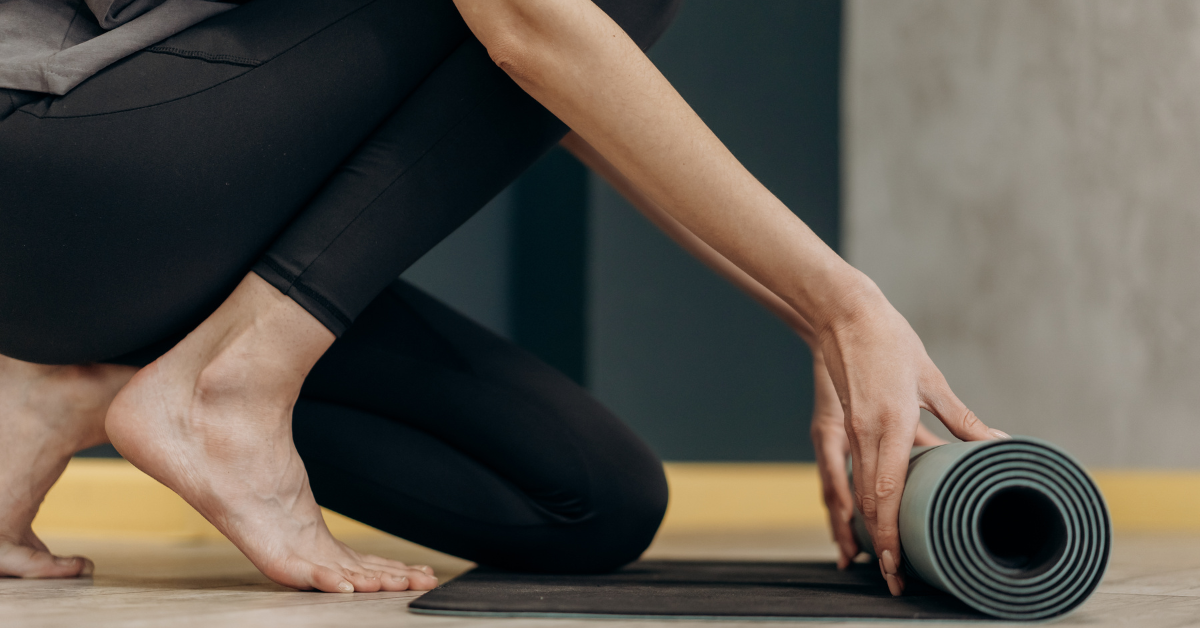
Though many might assume that a posture-based physical fitness practice such as yoga, isn’t a good fit. However, research has found quite the opposite to be true.

In a 2013 study published in the U.S. National Institutes of Health’s National Library of Medicine, researchers worked with 30 women who had knee osteoarthritis. Half were assigned to an 8-week yoga program, while the other half were instructed to just carry on with their regular daily activities. For eight weeks, the yoga group participated in 60-minute yoga sessions three times a week.

And the results?

There was a significant difference between pre-and post-yoga practice scores of pain, and symptoms were significantly decreased. While daily activities, sports, spare-time activities, and quality of life were significantly increased.

Another study looked at the effects of yoga exercises on pain, morning stiffness, and anxiety. The researchers closely followed 250 patients with knee osteoarthritis and divided them into a control group that only received physical therapy and an experimental group that received both physical therapy and yoga.

After analyzing the data, the researchers were able to conclude that participating in a yoga practice and physical therapy, resulted in more positive effects than just physical therapy alone. The results also showed a greater decrease in pain, morning stiffness, and anxiety.

As if this isn’t enough data to prove the benefits of yoga on knee pain, a 2016 review looked at six studies on the effects of yoga on osteoarthritis and found that people experienced pain relief and functional improvements as early as 2 weeks after regularly getting on the mat. After seeing consistent data, researchers concluded that yoga could be a medication-free form of treatment that can help relieve pain and improve mobility.

While this is exciting news, it is important to note that research has also found that certain yoga poses (especially single-leg balances) can be stressful on the knees. So it’s important to let your yoga instructor know about your knee issues so that they can help augment your practice.

Though yoga is proven to be beneficial for the knees, sometimes additional treatment is needed as well. Fortunately, there are options beyond just surgery, such as non-invasive procedures like Genicular Artery Embolization (GAE), which we offer here at MidAtlantic Vascular and Interventional.

So talk to your doctor and find out if adding a yoga practice to your treatment plan is right for you. Not only can it improve mobility, walking speed, flexibility, and posture, but you may even get a little more serenity in the process.

Categories
Knee Osteoarthritis

Reducing Pain with Exercise

It may sound counterintuitive, but exercise can reduce knee pain.

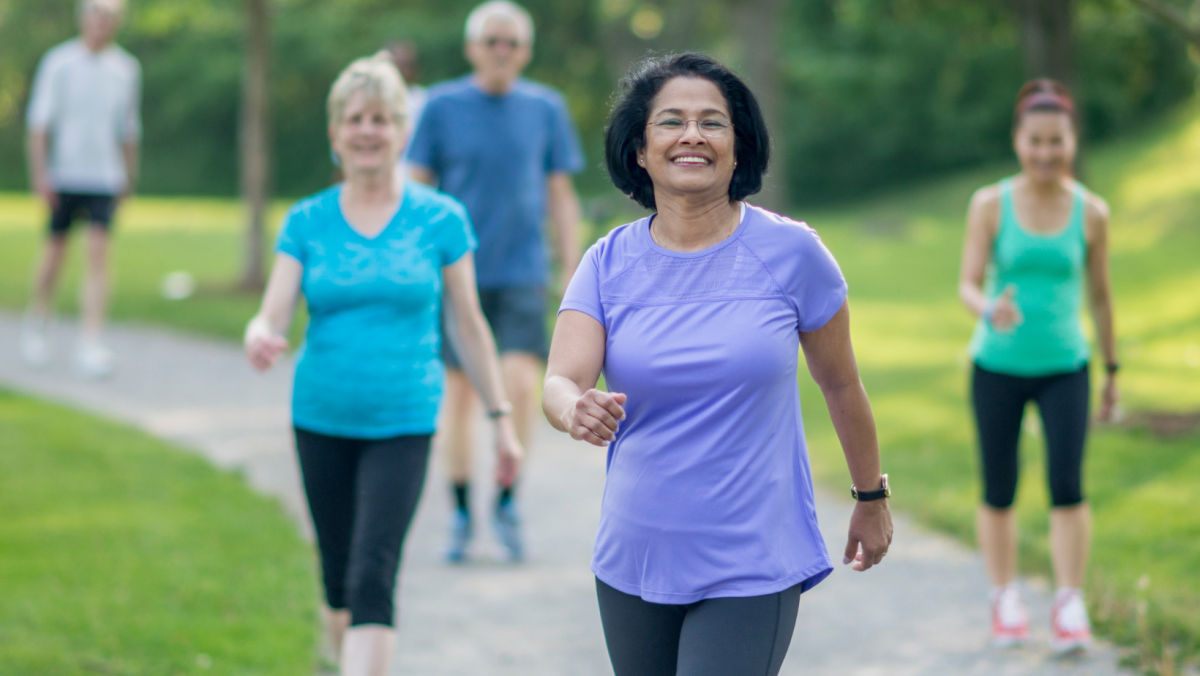
Now that doesn’t mean that those of us with osteoarthritis should get out and sprint around the track, or start doing vigorous cross-fit workouts. However, it does mean that it’s important to make safe forms of exercise a part of your daily life, such as walking, swimming, water aerobics, yoga, pilates, moderate cycling, and strength training.

Studies like this one have shown that people who regularly participate in land-based exercises such as walking and strength training routines, rate their knee pain to be 10 to 15% less than people who do not exercise. Even more, those that exercised needed less pain medication, and in many cases, none at all.

Regular exercise strengthens the muscles, and in doing so, leads to better support of the joints. By strengthening the quads, hamstrings, and other muscles that surround the knee- the knee becomes more stable. It will also experience less impact, which as a result, reduces pain.

Even better, exercise triggers the release of feel-good- natural painkillers in our bodies, called endorphins. These neurotransmitters, which are also sometimes referred to as hormones, can decrease pain and trigger a positive feeling in the body.

If knee pain discourages a person from being active, it just leads to joint stiffness and muscle weakness, which in turn, creates even more pain. Therefore, by regularly moving the knee through exercise, the knee joint and surrounding muscles remain limber, with an increased range of motion and functionality.

When it comes to exercising with knee issues, it’s always best to consult with your doctor first. Different issues may have certain limitations when it comes to exercise. For example, cycling could be ok for some, but not for others. As well as certain types of weight lifting. By checking with your doctor or physical therapist, you can make sure that you aren’t doing anything to make your knee issues worse and exacerbate pain.

Lastly, knee pain isn’t something you just have to learn how to live with. There are solutions. Exercise can help, and in some cases surgery is necessary. However, in recent years knee pain is successfully being resolved using a minimally invasive procedure such as Genicular Artery Embolization.

So take action, and you’ll be walking comfortably in no time.

For more information on GAE or to schedule an appointment, call us at 301-622-5360 and check out our website today.

Categories
Knee Osteoarthritis

Wearing the Right Shoes

The hips and knees are our largest joints and they are responsible for supporting our entire body. Because of this fact- wearing the right kind of shoes is critical, and can help you to avoid all sorts of issues with your hips, back, ankles, feet- and most of all, knees.

In order for your knees to function properly, they need to be in alignment with your hips and feet. Sometimes wearing the wrong shoes can change that alignment, which in turn forces the knees to work harder. For example, a shoe with a high heel that changes the angle of the foot forces your weight forward. This forward push on the knees keeps them tense and puts continuous pressure on the kneecap.

In fact, researchers at Iowa State University conducted a study where they measured and compared the forces on the knee of women wearing flat shoes, women wearing 2-inch heels, and women wearing 3.5-inch heels.

The results of the study found that the women who regularly wore high heels had an increased risk of knee osteoarthritis, and knee joint degeneration. Furthermore, they found that the higher the heel, the greater the frequency of lower back pain.

Other culprits when it comes to knee pain, are clogs and the wrong type of athletic shoes.

The problem with clogs is that the way they are designed causes them to reduce the natural movement of the feet. This change causes excessive stress on the inside of the knee joints.

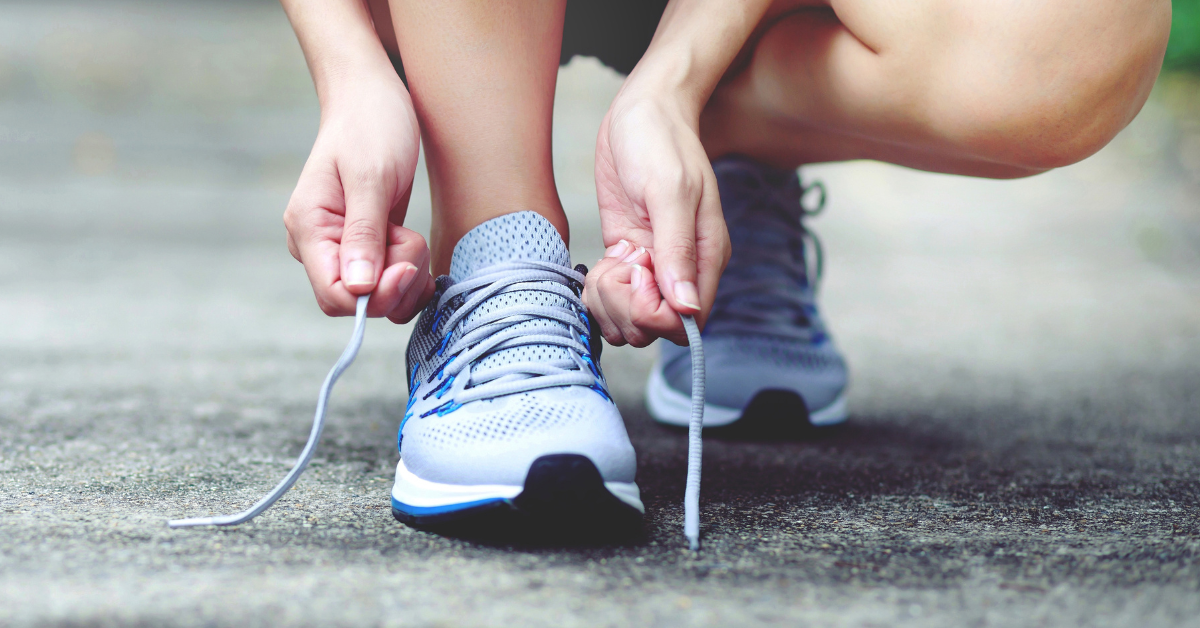
As for athletic shoes, it’s important to look for shoes that are well-cushioned with firm soles, and that are designed for the type of activity you are doing. It’s also important that the shoes fit properly.

Walking around in a shoe that is too tight or too loose can cause impair your gait, and thus contribute to knee pain. Shoes that are too tight, can cause you to limp because of foot pain, while shoes that are too loose can change or impair your gate over longer periods of time.

The bottom line, take notice of the shoes you are wearing, and how they make you feel. If you notice your knees feel better or worse in certain footwear, make note of that. It can also be helpful to visit an orthopedic specialist that can help fit you in the proper shoe. Many runners’ stores also have someone on staff that can help you find a shoe that works best for you.

You can also check out this article published by Harvard Medical School to find out more tips on how to find the right shoes.

With a little extra time and effort, getting the right shoes can make a big difference.