
Categories
Knee Osteoarthritis

Losing Weight For Knee Health

If you are overweight, your chances of getting osteoarthritis in your knee are four to five times higher than someone who’s not.

In fact, overweight and obese people are not only more likely to get knee osteoarthritis, but their symptoms are reported to be significantly higher, with knee pain topping the list.

Fortunately, losing weight can help ease osteoarthritis pains. And there’s evidence to back this.

One important study, which was published in the Arthritis Care & Research, found that when overweight adults with knee osteoarthritis lose weight, they experience less pain, less inflammation, and better knee function.

The study also found that when an overweight person loses as little as 10 pounds, it can decrease the progression of knee osteoarthritis by 50 percent.

Of course, we all know that the best way to lose weight is through diet and exercise. However, for those of us that are overweight and experiencing painful knee osteoarthritis exercise may not be too appealing.

Depending on the severity of the knee pain and excess weight, it may be wise to work with your doctor to help create a customized exercise plan. Your doctor may refer you to see a specialist such as a physical therapist that can help you find the right physical activity while keeping your age, health history, and knee issues into account

If seeing a physical therapist or personal trainer isn’t in the budget, there are a few things you may wish to try on your own, that can help you lose weight while keeping your knee pain at a minimum.

Water Exercise:
Swimming, water aerobics, and walking laps in a pool are all excellent low-impact exercises for weight loss. Moving in water allows the knees and joints to flex without any gravity or weight against it, thus making it much less painful to move them.

Gentle Stretching:
Yoga and Tai chi are excellent practices that can teach you different stretches. Be sure to let your instructor know about your knee issues, so as to make the appropriate adjustments to the stretches if need be.

Walking:
If you are able to, walking is an excellent weight loss exercise and can be a very enjoyable one as well. You can walk while listening to a podcast, calling a friend, or just put on your favorite tunes. Rainy day? No problem, you can get the same benefits from walking on the treadmill at the local gym.

Cycling:
Depending on your level of knee pain and the severity of the osteoarthritis, cycling can be a great exercise. The movement during pedaling bends the knee but doesn’t put a lot of stress on the joints.

So give it a shot. Just thirty minutes of exercise a day can make a huge difference. Or you can even start smaller. Try 10 minutes, then 15, then 20…until you are able to reach that 30-minute mark.

Exercise will help you lose weight, and decrease osteoarthritis knee pain- but that is not the only way to lose weight. In our next article, we will look at some simple dietary changes that, when combined with exercise will help you feel better, lose weight and look great.
Categories
Enlarged Prostate

Avoiding Prostatitis: Helpful Tips

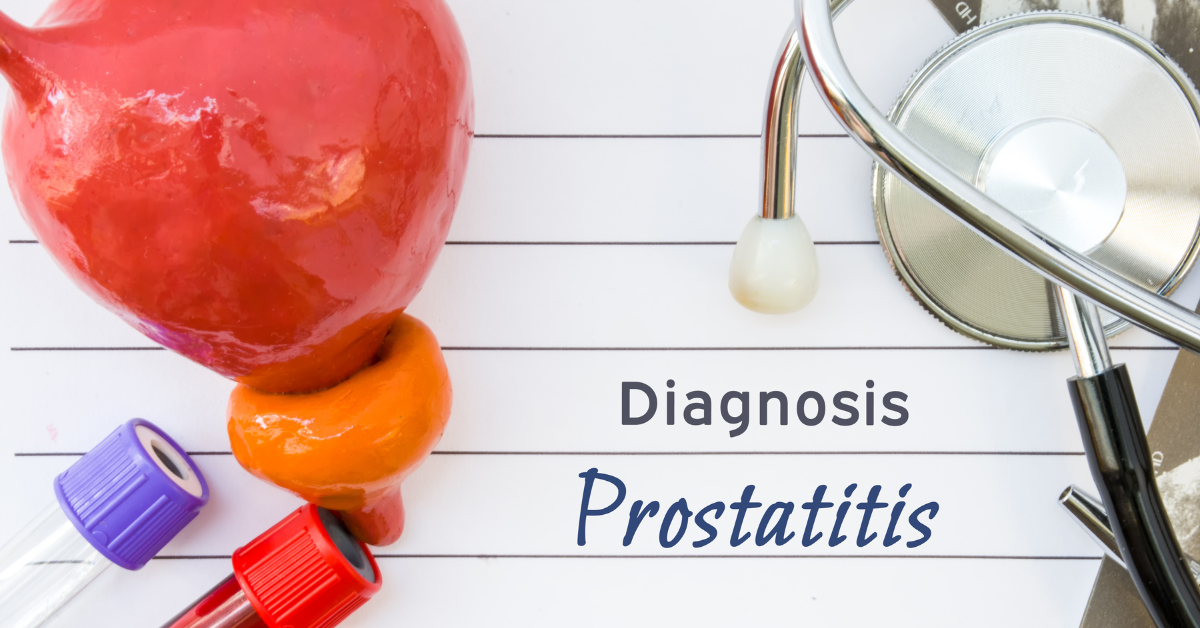
Prostatitis is the most common prostate condition, especially in men under 50. It is a painful condition that involves inflammation of the prostate gland and is usually caused by a bacterial infection and treated with antibiotics.

Though sometimes prostatitis can result from bacteria entering the prostate during a medical procedure or from another prostate condition such an as enlarged prostate-  The majority of cases are linked to poor hygiene, a sedentary lifestyle, unprotected sex, and a diet that is deficient in vital nutrients.

The good news is, that there are plenty of things that can be done to reduce the chance of getting this type of infection. Here’s a look at a few tips on how to prevent prostatitis, or at least decrease its symptoms and duration.

Practice good hygiene:
One of the best ways to ensure your penis and the area around it are healthy and infection-free is to keep them clean. Adopting proper hygiene habits, and making sure to wash your genital area regularly, can greatly reduce the risk of prostatitis.

Drink more water:
Making sure to keep your body hydrated is essential for maintaining good prostate health. Drinking plenty of fluids will help to flush bacteria from the bladder. It can also help prevent constipation.

Reduce caffeine and alcohol intake:
Though it is important to increase your fluid intake- not all beverages are created equal. Caffeinated beverages and alcoholic beverages can irritate and inflame the urinary tract, bladder, and prostate.

Practice safe sex:
When it comes to avoiding bacterial prostatitis, using a condom can greatly reduce your risk. Sexually transmitted diseases such as chlamydia and gonorrhea can cause bacterial prostatitis as well as other health complications.

Exercise:
Regular physical activity can help prevent prostatitis and inflammation. In fact, according to an Italian study, by exercising three times a week for 18 weeks through either brisk walking or leg lifts, sit-ups, and stretching- previously sedentary men with chronic prostatitis not only felt better, but they had less discomfort, anxiety, and improved quality of life. Exercising improves circulation, and combined with proper hydration can help keep the body clean.

Add more fruits and vegetables to your diet:
With their high levels of antioxidants, vitamins, and other powerful nutrients, fruits and vegetables can help fight infections and reduce inflammation.

Maintain a healthy weight:
Studies have shown that by being overweight, the body is at a much higher risk for a slew of health problems- including an increased risk of prostatitis.

Manage your stress levels:
Studies have found that men who deal with high levels of stress are more likely to experience prostatitis. Not only can stress deplete energy levels, but it also contributes to weight gain, mental health issues, heart problems, and prostate issues. Stress can also exacerbate and increase prostatitis-related pain.

By making the effort to follow these suggestions, you can not only improve your prostate health and reduce the risk of prostatitis- but you can also feel better, look better, and have a much better quality of life.

Categories
Fibroids

Fibroid Medications: GnRH Agonists

When it comes to treating uterine fibroids, informed decisions are the best decisions. Therefore it is important to take a look at all of the fibroid treatments that are available. Whether it’s surgery, UFE, or medication, you and your doctor can find the one that’s best for you.

The first mode of treatment we are going to look at is a type of medication called Gonadotropin-releasing hormone (GnRH) agonists.

Gonadotropin-releasing hormone (GnRH) agonists are one of the most common medications that are used to treat uterine fibroids. These medications can be taken via a nasal spray or an injection.

GnRH agonists work by decreasing estrogen and progesterone levels in the body. The decrease in these hormones causes a temporary menopause-like state which reduces the size of the fibroids and the size of the uterus. It also inhibits menstruation,
thus enabling women with bleeding-induced anemia, to increase their stores of iron. These medications can also improve fibroid-related symptoms such as frequent urination and constipation.

GnRH agonists are sometimes prescribed in order to help shrink fibroids prior to surgery.

The most commonly prescribed Gonadotropin-releasing hormone (GnRH) agonists are Lupron, Synarel, and Zoladex. Though these medications improve symptoms and shrink fibroids, they do not eliminate them completely. Furthermore, it is estimated that 40% of women taking these medications experience the side effects of hot flashes and other symptoms of menopause, which can be problematic. Other common side effects are:

– mood changes
– increased sweating
– muscle stiffness
– vaginal dryness

The most concerning side effect of GnRH therapy is osteoporosis.

Osteoporosis is a disease that weakens the bones, thus putting them at a greater risk for sudden and unexpected bone fractures. Since estrogens play a central role in the homeostasis of the skeleton, estrogen deficiency seems to be primarily responsible for the adverse skeletal effects of GnRH agonists. As a result of the estrogen decrease caused by GnRH therapy, bone turnover can increase while bone mineral density can decrease, thereby increasing the risk of fractures.

The side effect of osteoporosis is typically associated with the long-term use of GnRH agonists. However, regardless of the amount of time, stopping this form of treatment can lead to rapid regrowth of the fibroids and the uterine size. Therefore, typically the best use of these medications is usually a short-term administration of them, as a preoperative course in order to shrink the uterus and fibroids in preparation for surgery.

GnRH agonists are not the only medication that is used in the treatment of uterine fibroids. Depending on the severity of the fibroid symptoms, sometimes progesterone-containing birth control can be effective. Next week, we will take a look at this form of treatment.

Categories
Enlarged Prostate

Prostatitis and BPH

When it comes to experiencing prostate symptoms sometimes it’s hard to tell if the symptoms point to prostatitis or an enlarged prostate, also known as benign prostatic hyperplasia. Though both conditions can share similar symptoms, there are certain differentiating factors including the cause and the treatment.

First of all, BPH is a normal part of aging for men. In fact, between the ages of 20 and 50 years old, it is estimated that the prostate nearly doubles in size. And by age 80, it is not uncommon for the prostate to double in size again.

Sometimes men with an enlarged prostate have very few symptoms and do not require treatment. While others with an enlarged prostate will experience pressure on the urethra causing a slew of urinary issues.

If the enlarged prostate is particularly troublesome, an excellent treatment option is Prostate Artery Embolization, which we perform regularly here at MidAtlantic Vascular and Interventional.

However, if you are experiencing an enlarged prostate under the age of 50, chances are this is actually inflammation caused by prostatitis.

Prostatitis, which we covered more in-depth in a previous article, is usually caused by a bacterial infection. This infection causes the prostate to become tender, swollen, and enlarged. Unlike benign prostate hyperplasia, prostatitis is usually treated with antibiotics. Sometimes medications to relax the muscle in the upper part of the urethra are also administered to help relieve any pain associated with the infection.

Enlarged prostate and prostatitis are different diagnoses, however, when it comes to chronic bacterial prostatitis, there can be a connection between the two.

Chronic Bacterial Prostatitis is defined as an ongoing or recurring prostate infection, and one common culprit- an enlarged prostate.

Why is this?

The most common reason for this is that having benign prostatic hyperplasia can cause urinary problems which inhibit the ability to completely empty the bladder. As a result, the stagnant urine acts as a growth medium for bacteria.

Though the symptoms of an enlarged prostate and prostatitis can be similar, there are differences. First, let’s take a look at the symptoms of each.

Symptoms of Benign Prostate Hyperplasia:

  • An urgent, at times uncontrollable, need to urinate, which may lead to incontinence if the person can’t make it to the bathroom in time
  • Trouble urinating
  • Frequent urination
  • Urinary hesitancy, i.e. slow start till urine streams out
  • Weak flow of urine
  • Frequent need to urinate at night, known as nocturia
  • Intermittent flow, i.e. stopping and starting
  • Leaking or dribbling urine
  • Urinary retention

Symptoms of Prostatitis

  • Hematuria (blood in the urine) or blood in semen
  • Pain in the penis and testicles
  • Burning or painful sensation during urination
  • Painful or difficult ejaculation
  • Urethral discharge
  • Pain and/or pressure in the rectum
  • Painful defecation (painful bowel movements)
  • Discomfort and/or pain in the genitals, groin, lower back and/or lower abdomen
  • Recurring urinary tract infections (UTIs)
  • Sexual problems and loss of sex drive
  • Postcoital pain (pain after having sex)

As you can see, both an enlarged prostate and prostatitis are associated with similar urinary problems, however, prostatitis may also be associated with pain during ejaculation,  general abdominal pain, and the other symptoms listed above.

Another key difference is that since prostatitis is usually caused by a bacterial infection, it can cause symptoms such as fever, chills, and a pus-like discharge. These symptoms are rarely associated with an enlarged prostate.

If you think you may have a case of prostatitis or an enlarged prostate, it is important that you reach out to your doctor right away, as ignoring the symptoms, will only make it worse. And by getting the proper diagnosis, you and your doctor can develop a treatment plan, and work to reduce your symptoms and potentially resolve the issue.

Categories
Knee Osteoarthritis

The Link Between Obesity and Knee Osteoarthritis

The Center for Disease Control estimates that at least 2 out of 3 Americans are overweight or obese. They define being overweight in most cases based on Body Mass Index or BMI, which is 30 or greater.

The CDC also found that more than 1 out of 3 obese people will get arthritis in their lifetime. In fact, obese men and women are five times more likely to develop arthritis- and are at a much higher risk of osteoarthritis in the knees.

The most logical explanation for an increase in osteoarthritis in obese men and women is the extra force that the weight puts on the joints. This excess weight on the cartilage that cushions and protects the ends of the bones in the joints, wears down over time. That wear and tear, plus the added weight puts more pressure and stress on the joints and often results in osteoarthritis.

According to a study titled “Weight and Osteoarthritis” published by the National Library of Medicine, researchers analyzed data and were able to estimate that a force of nearly three to six times a person’s body weight is exerted across the knee when walking. So it makes sense that an overweight or obese person’s extra weight would put an excessive amount of pressure on the knees, thus increasing the risk for osteoarthritis. However, this harmful pressure load on the knees is not just connected to those that are very overweight. In fact, according to research conducted by the Johns Hopkins Arthritis Center, even just 10 extra pounds of excess weight can increase the force on the knees by 30-60 pounds!

Another factor when it comes to the link between overweight or obese and having knee osteoarthritis is evidence that suggests that the extra body fat leads to more inflammation. Though the research on this is ongoing, early reports indicate the discovery that fat cells create and release chemicals that may cause inflammation in the knees and other joints as well. These chemicals, called cytokines can cause inflammation in and around the joints, which can add to joint damage and pain.

Studies have also found that certain medications used to treat inflammatory arthritis, may not be as effective in people that are overweight or obese.

We all know that one of the best ways to lose weight is through diet and exercise. However, what if your joints hurt too much to exercise? Or what if the medications you are taking for arthritic pain are contributing to your weight gain?

In our next article, we will take a look at some ways to lose weight, that are safe and effective for those that are overweight, and struggling with osteoarthritic knee pain.

By getting your weight under control, the body will work better, heal faster, and be more receptive to the treatment of osteoarthritis itself. Even losing a little weight can have a hugely positive impact on your physical and mental health.

Categories
Fibroids

Treatment Options for Uterine Fibroids

Over the next few weeks, we’re going to take a deeper look at all of the treatment options available for women with uterine fibroids.

We will look at what those options are and how they work. As well as discuss the advantages and disadvantages of each treatment.
Some of the treatment methods we will cover are:

Medications:

  • Gonadotropin-releasing hormone (GnRH) agonists. These medications can be taken via a nasal spray or injection and they work by shrinking your fibroids.
  • Birth control: Birth control can also be used to help with symptoms of fibroids — specifically heavy bleeding during and between periods and menstrual cramps.
  • Progesterone-containing agents — pills, implants, injections, or an intrauterine device (IUD) — may also control bleeding.

Oral therapies:

  • Elagolix is a new oral therapy indicated for the management of heavy uterine bleeding in premenopausal women with symptomatic uterine fibroids.
  • Tranexamic acid is an antifibrinolytic oral drug that’s indicated for the treatment of cyclic heavy menstrual bleeding in women with uterine fibroids.

Non-Uterine Sparing Surgical Treatment:

  • Hysterectomy- During this surgery, your uterus is removed. By removing your uterus completely, the fibroids can’t come back and your symptoms should go away.

Uterine-Sparing Surgery and Non-invasive outpatient procedures:

  • Abdominal Myomectomy: Open abdominal surgery to resect symptomatic uterine fibroids
  • Laparoscopic myomectomy: Laparoscopic removal of uterine fibroids
  • Laparoscopic myolysis: Uses a laser probe to heat coagulate uterine fibroid
  • Uterine Fibroid Embolization: Small particles are injected into the arteries supplying the uterus, cutting off blood flow to fibroids, causing them to shrink and die.

Ultimately your treatment plan will depend on a few factors, including:

  • The number of fibroids you have.
  • The size of your fibroids.
  • Where your fibroids are located.
  • What symptoms you are experiencing related to fibroids.
  • Your desire for pregnancy.
  • Your desire for uterine preservation.

Another deciding factor regarding the best treatment option for you will also depend on your future fertility goals. If you want to have children in the future, some treatment options are better than others. We will cover this in future articles as well.

In the meantime, talk to your healthcare provider about your thoughts, feelings, and concerns when discussing treatment options. And check back next week, as we dive deeper into the first of many treatment options, medication.

Categories
Fibroids

The Four Types of Fibroids

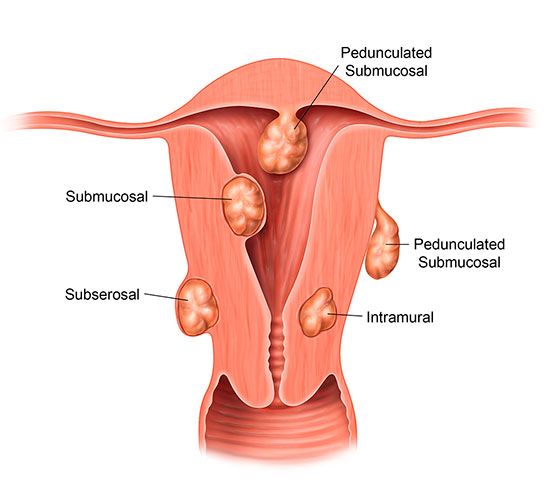
Fibroids are diagnosed by type, based on their position within the uterine wall, and are typically divided into four categories. These categories are:

  • Subserosal fibroids
  • Submucous fibroids
  • Intramural fibroids
  • Pedunculated fibroids

Though these names may be somewhat challenging to pronounce, they are fortunately fairly easy to explain.

Let’s start with Subserosal Fibroids.

  • Subserosal Fibroids are located near the outer layer of the uterus, known as the serosa. This particular type of fibroid grows toward the outside of the uterus. When they are small, they are unlikely to cause symptoms, and usually do not require treatment. However, they should be monitored in case they become larger and therefore symptomatic.

The next fibroid type is Submucosal Fibroids.

  • Submucosal Fibroids are also located near the outer layer of the uterus, however, they grow toward the internal layer of the uterus, called the mucosa, causing them to protrude into the uterine cavity. These fibroids tend to be symptomatic even at smaller sizes, and can even impact fertility. However, when caught early, these fibroids can be removed, thus preventing fibroid-related issues regarding pregnancy.

Another fibroid type is Intramural Fibroids.

  • Intramural FIbroids are located primarily within the width of the uterus. Because they grow toward the outside of the uterus, these fibroids usually cause symptoms similar to that of subserosal fibroids. And, just like with submucosal fibroids, if they are too large, they can also cause fertility issues and pregnancy complications.

The last type of fibroids is Pedunculated Fibroids.

  • Pedunculated Fibroids are a variation of the aforementioned fibroid types. They grow on a stalk on the outside or inside of the uterus. When small and subserosal ( growing on the outside of the uterine walls ), these fibroids are often asymptomatic. However, pedunculated submucosal fibroids, which grow inside the uterus, can cause various significant symptoms.

The classification of fibroids is somewhat limited, in that most fibroids are big enough or numerable enough to fall into several categories. However, identifying the type of fibroids can help in the diagnosis and treatment of them. If these fibroids are significant, like in the case of a large intramural fibroid with a significant part of it being submucosal, sometimes the solution is a hysterectomy. For women of childbearing age that want to conceive, an option for them is a myomectomy. This surgical operation can remove fibroids while preserving the uterus.

One of the best options out there for fibroid removal is Uterine Fibroid Embolization. Unlike the other treatment options available, UFE targets all of the fibroids in the uterus, making it effective for women with multiple fibroids, regardless of the fibroid’s size.

The bottom line is if you are experiencing symptoms that could be related to having uterine fibroids, help is available.

The first step is to make an appointment with your doctor. Your doctor can then order an ultrasound to find out where the fibroid or fibroids are located, and what type of fibroid it is. 

Categories
Fibroids

Acid Reflux and Fibroids

Americans are gobbling up antiacids at a record pace, and amongst them are many women experiencing acid reflux due, in part, to uterine fibroids.

Whether it’s Tums, Pepcid AC, or powerful acid-reducing drugs such as esomeprazole (Nexium 24HR), lansoprazole (Prevacid 24HR), and omeprazole (Prilosec OTC). 

So what exactly is acid reflux?

Acid reflux, also known as Gastroesophageal reflux disease (GERD), is a digestive disorder that causes uncomfortable symptoms such as:

  • Heartburn – A burning sensation that can run from your throat to the center of your chest.
  • Regurgitation of food or sour liquid.
  • Chronic, dry cough.
  • Difficulty swallowing.
  • A sensation of a lump in your throat.
  • Horse or sore throat.

Acid reflux is caused by gastric acid from the stomach flowing back up into the esophagus. This typically happens when the lower esophageal sphincter, which is a muscle that briefly opens to let food into the stomach and closes to take food inside, relaxes too often or for too long. Not only can this cause the uncomfortable symptoms listed above, but when it occurs frequently and goes untreated, it can lead to serious health issues such as esophagitis, ulcers, strictures, aspiration pneumonia, and more.

Fortunately, acid reflux, when experienced infrequently, is normal. And, when experienced more frequently, is treatable. In fact, some estimates suggest that 95% of acid reflux issues can be resolved by making appropriate dietary changes.

So this is all very informative, but what does this have to do with women with uterine fibroids?

Well, in some cases, quite a lot.

Just like pregnancy can increase the experience of acid reflux due to the uterus becoming significantly enlarged above the belly button, this can also happen due to the same occurrence- but from uterine fibroids. The expanded uterus from the fibroids, especially in the case of large fibroids-  can cause pressure on the upper abdomen which can lead to abdominal pain, pressure, bloating, and yes, acid reflux.

Large fibroids in the uterus exacerbate issues with heartburn and acid reflux by making it more difficult for the lower esophageal sphincter to close properly. And, of course, when the sphincter is unable to work correctly, it leads to acid reflux.

One way to manage these acid reflux symptoms is to avoid alcohol and carbonated beverages. As well as steer clear of acidic foods such as citrus and tomatoes. Furthermore, researchers at the Cleveland Medical Center compiled a gastroenterologist-approved and research-backed list of the best and worst foods for acid reflux.

Best Foods for Acid Reflux

  • Chicken breast – Be sure to remove the fatty skin. Skip fried and instead choose baked, broiled or grilled.
  • Lettuce, celery and sweet peppers – These mild green veggies are easy on the stomach – and won’t cause painful gas.
  • Brown rice – This complex carbohydrate is mild and filling – just don’t serve it fried.
  • Melons – Watermelon, cantaloupe, and honeydew are all low-acid fruits that are among the best foods for acid reflux.
  • Oatmeal – Filling, hearty and healthy, this comforting breakfast standard also works for lunch.
  • Fennel – This low-acid crunchy vegetable has a mild licorice flavor and a natural soothing effect.
  • Ginger – Steep caffeine-free ginger tea or chew on low-sugar dried ginger for a natural tummy tamer.

Worst Foods for Reflux

  • Coffee and tea – Caffeinated beverages aggravate acid reflux. Opt for teas without caffeine.
  • Carbonated beverages – The bubbles expand in your stomach, creating more pressure and pain. Choose plain water or decaf iced tea.
  • Chocolate – This treat has a trifecta of acid reflux problems: caffeine, fat, and cocoa.
  • Peppermint –Don’t be fooled by its reputation for soothing the tummy; peppermint is an acid reflux trigger.
  • Grapefruit and orange – The high acidity of citrus fruits relaxes the esophagus sphincter and worsens symptoms.
  • Tomatoes – Also avoid marinara sauce, ketchup, and tomato soup – they’re all naturally high in acid.
  • Alcohol –This has a double whammy effect. Alcohol relaxes the sphincter valve but it also stimulates acid production in the stomach.
  • Fried foods – These are some of the worst foods for reflux. Skip the french fries, onion rings, and fried chicken — cook on the grill or in the oven at home.
  • Late-night snacks – Avoid eating anything in the two hours before you go to bed. Also, you can try eating four to five smaller meals throughout the day instead of two to three large meals.

Though this list of best and worst foods is a great resource and changing your diet can definitely help- When it comes to acid reflux caused by uterine fibroids, the most effective way to alleviate the symptoms is to treat the fibroids. This can be done by removing them or shrinking them through UFE.

Bottom line, if you are experiencing acid reflux as a result of your fibroids, there are solutions. In the short term, changing your diet can be very helpful. However, for long-term relief, it’s important to speak with your doctor and find the best fibroid treatment for your particular situation.

So call your doctor and set up an appointment today- and in the meantime, maybe pass on the McDonalds, and opt for some good ole’ chicken and rice instead.

Categories
Fibroids

Uterine Fibroid Embolization

Uterine Fibroid Embolization is the only non-surgical procedure to date, that can be done to remove fibroids.

So what exactly is UFE? How does it work? Does it work? And…is it painful?

UFE is an outpatient procedure that begins with the use of conscious sedation ( an IV of a light sedative) to help you to relax and remain pain-free during the UFE procedure.

Once the sedating medicine has been administered, an expert radiologist will make a teeny tiny nick in the skin ( about the size of the tip of a pencil).

They will then thread a tiny 2mm catheter through the groin or wrist. Using moving X-ray technology (fluoroscopy), the interventional radiologist guides the catheter through the artery to the uterus.

Once it reaches the artery that supplies blood to the fibroids, the catheter is used to release tiny gelatin beads into the blood vessels, creating a blockage. This blockage cuts off the blood supply to the fibroids. And, without the fibroids being able to receive vital nutrients through the blood, they can not survive. Therefore, the fibroids shrink until they are altogether eliminated.

You might be thinking, that’s interesting and makes sense, but does it work? And what does it feel like afterward?

Immediately following the procedure, it is normal to experience some pelvic pain and pressure from the procedure. Sometimes this is accompanied by an overall feeling of malaise and decreased energy levels. Basically, you might feel like you have a cold or the flu. Fortunately, these symptoms do not last long and can be easily treated with pain medicine and anti-nausea medication, which the doctor will provide.

Though there are no restrictions after the procedure, most studies have found that it takes on average, between 9 and 12 days to fully recover. Of course, the exact recovery time varies from person to person based on numerous factors such as the size of the fibroids, the number of fibroids, and the severity of pre-UFE symptoms. In general, women who undergo UFE should plan for roughly 1 to 2 weeks of recovery before returning to all of their normal activities.

Post-procedure, the fibroids targeted during UFE commonly continue to shrink for 6-9 months or longer. As the fibroids continue to shrink, it is normal to experience some bleeding in-between cycles for the first few weeks. And, the first period following the procedure is likely to be heavier and more uncomfortable than usual- but this is temporary.

In fact, research has shown that approximately 85-90% of women achieve relief from their symptoms after UFE. In fact, UFE is so effective, that less than 2% of patients will require repeated treatment.

The bottom line, is if you are suffering from the painful and life-interrupting symptoms of fibroids, it’s worthwhile to look into UFE.

UFE is a very effective treatment and is performed by our expert radiologist here at MidAtlantic Fibroid Care.

So call us today and see if UFE is right for you.

Categories
Fibroids

Fibroids and Constipation

Fibroids have many symptoms such as heavy bleeding, bleeding between cycles, pain during intercourse, fatigue from anemia, severe pelvic pain, and abdominal swelling. As if those symptoms aren’t annoying enough, some women with fibroids also experience problems involving their bowels, such as bloating and constipation.

So why is this?

For starters, it has to do with the location of the uterus and the fibroids. The uterus rests directly in front of the colon, which is the part of the bowels that controls bowel movements. When fibroids develop in the back of the uterus, they can press on the colon from the outside, which can lead to significant constipation and bloating.  In order to deal with this, many women will resort to taking laxatives. However, this does not resolve the underlying issue, and when taken too often, it can actually make things worse.

In addition to this, some women with fibroids need to take iron supplements to combat blood loss from heavy periods to help prevent and treat anemia. Unfortunately, iron supplements can also cause constipation.

Another issue that can result from having fibroid-related constipation, is the development of hemorrhoids.  Hemorrhoids are swollen veins in the anus and lower rectum that are caused by straining in order to have a bowel movement. These can be quite uncomfortable, and sometimes painful.

If left untreated, fibroid-related constipation can create additional stress and negatively impact a woman’s quality of life. It can also lead to other significant complications. Some of which are:

anal fissures

rectal bleeding

rectal prolapse

fecal impaction.

These issues, if left untreated, can begin to impact a woman’s social life, career, and relationships, as well as overall health. Therefore, if you or someone you know is experiencing any of these symptoms, it’s important to talk to your doctor about the situation- because fortunately, there are treatment options available.

One of the most successful treatments is Uterine Fibroid Embolization ( UFE), which we offer here at MidAtlantic Fibroid Care. UFE is a minimally invasive, outpatient treatment that can shrink fibroids, alleviate symptoms, and improve the overall quality of life. In fact, most women return to normal daily activities within one to two weeks.

When dealing with fibroid symptoms, it’s important, to be honest, and upfront with your doctor. Oftentimes women will avoid treatment for numerous reasons, one being that they feel embarrassed to discuss symptoms that have to do with going to the bathroom. It is not uncommon for women to be taught from a young age that they shouldn’t talk about bodily functions, which is a lesson that needs to change.

Discussing and sharing any and all information with your doctor regarding fibroid symptoms, big or small, is a necessary form of self-care. And taking that action to speak with your physician is nothing to be ashamed of. In fact, it’s something to be proud of because that action can lead to a happier, healthier, more comfortable life for you, and in turn, for those around you as well.