Categories
Knee Osteoarthritis

The High Cost of Knee Replacement Surgery

Of all of the different types of arthritis, osteoarthritis is the most common, affecting over 30 million adults in the United States alone.

And knee osteoarthritis, which used to be considered just a normal wear and tear associated with aging, affects more than just the elderly.

In fact, according to a study called The Framingham Osteoarthritis Study, published in Arthritis Rheumatology, symptomatic knee osteoarthritis affects at least 4.3% of men and 8.1% of women of all ages.

So it’s not just the wear and tear of age and time.

That being said, symptomatic knee osteoarthritis does predominantly affect individuals over the age of 65, with roughly half of the people experiencing a life-limiting physical disability as a result.

According to estimates from the Framingham Osteoarthritis Study, the number of individuals over the age of 65 is projected to rise to 78 million by 2035 from 49.2 million in 2016. This means the prevalence of knee osteoarthritis will potentially skyrocket as well.

In fact, according to an article published by the United States Bone and Joint Initiative, entitled The Burden of Musculoskeletal Diseases in the United States the number of Americans receiving a total knee arthroplasty (also known as knee replacement surgery) was over 4.7 million individuals in 2010 with the overall trend being of increasing prevalence over time.

The rising number of individuals both young and old suffering from knee osteoarthritis pain is not only a hindrance to the quality of life for millions of people, but it is also expensive.

According to the aforementioned article by the United State Bone and Joint Initiative, the annual total hospitalization charges for knee replacement surgery nearly quadrupled from $8.1 billion in 1998 to $38.5 billion in 2011!

Furthermore, from that, they also estimated that the average lifetime direct medical cost for treatment for individuals diagnosed with knee osteoarthritis is estimated to be $12,400 or 10% of all estimated direct medical expenses for those individuals.

Most of these costs are attributed to knee replacement surgeries which on average cost around $20,293, and for patients that require revision surgery, the additional costs on top of the initial surgery cost, average $29,388.

Fortunately, medical advancements have been made in the treatment of knee osteoarthritis, which can effectively lower these costs. One of the key advancements is a treatment procedure for knee osteoarthritis called Genicular Artery Embolization.

In our next article, we will take a look at this effective and more affordable outpatient procedure.


Categories
Enlarged Prostate

Advances in Prostate Care

In the early 20th century, located right here in our neck of the woods, a young doctor was developing a prostate procedure that would revolutionize the way prostate conditions are treated and open the door to the many other treatments that would follow.

This man was urologist Dr. Hugh Hampton Young, who due to his position as the chief of surgery in the Genitourinary Surgery Division at Johns Hopkins Hospital became known as the “Father of American Urology.”

Among his many contributions to male prostate health, Dr. Young is best known for his development and perfection of radical perineal prostatectomy, while working at The Johns Hopkins Hospital in 1904.

This procedure, which to this day, remains the oldest continuously employed treatment for prostate cancer, was developed at a critical time when previous open prostatectomy surgeries had a 20-percent mortality rate.

Fortunately, by perfecting the perineal approach and developing specialized instruments for the procedure, Dr. Young was able to reduce the mortality rate to 2 percent.

During his many years working at Johns Hopkins, Dr. Hampton Young developed a number of innovative instruments and techniques.

The first known instrument he created was known as the “punch,” which was used for the resection of an obstructing bladder neck, and prostatic tissue.

This then led to the development of numerous other punches, particularly at the Mayo Clinic where several of his students perfected the instrument.

In 1912, Dr. Young, using this instrument, successfully relieved railroad entrepreneur James Buchanan Brady’s prostate condition brought on by an obstructing bladder neck, and prostate tissue.

Upon doing so, Brady went on to fund the construction and creation of the Brady Urological Institute.

While there, Dr. Young went on to do much more, including establishing a new design for a urological operating table and developing a detailed approach to performing radical perineal prostatectomy which became the standard for prostate cancer surgery.

Dr. Young went on to found The Journal of Urology which he edited until his death in 1945. However, one of his biggest contributions was the creation of a detailed plan for the training of young urologists, which went on to become the model for all other training programs in the United States.

In our next article, we will continue our series on the history of treating benign prostate hyperplasia, by looking at some of the early surgeries, some of which are still performed today.

Categories
Fibroids

Menstrual Cramps or Fibroids?

If you are a menstruating female, it is likely that at some point you have experienced the pain and discomfort of menstrual cramps.

These cramps usually range from mild to moderate, and can most often be treated with over-the-counter medications, and soothed with a hot water bottle or heating pad.

However, some women experience excessive cramping both before, during, and after their period.

Having period cramps between periods could be a sign of something more. And that something more, could be uterine fibroids.

So how can you tell if the cramps are from fibroids or just normal menstrual cramps?

Though it can be difficult to distinguish the difference between fibroid pain, and menstrual cramps, there are things you can do to help determine which is the cause of the cramping.

One valuable action is to start keeping track of when you get these cramps, which can help provide valuable information as to what is happening.

Keeping a log of your symptoms, the pain level, and the amount of bleeding experienced during each day of your period can be helpful in finding the solution to your individual situation.

So what exactly are menstrual cramps anyway?

Cramps during a monthly period are caused by the uterus contracting in order to push out the lining of the uterus, also known as the endometrium.

The endometrium builds up every month to prepare to support the fertilized egg and embryo that may attach to it during pregnancy.

No fertilized egg? No problem.

Fueled by hormones, the uterus begins to contract and shed the uterine lining. Then, the next month, if there is no pregnancy, the process will begin again.

Cramping during this time of the month is often a normal part of menstruating, however, when this cramping is excessive and accompanied by other symptoms such as pain in the pelvis, abdomen, back, and legs, this could point to something more.

Potential causes of excessive cramping are:

Endometriosis
Tissue that acts similar to the lining of the uterus grows outside of the uterus, most commonly on fallopian tubes, ovaries, or the tissue lining your pelvis.

Adenomyosis
The tissue that lines your uterus begins to grow into the muscular walls of the uterus.

Pelvic inflammatory disease
This infection of the female reproductive organs is usually caused by sexually transmitted bacteria.

Cervical stenosis
In some women, the opening of the cervix is small enough to impede menstrual flow, causing a painful increase of pressure within the uterus.

Uterine fibroids These noncancerous growths in the wall of the uterus can cause pain.

One of the most common causes of excessive cramping is uterine fibroids

When cramping and pelvic pain is caused by uterine fibroids, these uncomfortable symptoms could also be accompanied by additional symptoms such as heavy bleeding, frequent urination, and more.

If you are experiencing severe menstrual cramps, excessive bleeding, bleeding and cramps between periods, and other uncomfortable symptoms, it’s important to contact your doctor and schedule a visit.

If the cause is uterine fibroids, fortunately, this condition is treatable.

In fact, there are many different treatment options to treat uterine fibroids, ranging from medication to surgery, to a non-invasive procedure called Uterine Fibroid Embolization.

In our next article, we will take a look at how the specific type of fibroid can cause symptoms such as cramping and pelvic pain.

Categories
Enlarged Prostate

Early Treatment Methods

By the late 1800s, physicians had found a link between prostate size and a man’s age, as well as between prostate growth and testosterone.

This discovery set the foundation for developing various treatment methods in order to relieve the uncomfortable symptoms caused by an enlarged prostate.

Though it wasn’t until centuries later that the more effective treatments that we use today, such as transurethral resection of the prostate, medications, and prostate artery embolization, became available- These procedures owe a debt of gratitude to the many physicians that came before, who opened the path to finding the best treatment for what would later be known as benign prostate hyperplasia.

Unfortunately part of this journey involved making mistakes along the way.

One notable example is a procedure performed by some physicians in the 1800s who thought that the condition of an enlarged prostate could be cured by removing the testicles. Yikes.

Fortunately, this method fell out of practice shortly thereafter. And, fortunately, many other physicians did not use this technique, and instead, continued to study the enlarged prostate and the impact that it can have on a man’s health. All in an attempt to find the most effective and efficient way to treat the condition.

One of the turning points in the development of prostate procedures to treat an enlarged prostate, took place in 1891.

A physician in Arizona had found a way to treat the prostate condition by removing prostate tissue through an incision made in the perineum—the area between the scrotum and rectum. This would later be called a perineal prostatectomy.

Following this breakthrough procedure, all sorts of other prostate surgeries began to pop up.

Eugene Fuller, a New York City Physician, developed the  “suprapubic procedure.”

The suprapubic procedure is the surgical removal of the prostate through an incision made in the lower abdomen and bladder.

The suprapubic procedure showed promising results and opened the door for another physician, Hampton Young to get even better results by using the same perineal incision to remove the prostatic mass.

Dr. Young, a urologist at Johns Hopkins Hospital also discovered that if he pushed the gland upward from the rectum, it could ease and complete the excision, making the removal more complete.

Hampton Young went on to become known as the “Father of American Urology,” and continued to refine and perfect his technique for treating an enlarged prostate.

In our next article, we will continue looking at the history of treating benign prostate hyperplasia, by diving deeper into the impact that Dr. Hampton Young had on the treatment of it, as well as take a look at the advancements made by the many physicians that followed.

Categories
Knee Osteoarthritis

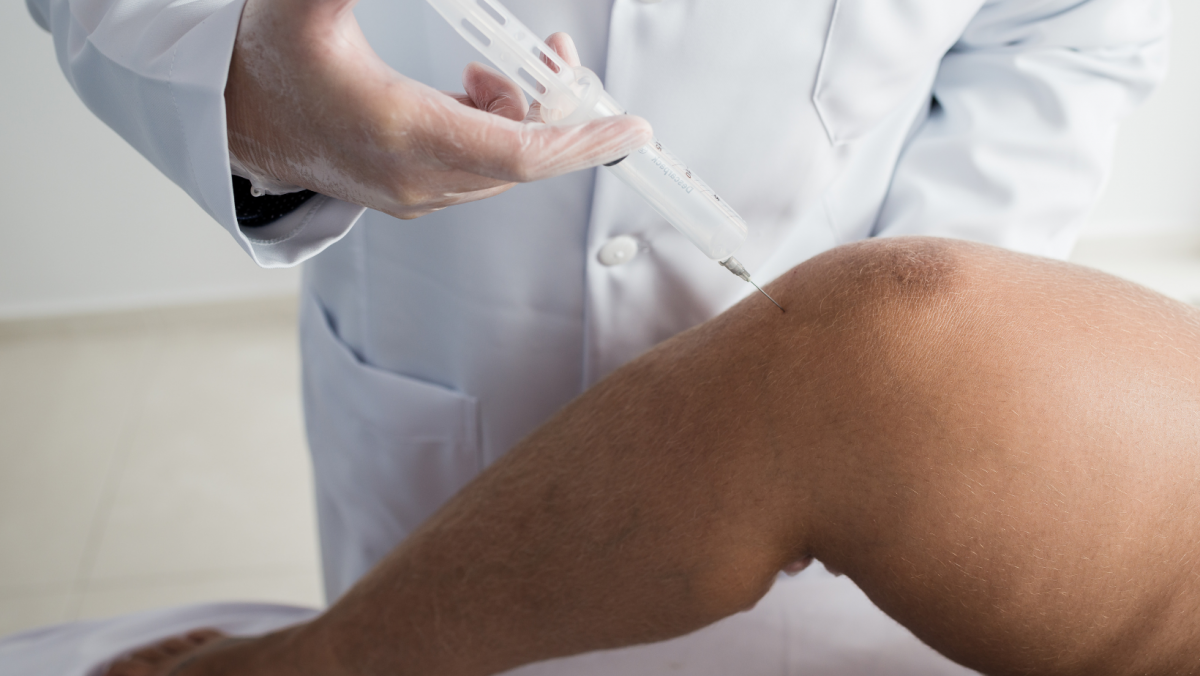
Hyaluronic Knee Injections: Worth the Risk?

Osteoarthritis is the most common form of arthritis, affecting 32.5 million US adults.

32.5 million US adults!?!

Yes, you read that right.

Not only that but it is estimated that 1 out of 4 adults experience chronic knee pain.

With so many people experiencing knee pain and osteoarthritis, it’s no wonder that millions of people have turned to knee injections to help offer quick relief.

However, the potential relief that knee injections can provide does come at a cost, both financially and physically. As a result, some doctors advise against using these injections as a solution for osteoarthritic knee pain.

Over the past few weeks, we have taken a look at two different kinds of knee injections: Corticosteroid injections, and Hyaluronic Acid Injections, also known as viscosupplementation injections.

In our last article, we looked at the risks associated with corticosteroid injections, which range from osteoporosis of nearby bone tissue to joint infection, nerve damage, and several other potential reactions.

This week we are going to look at the side effects and risks associated with the use of Hyaluronic Acid Injections for osteoarthritis knee pain.

Hyaluronic acid is a gel-like substance that occurs naturally in the body as part of the synovial lining that coats the joints. Hyaluronic acid is also present in other areas of the body such as the skin and eyes, where it helps retain moisture and keep these areas lubricated.

When it comes to relieving osteoarthritis knee pain, hyaluronic acid is sometimes injected into the knee to help provide cushioning and lubrication. This temporary solution can ostensibly help decrease knee pain and inflammation, as well as improve knee function.

Unfortunately, just like with corticosteroid knee injections, the relief experienced as a result of hyaluronic acid injections is only temporary. Furthermore, the results following hyaluronic injections can actually vary greatly.

Some studies have found that the duration of relief following this type of knee injection can last for a period anywhere from up 2 months, or in some cases up to 6 months. And, on average, the most pain relief is experienced between weeks 5 and 13.

For every study that finds hyaluronic knee injections to be effective in managing osteoarthritic knee pain, there are countless others that find the impact to be inconclusive or even negligible.

Some studies have even found that treating knee osteoarthritis with injections of hyaluronic acid doesn’t do anything to help relieve knee pain, and these injections may even raise the risk of adverse effects.

One of these studies was published by the British Medical Journal in July of this year.

The study was led by an international team of researchers that set out to review existing studies on the effect of hyaluronic acid injections on relieving knee pain and improving knee function in patients diagnosed with knee osteoarthritis.

After combing through years and years of data, the researchers were able to identify 169 studies involving 21,163 patients with knee osteoarthritis that compared hyaluronic acid injections ( also known as viscosupplementation) with either placebo treatment or no treatment.

The main analysis of this review found that viscosupplementation was associated with a small reduction in pain when compared with a placebo. However, the difference was so slight, that it was described as being “clinically irrelevant.”

The researchers also found ample evidence that showed that since 2009, hyaluronic acid injection and placebo treatment have led to the exact same clinical outcome in terms of pain reduction, which renders these injections useless.

Another key finding in this particular research study was the risk of serious adverse effects. The researchers found that the risk of adverse effects from hyaluronic acid injections was 45% higher than from placebo.

The most common side effects from hyaluronic acid injections include pain at the injection site, fluid build-up in the knee, and allergic reactions.

Many people also encounter a flare-up of their arthritis after the injection, which can cause additional pain and swelling in the short term.

Other risks of hyaluronic acid injections include bleeding and the risk of a serious infection.


The Bottom Line:
Similar to corticosteroid knee injections for osteoarthritis, hyaluronic acid injections are only a temporary solution at best, to relieve knee pain caused by osteoarthritis.

However, it is important to keep in mind that they do not work for everyone and that these injections do come with the risk of adverse effects and as a result, more health problems.

Therefore, in order to truly treat knee osteoarthritis, other methods need to be considered such as physical therapy, improvements in diet and exercise, and in some cases it may be beneficial to have knee surgery or a less invasive procedure such as genicular artery embolization.

If you are interested in finding out if you can benefit from genicular artery embolization and experience the long-term benefits of this non-invasive procedure to treat your knee osteoarthritis, please call us and set up your consultation today.

Categories
Fibroids

The Symptoms of Uterine Fibroids: Finding Relief

Uterine fibroids are a common type of benign tumor characterized by the overgrowth of connective or smooth muscle tissue in the uterus.

These tumors, which affect women mainly during their reproductive years,  are diagnosed in up to 70% of white women and more than 80% of women of African ancestry during their lifetime.

Though most women with fibroids have fibroids that are asymptomatic, it is estimated that approximately 30% of women with fibroids will experience severe symptoms which may require medication, surgery, or interventional radiology procedures, such as Uterine Fibroid Embolization.

In our last article, we took a look at clinical data on the effect that Uterine Fibroid Embolization can have on relieving the common fibroid symptom of heavy bleeding, also known as menorrhagia.

We learned that according to medical records analyzed by the National Library of Medicine (NLM), an estimated 26 million women between 15 and 50 have uterine fibroids. And of those, nearly 15 million women experience associated symptoms or linked health-related problems, such as heavy menstrual bleeding.

Based on the results of several studies and meta-analyses of studies, there is plenty of evidence to support that as many as 92% of women treated with Uterine Fibroid Embolization, experience a decrease in the symptom of heavy bleeding.

In fact, one rather large study found that 86% of patients experienced relief from fibroid-related heavy bleeding merely 3 months after the UFE procedure. While 92% experienced relief from heavy bleeding at 12 months.

This same study, which was published in The Journal of the American Association of Gynecologic Laparoscopists, also found that the bulk of fibroid symptoms was controlled in 64% of patients at 3 months and 92% at 12 months.

So what are the bulk of fibroid symptoms? And, what does the research say regarding the effect that Uterine Fibroid Embolization has on treating these?

Though not all women with fibroids experience symptoms, for those that do,  the most common signs and symptoms of uterine fibroids include:

Menstrual pelvic pain/cramping
– Heavy menstrual bleeding
– Lower back pain
– Fatigue/weariness/anemia
– Constipation/bloating/diarrhea
– Irregular periods
– Passage of clots
– Spotting/bleeding between periods
– Difficulty having a bowel movement
– General abdominal pain
– Non-menstrual pelvic pain/cramping
– Pain during sex
– Pelvic pressure
– Infertility

While of course fibroid symptoms vary from woman to woman, there is evidence to show that some symptoms are more common than others.

One study that looked at the prevalence of fibroid symptoms was published in 2017,  in The International Journal of Women’s Health.

This prestigious medical journal published the results of a cross-sectional survey of 59,411 women aged 18–54 years in the US from August 6, 2012, through September 14, 2012, that have a diagnosis of uterine fibroids.

What they found regarding the distribution of uterine fibroid-related symptoms experienced in these women with uterine fibroids was as follows:

Menstrual pelvic pain/cramping:
2,277, which is 74.9%

Heavy menstrual bleeding:
2,147 which is 73.4%

Lower back pain:
2,090 which is 68.4%

Fatigue/weariness/anemia:
2,069 which is 68.3%

Constipation/bloating/diarrhea:
1,859 which is 63.3%

Irregular periods:
1,698 which is 57.8%

Passage of clots:
1,690 which is 56.9%

Spotting/bleeding between periods:
1,342 which is 45.0

Difficulty having a bowel movement:
1,140 which is 38.9%

General abdominal pain:
1,019 which is 35.0%

Non-menstrual pelvic pain/cramping:
984 which is 33.2%

Pain during sex:
851 which is 29.3%

Pelvic pressure:
654 which is 22.4%

Infertility:
384 which is 12.0%

We already know based on the research results published in our previous article, that UFE is very effective in treating the symptoms of heavy menstrual bleeding. But how well does it help in the relief of these other symptoms?

Over the next few weeks, we will take a look at the effect that Uterine Fibroid Embolization can have on reliving some of these troublesome symptoms of uterine fibroids.

In the meantime, if you would like to learn more about Uterine Fibroid Embolization, or to find out if this procedure could benefit you, please give us a call and set up your consultation today.

Categories
Enlarged Prostate

Early Physicians and BPH

There are many physicians to which we owe a debt of gratitude for their contributions to the treatment of benign prostate hyperplasia.

Most historians agree that the prostate was first anatomically described in the mid-1500s by the Italian doctor and anatomist Nicolo Massa.

In his book, “Anatomiae libri introductorius,” which translates to “Introduction to Anatomy,” Massa noted that the bladder rested on a “fleshy gland”, the gland of course being, the prostate.

Although it is debated that the fleshy gland wasn’t called a prostate until, around the same time in history, when the French anatomist Andre du Laurens used the name “prostate”, or “prostatae”- In more recent years, historians have discovered that the French anatomist did indeed call the fleshy gland a prostate, but it was actually the French surgeon Ambroise Paré in his anatomy book, who years prior had referred to this part of the male reproductive system as the prostate.

So what’s the point of all of this? Why should we care who named the prostate gland?

The point is, the male prostate gland has been an area of the male body that has been extensively studied and examined for centuries.

Why is this?

Well for starters, it affects a lot of men.

The enlargement of the prostate gland and the connection that it has with urinary retention and other symptoms in men prompted extensive research and development on finding the cause and figuring out how to treat it.

In our next article, we will dive deeper into the history of treating an enlarged prostate, and the


Categories
Knee Osteoarthritis

Side Effects and Risks of Corticosteroid Injections

Corticosteroid or hyaluronic acid injections can help to relieve knee pain, however, it is temporary.

Not only is the relief temporary but there is ample evidence to support that exercise can be just as effective, and so can a simple injection with plain old saline solution (which is often used as the placebo in clinical trials).

Again and again, exercise, in order to treat knee osteoarthritis pain, is recommended over knee injections. One reason is that knee injections come with many more risks than exercise.

One of the biggest risks of knee injections is infections of the knee joint. This is especially true of corticosteroids.

If there are germs on the needle that is used for corticosteroid injections, an infection can happen.

Though joint infections are rare, they do happen. And when they do, they can cause serious problems. Therefore it is critical that these knee injections and performed by experienced doctors that follow hygiene standards such as properly disinfecting the skin before the injection.

The risk of infection is slightly higher with corticosteroid injections than with hyaluronic acid, because of the effect that steroids can have on the immune response of the joint.

In fact, repeated steroid injections over a long period of time can weaken the joint cartilage as well, furthering this risk.

Other possible side effects of steroid knee injections include pain and swelling at the injection site. This is especially true in the days after treatment when the muscles and ligaments may be slightly weakened.

There is also the risk that, for those getting treated with multiple steroid injections, the skin at the injection sight can become permanently discolored.

Some of the other potential side effects of steroid knee injections are:

–  osteoporosis of nearby bone tissue

–  osteonecrosis, which is the death of bone tissue

–  a temporary flare of pain and inflammation in the joint

–  joint infection

–  nerve damage

–  thinning or lightening of the skin and soft tissue around the injection site

–  allergic reaction

–  elevated blood sugar levels in some people with diabetes


There is also evidence to suggest that cortisone injections come with not only the risk of infection post-injection but that when administered in the time period before knee surgery, these injections can lead to a much greater post-surgical infection risk.

Even when corticosteroids are effective, according to a research study published by an independent group of scientists from the Cochrane Collaboration, these injections might reduce osteoarthritis symptoms for several weeks in roughly 10 out of 100 people.


The Bottom Line: Though there was a time when corticosteroid injections were considered to be some sort of miracle cure for knee pain, in more recent years, research has shown that this isn’t entirely true.

In fact, several studies have found that corticosteroid knee injections provided no significant pain relief after two years. And, some studies have even shown that cortisone can make the situation worse by thinning out the meniscus, causing more bone on bone in the knee.

In our next article, we will take a look at the effectiveness of hyaluronic acid injections, as well as the potential side effects and risks.

Categories
Fibroids

Fibroid Symptom: Menorrhagia

What do heavy menstrual cycles, fatigue, dizziness, pelvic pressure and bloating, enlargement of the abdomen, constipation, increased urinary frequency, heavy bleeding (menorrhagia), pain during sex, and even infertility all have in common?

If you guessed “symptoms caused by uterine fibroids.”

You’re right!

Although fibroids are non-cancerous, due to the many painful, uncomfortable, and life-limiting side effects, many women choose to have them removed.

One of the most common and frustrating symptoms of uterine fibroids is heavy bleeding, also known as menorrhagia.

It is estimated that as many as 35 percent of women in their reproductive years experience menorrhagia, and fibroids can be a leading cause of this.

In fact, fibroids have been found in more than 10% of women with menorrhagia overall and in 40% of women with severe menorrhagia.

According to the National Library of Medicine (NLM), an estimated 26 million women between 15 and 50 have uterine fibroids. Of those, nearly 15 million women experience associated symptoms or linked health-related problems, such as heavy menstrual bleeding.

So what is considered to be heavy bleeding, and how do fibroids contribute to this?

Most gynecologists and physicians agree that heavy bleeding can be defined as:

–  Bleeding that lasts for longer than eight days.

–  Bleeding that requires frequent sanitary pad or tampon changes, approximately every hour or more.

Why do fibroids cause heavy bleeding?

While there is no one reason that heavy bleeding occurs with fibroids, there are several factors that contribute to this symptom, including:

–  Added pressure on the uterus from the fibroids

–  Irregular contractions of the uterus

–  Blood vessel growth stimulation caused by fibroids increases the amount and frequency of bleeding and spotting between periods

–  Elevated hormone levels

Fortunately, there are several treatment options for women with fibroids, which can help reduce or resolve completely, the symptom of heavy bleeding.

The most common treatment methods for fibroid-related menorrhagia include medication and major surgery such as a hysterectomy or a myomectomy. As well as, a procedure that has been rapidly gaining in popularity for its effectiveness and shorter recovery time, which is called Uterine Fibroid Embolization.

Since 1995, Uterine Fibroid Embolization, which is a non-invasive procedure performed either solely or primarily through the uterine artery, has been helping women who suffer health issues related to uterine fibroids. Furthermore, as UFE continues to grow in popularity as a treatment method for uterine fibroids, a plethora of research continues to document its promising results.

The goal of this procedure is to relieve symptoms by blocking the artery that is supplying blood to the fibroids, which causes them to shrink and die.

So how effective is this procedure in relieving the symptoms of fibroid-related heavy bleeding?

It is very effective.

In fact, multiple studies show that fibroid embolization is at least 90% effective when it comes to reducing fibroid-related bleeding and pain.

Not only that, but time and time again, women are reporting that they are experiencing a significant change in their fibroid symptoms within days following the procedure.

This is incredible, especially considering that other treatment methods can take months to show signs of improvement.

One of the earliest studies of the effectiveness of UFE was published in The Journal of the American Association of Gynecologic Laparoscopists.

The study followed up with 305 women who were treated with the procedure, up to a year after treatment, and what they found was quite promising.

They found that the symptom of heavy bleeding was controlled in 86% of patients at 3 months and 92% at 12 months. And, they also found that the bulk of fibroid symptoms was controlled in 64% of patients at 3 months and 92% at 12 months.

Another study, which was published in the medical journal Radiology reported the results of following up with 80 consecutive patients treated with UFE for menorrhagia caused by fibroids.

Researchers followed up with this group of women for a minimum of 2 years and discovered that menorrhagia was controlled in over 90% of these women!

These are just a few of the studies regarding the impact that Uterine Fibroid Embolization can have on relieving the fibroid symptom of heavy bleeding. A simple google search will bring up study after study where the findings are similar to those stated above.

But wait…there’s more…much more.

In our next article, we will look at what the research says regarding the impact that Uterine Fibroid Embolization can have on some of the other common symptoms of uterine fibroids such as pelvic pressure and pain.

Categories
Enlarged Prostate

BPH Medications and Sexual Dysfunction: Something to Consider

Some treatment methods for an enlarged prostate can increase problems with sexual dysfunction, and in some cases, even cause them.

Though prescription drugs are often very good at improving the symptoms of Benign Prostate Hyperplasia- such as urinary issues, they can come with their own set of problems. Because of this, some men may resort to surgery, however, that too comes with its risks regarding sexual function.

Some surgical procedures for men with an enlarged prostate can increase the risk of inadvertently damaging structures around the penis which can lead to erectile dysfunction and other problems.

But before we get to that, let’s take a look at some of the common BPH medications and the effect they can have on sexual health.

We’ll start with the commonly prescribed 5-Alpha reductase inhibitors and the impact these medications that are used to shrink the prostate and reduce BPH symptoms can have on sexual health.

5-Alpha reductase inhibitors show promising results in their ability to shrink the prostate and reduce benign prostate hyperplasia symptoms.

These medications work by inhibiting the 5-alpha reductase enzyme from converting some of the body’s testosterone into dihydrotestosterone- which can cause further prostate growth. Unfortunately, one of the most common side effects of 5-alpha reductase inhibitors is sexual problems.

Several clinical trials have looked at the problem of side effects caused by the 5-alpha inhibitor finasteride, also known by the brand name Proscar.

These studies found that sexual adverse effects occur at the rates of 2.1% to 3.8%, erectile dysfunction (ED) being the most common, followed by ejaculatory dysfunction and loss of libido.

Another common 5-alpha reductase inhibitor, dutasteride (Avodart), has neem known to cause a multitude of adverse effects concerning sexual function. 3.4 to 15.8% of men treated with dutasteride experience erection problems, loss of libido, and reduced semen volume.

Most of these sexual issues caused by 5-alpha inhibitors are believed to be due to their effect on decreasing levels of dihydrotestosterone which is a natural sex hormone and is essential for normal sexual function.

Another type of medication that is commonly prescribed to treat the symptoms of an enlarged prostate is alpha-blockers.

Alpha-blockers, such as tamsulosin ( Flomax) doxazosin (Cardura), and terazosin (Hytrin) work by relaxing the bladder neck, and prostate muscles. Unfortunately, they can also cause erectile issues such as decreased ejaculation. Men who take these medications may also experience lower sperm count, decreased sperm volume, and lower sperm movement.

According to a 2008, Cochrane systematic review that looked at the sexual side effects of Flomax for BPH, 63% of users reported some form of side effect from the medication. The side effects of tamsulosin that were reported the most included erectile dysfunction, reduced libido, and something called retrograde ejaculation or a dry orgasm- where the semen exits into the bladder rather than out of the penis.

Combination medication therapies, such as dutasteride and tamsulosin ( brand name Jalyn), can also cause sexual problems.

Clinical trials found that the most common adverse reactions reported were impotence, decreased libido, breast disorders (including breast enlargement and tenderness), ejaculation disorders, and dizziness.

In fact, studies have found that ejaculation disorders occurred significantly more in subjects receiving coadministration therapy (11%) compared with those receiving dutasteride (2%) or tamsulosin (4%) as monotherapy.

The Bottom Line:  Issues with sexual dysfunction that are caused by certain BPH treatment medications should be taken into consideration.

These issues can be very upsetting and have a detrimental effect on a man’s private life and relationships. Therefore it’s important to discuss any risk of sexual problems that can come alongside your preferred treatment method for BPH.

There are many options out there for treating an enlarged prostate, so it’s important to be open and honest about your concerns and work with your doctor to find the best treatment option with the lowest risks of sexual side effects, such as Prostate Artery Embolization.

To learn more about this state-of-the-art procedure, please call and set up a consultation today.