
Categories
Uncategorized

BPH Medication and Cancer

Clinical trials have shown that finasteride and dutasteride, which are both 5-alpha inhibitors, may be associated with gynecomastia, breast pain, tenderness, and even breast cancer.

According to an article published in the National Center for Biotechnology Information,

“Case reports and clinical trial results have suggested that treatment with 5ARIs may be associated with male breast cancer, a rare condition with a lifetime risk of 0.1%”.

Though the relative risk is low, a connection between breast cancer in men and the use of 5 alpha-reductase inhibitors do exist.

The “Medicines and Healthcare products Regulatory Agency (MHRA)”, which is the government agency responsible for regulating medicines and medical devices in the UK, published clinical data regarding the connection between male breast cancer and patients treated with the 5-alpha inhibitor finasteride.

The research states that 50 cases of male breast cancer have been reported worldwide with the use of 5 mg finasteride (also known by the brand name Proscar) and three cases have been reported with the use of 1 mg finasteride (also known by the brand name Propecia).

The researchers go on to state that:

“Most cases reported with Proscar use occurred within 5 years of starting treatment.”

The data from these trials showed that there was a trend towards male breast cancer occurring more frequently in patients who had received finasteride, than in those who did not.

According to information published in the American Journal of Epidemiology, finasteride could potentially cause male breast cancer due to altering hormone levels.

The administration of 5-alpha reductase inhibitors, such as finasteride leads to altered oestrogen/testosterone balance. Research has shown that the role of oestrogen in breast carcinoma is considered important.

Finasteride also converts testosterone to oestradiol and androstenedione is converted to oestrone in fat cells.  As a result, either the slight increase in oestrogen or the reduction in the ratio of androgens to that of oestrogens (due to the 5-alpha reductase inhibitor’s effect on reducing DHT levels), or both could play a significant role in finasteride-associated male breast cancer.

Though the incidence of breast cancer development during treatment with 5-alpha inhibitors may be low, it is still important that patients are aware of this possibility.

In fact, following the aforementioned report, the United Kingdom’s national drug agency established a drug warning label to be included with prescriptions for finasteride, due to the potential though the unlikely risk of developing male breast cancer.

In our next article, we will take a look at the signs and symptoms of male breast cancer, and the actions that should be taken if any of them are present.


Categories
Uncategorized

Synovial Fluid: Too much of a good thing?

Synovial fluid is a lubricating fluid in the knees that is necessary for reducing friction, helping with joint movement, and providing vital nutrients to the cartridge lining a joint.

Though this fluid is vital for healthy functioning knees, too much of it can be a problem.

So what exactly is synovial fluid?

Synovial fluid is the collection of fluid produced by the synovium,  which is the connective soft tissue membrane that lines the inner surface of the knee joints.

Together with bone, cartilage, tendons, ligaments, and the fibrous capsule, the synovium is an important component of the tissues that form an integrated joint. As such, it not only has its own specific functions but also interacts with other tissues in the joint both structurally and functionally.

Synovial joints in the human body are the wrists, ankles, shoulder, hips, and of course, the knees.

Within these joints, the synovium produces synovial fluid which coats the tendons and the surface of the synovium.

This fluid provides not only lubrication, reduces friction, and helps with joint movement, but it also provides vital nutrients to the cartilage lining the joint.

Synovial fluid is produced as an ultrafiltrate of blood plasma and is primarily composed of hyaluronan, lubricin, proteinase, collagenases, and prostaglandins.

According to research published in Synovium and Joint Biology, synovial fluid may also contain “microparticles, which are endogenous crystals formed as a result of dysregulated metabolic processes. In particular, the synovial fluid can contain basic calcium phosphate (BCP) crystals, which are associated with osteoarthritis”.

Researchers have found that these BCP crystals can produce vigorous inflammatory responses, which disrupt normal tissue biomechanics, and directly interact with nearby cells to induce the production of destructive cytokines and prostaglandins. Though it is not entirely clear if BCP crystals are a cause or an effect of osteoarthritis.

What we do know for sure is that the malfunction of the synovial membrane, synovial cells, and synovial fluid is directly involved in major bone and joint diseases including rheumatoid arthritis, osteoarthritis, and other inflammatory joint diseases.

Although osteoarthritis is not considered to be a classic inflammatory disease, synovial inflammation, research has shown that synovitis is nevertheless correlated with its progression.

When the synovium tissue is inflamed the synovial fluid becomes thicker and excess synovial fluid begins to build up in the joint.

This inflammation of the joint tissue and build-up of fluid in the knee is called synovitis, which is a condition that can develop due to repetitive joint movement, injury, infection, or osteoarthritis.

If left untreated synovitis can eventually lead to the destruction of the cartilage and bone within the joint, resulting in increased pain, swelling, stiffness, tenderness, and limited mobility.

Not only is synovitis a likely problem for those with osteoarthritis, but according to data published by Arthritis Research and Therapy it can also be a precursor to the development of osteoarthritis in the first place.

The article states that “there is evidence to strongly suggest that synovitis is involved in OA symptoms and progression, and therefore represents an important target for therapeutic intervention.”

Though synovitis results in too much fluid in the knee, and as a result causes all sorts of pain and problems, too little fluid in the knees can also be problematic.

Categories
Uncategorized

Talking to Your Partner

A healthy sex life when dealing with fibroids may take some flexibility, communication, and in some cases, treatment.

It’s not uncommon for the symptoms of uterine fibroids to affect a woman’s sex drive and sexual confidence. A woman’s body image can be affected due to fibroid symptoms such as bloating, an enlarged and distorted abdomen, and weight gain. Therefore, in order to work through these issues, it’s important to speak with your partner about your concerns.

By communicating openly about the impact that fibroids are having on your self-confidence, your partner can gain a better understanding and offer some support.

Believe it or not, many men and women are in the dark when it comes to uterine fibroids, so it may take a conversation or two to help your partner understand what you are experiencing and why.

Your partner may be unaware that you even have fibroids and that they are causing side effects like pain, menstrual cramps, irregular periods, or heavy bleeding during your menstrual cycle- all of which can affect every aspect of a woman’s life, including sex.

The psychological and emotional impact that fibroids can have, can interfere with self-esteem, self-confidence, and intimacy as well. Though talking with a supportive partner can help, sometimes it is helpful to also talk to a supportive friend, or therapist in order to process these emotions.

When it comes to experiencing pain during sex due to fibroids, oftentimes this is due to where the fibroids are located as well as the size and number of fibroids present.

If pain is experienced during sex because of fibroids, it’s important to make an appointment with your doctor to access the condition and learn about treatment options that may benefit you and your sexual health.

If the fibroid symptoms are less severe, or treatment is scheduled soon, some women can manage to enjoy sex in the meantime by working with their partner to find the sexual position or activity that is most comfortable for them.

Board-certified doctor of obstetrics and gynecology, Andrea Eisenberg, M.D. published an article in Health Central, that offers some excellent tips. They are:

1. Educate your partner.

Dr. Eisenberg even suggests bringing your partner to your next doctor appointment so that they can gain a better understanding of what you are experiencing.

2. Communicate with your partner before and during intercourse.

Sometimes just changing positions to something that is more comfortable can make all the difference.

3. Keep track of the timing.

Fibroids can cause irregular periods which can make this difficult, but keeping track of when periods do happen can be helpful in order to find the best time for sexual activity. This information can also be very helpful to share with your doctor.

4. Start or maintain a healthy diet.

Constipation is a common fibroid symptom that can definitely make anyone feel less in the mood. However, constipation can usually be resolved with a few dietary changes, such as adding more fruits and vegetables to your diet and drinking more water.

5. Use a lubricating ointment.

By using silicone or water-based lubrication, sex can be much more comfortable, as any anxiety around sex due to the fibroids can cause all sorts of adverse effects, such as vaginal dryness and as a result, increased pain.

Though all of these things can be helpful when dealing with fibroids and sex, the most helpful solution is to take action and seek treatment.

One effective treatment that does not come with the side effects and risks associated with medications, is Uterine Fibroid Embolization. To learn more about this procedure and to set up a consultation in order to find out if UFE could benefit you, call us at 301-622-5360.


Categories
Uncategorized

BPH Medication and Gynecomastia

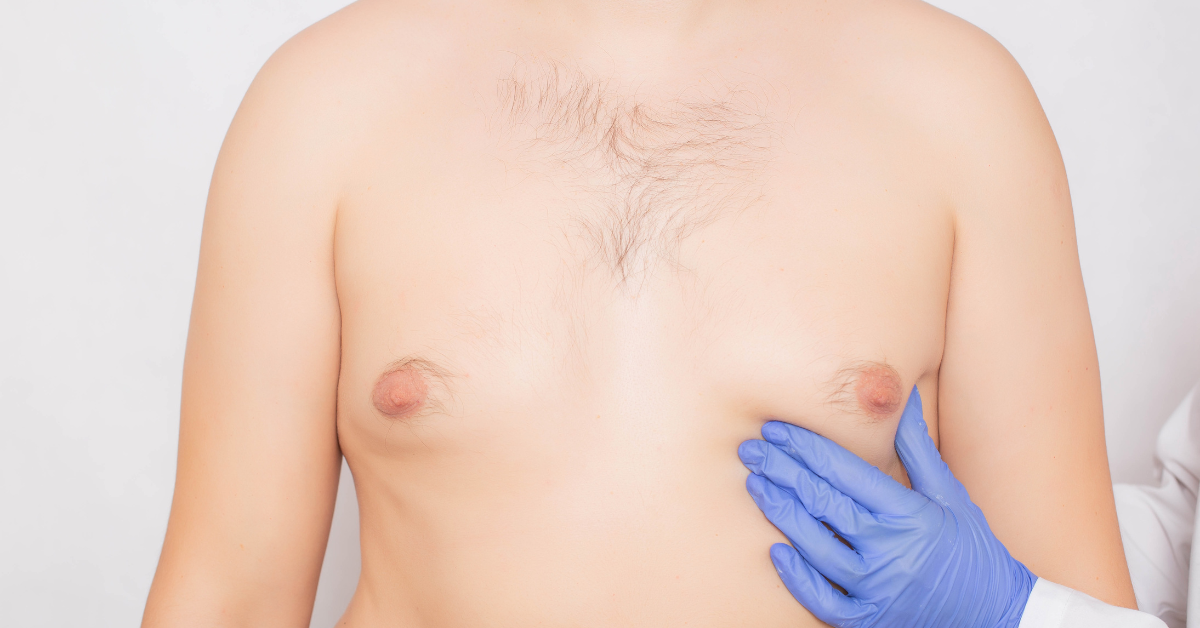
Medication used to treat the symptoms of an enlarged prostate can result in an increase in male breast tissue, known as gynecomastia.

In fact, some experts estimate that gynecomastia will affect at least 30% of males during their lifetime. While studies, like this one, estimate that gynecomastia is present in 33–41% of normal men aged 25–45 years and in 55–60% of men over the age of 50 years.

Most experts agree that gynecomastia is caused by an imbalance between estrogen and androgen action.

An androgen is a male sex hormone, that is defined as a substance capable of developing and maintaining masculine characteristics in reproductive tissues (notably the genital tract, secondary sexual characteristics, and fertility) and contributes to the anabolic status of somatic tissues.

When this hormone is out of balance, due to increased estrogen-to-androgen ratio from increased estrogen production- or decreased androgen production- or both- the result can be many unwanted symptoms and side effects, one of which is the development of male breast tissue.

One type of medication that is used to treat BPH symptoms, and that can cause an imbalance and result in gynecomastia, is 5-Alpha-Reductase Inhibitors.

These medications such as dutasteride (Avodart) and finasteride (Proscar), act as an inhibitor of 5-alpha reductase, which is a hormone that aids in the formation of dihydrotestosterone, also known as DHT.

DHT is an androgen that is formed from testosterone, which can be inhibited by administering a 5-alpha reductase inhibitor, thereby resulting in a potential decrease in prostate volume, which can allow for a reduction in BPH symptoms such as urinary issues.

While 5-alpha reductase inhibitors can result in a decrease in prostate volume, the medication-induced hormone imbalance that they cause can also result in gynecomastia, as well as problems with sexual function.

In fact, research that was published in Sexual Medicine Reviews has shown that 5-alphas are not only associated with gynecomastia, but also with increased rates of decreased libido, erectile dysfunction, ejaculation dysfunction, depression, and anxiety.

5-Alpha reductase inhibitors are also widely used to treat male pattern baldness. Amongst those being treated for this, some estimate that 4 to 10 out of every 1,000 users of these medications will experience gynecomastia, amongst other symptoms.

In fact, according to research published in the International Journal of Trichology, this finasteride-induced gynecomastia can start as early as 1-2 weeks after starting finasteride but is typically a few months delay.

In our next article, we will take a further look at the connection between 5-alpha reductase inhibitors and gynecomastia, as well as explore solutions to treating this side effect or avoiding it all together.


Categories
Uncategorized

Lower Body Dynamic Stretches

In order to prepare the lower half of the body for exercise, warming up with a few dynamic stretches can make a difference.

By practicing these movement-based lower-body dynamic stretches, you can decrease the risk of injury, increase mobility, and have an overall safer and more effective workout.

Of course, it’s always important to check with your doctor before starting any physical exercise routine, including stretching. By working with your doctor or physical therapist, you can make sure that these stretches are safe for you, and make any special adjustments or modifications if necessary.

So let’s take a look at a few lower-body dynamic stretches that are suggested by the health experts at The Arthritis Foundation. These four easy lower-body stretches are a great way to safely exercise the body and/or prepare for an exercise.

1. Hip Circles

Stand on one leg, using a countertop for support, and gently swing the opposite leg in circles out to the side.

Do 20 circles in each direction.
Switch legs.

Progressively increase the size of the circles as you become more flexible.

2. High-Stepping

Stand with your feet parallel and shoulder-width apart.

Step forward with the left leg and raise the right knee high toward your chest (use a wall for balance, if needed).

Use both hands (or one, if using the other for balance) to pull the knee up farther.

Pause and lower right leg, then repeat on the other side.

Continue “high-stepping” five times on each leg as you walk forward.

3. Heel-to-Toe Walk

Stand with feet shoulder-width apart.

Take a small step forward, placing your right heel on the ground and rolling forward onto the ball of your foot.

Rise as high as possible on your toes, while bringing the left foot forward and stepping in the same heel-to-toe roll.

Repeat five times on each leg.

4. Lunges with a Twist

Stand with your feet parallel, then take an exaggerated step forward (keep one hand on a wall for balance, if needed) with your right foot, planting it fully on the floor in front of you.

Allow the knee and hip to bend slowly while keeping your torso upright.

Keep your right knee directly over the ankle – do not allow it to go beyond your toes.

Slightly bend your left knee, lowering it until it is a couple of inches above the floor (or as far as flexibility allows).

In this position, reach overhead (skip the overhead reach if your shoulders are compromised) with your left arm and bend your torso toward the right.

Return your torso to an upright position, and step forward with the left foot, back to starting position.

Repeat five times on each side.
(Note: Do not attempt this if you have trouble with balance.)

Remember, it’s always best to consult with your doctor before starting any exercise routine, including dynamic stretching. Your doctor can tell you which stretches should be adjusted or avoided if necessary.

For more information on dynamic stretching, and some help with technique, you may want to check out the following video series.

Categories
Uncategorized

Fibroids and Discomfort in the Bedroom

There are many ways in which uterine fibroids can cause pain and discomfort that can impact a woman’s sex life.

In fact, the relationship between fibroids and painful sex has been well-documented in studies such as this one.

Though the constant pressure and the location of a fibroid or fibroids can contribute to pain and discomfort during sex, these are not the only ways in which fibroids can cause sexual health issues.

Some of the other ways that fibroids can impact sexual health are:

Vaginal Dryness:

Due to the hormone imbalances that contribute to fibroid growth, many women report experiencing vaginal dryness. These symptoms can make sex painful, and cause irritation and even tearing of vaginal tissues.

Irregular Periods/Extended Periods:

One of the most common symptoms of fibroids is periods that can last upwards of 10 days. Bleeding can also happen at random times during the month.

Both long periods and random bleeding can create problems for a woman’s sex life by making sex unpleasant, awkward, and uncomfortable.

Heavy Bleeding

Along with irregular periods and periods that can last up to 10 days, fibroids can also cause heavy bleeding. This bleeding can have serious consequences from weakness, extreme fatigue, nausea, and even anemia. The dizziness and fatigue that can come from heavy blood loss definitely take a toll on one’s sex life.

Frequent Urination

It’s hard to be present with a sexual partner, with the constant need to urinate. Frequent urination, urgency, and even urinary incontinence are all symptoms of uterine fibroids.

These symptoms can not only interfere with sex, but due to an inability to empty the bladder completely, urinary symptoms can lead to post-sex urinary tract infections.

Body Image Issues

Fibroids can cause a lot of physical discomfort, which includes pelvic pain, pressure, and bloating. Bloating, as well as larger fibroids which can distort and distend the abdomen, can also distort a woman’s perception of her body.  Leading her to feel less attractive, less confident, and out of touch with her own body.

In some cases, large fibroids can even make a woman look pregnant, which can be awkward, especially when asked questions like “When are you due?”

Low Libido

Needless to say, all of the aforementioned issues caused by uterine fibroids, from vaginal dryness and painful sex to extreme fatigue and poor body image- can adversely diminish any desire to have sex, let alone enjoy it.

Fortunately, there are things that can be done to help decrease fibroid symptoms that have a negative impact on sexual relationships.

In our next article, we will take a look at what some of those things are.

Categories
Uncategorized

Seeking a Quick Fix

It’s tempting to take a medication that can relieve the urinary issues caused by an enlarged prostate, however, is it worth it?

Though it’s human nature to want to find a quick fix to resolve the obnoxious urinary issues that benign prostate hyperplasia causes, these so-called quick fixes, such as medication can come at a cost to your wallet, and potentially your health.

Clinical studies have found that alpha-blockers, such as tamsulosin (Flomax) or terazosin (Hytrin), which are medications that are used to relax muscle tissue, have shown an ability to improve lower urinary tract symptoms caused by an enlarged prostate. However, there is also plenty of evidence to support those alpha-blockers come with a lot of potential side effects and risks.

One of the most serious concerns is the lack of clinical evidence that alpha-blockers can affect or reduce the long-term risk of developing acute urinary retention.

What is urinary retention?

Urinary retention is a condition in which you are unable to empty all of the urine from your bladder.

Acute urinary retention results in a sudden inability to urinate at all can cause severe pain, and can even be life-threatening.

Alpha-blockers also come with their fair share of side effects.

According to research published in Reviews in Urology, the most commonly reported side effects of alpha-blockers used to treat the symptoms of BPH are:

  • dizziness
  • headache
  • asthenia
  • postural hypotension
  • rhinitis

And last but not least, sexual dysfunction.

The use of alpha-blockers in the treatment of an enlarged prostate has been known to cause sexual dysfunction.

These issues are primarily, a lack of libido, diminished ejaculation, and in some cases retrograde ejaculation.

Both of these sexual side effects can decrease sexual pleasure, and in the case of retrograde ejaculation, cause fertility issues unless medically intervened.

It’s also important to note that because alpha-blockers lower blood pressure, there is also the risk of experiencing the side effects associated with this, especially if the dosage is too high.

Some of the symptoms of low blood pressure from alpha-blockers include:

  • Nausea
  • Dehydration
  • Unusual thirst
  • Poor concentration
  • Blurry vision
  • Shallow breathing
  • Rapid breathing
  • Fatigue
  • Pale skin

Alpha-blockers can have dangerous interactions with many other medications. Alpha-blockers should not be taken with beta-blockers, calcium channel blockers, medications for erectile dysfunction, and more.

It’s also important to note that while alpha-blockers lower blood pressure and have been shown to improve total cholesterol- some research has found that these medications can actually increase the risk of heart failure. So be sure to talk to your doctor about any of these concerns.

Therefore when it comes to taking medication to reduce the urinary symptoms of an enlarged prostate it’s important to make sure the benefits outweigh the potential side effects and risks involved.

Categories
Uncategorized

Ready, Set, Stretch

When it comes to stretching, movement-based, dynamic stretches can be easily incorporated into your daily exercise routine.

In fact, when practiced regularly and correctly, this type of stretching has been proven to increase energy levels, and physical strength, and improve range of motion. All of which can increase mobility and decrease knee pain.

Practicing dynamic stretching can also help warm up the body, in preparation for exercise and movement- Which is a great thing to do, especially for those of us that have knee osteoarthritis.

Warming up the muscles through dynamic stretching can also help prevent injuries and pain during exercise.

When practiced correctly, these stretches will have you all warmed up and ready for that fitness walk on the treadmill, those laps in the pool, or whatever exercise you choose to do.

Let’s take a look at some simple dynamic stretches that you can start doing today.

These two stretches are ones that you can easily practice at home, or at the gym. And are excellent ways to warm up the upper body.

Ok, so let’s get started.

____________________

DYNAMIC STRETCHES FOR THE UPPER BODY

The following dynamic stretches are recommended by The Arthritis Foundation, Try these seven dynamic stretches that can help you warm up before your next workout.

Arm Circles

Stand with feet shoulder-width apart and hold arms out to the sides, palms down, at shoulder height. Move your arms in circles 20 times in each direction.

Progressively increase the size of the circles as you become more flexible.

Arm Swings

Stand with arms outstretched forward, parallel to the floor with palms facing down.

As you step forward, swing your arms in unison to the right so your left arm is in front of your chest and your fingers point to the right.

Keep the torso and head facing forward; move only at the shoulders. Swing your arms in the opposite direction as you step again.

Repeat five times on each side.

________________

So there you have it. Two easy dynamic stretches for the upper body that can help warm up the body, increase the range of motion, and lead to a safer more productive workout.

There are also many dynamic stretches that focus on the lower half of the body.

Next week we will take a look at some excellent stretches that will warm up the lower half of the body, including, you guessed it, the knees.


Categories
Fibroids

When Sex is Painful because of Fibroids

Not only can fibroids affect self-esteem and body image, but they can also impact relationships and sex.

In fact, many women with fibroids have reported adverse effects on their sex life for several reasons.

First of all, untreated uterine fibroids have been known to cause pain during sexual intercourse, especially when they grow near the cervix.

They can also create constant pressure in the uterus and surrounding organs that can increase during sex causing additional discomfort.

In fact, the Journal of Sexual Medicine published the results of a study that’s primary focus was to find out if there is a clear relationship between uterine fibroids and painful sex.

For this particular study, participating women with uterine fibroids between the ages of 35 and 49 were randomly selected from the membership rolls of a prepaid health plan.

These women were then asked to provide detailed health information including filling out a detailed fibroid symptom questionnaire with contained several questions about painful sex, known medically as deep dyspareunia.

The participants also had an ultrasound to make sure the fibroid diagnosis was accurate.

The meta-analysis which included a total of 827 women, found that uterine fibroids were indeed, significantly associated with sexual pain.

Not only that, but the study also discovered that fundal fibroids, which are fibroids that grow on the top wall of the uterus, were the fibroid type that was most frequently associated with sexual pain.

Not only can fibroids cause painful sex, but the impact that they can have on a woman’s body image and self-esteem can cause women to feel self-conscious, uncomfortable, and less desirable.

As a result of the impact that fibroids can have on the way a woman feels about her body and herself, plus the pain that they can cause during sex, many women report feeling isolated and distant in their personal relationships.

Fortunately, there is a solution. And treatment is available.

If you or someone you love are suffering from painful fibroid symptoms that are getting in the way of any aspect of your life, please know that help is available.

To get started and to set up a consultation to see about a non-invasive fibroid treatment called Uterine Fibroid Embolization, please do not hesitate to call us at MidAtlantic Vascular and Interventional.

In our next article, we will look at some other ways in which fibroids can cause uncomfortable and painful sex, regardless of the type of fibroid.


Categories
Enlarged Prostate

The Prostate and Urinary Issues

Many men experience urinary symptoms due to an enlarged prostate, however, many of these men are unaware as to why that is.

In fact, the most common symptoms of an enlarged prostate are urinary issues. These include, but are not limited to frequent urination, having a hard time getting started, having a weak urine stream, peeing in starts and stops, and dribbling when finished.

So why is this?

The answer is- location, location, location.

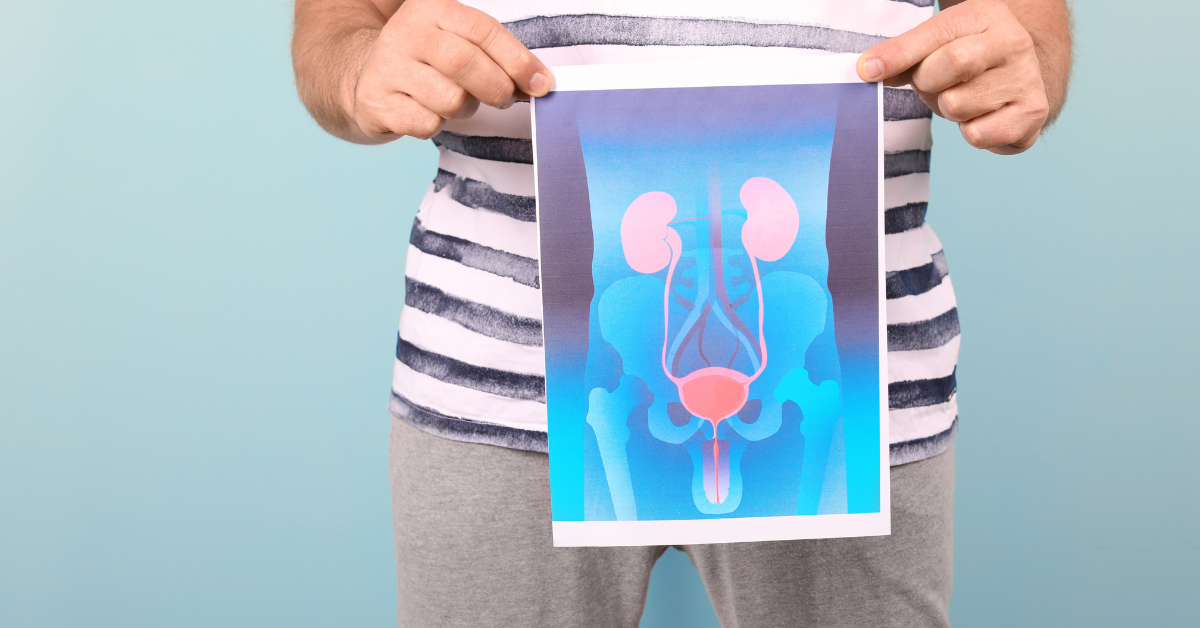
The prostate is located below the bladder, in front of the rectum, and surrounds part of the urethra. Due to this location, any excessive growth of the prostate can cause issues with urination.

Sometimes these issues are mild, and just a natural part of aging- while other times these issues are more problematic and can only be resolved through treatment.

The problem is, that when the prostate grows too large, it can literally squeeze the urethra, thus causing the bladder to have to work even harder to pass urine.

This squeezing of the urethra, over time, can cause the bladder muscles to become weak, making it harder for it to be emptied. It can also lead to several other troubling symptoms such as:

  • Feeling like you still have to pee even after you just went
  • Having to go too often — eight or more times a day
  • Incontinence (when you don’t have control over when you pee)
  • An urgent need to pee, all of a sudden
  • You wake up several times a night to pee
  • Urinary tract infections, bleeding, bladder damage, and bladder stones

In order to treat urinary issues caused by an enlarged prostate, many men will turn to medication to help reduce these symptoms.

Some of the most commonly used medications are:

  • Alpha-blockers:
    Such as tamsulosin (Flomax) or terazosin (Hytrin).
    These medicines are used to relax muscle tissue
  • 5-Alpha reductase inhibitors:
    Such as dutasteride (Avodart) and finasteride (Proscar).
    These medications are used to shrink the prostate.

Alpha-Blockers are a type of blood pressure medication, that work by “blocking” the hormone norepinephrine (also known as noradrenaline) and thereby prevent the muscles in the walls of veins and smaller arteries from constricting.

Due to their ability to relax the muscles in the prostate and around the bladder, alpha-blockers are often prescribed to help reduce the urinary issues caused by an enlarged prostate.

In clinical studies, alpha-blockers have shown promising results in their ability to improve urinary symptoms related to BPH, and have proven to do so faster than another commonly prescribed medication for BPH, which is 5-alpha reductase inhibitors.

Both normal and abnormal prostate growth is driven by 5-alpha reductase which aids in the formation of dihydrotestosterone, also known as DHT, which is an androgen formed from testosterone.

Administering a 5-Alpha Reductase Inhibitor, such as finasteride or dutasteride, can inhibit the production of DHT and result in a decrease in prostate volume. By decreasing the size of the prostate, prostate symptoms such as urinary issues are also decreased.

However, both alpha-blockers and 5-alpha reductase inhibitors come with their fair share of side effects and risks.

In our next article, we will take a look at some of these potential risks, as well as explore some alternatives to medication, such as an extremely effective non-invasive procedure, Prostate Artery Embolization.