Categories
Enlarged Prostate

Underwear…To Wear, or Not To Wear

When it comes to maintaining a healthy prostate, does it matter if you wear boxers or briefs, or no underwear at all?

It is estimated that 5-7% of men, do not wear underwear. Many do this because they think it’s more comfortable, but is it also better for your prostate health?

Not necessarily, but there is some research to show that tight-fitting underwear could have adverse effects.

In 2018, the medical journal, Human Reproduction, published the results of a study on the impact that tight underwear has on male fertility. Though more research on the topic is needed, researchers found that there was a 25% higher sperm concentration in men who were boxer briefs, as opposed to men that wore tighter-fitting underwear. Scientists believe this is due to the fact that tight underwear increases the temperature of the scrotum, which affects the body’s production of sperm. 

Though there is some evidence to suggest that tight underwear can affect sperm count, there is also evidence to suggest that going without underwear, or “going commando” as it’s often called, could have its own issues as well.

These issues can range from hygienic issues due to easy exposure to bacteria, chafing from being without a layer of added protection, and a higher risk of injury without the barrier of some type of underwear. However, most experts agree, that it all comes down to personal preference.

Will tighter underwear or boxer briefs cause prostate issues?

Not necessarily. But anything that restricts blood flow to your groin area can be potentially problematic. So the better choice overall is wearing slightly looser-fitting cotton boxers or boxer briefs. This is especially true when experiencing the effects of an enlarged prostate, be it something that’s just a normal product of aging, or something that needs to be treated.

Categories
Enlarged Prostate

Prostate Cancer: The Warning Signs

When it comes to prostate health, it’s important to be aware of the warning signs that could signal prostate cancer.

Chances are if you’re over 50, you’re familiar with this health issue that affects so many men each year.  

Second, only to skin cancer, prostate cancer is the most common cancer among American Men.

In fact, the American Cancer Society’s estimate for the number of prostate cancer cases in the United States this year is about 268,490.

Their statistics also show that one out of eight men will be diagnosed with prostate cancer during their lifetime. And in roughly six out of 10 cases, the diagnosis is in men that are over 65.

So what are the early signs and symptoms of prostate cancer?

Early symptoms of prostate cancer can mirror those of an enlarged prostate which is typically benign and treatable. Often patients with both will experience:

Difficulty Urinating
Loss of Bladder Control
Decreased flow of urine stream
Frequent Urination
Inability to empty bladder completely

However, signs of prostate cancer will usually include: Some early prostate cancer signs include:

Burning or pain during urination
Blood in urine 
Blood in semen
Erectile dysfunction
Painful ejaculation

Warning signs that are specific to prostate cancer will usually include: 

Burning or pain during urination
Blood in urine
Blood in semen
Erectile dysfunction
Painful ejaculation

If the cancer is left untreated and becomes more advanced, some of the symptoms related to that are:

Swelling in legs or pelvic area Numbness or pain in the hips, legs, or feet Bone pain that persists or leads to fractures

All of this is to say that if you are experiencing one or more of the warning signs of prostate cancer, it is highly recommended that you consult a qualified physician immediately.

Though prostate cancer is extremely common, there is a chance that your symptoms may be indicative of another, less serious condition. Either way, getting more information is always the best approach- and if it is prostate cancer, it is much easier and more successfully treated when detected early on.

For more information on prostate cancer and how it is diagnosed, check out the Center for Disease Control and Prevention’s page on prostate cancer. 


Categories
Enlarged Prostate

Enlarged Prostate:  What’s Normal and What’s Not

One of the most common symptoms of an enlarged prostate is frequent urination.

Unless you’re drinking excessive amounts of water before bed, if you find yourself needing to urinate throughout the night, this could signal that you may be experiencing the effects of benign prostatic hyperplasia, also known as an enlarged prostate.

But what exactly is a prostate? And what does it have to do with urinating?

The prostate is a small gland that is part of the male reproductive system. It is responsible for aiding in the production of fluid that carries sperm from the testicles and helps to push semen through the urethra during ejaculation. The prostate is located below the bladder and in front of the rectum and surrounds part of the urethra.

Typically the prostate is about the size and shape of a walnut, however, as a man ages, it is normal for the prostate to become larger. Though it is normal for the prostate to grow, sometimes this growth can be excessive to the point where it can cause problems with urination.

This growth and its impact on urination are so common, that on average about 8 out of 10 men will eventually experience it. However, only around 30% will find these symptoms to be bothersome enough to consult their doctor.

The growth of the prostate is commonly referred to as benign prostatic hyperplasia or BPH. Unfortunately, BPH can not be prevented, however, just like with the rest of the human body, diet, and lifestyle can definitely play a part in its health.

So what are the signs of an enlarged prostate, and when should an appointment be made with your doctor?

The most obvious sign of prostate enlargement is its impact on urination, especially at night. Some of the other symptoms you may experience are:

Straining to urinate.
Stopping and starting during urination.
Feeling the need to urinate when you don’t actually need to. Inability to empty the bladder completely.

It is important to see your doctor if you have symptoms of BPH, especially if you are under the age of 40. Although it’s fairly uncommon, it is possible for enlarged prostate to lead to serious problems such as bladder or kidney damage. If your symptoms are bothersome, your doctor will work with you to find a treatment that is best. This could be medicine, lifestyle changes, or in more extreme cases, surgery.

The bottom line, an enlarged prostate is common, and it is normal for the prostate to grow with age. However, if you are experiencing any discomfort or symptoms of an enlarged prostate, it is best to see your doctor.

An enlarged prostate is not the same as an infection or inflammation of the prostate, however, some of the symptoms can be similar. So the earlier these issues are detected and treated, the better.


Categories
Knee Osteoarthritis

Best Swimming Strokes for Knee Pain

You may have read this previous article about the best forms of exercise for people with knee osteoarthritis. The forms we covered are stretching, walking, cycling, and one of the very best exercises for knee pain, swimming.

Today we are going to take a deeper look at the benefits of swimming.

Swimming is a low-impact cardiovascular form of exercise that has been shown to reduce joint pain and stiffness associated with osteoarthritis. Even more, it can also improve muscle strength and functional capacity in middle-aged and older adults with osteoarthritis-related knee issues.

We know swimming has been proven to be a beneficial form of exercise for people with osteoarthritis, however, when it comes to the type of stroke one does, some are very beneficial while others can be problematic and do more harm than good.

So let’s dive a little deeper and take a look at the main swimming strokes and their impact on the knees.

Front Crawl:

This stroke is not only the fastest most efficient swimming stroke, but it also happens to be one of the best for healing osteoarthritis pain. In order to get the full benefits of this stroke, it is important to make sure you are using the correct technique. There are plenty of online videos and tutorials to help you with this. It can also be beneficial to spend some time with a more experienced swimmer, coach, or teacher. They can help make any proper adjustments to make sure you are getting the most out of the stroke.

Backstroke:

This stroke is also one of the faster strokes and is great for stretching the shoulders and for exercising the knees. Just like the front crawl, swimming the backstrokes forces the leg to travel in a straight line, kicking from the hip. The lack of sideways movement means that both of these strokes are ideal for people with knee osteoarthritis.

Now for the strokes to avoid:

Butterfly:

The first one is the easiest to avoid because it is by far the most difficult to do. And that is the Butterfly.

Not only is the butterfly the most difficult stroke, but when it comes to people with osteoarthritis, this stroke can be downright harmful.

The problem is the type of kick that is part of the butterfly stroke. Oftentimes referred to as the “dolphin kick”, it requires that the feet and knees remain together, kicking up and down in unison. This motion, which helps propel the body out of the water while the arms rotate forward more often than not, can cause an increase in knee pain.

Breastroke:

The other stroke to avoid if you have knee issues is unfortunately one that most people tend to prefer the most, and that is breaststroke.

Swimming breaststroke puts excessive side-to-side and rotational forces on the joints and may be difficult to do if the joint is unstable. Not only is this kick difficult to do with knee pain, but it can be harmful and make knee issues worse.

The preferred direction of force is to keep the leg straight and bend the knee. This is why a kick, as done in front crawl and backstroke, is preferable for those with knee issues.

This isn’t to say that you absolutely can not do the breaststroke, but it is to say to proceed with caution, and when doing longer swimming sets, be sure to do the other strokes as well.

When done regularly and correctly, you should notice that your joints are likely to be much less stiff after a swim than when you entered the pool. This is especially true if you swim in warm water. When warm water and physical activity are combined, it can help increase blood flow throughout the body- which in turn, can help carry more nutrients and oxygen to all of the joints and lubricate them to move more fluidly.

So there you have it, swimming is a great way to help relieve the symptoms of osteoarthritis in the knees- however, when it comes to swimming with osteoarthritis, it’s important to remember that not all strokes are created equal. Sticking with the front crawl and backstroke is the best bet, and getting a little help to ensure proper technique can go a long way both in and out of the pool.

For more helpful tips on how to use swimming to reduce knee pain, you can check out this website.

Categories
Knee Osteoarthritis

Genicular Artery Embolization for Knee Pain

Here at MidAtlantic Vascular and Interventional, we are excited to offer a solution to osteoarthritic knee pain – called Genicular Artery Embolization.

Let’s look a little further into what GAE is, and what to expect before, during, and after the procedure.

GAE is a minimally invasive procedure that offers highly effective and long-lasting relief of the pain caused by osteoarthritis in the knee. Most of the pain of osteoarthritis is from inflammation caused by abnormal blood vessels that develop in the lining of the joint, known as the synovium. GAE is able to fix this issue by blocking these abnormal blood vessels, thus relieving inflammation and pain.

Genicular artery embolization is performed by our highly-skilled Interventional Radiologist, who will begin by inserting a small catheter into a needle-size puncture in the leg. Then, using x-ray technology and other imaging modalities, the doctor will guide the catheter into the blood vessel that supplies the joint. Next, tiny microsphere particles are slowly released through the catheter and into the artery which supplies blood flow to the abnormal vessels.

These particles create a blockage, and in doing so, reduce the inflammation and corresponding pain associated with knee osteoarthritis. , which slows blood flow to the joint, and thus reduces inflammation and pain.

Unlike the estimated 800,000 knee replacement surgeries performed each year in the US, GAE is a non-invasive outpatient procedure. The entire procedure usually takes around 2 hours to complete, and does not require general anesthesia but instead uses conscious sedation through an IV and a numbing anesthetic at the fold of the knee.

Given that there is no incision to heal or stitches to be removed, the risk of bleeding and other complications is much lower than with invasive surgery.  Even better, patients who undergo GAE have consistently reported a significant reduction in pain scores and in the use of pain medications. And- they also have reported a significant increase in flexibility, mobility, and overall functionality of the knee.

Not only is the recovery from GAE faster than the surgical methods of resolving osteoarthritis, but its improvements are experienced quickly. In fact, in most cases, relief begins to occur within two weeks.

As for the long-term effects of GAE,  data from clinical studies performed in the last 10 years has shown that GAE may provide lasting pain relief and functional improvement for some patients, however, initial results point toward durability of response between six and 24 months. Patients should work with their physician on the direction of their future treatment if any pain returns.  However, each case is different.

The bottom line is, GAE works. It really does.

So, instead of spending months recovering from invasive knee surgery, call us and see if GAE is right for you. And we can have you feeling better, walking better, and even looking better in no time.

Categories
Knee Osteoarthritis

Walking on Sand with Knee Issues?

Is it safe to walk on the beach with knee issues?

When you hear the phrase “long walks on the beach” it might sound a little bit like a corny dating app cliche. However, it’s more than a cliche, it’s beneficial.

Walking on sand requires more effort than walking on a hard surface such as concrete and as a result, burns more calories. This, of course, is a great way to burn off the calories from that extra hot dog, or cheeseburger with toppings galore.

However, for those of us with knee issues, the additional effort that it takes to walk on the sand sounds like it would just aggravate our knees and cause more knee pain. But does it?

The answer depends on the particular knee issue.

For example, for those of us with a knee injury, severe arthritis, or who are recovering from knee surgery, hip surgery, etc- walking on the beach is not a good idea. And, your best bet is definitely a comfy chair with a great book and plenty of sunscreens.

If you are suffering from a knee injury, walking on uneven and unpredictable sand, can actually create added stress and strain on your joints and hinder your recovery. This is especially true when it comes to the areas of softer sand. Why is this?

Well, simply put, when the foot sinks into the sand, the knees can become unstable, causing the muscles throughout your legs to work harder. This can be great for those of us without any knee issues, however, if you already have pain and swelling in your knee, this activity will only make things worse.

Maybe it’s obvious that walking on sand isn’t a great choice following knee surgery or injury. However, what about those of us with knees experiencing the normal wear and tear of aging?

Walking is one of the best ways to treat osteoarthritis pain and stiffness, but when it comes to walking on sand, it’s best to take some precautions.

For starters, it’s important to walk carefully when crossing softer sand until you reach the firmer sand located closer to the water. These spots tend to be flatter, which can help lessen any stress on the feet, knees, and hips.

Walking on the firmer sand near the water is a better choice than the soft sand, but it isn’t without its own risks. Beyond having to cross through soft uneven sand to get to the shorelines, at the shore there is usually a slight slope. This slope along the firm sand, can provide additional stress to the entire kinetic chain from the foot up to the knee, hip, and back. You may not notice it at the time you are walking, but increased symptoms of pain and swelling may follow.

So, the bottom line, when it comes to walking on the beach, with the normal wear and tear of aging, and the osteoarthritis that can accompany that – is taking special care.

The publication Arthritis Today stresses that it’s important to pay attention to the sandy beach terrain given its uneven nature, however, if you are taking these precautions and wearing the right footwear, you are usually good to go.

Wearing the right footwear…so does that mean we must wear shoes in order to take care of our knees?

Well, not necessarily.

According to The Arthritis Exercise Book , walking barefoot on warm sand exercises every muscle of the foot, and can have a massaging effect as well. It can also have a real grounding effect both mentally and emotionally, as each step connects with the earth. Some even use this as an opportunity to practice mindfulness meditation and really take in the beauty of the surroundings. However, for some, wearing supportive shoes or sandals with a supportive sole and back strap can be better.

When it comes to shoes or no shoes, a lot of it comes down to personal preference, and what feels good to you. For longer walks, wearing shoes is usually the better choice, as it can be taxing on the arches of the feet and more tiring to go barefoot the whole time.

However, for a casual stroll along the beach, looking for shells, taking in the sunshine, and enjoying the great outdoors, slipping off your shoes can have its benefits as well.

Walking on the beach, when done correctly and with caution, can be not only good for your muscles and joints, but it’s also good for your mind. So take extra caution, and if your knee issues are troublesome, speak with your doctor before your next beach day, just to play it safe.


Categories
Knee Osteoarthritis

The Wear and Tear of Aging

Ah yes, the wear and tear of aging. It’s happening to all of us, and it’s happening, to our knees.

Did you know that with every step, your knees typically absorb one and a half times your body weight?

You read that right.

That pressure, plus the wear and tear of time, weakens the muscles and ligaments. And, on top of that, the pads of cartilage called the menisci, which serve as the knee’s two shock absorbers begin to deteriorate. As well as the articular cartilage, which is the cartilage that protects the ends of the leg bones where they meet at the knee.

It is estimated that 27 million Americans are affected by osteoarthritis.

According to the Center of Disease Control and Prevention, the biggest factors contributing to OA are:

  • Biomechanics – A previous injury or instability can affect the progression of osteoarthritis.
  • Weight- Being overweight puts added stress on the knee joints, causing pain and worsening OA damage.
  • Genetics – Osteoarthritis tends to run in families, although we don’t yet fully understand why.
  • Smoking – Research shows that smoking tobacco is linked to decreased joint health and slows down the healing process.
  • Other conditions – People who suffer from rheumatoid arthritis are more likely to develop osteoarthritis.

Though we can not stop the aging process, there are plenty of things we can do to help to slow down and minimize the symptoms and severity of osteoarthritis.

Osteoarthritis has been shown to respond well to exercises that help to maintain motion and improve strength.

OA can also respond well to:

  • Anti-inflammatory medications, such as aspirin or ibuprofen.
  • RICE therapy, which is Rest, Ice, Compression, and Elevation, can help reduce swelling and pain.
  • Physical therapy. Practicing strengthening exercises that can relieve the pressure on your knees.
  • Knee braces can take pressure off the arthritic area.
  • Cortisone injections. An occasional injection of this steroid may lessen the swelling and achy pain.
  • Lubricant injections. Can help the knee move more smoothly if the arthritis isn’t too severe.
  • Genicular artery embolization. This minimally invasive procedure alleviates knee pain by targeting inflammation.

The impact of time on the wear and tear of the knees may be to some degree inevitable, but that’s not to say it isn’t treatable.

To learn more about decreasing pain and increasing mobility with treatment options such as GAE, check out this previous article or please call our office to set up a consultation today.

Categories
Knee Osteoarthritis

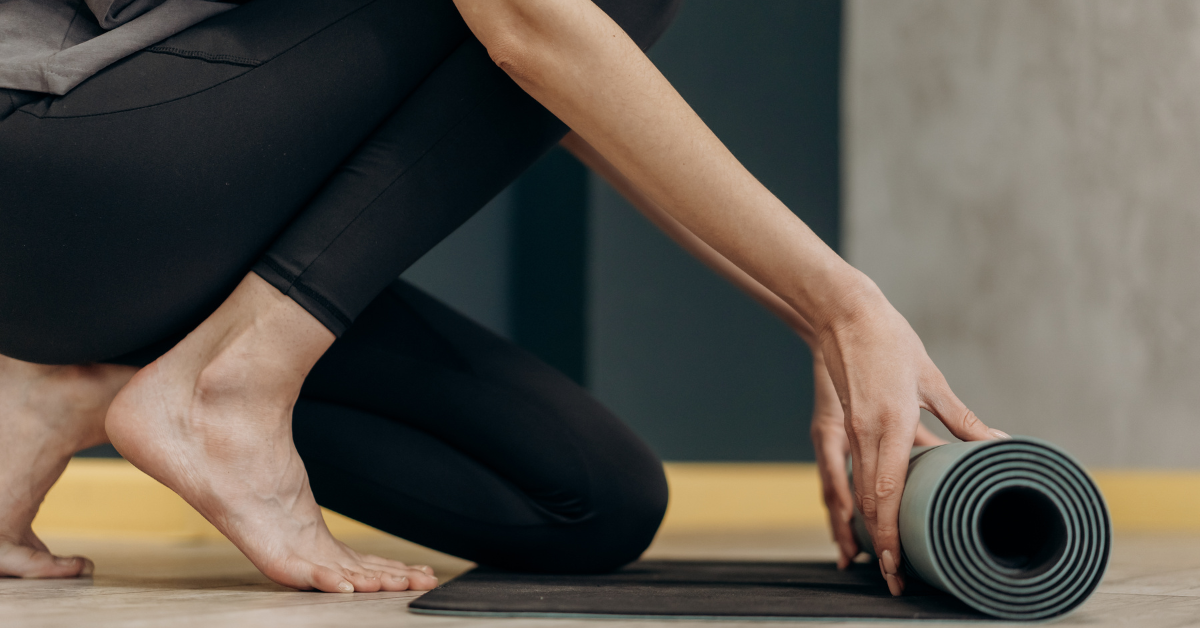
Yoga for Your Knees

Studies have found that yoga reduces knee pain.

Though many might assume that a posture-based physical fitness practice such as yoga, isn’t a good fit. However, research has found quite the opposite to be true.

In a 2013 study published in the U.S. National Institutes of Health’s National Library of Medicine, researchers worked with 30 women who had knee osteoarthritis. Half were assigned to an 8-week yoga program, while the other half were instructed to just carry on with their regular daily activities. For eight weeks, the yoga group participated in 60-minute yoga sessions three times a week.

And the results?

There was a significant difference between pre-and post-yoga practice scores of pain, and symptoms were significantly decreased. While daily activities, sports, spare-time activities, and quality of life were significantly increased.

Another study looked at the effects of yoga exercises on pain, morning stiffness, and anxiety. The researchers closely followed 250 patients with knee osteoarthritis and divided them into a control group that only received physical therapy and an experimental group that received both physical therapy and yoga.

After analyzing the data, the researchers were able to conclude that participating in a yoga practice and physical therapy, resulted in more positive effects than just physical therapy alone. The results also showed a greater decrease in pain, morning stiffness, and anxiety.

As if this isn’t enough data to prove the benefits of yoga on knee pain, a 2016 review looked at six studies on the effects of yoga on osteoarthritis and found that people experienced pain relief and functional improvements as early as 2 weeks after regularly getting on the mat. After seeing consistent data, researchers concluded that yoga could be a medication-free form of treatment that can help relieve pain and improve mobility.

While this is exciting news, it is important to note that research has also found that certain yoga poses (especially single-leg balances) can be stressful on the knees. So it’s important to let your yoga instructor know about your knee issues so that they can help augment your practice.

Though yoga is proven to be beneficial for the knees, sometimes additional treatment is needed as well. Fortunately, there are options beyond just surgery, such as non-invasive procedures like Genicular Artery Embolization (GAE), which we offer here at MidAtlantic Vascular and Interventional.

So talk to your doctor and find out if adding a yoga practice to your treatment plan is right for you. Not only can it improve mobility, walking speed, flexibility, and posture, but you may even get a little more serenity in the process.

Categories
Knee Osteoarthritis

Reducing Pain with Exercise

It may sound counterintuitive, but exercise can reduce knee pain.

Now that doesn’t mean that those of us with osteoarthritis should get out and sprint around the track, or start doing vigorous cross-fit workouts. However, it does mean that it’s important to make safe forms of exercise a part of your daily life, such as walking, swimming, water aerobics, yoga, pilates, moderate cycling, and strength training.

Studies like this one have shown that people who regularly participate in land-based exercises such as walking and strength training routines, rate their knee pain to be 10 to 15% less than people who do not exercise. Even more, those that exercised needed less pain medication, and in many cases, none at all.

Regular exercise strengthens the muscles, and in doing so, leads to better support of the joints. By strengthening the quads, hamstrings, and other muscles that surround the knee- the knee becomes more stable. It will also experience less impact, which as a result, reduces pain.

Even better, exercise triggers the release of feel-good- natural painkillers in our bodies, called endorphins. These neurotransmitters, which are also sometimes referred to as hormones, can decrease pain and trigger a positive feeling in the body.

If knee pain discourages a person from being active, it just leads to joint stiffness and muscle weakness, which in turn, creates even more pain. Therefore, by regularly moving the knee through exercise, the knee joint and surrounding muscles remain limber, with an increased range of motion and functionality.

When it comes to exercising with knee issues, it’s always best to consult with your doctor first. Different issues may have certain limitations when it comes to exercise. For example, cycling could be ok for some, but not for others. As well as certain types of weight lifting. By checking with your doctor or physical therapist, you can make sure that you aren’t doing anything to make your knee issues worse and exacerbate pain.

Lastly, knee pain isn’t something you just have to learn how to live with. There are solutions. Exercise can help, and in some cases surgery is necessary. However, in recent years knee pain is successfully being resolved using a minimally invasive procedure such as Genicular Artery Embolization.

So take action, and you’ll be walking comfortably in no time.

For more information on GAE or to schedule an appointment, call us at 301-622-5360 and check out our website today.

Categories
Knee Osteoarthritis

Wearing the Right Shoes

The hips and knees are our largest joints and they are responsible for supporting our entire body. Because of this fact- wearing the right kind of shoes is critical, and can help you to avoid all sorts of issues with your hips, back, ankles, feet- and most of all, knees.

In order for your knees to function properly, they need to be in alignment with your hips and feet. Sometimes wearing the wrong shoes can change that alignment, which in turn forces the knees to work harder. For example, a shoe with a high heel that changes the angle of the foot forces your weight forward. This forward push on the knees keeps them tense and puts continuous pressure on the kneecap.

In fact, researchers at Iowa State University conducted a study where they measured and compared the forces on the knee of women wearing flat shoes, women wearing 2-inch heels, and women wearing 3.5-inch heels.

The results of the study found that the women who regularly wore high heels had an increased risk of knee osteoarthritis, and knee joint degeneration. Furthermore, they found that the higher the heel, the greater the frequency of lower back pain.

Other culprits when it comes to knee pain, are clogs and the wrong type of athletic shoes.

The problem with clogs is that the way they are designed causes them to reduce the natural movement of the feet. This change causes excessive stress on the inside of the knee joints.

As for athletic shoes, it’s important to look for shoes that are well-cushioned with firm soles, and that are designed for the type of activity you are doing. It’s also important that the shoes fit properly.

Walking around in a shoe that is too tight or too loose can cause impair your gait, and thus contribute to knee pain. Shoes that are too tight, can cause you to limp because of foot pain, while shoes that are too loose can change or impair your gate over longer periods of time.

The bottom line, take notice of the shoes you are wearing, and how they make you feel. If you notice your knees feel better or worse in certain footwear, make note of that. It can also be helpful to visit an orthopedic specialist that can help fit you in the proper shoe. Many runners’ stores also have someone on staff that can help you find a shoe that works best for you.

You can also check out this article published by Harvard Medical School to find out more tips on how to find the right shoes.

With a little extra time and effort, getting the right shoes can make a big difference.