
Categories
Enlarged Prostate

Kegels for Men?

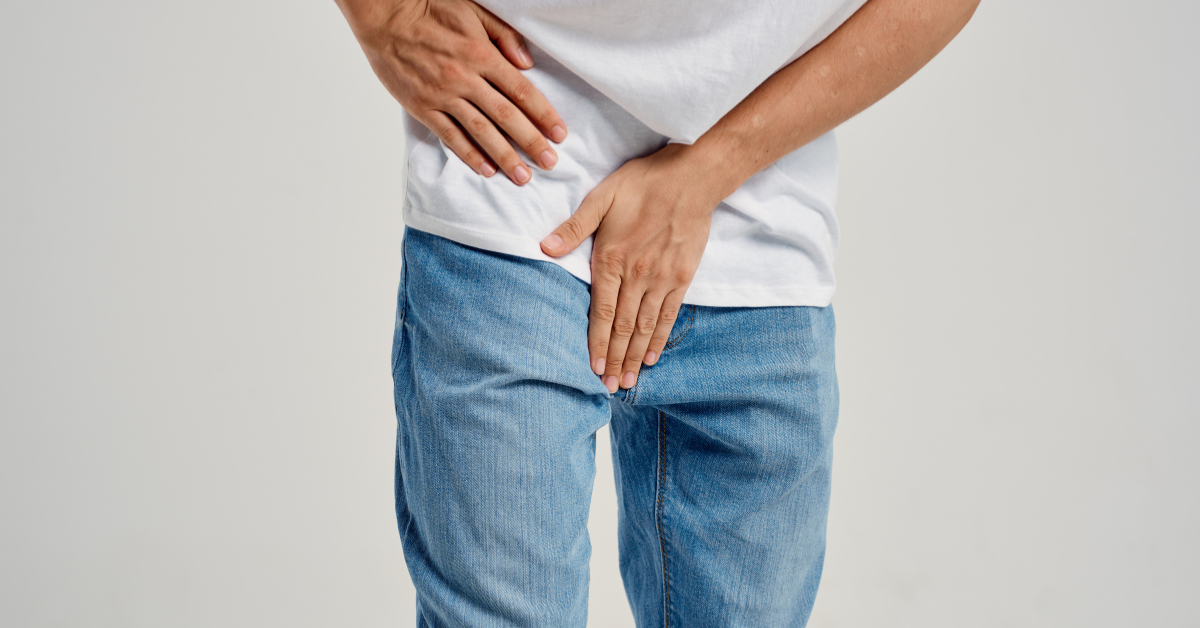
Anyone that’s picked up a women’s magazine or heard any mainstream conversations about women’s health, has probably heard about Kegels. For women, Kegels are contractions of the pelvic floor muscles, that are done in order to help strengthen the muscles that surround and support the bladder, vagina, uterus, and rectum. By doing these exercises, women can strengthen the muscles against bladder leaks, lower back pain, hip pain, and prolapse, and can improve sex. But what about men? Can they do Kegels?

Yes, they can. And they can benefit tremendously by practicing Kegels and strengthening their pelvic floor. So what is a pelvic floor? A pelvic floor is the group of muscles that support the bladder and bowel and affect sexual function. The three muscles that make up this area are the pelvic floor muscle, the bladder, and the sphincter. Through exercising this muscle, studies have shown that it is can be effective at controlling incontinence without medication or surgery. In fact, by strengthening the pelvic floor muscles, more blood is able to flow to the sex organs which can help with erectile dysfunction and can even provide some relief from prostatitis and other prostate conditions.

In 2021, a clinical trial found that training the kegel muscles can offer a range of advantages regarding medical issues. In the study, patients were evaluated in order to study the impact of kegel workouts on the pelvic floor muscles. The goal of the researchers was to find out whether or not these exercises could help prevent urinary and fecal incontinence in patients undergoing radiotherapy for prostate cancer.

What they found, was that there was a drastic improvement in those who practiced regular pelvic floor muscle exercise. Those patients experienced better bowel movements, less urinary problems, less diarrhea, constipation, and fatigue. Other studies have also found kegel exercises to be hugely beneficial in treating urinary incontinence, leakage, as well as erectile dysfunction, and other sex-related problems.

One of the great benefits of Kegel exercises is that they can be done even while sitting in front of a desk at work. Though there are various types of kegel exercises that can strengthen a weak pelvic floor, the most common technique involved clenching and releasing the muscles that are used to keep from passing gas and urine. To find these muscles, a good approach is to practice stopping urination midstream and take notice of the muscles that provide that for you. These muscles that you used to stop the urine flow are your pelvic floor muscles. And therefore, these are the muscles that you will clench and release in order to practice kegel exercises.

So practice Kegels, and know that in doing so, you can strengthen your pelvic floor muscles, and get some much-needed relief from prostatitis and other prostate conditions. 
Categories
Enlarged Prostate

Prostate Conditions and Mental Health

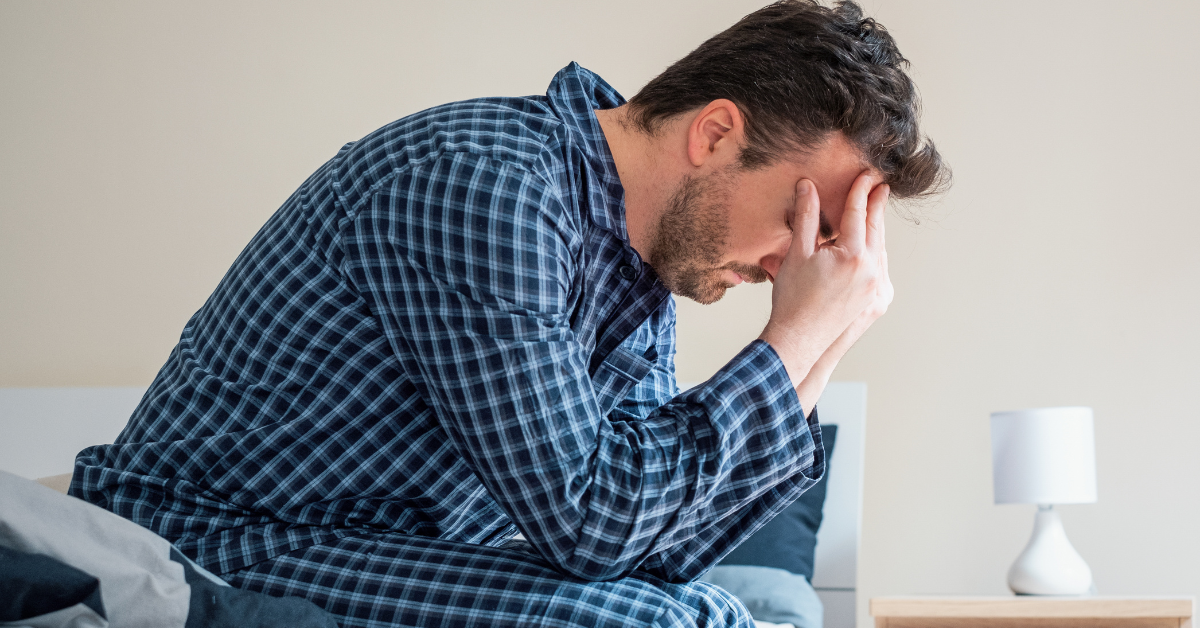
We’ve all experienced the stress of needing to find a bathroom quickly to relieve our bladder. Whether that’s after being in the car for a long time, on a plane, or waiting in line somewhere. However, as one of the primary symptoms for men with prostate issues, this experience can be acutely stressful during the waking hours, and can also interrupt sleep, thus adding to mental distress as well. But this isn’t the only troublesome symptom that men with prostate conditions experience that can affect their mental health. Let’s take a look at the most common prostate conditions, and what, if any, impact their symptoms can have on mental health.

Enlarged Prostate or BPH

The most common symptom of prostate enlargement is Lower Urinary Tract Symptoms (LUTS). The symptoms of LUTS include increased frequency of urination, increased urgency of urination, and needing to urinate more often during the night. Other symptoms that exist alongside an enlarged prostate, involve issues emptying the bladder, such as a weak urinary stream, hesitancy when trying to urinate, dribbling of urine after you have finished urinating, and incomplete emptying of the bladder.

These symptoms are annoying at best, but at their worst, they can create tremendous amounts of stress and may be a source of anxiety and depression in men. The stress of needing to constantly get to a bathroom, and having to get up multiple times throughout the night, can lead to mood changes and exhaustion and can exacerbate other mental and physical health issues.

Prostatitis

Prostatitis is an infection or inflammation of the prostate gland. Prostatitis also causes, amongst other troublesome symptoms, difficulty urinating, pain and discomfort, as well as a lowered sex drive.

Experiencing prostatitis can be painful, stressful, and difficult to treat. This reality can often lead to feelings of hopelessness in men afflicted with prostatitis. These feelings and experiences can not only exacerbate anxiety, they may even lead to the development of depression.

Prostate Cancer

Men that are diagnosed with prostate cancer are at a higher risk of experiencing mental health issues, such as anxiety and depression. Not only are the symptoms a contributing factor, but more often than not, a cancer diagnosis, in general, is enough to incite feelings of anxiety and stress. These feelings over time can develop further leading to depression and other stress-related health problems.

Though all of the symptoms related to prostate conditions can adversely affect mental health, there are many ways to lessen their impact.

In the case of enlarged prostate issues, there are several things that can be done to relieve symptoms. By speaking with your doctor, you can determine the best course of action. This can be everything from diet and lifestyle changes, medications, and potentially the non-invasive procedure, Prostate Artery Embolization- which, has a high rate of success, with over 90% of men experiencing relief in the first year. When it comes to prostatitis, the key is to remember that there is a solution. It may take time to uncover the cause, and find the most effective treatment- but it is treatable. And, once the right treatment is found, it can relieve symptoms more often than not, completely. In the case of a prostate cancer diagnosis, knowledge is key. Just knowing how common prostate cancer is in men, and how often it is successfully treated, is a great start towards shifting the thoughts and feelings associated with it. There are also various support groups that can be found online that have proven to be very helpful.

Regardless of the diagnosis, seeking out professional mental health counseling and treatment can be extremely beneficial. Talking to someone about the thoughts and feelings that come up regarding your prostate condition, can help provide relief and a framework for further recovery. In some cases, it may be helpful to speak with a psychiatrist who can help treat anxiety and depression with medication.

The bottom line is that your thoughts feelings and experiences surrounding your prostate problems are valid. Feeling stressed, and having an increase in anxiety and depression is not uncommon, and there is no shame in asking for help.

Categories
Enlarged Prostate

Prostatitis. What is it? And How is it treated?

Did you know that half of all men will experience the symptoms of prostatitis at some point in their lives? In fact, prostatitis is the most common urinary tract issue in men under 50, and it is estimated that more than two million men seek treatment for prostatitis symptoms every year. So what is prostatitis?

Prostatitis is the term given to inflammation or infection of the prostate gland. It is often detected due to urinary symptoms caused by the inflamed prostate, which surrounds the urethra. Though there are several different types of prostatitis, the common symptoms associated with it are:

Pain or burning sensation when urinating. Difficulty urinating. Frequent urination, particularly at night. Urgent need to urinate. Cloudy urine. Blood in the urine. Pain in the abdomen, groin, or lower back. Pain in the area between the scrotum and rectum. Pain or discomfort of the penis or testicles. Painful ejaculation. Fever, chills, muscle aches, and other flu-like symptoms.

Prostatitis is not contagious and is not transmitted during sex. And diagnosing it can be tricky because other problems such as prostate cancer or an enlarged prostate need to be ruled out before an accurate diagnosis can be made. In order to determine this, the doctor performs a physical exam, including a rectal exam. Depending on the symptoms, the doctor may also test the patient’s urine and semen for infection.

There are four classifications of prostatitis: acute bacterial, chronic bacterial, chronic prostatitis/chronic pelvic pain syndrome, and asymptomatic.

Though the exact cause of prostatitis and its corresponding pelvic pain is not always known, there are several things that can raise the risk of developing it. These include a bacterial infection such as a bladder infection, an infection caused by a catheter, an infection from sex, or an issue within the urinary tract. Prostatitis can also be caused by non-bacterial sources. These include stress, injury, prior urinary tract infections, and nerve irritation or inflammation. 

Fortunately, prostatitis is treatable and curable. Your physician will usually treat it with a few weeks of antibiotics. However, in the case of chronic prostatitis, your doctor might also treat the infection with ibuprofen, an alpha-blocker- to help relax the muscles in the prostate making urination easier, as well as antibiotics.

The bottom line: If you are experiencing any of the symptoms of prostatitis, it’s important to make an appointment with a physician. During your visit, you can discuss your symptoms, and your doctor can rule out if there are any other conditions, such as an enlarged prostate with could be contributing to the problem. If the problem is connected to an enlarged prostate, call us up at MidAtlantic Vascular and Interventional, and we can go over treatment options, such as Prostate Artery Embolization, which we offer here at our office.

Categories
Enlarged Prostate

Spin Classes and Prostate Health

High energy, motivational, and fun, are just some of the words people use to describe attending an exercise bike class, or “Spin Class” as it’s often called. In fact, the influence that uplifting and encouraging spin classes have had has led to a whole slew of Soul Cycle gyms, that offer these classes exclusively. And, during the height of the pandemic, when we were sheltering in place, the company Peloton, made a fortune selling exercise bikes with a screen attached, that allowed people to attend spin classes at home.

But what effect, if any, does all this intense cycling have when it comes to prostate health?

First of all, it’s no secret that a man’s private parts are what make contact with a bike seat. Putting pressure on the area known as the perineum. Located between the pubic bone and the coccyx is the perineum, and just below the skin are nerves and blood vessels that supply the scrotum and penis with blood as well as the prostate gland.

So what, if anything does this pressure from the bike seat, do?

Well, this is highly debatable. Yes, there are studies, such as one published in the Journal of Men’s Health, that found a correlation between hours spent cycling, and the incidence of prostate cancer. The results suggest, that in men over 50, the more hours they spend on the bike, the higher the rates of prostate cancer. However, these results are debatable, given that studies have shown that cycling can increase a man’s PSA level ( prostate-specific antigen), which is often used as an indicator of potential prostate problems, such as cancer. Therefore, in order to avoid a false reading, men should avoid cycling before getting this test.

There is also some evidence that suggests that bike riding, especially rigorous bike riding, can irritate the prostate and could potentially exacerbate and even lead to prostatitis and pelvic pain. This repetitive compression to the perineum from the bicycle seat can also at times, though rarely, cause inflammation of the prostate, and chronic inflammation is known to be a risk factor for cancer and other problems.

So what can be done about this? The solution is rather simple:

  1. If you have prostate problems and you cycle frequently you may find it helpful to discuss the potential impact with your doctor, particularly if you are going to have a PSA blood test.
  2. It’s best to avoid cycling during episodes of prostatitis or chronic pelvic pain syndrome.
  3. Find ways to reduce putting pressure on the perineum and in doing so, the prostate, by wearing padded shorts, standing on the pedals more, and adjusting the bike seat.

The bottom line, biking and spin classes are excellent forms of cardio and have many health benefits, however, using caution and common sense when it comes to biking and prostate health should always be a priority.

Categories
Enlarged Prostate

Drinking Green Tea for Prostate Health

Chances are by now, you’ve heard about the many health benefits associated with drinking green tea. But did you know that drinking green tea is beneficial for your prostate?

Green tea has long been associated with powerful antioxidants called polyphenols, which are believed to positively affect skin health, and weight loss, and can potentially reduce the risk of some cancers and cardiovascular diseases. And, according to several studies, there is also a link between green tea and prostate health.

So what is Green Tea? And where did it come from?

Green tea is believed to have originated in China, and based on a popular legend, it is suggested that Shennong, an Emperor of China, discovered green tea had medicinal benefits as far back as 2737 BC. The legend suggests that he discovered the tea when tea leaves from a nearby tree fell into his cup of freshly boiled water. As the legend goes, he then drank the tea and found that it eliminated toxins from his body and bought about tremendous improvements in his health.

Though it is unlikely that a bunch of green tea leaves magically fell into a cup of boiling water, what is likely, is that the ancient Emperor, who was also a renowned Chinese medicine man, discovered the health benefits of this rather common tea and spread that knowledge to others. Thus making it a cultural staple in China, as well as Japan, and now, many other regions of the world.

Most studies regarding green tea and its effect on overall cancer prevention have been somewhat inconclusive, however, there have been some studies that concluded that consuming this popular tea, can help in the prevention of prostate cancer.

At the City of Hope Comprehensive Cancer Center, physician Sumanta Pal, MD reviewed the results of an Italian study that found that men who had a precursor to prostate cancer and drank green tea daily, were less likely to get prostate cancer.

Commenting on these results, Dr. Pal, said “Studies such as this are critical to confirm or support a plausible explanation for how green tea may work,” however, he like many other researchers, believes that more studies are needed before making any diet recommendations for the use of green tea in the prevention in certain types of cancer.

So the jury is still out regarding the impact that green tea has on cancer prevention, however, there is evidence to suggest that drinking green tea can contribute to prostate health. Studies have found that regularly consuming green tea, helps to reduce inflammation of the prostate, so as to reduce the pressure it can put on the urethra.

Green tea has also been discovered to have anti-bacterial and anti-viral properties, which can help protect the bladder from infections. This is especially important for men who have an enlarged prostate, as the impact it can have on emptying the bladder completely, can leave excess urine to grow stagnant and increase the likelihood of a bacterial infection.

The bottom line, adding green tea to a diet and lifestyle, can benefit a man’s overall health. With its potent antioxidants, regular consumption of green tea can contribute beneficially to prostate health by boosting the immune system and reducing inflammation. And, though more studies are needed, there is some evidence out there that suggests that drinking green tea can help slow the growth of prostate cancer, and in some cases, potentially prevent it from forming.

As more research continues to be done regarding the cancer-fighting benefits of green tea, one thing is for sure- when it comes to reaching for a healthy beverage, a soothing cup of green tea is an excellent choice.

DISCLAIMER: When consumed in moderation, green tea is safe for most people. However, please check with your doctor before consuming it, if you have an iron deficiency, or are on medications, especially those for anxiety disorders or heart conditions.

Categories
Enlarged Prostate

Underwear…To Wear, or Not To Wear

When it comes to maintaining a healthy prostate, does it matter if you wear boxers or briefs, or no underwear at all?

It is estimated that 5-7% of men, do not wear underwear. Many do this because they think it’s more comfortable, but is it also better for your prostate health?

Not necessarily, but there is some research to show that tight-fitting underwear could have adverse effects.

In 2018, the medical journal, Human Reproduction, published the results of a study on the impact that tight underwear has on male fertility. Though more research on the topic is needed, researchers found that there was a 25% higher sperm concentration in men who were boxer briefs, as opposed to men that wore tighter-fitting underwear. Scientists believe this is due to the fact that tight underwear increases the temperature of the scrotum, which affects the body’s production of sperm. 

Though there is some evidence to suggest that tight underwear can affect sperm count, there is also evidence to suggest that going without underwear, or “going commando” as it’s often called, could have its own issues as well.

These issues can range from hygienic issues due to easy exposure to bacteria, chafing from being without a layer of added protection, and a higher risk of injury without the barrier of some type of underwear. However, most experts agree, that it all comes down to personal preference.

Will tighter underwear or boxer briefs cause prostate issues?

Not necessarily. But anything that restricts blood flow to your groin area can be potentially problematic. So the better choice overall is wearing slightly looser-fitting cotton boxers or boxer briefs. This is especially true when experiencing the effects of an enlarged prostate, be it something that’s just a normal product of aging, or something that needs to be treated.

Categories
Enlarged Prostate

Prostate Cancer: The Warning Signs

When it comes to prostate health, it’s important to be aware of the warning signs that could signal prostate cancer.

Chances are if you’re over 50, you’re familiar with this health issue that affects so many men each year.  

Second, only to skin cancer, prostate cancer is the most common cancer among American Men.

In fact, the American Cancer Society’s estimate for the number of prostate cancer cases in the United States this year is about 268,490.

Their statistics also show that one out of eight men will be diagnosed with prostate cancer during their lifetime. And in roughly six out of 10 cases, the diagnosis is in men that are over 65.

So what are the early signs and symptoms of prostate cancer?

Early symptoms of prostate cancer can mirror those of an enlarged prostate which is typically benign and treatable. Often patients with both will experience:

Difficulty Urinating
Loss of Bladder Control
Decreased flow of urine stream
Frequent Urination
Inability to empty bladder completely

However, signs of prostate cancer will usually include: Some early prostate cancer signs include:

Burning or pain during urination
Blood in urine 
Blood in semen
Erectile dysfunction
Painful ejaculation

Warning signs that are specific to prostate cancer will usually include: 

Burning or pain during urination
Blood in urine
Blood in semen
Erectile dysfunction
Painful ejaculation

If the cancer is left untreated and becomes more advanced, some of the symptoms related to that are:

Swelling in legs or pelvic area Numbness or pain in the hips, legs, or feet Bone pain that persists or leads to fractures

All of this is to say that if you are experiencing one or more of the warning signs of prostate cancer, it is highly recommended that you consult a qualified physician immediately.

Though prostate cancer is extremely common, there is a chance that your symptoms may be indicative of another, less serious condition. Either way, getting more information is always the best approach- and if it is prostate cancer, it is much easier and more successfully treated when detected early on.

For more information on prostate cancer and how it is diagnosed, check out the Center for Disease Control and Prevention’s page on prostate cancer. 


Categories
Enlarged Prostate

Enlarged Prostate:  What’s Normal and What’s Not

One of the most common symptoms of an enlarged prostate is frequent urination.

Unless you’re drinking excessive amounts of water before bed, if you find yourself needing to urinate throughout the night, this could signal that you may be experiencing the effects of benign prostatic hyperplasia, also known as an enlarged prostate.

But what exactly is a prostate? And what does it have to do with urinating?

The prostate is a small gland that is part of the male reproductive system. It is responsible for aiding in the production of fluid that carries sperm from the testicles and helps to push semen through the urethra during ejaculation. The prostate is located below the bladder and in front of the rectum and surrounds part of the urethra.

Typically the prostate is about the size and shape of a walnut, however, as a man ages, it is normal for the prostate to become larger. Though it is normal for the prostate to grow, sometimes this growth can be excessive to the point where it can cause problems with urination.

This growth and its impact on urination are so common, that on average about 8 out of 10 men will eventually experience it. However, only around 30% will find these symptoms to be bothersome enough to consult their doctor.

The growth of the prostate is commonly referred to as benign prostatic hyperplasia or BPH. Unfortunately, BPH can not be prevented, however, just like with the rest of the human body, diet, and lifestyle can definitely play a part in its health.

So what are the signs of an enlarged prostate, and when should an appointment be made with your doctor?

The most obvious sign of prostate enlargement is its impact on urination, especially at night. Some of the other symptoms you may experience are:

Straining to urinate.
Stopping and starting during urination.
Feeling the need to urinate when you don’t actually need to. Inability to empty the bladder completely.

It is important to see your doctor if you have symptoms of BPH, especially if you are under the age of 40. Although it’s fairly uncommon, it is possible for enlarged prostate to lead to serious problems such as bladder or kidney damage. If your symptoms are bothersome, your doctor will work with you to find a treatment that is best. This could be medicine, lifestyle changes, or in more extreme cases, surgery.

The bottom line, an enlarged prostate is common, and it is normal for the prostate to grow with age. However, if you are experiencing any discomfort or symptoms of an enlarged prostate, it is best to see your doctor.

An enlarged prostate is not the same as an infection or inflammation of the prostate, however, some of the symptoms can be similar. So the earlier these issues are detected and treated, the better.


Categories
Knee Osteoarthritis

Best Swimming Strokes for Knee Pain

You may have read this previous article about the best forms of exercise for people with knee osteoarthritis. The forms we covered are stretching, walking, cycling, and one of the very best exercises for knee pain, swimming.

Today we are going to take a deeper look at the benefits of swimming.

Swimming is a low-impact cardiovascular form of exercise that has been shown to reduce joint pain and stiffness associated with osteoarthritis. Even more, it can also improve muscle strength and functional capacity in middle-aged and older adults with osteoarthritis-related knee issues.

We know swimming has been proven to be a beneficial form of exercise for people with osteoarthritis, however, when it comes to the type of stroke one does, some are very beneficial while others can be problematic and do more harm than good.

So let’s dive a little deeper and take a look at the main swimming strokes and their impact on the knees.

Front Crawl:

This stroke is not only the fastest most efficient swimming stroke, but it also happens to be one of the best for healing osteoarthritis pain. In order to get the full benefits of this stroke, it is important to make sure you are using the correct technique. There are plenty of online videos and tutorials to help you with this. It can also be beneficial to spend some time with a more experienced swimmer, coach, or teacher. They can help make any proper adjustments to make sure you are getting the most out of the stroke.

Backstroke:

This stroke is also one of the faster strokes and is great for stretching the shoulders and for exercising the knees. Just like the front crawl, swimming the backstrokes forces the leg to travel in a straight line, kicking from the hip. The lack of sideways movement means that both of these strokes are ideal for people with knee osteoarthritis.

Now for the strokes to avoid:

Butterfly:

The first one is the easiest to avoid because it is by far the most difficult to do. And that is the Butterfly.

Not only is the butterfly the most difficult stroke, but when it comes to people with osteoarthritis, this stroke can be downright harmful.

The problem is the type of kick that is part of the butterfly stroke. Oftentimes referred to as the “dolphin kick”, it requires that the feet and knees remain together, kicking up and down in unison. This motion, which helps propel the body out of the water while the arms rotate forward more often than not, can cause an increase in knee pain.

Breastroke:

The other stroke to avoid if you have knee issues is unfortunately one that most people tend to prefer the most, and that is breaststroke.

Swimming breaststroke puts excessive side-to-side and rotational forces on the joints and may be difficult to do if the joint is unstable. Not only is this kick difficult to do with knee pain, but it can be harmful and make knee issues worse.

The preferred direction of force is to keep the leg straight and bend the knee. This is why a kick, as done in front crawl and backstroke, is preferable for those with knee issues.

This isn’t to say that you absolutely can not do the breaststroke, but it is to say to proceed with caution, and when doing longer swimming sets, be sure to do the other strokes as well.

When done regularly and correctly, you should notice that your joints are likely to be much less stiff after a swim than when you entered the pool. This is especially true if you swim in warm water. When warm water and physical activity are combined, it can help increase blood flow throughout the body- which in turn, can help carry more nutrients and oxygen to all of the joints and lubricate them to move more fluidly.

So there you have it, swimming is a great way to help relieve the symptoms of osteoarthritis in the knees- however, when it comes to swimming with osteoarthritis, it’s important to remember that not all strokes are created equal. Sticking with the front crawl and backstroke is the best bet, and getting a little help to ensure proper technique can go a long way both in and out of the pool.

For more helpful tips on how to use swimming to reduce knee pain, you can check out this website.

Categories
Knee Osteoarthritis

Genicular Artery Embolization for Knee Pain

Here at MidAtlantic Vascular and Interventional, we are excited to offer a solution to osteoarthritic knee pain – called Genicular Artery Embolization.

Let’s look a little further into what GAE is, and what to expect before, during, and after the procedure.

GAE is a minimally invasive procedure that offers highly effective and long-lasting relief of the pain caused by osteoarthritis in the knee. Most of the pain of osteoarthritis is from inflammation caused by abnormal blood vessels that develop in the lining of the joint, known as the synovium. GAE is able to fix this issue by blocking these abnormal blood vessels, thus relieving inflammation and pain.

Genicular artery embolization is performed by our highly-skilled Interventional Radiologist, who will begin by inserting a small catheter into a needle-size puncture in the leg. Then, using x-ray technology and other imaging modalities, the doctor will guide the catheter into the blood vessel that supplies the joint. Next, tiny microsphere particles are slowly released through the catheter and into the artery which supplies blood flow to the abnormal vessels.

These particles create a blockage, and in doing so, reduce the inflammation and corresponding pain associated with knee osteoarthritis. , which slows blood flow to the joint, and thus reduces inflammation and pain.

Unlike the estimated 800,000 knee replacement surgeries performed each year in the US, GAE is a non-invasive outpatient procedure. The entire procedure usually takes around 2 hours to complete, and does not require general anesthesia but instead uses conscious sedation through an IV and a numbing anesthetic at the fold of the knee.

Given that there is no incision to heal or stitches to be removed, the risk of bleeding and other complications is much lower than with invasive surgery.  Even better, patients who undergo GAE have consistently reported a significant reduction in pain scores and in the use of pain medications. And- they also have reported a significant increase in flexibility, mobility, and overall functionality of the knee.

Not only is the recovery from GAE faster than the surgical methods of resolving osteoarthritis, but its improvements are experienced quickly. In fact, in most cases, relief begins to occur within two weeks.

As for the long-term effects of GAE,  data from clinical studies performed in the last 10 years has shown that GAE may provide lasting pain relief and functional improvement for some patients, however, initial results point toward durability of response between six and 24 months. Patients should work with their physician on the direction of their future treatment if any pain returns.  However, each case is different.

The bottom line is, GAE works. It really does.

So, instead of spending months recovering from invasive knee surgery, call us and see if GAE is right for you. And we can have you feeling better, walking better, and even looking better in no time.