
Categories
Enlarged Prostate

To Stand or Not To Stand

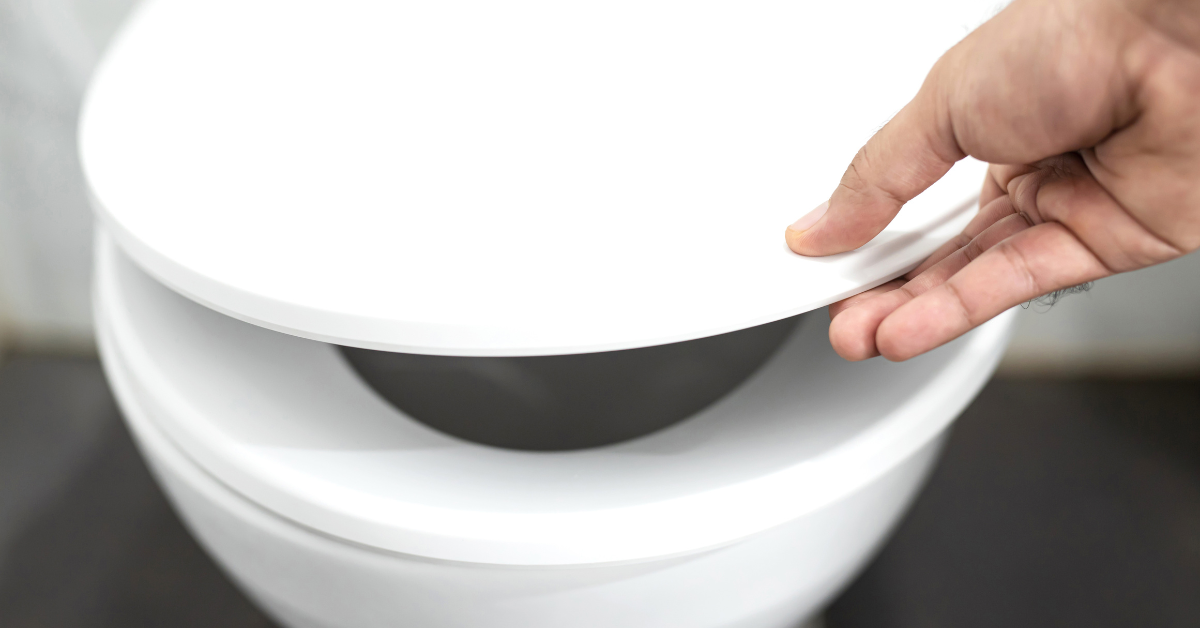
Believe it or not, when it comes to urinating with prostate issues- sitting down may be the best choice.

According to research from the Leiden University Medical Centre in the Netherlands, “sitting down to pee allows for a more favorable urodynamic profile”. This means, roughly, the flow of uring is stronger which can help keep prostate symptoms at bay.

Researchers found that when men stand at a urinal, muscles around the lower abdomen, pelvis, and spine are activated- which can actually prevent proper and complete urination- and, in turn, adversely affect the prostate.

This kind of study isn’t new. The researchers stated that “Ever since men had the choice to urinate either standing or sitting, the optimal voiding position ( squatting) has been a topic of discussion.” However, they acknowledged that “Only a handful of studies have investigated the effects of voiding posture on urodynamic parameters by comparing the standing versus the sitting position.” Therefore they went further and conducted a meta-analysis of studies regarding Lower Urinary Tract Symptoms ( LUTS).

After analyzing a whopping 2,352 publications and 96 studies, the team was able to narrow down the material to the most viable studies.

What did they find?

They found that the findings were consistent across each study, saying “We found that in patients with LUTS the sitting position is associated with a trend towards a more favorable urodynamic profile.” The profile confirmed each measure they hypothesized about: When men with LUTS sat down to urinate, they did so faster, longer, at a greater pressure, and released more urine than men with LUTS who stood.

Sitting down to urinate is especially beneficial to older men with prostate problems. According to urologist Jamin Brahmbhatt M.D., in an interview published in the online publication Fatherly, “Men may start peeing sitting if their prostates are large and they need to help relax the pelvic muscles in an effort to help push the urine out.” As a result of emptying their bladders more effectively, these men can reduce the risks of cysts and a bevy of other health complications.

In Japan, a new study has shown that since the beginning of the pandemic more Japanese men than ever, are sitting down for relief. The study found that 70% of men sit, compared to 51% a few years back. There is also evidence to support a cultural change surrounding the habit in Germany, France, Sweden, The Netherlands, and Taiwan.

Though there are many health benefits to sitting versus standing, let’s not overlook another contributing factor as to why more men are sitting down to pee- many mothers and partners want them to. Why? It’s quieter, it’s cleaner, and they never have to tell you to put down the toilet seat, again.

So whether you sit or stand to urinate, is ultimately up to you. However, if you do have a prostate condition, or are struggling with LUTS, maybe give sitting down the old college try. It could help you feel better, sleep better, and… it could make your partner happy to never have to put the seat down again.
Categories
Enlarged Prostate

Prostate Conditions and Mental Health

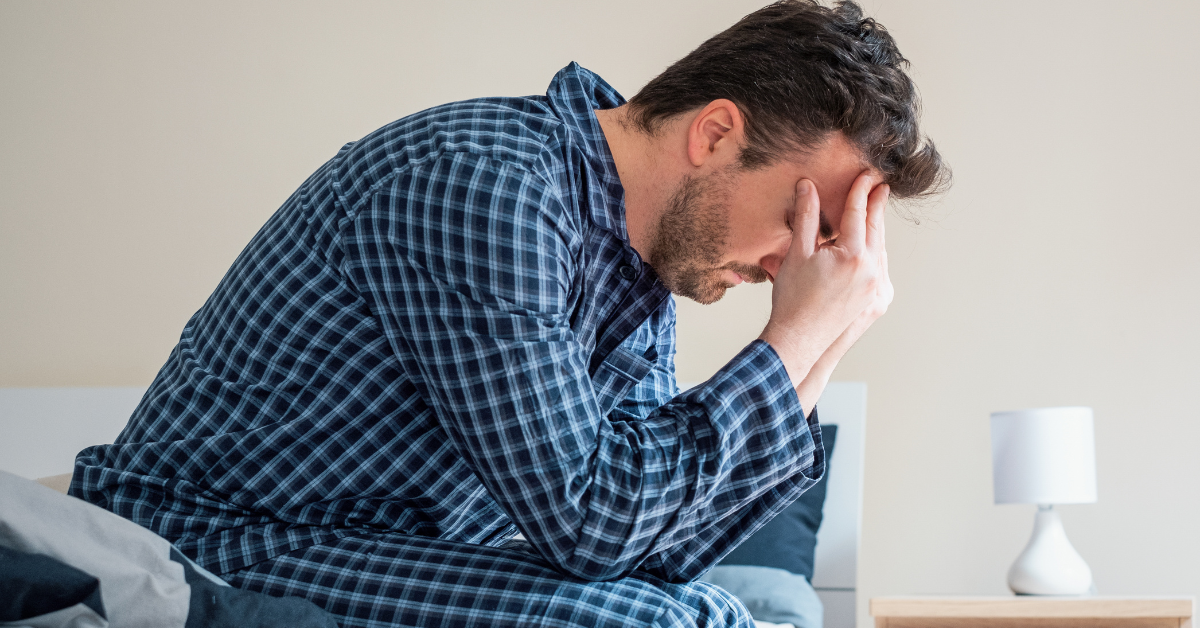
We’ve all experienced the stress of needing to find a bathroom quickly to relieve our bladder. Whether that’s after being in the car for a long time, on a plane, or waiting in line somewhere. However, as one of the primary symptoms for men with prostate issues, this experience can be acutely stressful during the waking hours, and can also interrupt sleep, thus adding to mental distress as well. But this isn’t the only troublesome symptom that men with prostate conditions experience that can affect their mental health. Let’s take a look at the most common prostate conditions, and what, if any, impact their symptoms can have on mental health.

Enlarged Prostate or BPH

The most common symptom of prostate enlargement is Lower Urinary Tract Symptoms (LUTS). The symptoms of LUTS include increased frequency of urination, increased urgency of urination, and needing to urinate more often during the night. Other symptoms that exist alongside an enlarged prostate, involve issues emptying the bladder, such as a weak urinary stream, hesitancy when trying to urinate, dribbling of urine after you have finished urinating, and incomplete emptying of the bladder.

These symptoms are annoying at best, but at their worst, they can create tremendous amounts of stress and may be a source of anxiety and depression in men. The stress of needing to constantly get to a bathroom, and having to get up multiple times throughout the night, can lead to mood changes and exhaustion and can exacerbate other mental and physical health issues.

Prostatitis

Prostatitis is an infection or inflammation of the prostate gland. Prostatitis also causes, amongst other troublesome symptoms, difficulty urinating, pain and discomfort, as well as a lowered sex drive.

Experiencing prostatitis can be painful, stressful, and difficult to treat. This reality can often lead to feelings of hopelessness in men afflicted with prostatitis. These feelings and experiences can not only exacerbate anxiety, they may even lead to the development of depression.

Prostate Cancer

Men that are diagnosed with prostate cancer are at a higher risk of experiencing mental health issues, such as anxiety and depression. Not only are the symptoms a contributing factor, but more often than not, a cancer diagnosis, in general, is enough to incite feelings of anxiety and stress. These feelings over time can develop further leading to depression and other stress-related health problems.

Though all of the symptoms related to prostate conditions can adversely affect mental health, there are many ways to lessen their impact.

In the case of enlarged prostate issues, there are several things that can be done to relieve symptoms. By speaking with your doctor, you can determine the best course of action. This can be everything from diet and lifestyle changes, medications, and potentially the non-invasive procedure, Prostate Artery Embolization- which, has a high rate of success, with over 90% of men experiencing relief in the first year. When it comes to prostatitis, the key is to remember that there is a solution. It may take time to uncover the cause, and find the most effective treatment- but it is treatable. And, once the right treatment is found, it can relieve symptoms more often than not, completely. In the case of a prostate cancer diagnosis, knowledge is key. Just knowing how common prostate cancer is in men, and how often it is successfully treated, is a great start towards shifting the thoughts and feelings associated with it. There are also various support groups that can be found online that have proven to be very helpful.

Regardless of the diagnosis, seeking out professional mental health counseling and treatment can be extremely beneficial. Talking to someone about the thoughts and feelings that come up regarding your prostate condition, can help provide relief and a framework for further recovery. In some cases, it may be helpful to speak with a psychiatrist who can help treat anxiety and depression with medication.

The bottom line is that your thoughts feelings and experiences surrounding your prostate problems are valid. Feeling stressed, and having an increase in anxiety and depression is not uncommon, and there is no shame in asking for help.