Categories
Knee Osteoarthritis

Warming Up with Dynamic Stretching

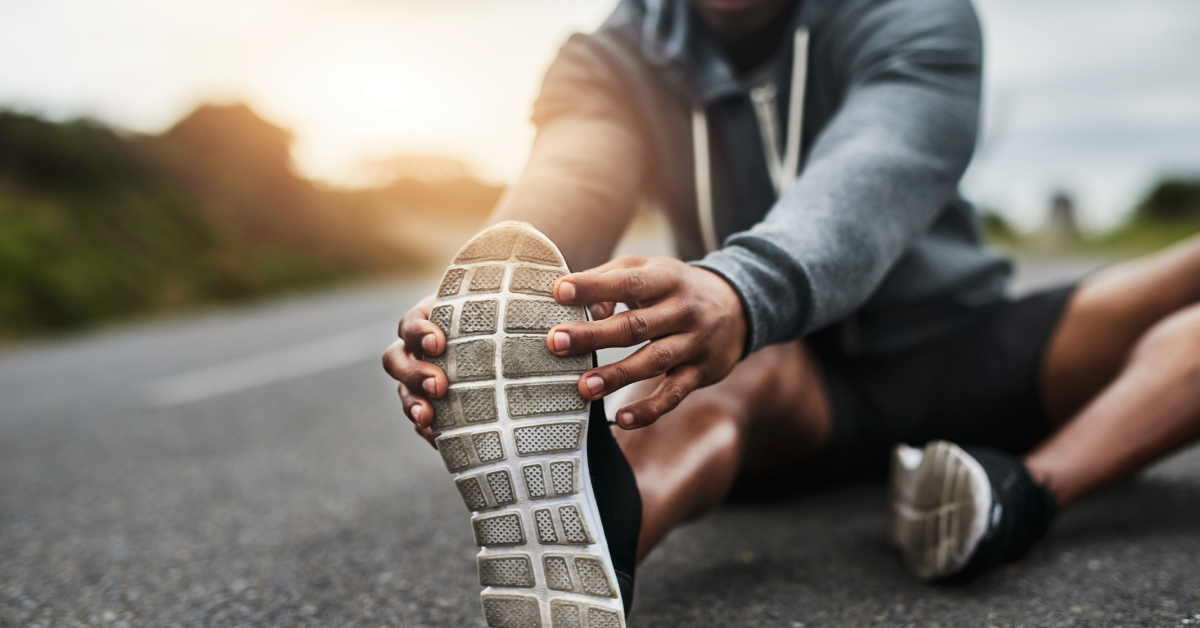
Dynamic stretching is a movement-based type of stretching that uses the muscles themselves in order to bring about a stretch.

Unlike static stretching, in which a stretch is held for a period of time, dynamic stretches can be functional and even mimic the movements of the activity or exercise you’re about to perform.

Both static and dynamic stretching are excellent additions to any exercise plan.

Static stretches are most likely the type of stretching that you encounter most frequently in day-to-day life.

It’s that first stretch when you get out of bed, or the stretch when you stand up from your desk at work.

It is also the type of stretching that is practiced as part of a yoga routine and can even lead to an increase in relaxation as well as an increased feeling of calmness and peace.

Some of the most common static stretches are:

  • Hamstring Stretches
  • Quadricep Stretches
  • Posterior capsule stretch

Both static and dynamic stretches can boost circulation, increase flexibility, prevent injury, and lead to a smoother and more productive workout.

It’s also important to note that when practiced regularly, both types of stretches can help decrease knee pain, increase mobility, and lead to an overall improvement in quality of life.

While static stretching has many benefits these types of stretches do little to actually warm up the body in order to prepare it for a workout. Therefore it’s important to incorporate both types of stretches into your daily routine.

Movement-based, dynamic stretches are also proven to increase energy levels, strength, and range of motion, and, they can be easily incorporated into your everyday routine.

However, before adding static and dynamic stretching to your exercise routine, it is always best to consult with your doctor to find out if there are any stretches that you might need to avoid or make adjustments to.

In our next article, we will take a look at a few dynamic stretches that with your doctor’s OK, you may wish to try at home.

Categories
Fibroids

The Mental Health Impact of Fibroids

Studies have found that women with symptomatic uterine fibroids can experience higher rates of depression, anxiety, and self-direct harm. This is especially true for women experiencing physical pain, and for women who are experiencing emotional difficulties as a result of a hysterectomy.

In 2022, the Journal of Epidemiology and Community Health published the results of a study on depression, anxiety, and self-directed violence in women with fibroids, especially those experiencing pain or who have had a hysterectomy.

The study also screened its participants, eliminating those that prior to their diagnosis with uterine fibroids, had a prior diagnosis of depression, anxiety, or a history of self-violence. Women who had been prescribed anti-anxiety or anti-depressant medication were excluded from the study.

Once the participants were selected, the study compared 313,754 women aged 18-50 that had been diagnosed with uterine fibroids with 627,539 who did not have fibroids.

What they found was that the women who had been diagnosed with uterine fibroids had much higher rates of anxiety, depression, and self-directed violence than those that did not have fibroids.

The researchers of this study also found evidence to support that there may be a link between chronic pain and depression.

Though the exact reason for this connection needs to be studied more, most experts agree that the connection could be due to similar biological mechanisms in patients with both chronic pain conditions and depression, as well as anxiety.

Another interesting finding of this study was significantly higher rates of symptomatic uterine fibroids in African American women.

Not only did the African American participants have higher rates of uterine fibroids with worse symptoms, but they did so at younger ages, and were more likely to have hysterectomies. For more information on this, you may wish to check out this previous article.

Though the study found that African American women experienced greater health challenges related to uterine fibroids, those in the study had lowered rates of diagnosed depression and anxiety.

The authors of the study purported that the lower rates of mental health issues amongst this particular group could be inaccurate due to a remaining stigma when it comes to getting help for mental health issues amongst African-American women.

Their theory was developed based on evidence in past studies that found that African American women, due to the stigma around mental health issues, are less likely to report symptoms even though studies have shown that they have higher loads of stressors than White women due to racial disparities, and other factors.

The bottom line is that no woman should have to suffer the physical, mental, and emotional impact that uterine fibroids can have on their life.

Therefore, if you or a loved one are experiencing fibroid symptoms or fibroid symptoms that coexist with chronic pain, depression, or anxiety, it’s important that you speak with your doctor, or call us here at MidAtlantic Vascular and Interventional, and together we can find the right treatment method for you.

Categories
Enlarged Prostate

PAE and Sexual Function

Prostate artery embolization does not carry the same risk of sexual dysfunction as other treatment methods for an enlarged prostate.

Prostate surgeries such as transurethral resection of the prostate, also known as TURP, can result in damage to the nerves and muscles surrounding the bladder. This, in turn, can result in a condition where during ejaculation, the semen flows backward into the bladder.

This backward flow of semen is known as retrograde ejaculation, which is estimated to affect as many as 65-75% of men following the TURP procedure.

So does prostate artery embolization carry any risk of sexual problems?

Of course, there are many factors that can contribute to erectile problems and sexual dysfunction, but the procedure of prostate artery embolization usually is not one of them.

A study published in the International Journal of Clinical Practice, called “Sexual and functional outcomes of prostate artery embolization: A prospective long-term follow-up, large cohort study” took a further look at the effect that prostate artery embolization can have on sexual function.

This particular study involved 147 patients with a mean age 72.5 years, that were treated with PAE.

The researchers followed up with each patient 12 months after the PAE procedure and measured their International Prostate Symptom Score (IPSS), IPSS quality of life (QoL), prostate volume determination, and Sexual Health Inventory for Men (SHIM). They also accessed ejaculatory function and medication utilization.

The data from the 12-month follow-up showed that the mean IPSS and QoL scores significantly decreased, and all the objective parameters (mean Qmax, PVR, and prostate volume) reported a significant improvement.

Not only that, but at 12 months antegrade ejaculation was preserved, and they even reported a slight improvement in IIEF scores (International Index of Erectile Function).

126 of the patients were also followed up with 18 months after PAE, and it reported significant improvement of all the variables evaluated (even for PSA values and IIEF scores). No major complications occurred.

Another study, published in The Journal of Sexual Medicine reviewed the records of 83 consecutive patients undergoing PAE.

Multidisciplinary follow-ups included the same measurements taken during the previous study such as IPSS, QoL, and IIEF scores.

The results of their research determined that of the 83 patients, none of them developed retrograde ejaculation. They also found that for those taking medication prior to PAE, many no longer needed it.

The study concluded that

“PAE represents a novel treatment strategy for symptomatic BPH that significantly reduces symptom burden, prostate volume, quality of life, and medication utilization. As our data suggest, PAE may actually improve sexual function for many patients.”

Not only does PAE have the advantage over TURP, in that it is associated with a decreased risk of urinary complications and sexual side effects such as retrograde ejaculation and erectile dysfunction, but it has even more advantages as well.

These advantages, include, but are not limited to: PAE requires no hospitalization, no general anesthesia, and a much faster recovery period than prostate surgery.

To find out if PAE could help you, please call and set up a consultation today.

Categories
Knee Osteoarthritis

Benefits of Static Stretches

Static stretches, which are stretches that are held in a set position for a short amount of time, can benefit people with knee osteoarthritis.

This type of stretching, where one holds a particular stretch for 20-45 seconds, is one that is usually done before a workout, such as going for a walk, a run, or lifting weights.

Static stretches are most likely the type of stretching that you encounter the most in day-to-day life.

From the runner pausing in front of your home and stretching quickly, or the neighbor stretching their back in their front lawn after some yard work. Or even the full-body stretch we often do after getting out of bed. These are all, more often than not, static stretches.

Practicing static stretches can be beneficial to your knees and to your entire body, as it can result in many benefits such as:

  • Increasing blood flow
  • Decreasing muscle soreness
  • Improving flexibility and range of motion

Better yet, this type of stretching can provide a feeling of relief and relaxation. This is especially true when static stretches are done as part of a yoga routine.

Let’s take a look at some of the most common static stretches, that, with your doctor’s approval, you may wish to start doing as part of a daily workout routine.

Hamstring Stretches:

Place one leg on a stool and the other on a flat surface. Lean forward, keeping your hips and knees straight.

Quadricep Stretches:

Bend your knee back and hold your ankle with the same-sided hand. Keep your stomach muscles tight to prevent your back from creating an arch and causing injury.

Posterior capsule stretch:

Relax your shoulder and stretch one arm across your body. Use the other arm to hold the outstretched arm in place. This stretch is helpful for anyone using overhead or throwing motions.

Again, it’s important to consult with your doctor before making any fitness routine an active part of your life. However, if you are given the green light, then it’s definitely worth giving these stretches a try.

In fact, your doctor may have already suggested that you incorporate stretching as part of your daily routine, as it is proven to reduce joint pain and stiffness.

In our next article, we will take a look at another type of stretch known as dynamic stretching.

Categories
Fibroids

Feeling Better with Help

The physical and emotional toll that fibroids can have on a woman, can adversely affect how a woman feels about herself and how she feels about her body.

It can also affect how she walks, how she sits, and how she stands. All of which can make her appear lacking in confidence and can send other body language messages as well.

Add to that, the many disruptive, challenging, and even painful symptoms that come along with having uterine fibroids, of various sizes and numbers.

All of this makes perfect sense when you think about what women with fibroids have to deal with, sometimes on a daily basis. Such as:

• Unusually heavy period

• Long than normal periods

• Bleeding in between periods

• Pressure and pain in the pelvis

• Frequent urination

• Lower back pain

• Pain during intercourse

• Difficulty conceiving

Fortunately, help is available.

In fact, there are many ways to manage uterine fibroid symptoms, such as medication, as well as dietary and lifestyle changes. However, the only way to really address and treat the fibroids themselves is through surgery or a non-invasive technique called Uterine Fibroid Embolization.

UFE is a non-invasive outpatient procedure that is proven to reduce fibroid symptoms.

The procedure is done by an expert interventional radiologist who will insert a tiny catheter into the wrist.

Then through the use of moving x-ray technology, the catheter is guided through the blood vessels until it reaches the artery supplying blood to the fibroids.

Once in place, teeny tiny beads are released through the catheter and into the artery, where they create a blockage.

Though the word blockage may sound scary, in this case, it is not.

Unlike a blockage to the heart or other vital organ which can be deadly, this particular blockage is only cutting off the blood supply to the fibroid. Fibroids can not survive without the vital nutrients they receive through the blood. As a result, the fibroids shrink and die, as do the fibroid symptoms.

According to the New England Journal of Medicine, the success rate of uterine fibroid embolization is up to 95%.

By treating the fibroids themselves, you can finally experience freedom from fibroid symptoms, including the impact they can have on your body image, and your posture.

So take action today and call us to set up a consultation.

With our help, we can have you sitting straighter, standing taller, and feeling and looking more confident as you continue your life journey, without the troublesome burden of fibroids.

For more information about fibroid diagnosis and treatment, or to schedule an appointment, please do not hesitate to call us at MidAtlantic Fibroid Care, at 301-622-5360.

Categories
Enlarged Prostate

PAE and Improvement in Sexual Function

Studies have found that treating benign prostate hyperplasia with prostate artery embolization can improve erectile function.

One of the studies that found this to be true, appeared in the Journal of Vascular and Interventional Radiology.  The researchers conducting the study followed 53 consecutive patients both before and after their prostate artery embolization procedure.

What they found was that over 60% of the patients experienced an improvement in erectile function by their 3-month follow-up post-PAE. They also found that none of the patients that took part in the study experienced ejaculatory dysfunction.

The same can’t be said for another common treatment for benign prostate hyperplasia, called transurethral resection of the prostate, also known as TURP.

In recent years, TURP,  which was once the standard for BPH surgery, has become a less favorable treatment option due to its risk of sexual side effects and other complications. In fact, it is not uncommon for TURP surgeries to result in damage to the nerves or muscles surrounding the neck of the bladder.

When the muscles or nerves surrounding the neck of the bladder are damaged, semen no longer travels out of the body through the urethra. Instead, semen flows backward into the bladder during ejaculation.

This backward flow of semen is referred to as retrograde ejaculation, which is estimated to affect as many as 65-75% of men following the TURP procedure.

It is also important to point out that some estimates suggest that up to 10% of men who undergo the TURP procedure experience erectile dysfunction.

Erectile dysfunction is defined as when a man has difficulty getting and maintaining an erection.

Though for some, this problem is temporary and only happens during the post-TURP recovery period, while for others, it can be a permanent condition.

Fortunately, prostate artery embolization does not carry these same risks– A fact that is backed up by several more research studies. This includes, but is not limited to, a study published in the International Journal of Clinical Practice.

In our next article, we will take a look at the results of that study.

Categories
Knee Osteoarthritis

Benefits of Stretching

Regular stretching can help reduce osteoarthritis knee pain and increase mobility. However, the key word here is “regular” and not just once in a while.

Studies have found that the best way to become someone that practices any type of exercise regularly (this includes stretching) is to develop an exercise habit.

In developing an exercise habit it’s good to start with an activity that doesn’t take a ton of motivation or exertion. Basically, something that is on the easier side, and that you will actually do.

Stretching can be a great place to start.

Though stretching will not cure osteoarthritis of the knee, it can help to slow its progression. It can also help reduce knee pain and other osteoarthritis symptoms.

Studies like this one have also shown that by making stretching a habit, you can actually increase your range of motion. This is great, considering a symptom of knee osteoarthritis is stiff joints and decreased mobility.

Another area affected by knee osteoarthritis is flexibility.

Flexibility is one of the most important characteristics of our muscles.

By being flexible we have more mobility, less stiffness, and are less prone to injury. However, as we increase in age, our flexibility decreases. Fortunately, as demonstrated in this study , regular stretching can actually increase flexibility and improve knee function.

Stretching regularly has also been shown to delay the need for medical or surgical intervention.

That being said, if you are in pain and are in need of medical intervention, please take action by exploring your options.

Gone are the days of a total knee replacement being the only go-to procedure for treating symptomatic knee osteoarthritis.

Today there are non-invasive procedures available such as Genicular artery embolization which can be done as an outpatient procedure. Not only that, but GAE has a must faster recovery time. To learn more about Geneticular Artery Embolization, please check out this article.

Ok, so let’s get back to stretching-

When it comes to stretching there are two types of stretches: Static and Dynamic.

In our next article, we take a look at these two types of stretches and begin to explore specific stretches for those of us with knee osteoarthritis.

Categories
Fibroids

The Power of Non-Verbal Communication

According to a study, published in Healthcare magazine non-verbal communication makes up 65-90% of what we communicate to others.

In fact, the messages that our body language sends to others and to ourselves are incredibly powerful.

So what does this mean for those of us suffering from the pain and uncomfortable symptoms of uterine fibroids?

It’s hard to sit up straight and practice proper posture when you’re experiencing fibroid-induced cramps, pelvic pain, backaches, bloating throbbing aches, and acute pains.

Even worse, the impact that fibroids can have on our posture can communicate unwanted messages to others and to ourselves.

According to a study published in the European Journal of Social Psychology, sitting and standing with good posture increases positive thoughts and as a result, self-confidence, while slouching increases negative thoughts and lack of confidence.

In the study, the participants were seated at a computer terminal and instructed to either sit down with their backs erect and push their chest out (confident posture) or slouched forward with their backs curved and their faces looking at their knees (doubtful posture).

While holding their assigned posture, the students were asked to write down either three positive or three negative personal traits as they related to future job performance, and they were asked to rate how well they think they would perform at that future job.

The outcome of the study was that the participants in the confident posture down significantly more positive thoughts and rated themselves much higher in regard to their performance as future employees. While the participants assigned that sat in a doubtful posture, wrote significantly more negative thoughts about themselves and rated themselves lower in regard to future job performance.

With so many studies finding a clear connection between confidence, self-esteem, and posture, as well as the messages it sends to others, you may be left wondering:

What am I supposed to do? Should I just force myself to sit up straight even though it hurts?

No. Of course not. But there are actions you can take to make you more comfortable in the short term, as well as treatment available to help you in the long term as well.


Categories
Enlarged Prostate

Avoiding Sexual Side Effects Through PAE

Surgical treatments for benign prostate hyperplasia, such as TURP can result in significant adverse sexual effects, while prostate artery embolization, does not carry this same risk.

TURP can result in a condition known as retrograde ejaculation.

Some research studies have estimated that 65-75% of men have retrograde ejaculation post-TURP. While other studies, such as this one, estimate that as many as 70-90% of men experience this condition.

Though typically retrograde ejaculation isn’t harmful per se, it is a condition that can result in decreased sexual pleasure and fertility issues.

Prostate Artery Embolization, on the other hand, is associated with little to no sexual side effects.

In fact, some studies have found statistically significant data showing that PAE can actually lead to an improvement in erectile function, such as this one which found an overall improvement in sexual function by 34 percent for the patients, within the first-month post-PAE.

Another study, which was published in The Journal of Sexual Medicine also sought to uncover the impact that prostate artery embolization can have on erectile function.

In the study, researchers looked at 167 patients that underwent PAE and collected data including the Sexual Health Inventory, and other health measurements. The patients were followed up with post-PAE at 3, 6, and 12 months.

What they found was that prostate artery embolization had no adverse effect on erectile function in the majority of patients at 3 months after the procedure, and the number continued to go down at 6 and 12 months.

Though there were still cases of ED, in some of the patients, this was not purported to be directly caused by the procedure and could be due to other complications including preexisting conditions and complications from other procedures such as TURP.

There are also several studies that found Prostate artery embolization to be associated with statistically significant improvement in erectile function.

In our next article, we will take a look at some of these studies.

In the meantime, if you are suffering from the symptoms of benign prostate hyperplasia, and are worried about treatments that could have a negative impact on your sexual health, there are options available.

To set up a consultation in order to find out if prostate artery embolization could benefit you, please call us today at 301-622-5360 or reach out to us through our website.

Categories
Knee Osteoarthritis

Natural Pain Relief Through Exercise

Exercise can be as beneficial to reducing knee pain as over-the-counter pain relievers.

Yet the idea of exercising to reduce knee pain for those of us with osteoarthritis might sound a little crazy.

However, it’s not. And studies such as this one, prove it.

Land-based exercises such as walking, moderate cycling, and strength training can reduce knee pain by 10 to 15%, if not more.

Even better, people who exercise need less pain medication than those that do not exercise. And, in some cases, people who exercised regularly, didn’t need to take any pain medication at all.

Exercise can reduce knee pain by strengthening the muscles that surround the knee, thus making it more stable. Exercise that strengthens the quads and hamstrings, can not only result in reduced joint pain but can help keep the knee more stable.

This stability and increase in muscle can also decrease the impact on the knees, which as a result, reduced knee pain as well.  and help the knee to become more stable. It will also experience less impact, which as a result, reduces pain.

Another highly recommended, and research-backed exercise for those of us with knee osteoarthritis, is swimming.

Swimming is a wonderful low-impact exercise. And, just like land-based exercises, swimming can also lead to the release of a little something called endorphins.

Endorphins are natural feel-good painkillers that are released during exercise.

These neurotransmitters, which are also sometimes referred to as hormones, can not only decrease pain but can increase feelings of happiness and well-being.

So exercise can reduce knee pain, increase knee mobility, and triggers the release of chemicals that reduce pain and make us feel happier all around?

Yes.

However, when it comes to exercising with knee osteoarthritis, not all exercises are created equal. Therefore, it’s important to check with your doctor before starting any exercise plan.

Chances are, they will recommend that you practice low-impact exercises, such as stretching, walking on the treadmill, swimming, or yoga, to name a few.

Once you get the green light to start exercising, the next step is to…start.

However, you might be thinking “Easier said than done”.

Maybe, but trust us, it can be done.

In our next article, we will take a look at a few tips on how to get started and make exercise a part of your daily life.