
Categories
Fibroids

Messages from Body Language

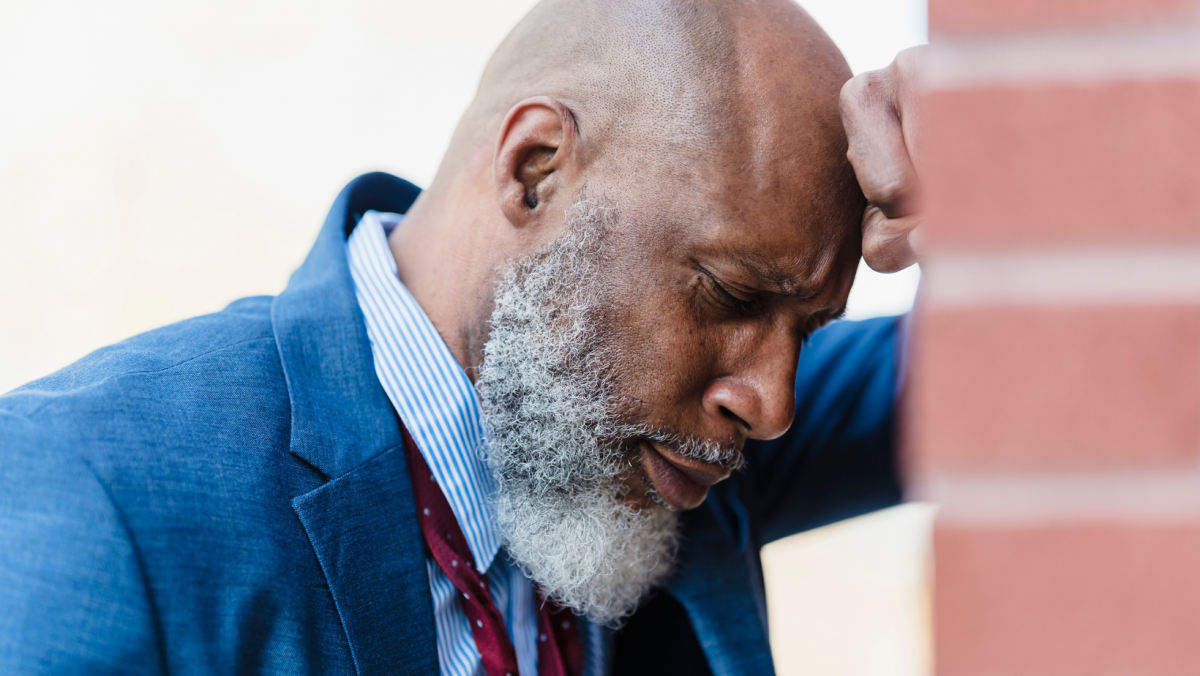
Fibroid pain and discomfort can affect how we sit, how we stand we stand, and how we carry ourselves in life. It can also affect the message this body language sends to others.

The pain and the unpredictability of fibroid symptoms such as heavy bleeding, bleeding between periods, as well as acute cramping, can not only adversely how we feel about our bodies, but it can also affect the way we present ourselves to others.

Let’s face it, it’s hard to stand tall, and walk with confidence when your uterus is throbbing, or acute pains are causing you to want to curl up in a little ball in your bed.

In fact, according to a study published in the European Journal of Social Psychology, sitting up and standing up straight increases positive thoughts and as a result, self-confidence.

In the study, 71 students that were participants were told that they would be taking part in two separate studies at the same time, one organized by the business school and one by the art school.

The participants were then told that the study of the arts was going to examine their ability to maintain a specific posture while engaging in a study conducted by the business school.

The participants were then seated at a computer terminal and instructed to either sit down with their backs erect and push their chest out (confident posture) or slouched forward with their backs curved and their faces looking at their knees (doubtful posture).

While in their assigned posture positions, the students then were told that they would be participating in another study that investigated factors contributing to job satisfaction and professional performance.

Still holding their assigned posture, the students were then asked to write down either three positive or three negative personal traits as they related to future job performance.

For the final task of the experiment, the participants were asked to take a survey where they rated how well they think they would perform as future employees.

In our next article, we will take a look at the results of this study and how it can relate to women with uterine fibroids.

Categories
Fibroids

Under the Influence of Fibroids

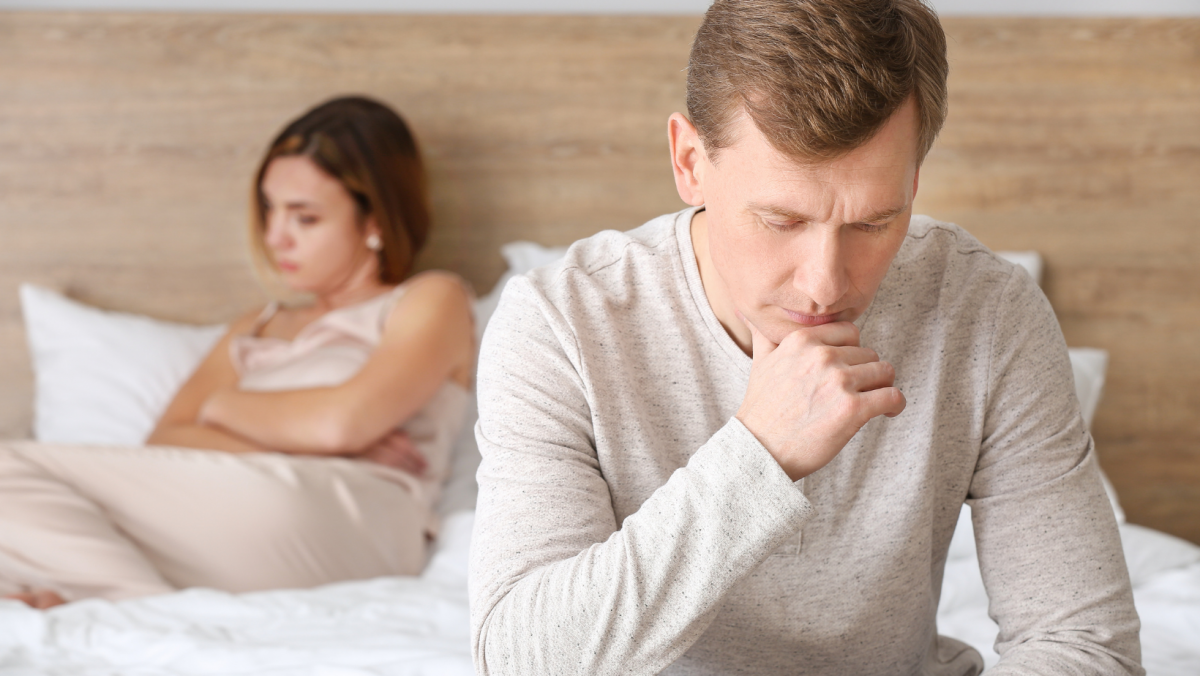
Studies have shown that having uterine fibroids can increase anxiety and depression. As a result of the psychological impact of having fibroids, problems in relationships can occur.

Furthermore, these mental health effects can reduce our ability to engage in and further develop our hobbies and interests.

Why is this?

For starters, let’s say you love the outdoors and love camping. Well, with the fibroid symptom of heavy menstrual bleeding and bleeding between periods, enjoying the great outdoors isn’t quite so easy.

This also applies to a beach day, a road trip, or any other activity that provides distance from your bed and your bathroom.

Fibroids can also be uncomfortable, and this discomfort can impact how feel about our bodies. Which is also known as our body image. You can learn more about body image and fibroids by reading this previous article.

Though others might not notice any difference in our physical appearance, and in fact, there might not be a difference at all, our perception and experience could be quite different.

Due to the pain and pressure of fibroids, as well as the fibroid symptoms of water retention, constipation, and bloating, our abdomen and lower parts of our body feel inflated and larger than they are.

Fibroids can also affect our physical appearance in other ways. One of which is our posture.

In our next article, we will explore the effect that fibroids can have on our posture and the message that it sends to ourselves and others.

In the meantime, there is no reason to let fibroids keep you from feeling good about yourself and enjoying your life when help is available.

If you are interested in exploring your treatment options and learning about Uterine Fibroid Embolization, which has a proven track record of success, please call and set up a consultation with MidAtlantic Vascular and Interventional today.

Categories
Enlarged Prostate

Sexual Function or Dysfunction

Some treatment methods for benign prostate hyperplasia carry the risk of causing sexual dysfunction. However, not all treatment methods carry this same risk.

One of the most common and longest-running treatment methods for BPH is transurethral resection of the prostate, also known as TURP. While another, the newer method has been increasing in popularity, called prostate artery embolization, or PAE.

Though both of these treatment methods are effective in relieving the symptoms associated with an enlarged prostate, TURP carries a higher risk of sexual dysfunction.

In fact, while prostate artery embolization has been shown to actually improve erectile function following the procedure, TURP can come with long-term sexual complications some of which can be permanent.

The most common erectile complication that affects as many as 65-75% of men following the TURP procedure, is something known as “retrograde ejaculation”.

Retrograde ejaculation is caused by damage to the nerves or muscles surrounding the neck of the bladder, which can happen during prostate surgeries such as TURP.

When these muscles or nerves are damaged, semen no longer travels out of the body through the urethra, but rather it flows back into the bladder during ejaculation.

Though retrograde ejaculation can make an orgasm less pleasurable for men, it isn’t necessarily harmful. Except when it comes to fertility.

Due to the backward flow of semen, retrograde ejaculation can interfere with a man’s ability to get a woman pregnant.

Though there are other ways to achieve a pregnancy, such as fertility treatments, those methods can be incredibly expensive and are not an option for everyone.

Therefore, for men that are interested in having children the natural way, the TURP complication of retrograde ejaculation is problematic.

It is also important to point out that some estimates suggest that up to 10% of men who undergo the TURP procedure experience erectile dysfunction. Erectile dysfunction is defined as when a man has difficulty getting and maintaining an erection (erectile dysfunction).

Though sometimes this problem is temporary and only happens during the recovery period, for some, it can be a permanent condition.

Fortunately, there are other procedures to treat BPH that do not carry the same risk for sexual dysfunction and erectile issues. In our next article,  we will look at the effect that PAE can have on sexual function.

Categories
Knee Osteoarthritis

Building an Exercise Habit

“All big things come from small beginnings. The seed of every habit is a single, tiny decision but as that decision is repeated, a habit sprouts and grows stronger. Roots entrench themselves and branches grow. The task of breaking a bad habit is like uprooting a powerful oak within us. And the task of building a good habit is like cultivating a delicate flower one day at a time.”

James Clear, Atomic Habits

In order to get in better shape and meet any necessary weight loss goals, it’s all about developing new habits. And, as the above quote from the New York Times Best Selling book Atomic Habits states, it’s all done, one day at a time.

If you are new to working out, a good start is to set goals that you will be able to meet without a ton of effort and motivation ( which is something that needs to be developed over time).

One of the easiest ways to start exercising is to take your exercise goals and break them into small exercise segments that you are likely to do. Then you can build up a longer exercise plan over time.

Author James Clear writes about this concept in Atomic Habits. Clear writes that it’s important to split your exercise plan into easily obtainable chunks because when something is easy, we’re more likely to do it. And, by doing the exercise daily, no matter how little at a time, we will begin to build new habits.

So what does breaking a workout into segments look like?

It could look different depending on what it is you ultimately want to achieve. For example, if you want to start walking on the treadmill regularly, rather than plan to walk for 30 minutes a day, five days a week- change it to “I’m going to walk on the treadmill for 5 minutes.”

Then you can build from there.

Maybe the next day you will walk on the treadmill for 2 sets of 5 minutes, with a little break in between. Then 3 sets of 5 minutes, 4 sets of 5 minutes, until you reach your 30-minute goal.

If you need to, you can even make your daily goal smaller.

Whatever it is, just make the goal something that you will actually do.

You might be thinking, ” Why should I develop an exercise plan, especially when I’m dealing with the symptoms of knee osteoarthritis?”

That’s a great question, and to better answer it, you may want to check out studies like this one.

Studies have shown that people who regularly participate in land-based exercises such as walking, rate their knee pain to be 10 to 15% less than people who do not exercise. Even more, it has been discovered that those who exercised regularly need less pain medication, and in many cases, none at all.

In our next article, we will take a look at some of the exercises that can benefit your knee health. And, we will offer some suggestions as to how it can be developed into an exercise habit. A habit that will benefit your body, your mind, and of course, your knees.


Categories
Fibroids

Psychological Toll of Fibroids

Uterine fibroids can not only interrupt our lives, but they can also affect our relationships, our self-esteem, and our perception of our bodies.

Though some fibroids can visibly distort the body, others can distort our perception of our body. This perception of our body is known as our body image.

According to experts at the National Eating Disorders Collaboration,

“Your body image is what you think and how you feel when you look in the mirror or when you picture yourself in your mind. This includes how you feel about your appearance; what you think about your body itself, such as your height and weight; and how you feel within your own skin.

Body image also includes how you behave as a result of your thoughts and feelings. You may have a positive or negative body image. Body image is not always related to your weight or size.”

When it comes to having uterine fibroids, research has shown that there is indeed a connection between having fibroids and body-image-based concerns.

In fact, according to a recent article in Health Psychology and Behavioral Medicine entitled “Body image concerns in individuals diagnosed with benign gynecological conditions: scoping review and meta-synthesis,” not only can gynecological conditions like uterine fibroids lead to increased body dissatisfaction, but if this body image concern goes untreated, it can lead to a great reduction in quality of life.

In 2014 a study was released by Northwestern University’s Feinberg School of Medicine, which took a look at the psychological effects of having uterine fibroids.

The study followed 48 women that were suffering from diagnosed fibroid pain. These women were regularly examined in regard to their emotional and psychological relationship with having fibroids.

What the study found was that the women in the study did indeed experience emotional reactions to having fibroids and fibroid-related pain.

Their emotions linked to their fibroids ranged from mild worry to intense feelings of fear and anxiety. Some women even reported experiencing symptoms as severe as depression.

One of the most commonly reported reasons for these feelings was the unpredictability of fibroid symptoms, as well as the feeling of helplessness in regard to the effect that fibroids have on their bodies and their lives.

Women in the study reported feeling self-conscious about the impact their fibroids had on their appearance and weight, whether the effect of the fibroids was physically evident or not.

As a result of feeling uncomfortable within their own bodies, many of the women reported that it negatively affected their sexual and intimate relationships with their partners.

One of the most upsetting results of the study was the finding that many of the women thought they had no choice but to live with and endure the symptoms of uterine fibroids. And- the psychological toll that comes with it.

Fortunately, that is not at all true, and there is a solution.

In our next article, we will take a further look at the effects of fibroids and the first steps to getting treatment and finding relief.

Categories
Enlarged Prostate

TURP or PAE?

Today we will continue looking at a surgical method to treat benign prostate hyperplasia ( BPH) that has been around for a very long time called transurethral resection of the prostate (TURP).

We will also compare some of the risks it carries with that of a more recent and extremely effective procedure for BPH called prostate artery embolization ( PAE).

So which is better TURP or PAE? What are the benefits? The side effects? And the risks?

One of the benefits of treating benign prostate hyperplasia through the surgical procedure, transurethral resection of the prostate( TURP), is that it has been around for a long time.

The procedure has stood the test of time, and the results of it have been known to have long-term outcomes, with its effects sometimes lasting as long as 15 years or more.

Another benefit of TURP is that like Prostate Artery Embolization, TURP doesn’t involve any incisions.

However, TURP is very different that PAE.

Prostate Artery Embolization is an outpatient procedure performed by an interventional radiologist.

PAE begins with the insertion of a tiny catheter that is threaded through the blood vessels until it reaches the artery that supplies blood to the prostate.

Once in place, tiny beads are sent through the catheter and are released into the artery. These particles then create a blockage that decreases the blood flow to the prostate in order to stop its growth.

While TURP, is also non-invasive in that it is not an open surgery, it is still a surgery nonetheless and is quite different than PAE.

TURP is a surgery that involves an instrument called a resectoscope, which is inserted through the tip of the penis and into the urethra. Then, using an electrical current, pieces of the prostate are removed.

Unlike PAE which is a same-day procedure, TURP usually involves a hospital stay and has a much longer recovery time.

Another key difference between the TURP procedure and PAE is the specific set of side effects and risks that come with either procedure.

One area in which they differ greatly is the effect that the procedure can have on erectile function.

While one method carries a risk of retrograde ejaculation and erectile dysfunction, the other carries no risk of retrograde ejaculation, and can actually improve erectile function.

In our next article, we will dive deeper into the effect that TURP and PAE have on erectile function or dysfunction.

Categories
Knee Osteoarthritis

Exercise and Maintaining a Healthy Weight

One of the most common goals of the new year is to exercise more and lose weight. This is a great goal, especially when it comes to dealing with the symptoms of knee osteoarthritis, as exercise and maintaining a healthy weight, can both decrease knee pain and increase knee mobility.

Those of us that already go to a gym, might notice an influx of people working out in January, as new years resolution-based memberships skyrocket.

We also might notice that this increase in people tapers off considerably as the weeks go by.

Why is this?

We know that by exercising and maintaining a healthy weight, we can experience significant health benefits such as improved circulation, increased feelings of wellness and well-being, and reduced knee and joint pain. Regular exercise can also dramatically reduce our risk for all sorts of other health problems.

So knowing all of this, why is it that so many well-intentioned people fail to achieve their exercise and weight loss goals?

According to James Clear, the author of the New York Times bestselling book Atomic Habits, one reason for this could be that they set unrealistic standards for themselves.

Clears writes that many well-intentioned workout regimens are just too hard to maintain day to day and week to week. Therefore, he writes that the better choice is to set small goals to make little changes that build over time.

And how does one make these little changes?

By building new habits.

So what is a habit?

According to James Clear, “Habits are the small decisions you make and the actions you perform every day.”

He goes on to say that “Your life today is essentially the sum of your habits. How in shape or out of shape you are? A result of your habits. How happy or unhappy you are? A result of your habits. How successful or unsuccessful you are? A result of your habits.”

So the key to changing these habits is by introducing some new ones.

In order to build a new habit, such as regular exercise, Clear’s recommendations are:

Start with an incredibly small habit.

The author states that one of the best ways to start building a new habit is to choose something that doesn’t take a lot of motivation to do.

For example, instead of saying “I’m going to do 50 sit-ups every day.” Try starting with five.

Increase your habit in very small ways.

In Atomic Habits, Clear writes that it’s important to start small at a new task or activity, and then gradually improve.

He recommends that we aim to increase a new habit by merely one percent every day.

As a result of doing this, Clear has found that motivation and willpower are given time to grow, therefore making it easier to practice the new habit.

In our next article, we will continue looking at research-based recommendations for building an exercise habit in order to decrease knee pain, and increase function.

Categories
Fibroids

Pregnant…with fibroids?

“Congratulations! When are you due?!” Though saying this is appropriate when there is indeed a pregnancy, sometimes this congratulatory statement is given or received when there is no pregnancy. Which, needless to say, is embarrassing and uncomfortable for all involved.

But how, you might ask, could someone mistakenly assume a woman is pregnant?

Though sometimes weight gain, especially in the form of excess belly fat can make a woman’s body appear pregnant, it’s not the only underlying cause.

In fact, sometimes, weight gain has little to do with it, and the appearance of pregnancy can be caused by something else entirely.  And, that something else, could be uterine fibroids.

That’s right.

For starters, uterine fibroids can range in size… and location.

Sometimes they are as small as 1-5 centimeters, which is about the size of a small seed or a grape. Other times they are medium-sized which is usually between 5-10 centimeters or about the size of a lemon or even an orange.

Large fibroids are 10 centimeters or more and can grow to be the size of a mango or grapefruit. And, in some cases, they can even be as large as a watermelon.

So now, imagine what a woman’s body might look like with a watermelon-sized fibroid in her uterus, and you’ll see how an erroneous “Congratulations! When are you due!?” could happen.

Fibroids can sometimes grow to the point where they distort the abdomen, making some women appear pregnant. Furthermore,  depending on their size and the number of them, fibroids can not only lead to an increase in clothing size, but they can also lead to an increase on the scale as well.

In fact, when left untreated, some larger fibroids can weigh as much as 20 to 40 pounds!

And, as if that isn’t bad enough, fibroids regardless of their size can come with a slew of terrible life-interrupting symptoms such as long and painful periods, anemia, excessive bleeding in between cycles, pelvic pressure, and pain, frequent urination, constipation, and fatigue.

All of these symptoms can not only affect a woman’s day-to-day life, but they can adversely affect the way she feels about herself and her body.

In our next article, we will take a look at the effect that fibroids can have on a woman’s body image.

In the meantime, if you or a loved one are experiencing body distortion from large fibroids, or painful symptoms from any size fibroid, you are not alone. Read this recent blog post to find out if you are a good candidate for Uterine Fibroid Embolization.

Help is available, and you can even call us today and set up a consultation where we can work together to help determine the best treatment plan for you.

Categories
Enlarged Prostate

When Prostate Surgery Fails

When it comes to surgical procedures of any kind, there is always a risk that things won’t work out. When surgery fails or leads to side effects and complications that are permanent, the reality can be devastating.

Therefore, when it comes to deciding which treatment method is best for treating your benign prostate hyperplasia, it’s important to be aware of the potential side effects and risks that come with each method.

One of the most common procedures to treat a symptomatic enlarged prostate is the transurethral resection of the prostate, also known as TURP.

TURP is a procedure that involves removing prostate tissues through the urethra, in order to allow urine and other bodily fluids to pass more easily.

Though the most common side effects, like experiencing some post-op blood in your urine, will pass with time. Other side effects and undesirable outcomes might not.

Not every prostate procedure is guaranteed to cure the issue it is aiming to treat. And, TURP is no exception to this.

First of all, sometimes the TURP surgery will not relieve all of your symptoms, such as urinary symptoms that might not change or be entirely cured.

You might be wondering- How is that possible, given that during the surgery the blockage was cleared?

The urinary issues may be continuing due to urethral strictures.

Urethral strictures are caused by scarring that can occur after TURP, both in and around the urinary tract. This scarring can actually cause further blockage to urine flow. And as a result, another surgery may be required.

Some patients also experience urinary incontinence following the TURP procedure. This can happen due to continuing bladder problems or even sphincter muscle damage.

Another concern for men undergoing transurethral resection of the prostate in order to treat benign prostate hyperplasia is the risk of having erectile issues following the procedure.

Erectile dysfunction is a potential risk that comes with just about any prostate surgery, and can usually be treated with medication. However, it’s important to keep in mind that these medications also come with their own set of side effects and risks.

Fortunately, there are other treatment methods for an enlarged prostate that have a much lower risk of experiencing these unwanted outcomes, especially in regard to sexual function.

In fact, Prostate Artery Embolization has been shown to actually improve erectile function following the procedure. And it comes without the risk of retrograde ejaculation, which is the most common long-term complication following the TURP procedure, affecting as many as 65 to 75% of men.

In our next article, we will take a look at this unfortunate potential complication from TURP.

Categories
Knee Osteoarthritis

“New Year, New You”

You may have heard the phrase “New Year New You”, and you may have heard it recently, given the time of year.

That’s right, it’s January, and it’s also the kickoff point for New Year’s Resolutions.

One of the most common New Year’s resolutions is exercising more and losing weight– which is especially important for those of us with knee osteoarthritis.

According to a study published in Arthritis Care & Research, the official journal of the American College of Rheumatology and the Association of Rheumatology Professionals, weight loss can improve symptoms associated with knee osteoarthritis.

In the study called “Intentional Weight Loss for Overweight and Obese Knee Osteoarthritis Patients: Is More Better?”, the researchers followed 240 participants that were overweight and obese that were experiencing knee pain from osteoarthritis.

What they discovered was that not only did diet and exercise-based weight loss reduce their osteoarthritis symptoms, but the people that lost the most weight from diet and exercise, experienced the greatest decrease in symptoms.

So if intensive weight loss from diet and exercise can help relieve some of the painful symptoms of knee osteoarthritis, what better way to work towards this goal than making exercising more and losing weight your New Year’s Resolution?

Well, you wouldn’t be alone in making that goal.

According to data published by the market research and statistics company Statistica, 52% of Americans surveyed have the resolution of exercising more in the new year, and 40% wanted to lose weight.

That’s wonderful, except for the fact that all of this great intention doesn’t always lead to action. And if it does, this action is often short-lived.

Based on the research and data compiled by Statistica, on average, only about 9% of people will achieve their New Year’s Resolution.

Even those of us that make some progress in carrying out our New Year’s Resolution, will most likely stop at some point- and the research backs this.

According to data collected by the market research firm Ipsos,  55% of the survey respondents kept their New Year’s resolution for less than a year. 11% kept it for at least six months, 14% kept it for at least three months, 19% kept their resolution for at least one month, and 11% kept their New Year’s resolution for less than a month.

So what is going on?

Why is it that so many well-intentioned people fail to keep their new year’s resolution to exercise more and get in shape?

It turns out that the problem isn’t necessarily the goal or the intention, but rather the way that goal is executed and the expectations that surround it.

In our next article, we will take a further look at how to take the intention to work out and lose weight, and turns it into sustainable action.

And, the way to do it, may surprise you.