

Categories
Knee Osteoarthritis

Pain from Soda?

Most of us know that soda, diet soda, and the many flavors and brands of it, are not considered to be a part of a healthy diet. In fact, far from it. And, for those of us with knee osteoarthritis, it may be best to avoid it altogether.

If you’ve read some of our previous articles that took a look at the connection between being overweight and knee osteoarthritis, you may think that the issue with soda is the potential for weight gain.

Yes, that is true, as sodas a packed full of sugar- and when consumed in excess it can lead to obesity, diabetes, and even osteoporosis- however, there is more to it than that.

According to a recent study conducted at Harvard University, drinking too much soda can increase knee pain, especially in men. Researchers kept track of the soft drink consumption of more than 2,000 men who had a diagnosis of knee osteoarthritis. These men were asked to come in regularly over a four-year period, where the researchers studied the progression of their knee osteoarthritis and measured their cartilage in order to check for any changes in thickness. Upon analyzing all of the data collected, the study found that the men with the fastest progression of knee osteoarthritis were indeed those who drank the most soda.

This information probably isn’t too surprising. It makes sense that men who drink a lot of soda are more likely to do so along with a not-so-healthy diet. In the western fast food diet, soda tends to pair well with foods that are high in trans fats, red meat, and sugar- Think of a McDonald’s value meal.

So yes, that makes sense. However, believe it or not, that wasn’t what the research found. In fact, the men who were the heaviest did not have the most knee arthritis. Those with the greatest progression of knee osteoarthritis were the soda drinkers that were thin.

What??

You read that right.

The study found that the impact of soda intake on knee osteoarthritis is independent of the wear and tear on the joints that are caused by simply being overweight. So what is causing it then? What is it about soda that could increase the progression of knee osteoarthritis in men?

Inflammation.

When a soda, which is high in refined sugar, is consumed this causes a major spike in blood sugar, which creates stress on the body and triggers inflammation. Add up that response to drinking soda several times a day, and you’re looking at a case of chronic inflammation and of course, increased knee pain and injury.

So does this mean that men with knee osteoarthritis can never drink soda again?

Though that would be a great idea, it’s not entirely necessary as long as your soda intake is very limited and is only an occasional part of an overall healthy diet and lifestyle. That being said, when it comes to your knee health, you may want to think twice before popping that can of soda and opt for a nice cool glass of water instead.
Categories
Knee Osteoarthritis

The Connection Between Diet and Knee Pain

Losing weight through proper dieting and exercise can decrease knee pain, and increase your quality of life.

In previous articles, we’ve taken a look at helpful knee-safe exercises, as well as stressed the importance of having a healthy diet. Today we are going to take a look at the connection between dietary choices and inflammation, which can increase osteoarthritis pain and decrease knee mobility.

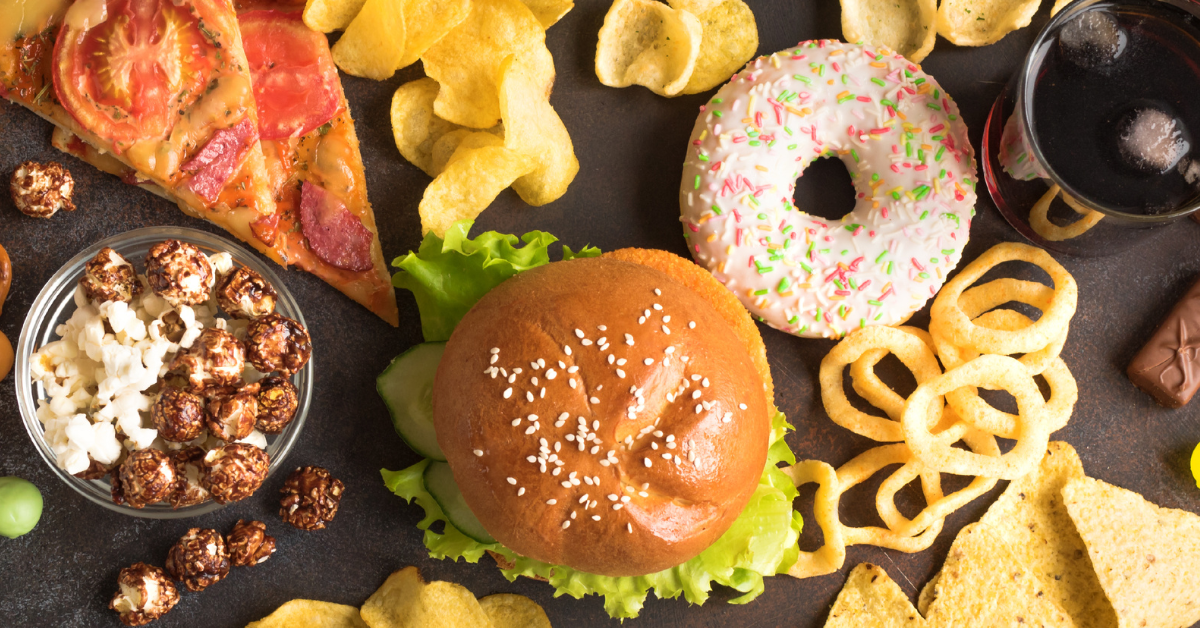
Researchers have been studying the relationship between nutrition and osteoarthritis for quite some time. A study published in The American Journal of Clinical Nutrition is just one of many that have found a connection between following a western diet and increased progression of osteoarthritis. In this particular study, a “western diet” was defined as a diet high in red meat, sugar, salt, fat, and refined grains.

So let’s take a look at this western diet, and see what it is about these foods that are problematic when it comes to osteoarthritis of the knee.

Red Meat

Though lean red meat on occasion can be beneficial for our health, eating too much red meat can make arthritis symptoms worse.
The problem is that animal products contain saturated fats that can actually increase inflammation. So when it comes to eating red meat, it’s best to choose leaner cuts and limit the amount consumed.

Sugar

Though every diet involves limiting your sugar intake- when it comes to those diagnosed with osteoarthritis- this is a must.

Research has shown that there is a relationship between excessive sugar intake and increased knee osteoarthritic inflammation. In fact, according to a recent study,  researchers found that it only takes 40 grams of sugar, which is roughly the amount found in one can of soda, to trigger this response. Not only that, but too much sugar can also increase the likelihood of weight gain, which can be extremely detrimental to your joints.

Salt

Studies have found that cutting back on salt is a good choice for people with osteoarthritis. Research has shown that a high salt diet can increase the severity of osteoarthritis, and contributes to cartilage breakdown and bone destruction. There is also a link between a high-sodium diet and an increased risk of developing an autoimmune disease.

Though salt is a necessary part of our diet, as it helps the body to function properly- too much salt can cause swelling and water retention which will worsen the symptoms of osteoarthritis.

Fat

There are good fats, like omega-3 fatty acids found in fish and avocadoes, and there are bad fats, such as trans fats found in processed foods and saturated fats found in animal products.

These “bad fats” can increase inflammation and contribute to a slew of other health problems such as heart disease and an increased risk of stroke.

Refined Carbohydrates

Refined carbohydrates are grains that are processed in order to remove their natural nutrients and fiber. This process decreases their nutritional value and makes them more easily digestible. It also makes it easy for them to be absorbed into the bloodstream which causes a spike in blood sugar.

These foods, such as baked goods, breakfast cereals, pasta, and snacks with added sugar, salt, and fat- all greatly contribute to osteoarthritis pain, by triggering inflammation as well as weight gain.

The Bottom Line: By simply avoiding or at least limiting your intake of these foods, you can decrease the amount of inflammation in your body, and as a result, decrease osteoarthritic knee pain.

In our next article, we will look at some common beverages that should be limited or altogether avoided because they can increase inflammation and knee pain.