
Categories
Enlarged Prostate

TURP or PAE?

Today we will continue looking at a surgical method to treat benign prostate hyperplasia ( BPH) that has been around for a very long time called transurethral resection of the prostate (TURP).

We will also compare some of the risks it carries with that of a more recent and extremely effective procedure for BPH called prostate artery embolization ( PAE).

So which is better TURP or PAE? What are the benefits? The side effects? And the risks?

One of the benefits of treating benign prostate hyperplasia through the surgical procedure, transurethral resection of the prostate( TURP), is that it has been around for a long time.

The procedure has stood the test of time, and the results of it have been known to have long-term outcomes, with its effects sometimes lasting as long as 15 years or more.

Another benefit of TURP is that like Prostate Artery Embolization, TURP doesn’t involve any incisions.

However, TURP is very different that PAE.

Prostate Artery Embolization is an outpatient procedure performed by an interventional radiologist.

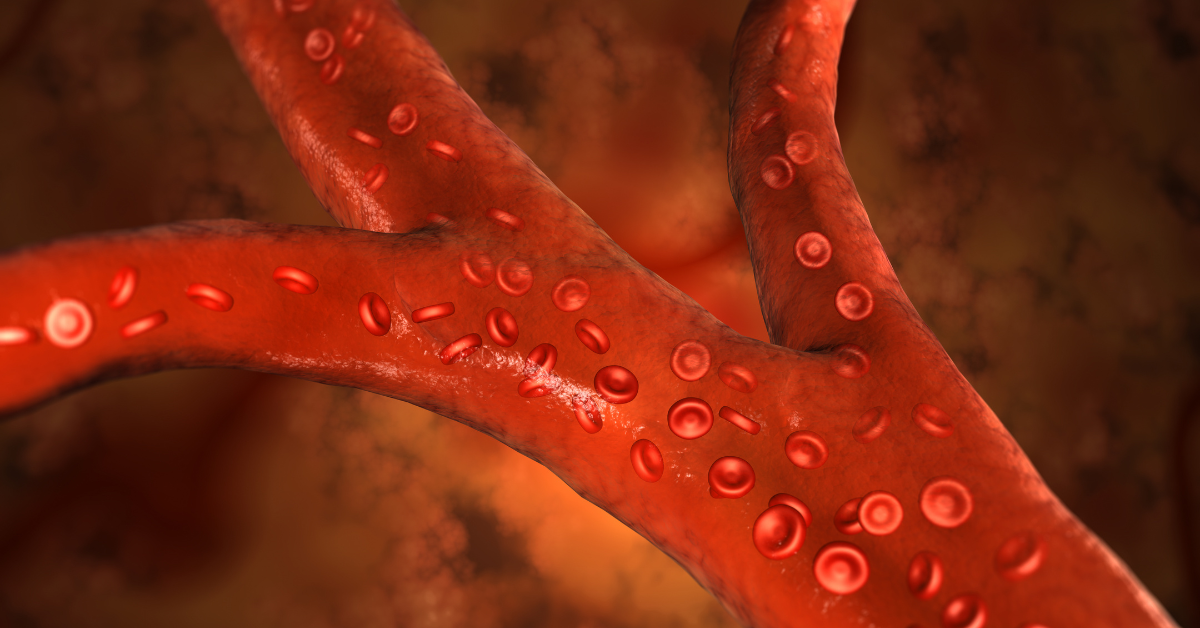
PAE begins with the insertion of a tiny catheter that is threaded through the blood vessels until it reaches the artery that supplies blood to the prostate.

Once in place, tiny beads are sent through the catheter and are released into the artery. These particles then create a blockage that decreases the blood flow to the prostate in order to stop its growth.

While TURP, is also non-invasive in that it is not an open surgery, it is still a surgery nonetheless and is quite different than PAE.

TURP is a surgery that involves an instrument called a resectoscope, which is inserted through the tip of the penis and into the urethra. Then, using an electrical current, pieces of the prostate are removed.

Unlike PAE which is a same-day procedure, TURP usually involves a hospital stay and has a much longer recovery time.

Another key difference between the TURP procedure and PAE is the specific set of side effects and risks that come with either procedure.

One area in which they differ greatly is the effect that the procedure can have on erectile function.

While one method carries a risk of retrograde ejaculation and erectile dysfunction, the other carries no risk of retrograde ejaculation, and can actually improve erectile function.

In our next article, we will dive deeper into the effect that TURP and PAE have on erectile function or dysfunction.

Categories
Enlarged Prostate

When Prostate Surgery Fails

When it comes to surgical procedures of any kind, there is always a risk that things won’t work out. When surgery fails or leads to side effects and complications that are permanent, the reality can be devastating.

Therefore, when it comes to deciding which treatment method is best for treating your benign prostate hyperplasia, it’s important to be aware of the potential side effects and risks that come with each method.

One of the most common procedures to treat a symptomatic enlarged prostate is the transurethral resection of the prostate, also known as TURP.

TURP is a procedure that involves removing prostate tissues through the urethra, in order to allow urine and other bodily fluids to pass more easily.

Though the most common side effects, like experiencing some post-op blood in your urine, will pass with time. Other side effects and undesirable outcomes might not.

Not every prostate procedure is guaranteed to cure the issue it is aiming to treat. And, TURP is no exception to this.

First of all, sometimes the TURP surgery will not relieve all of your symptoms, such as urinary symptoms that might not change or be entirely cured.

You might be wondering- How is that possible, given that during the surgery the blockage was cleared?

The urinary issues may be continuing due to urethral strictures.

Urethral strictures are caused by scarring that can occur after TURP, both in and around the urinary tract. This scarring can actually cause further blockage to urine flow. And as a result, another surgery may be required.

Some patients also experience urinary incontinence following the TURP procedure. This can happen due to continuing bladder problems or even sphincter muscle damage.

Another concern for men undergoing transurethral resection of the prostate in order to treat benign prostate hyperplasia is the risk of having erectile issues following the procedure.

Erectile dysfunction is a potential risk that comes with just about any prostate surgery, and can usually be treated with medication. However, it’s important to keep in mind that these medications also come with their own set of side effects and risks.

Fortunately, there are other treatment methods for an enlarged prostate that have a much lower risk of experiencing these unwanted outcomes, especially in regard to sexual function.

In fact, Prostate Artery Embolization has been shown to actually improve erectile function following the procedure. And it comes without the risk of retrograde ejaculation, which is the most common long-term complication following the TURP procedure, affecting as many as 65 to 75% of men.

In our next article, we will take a look at this unfortunate potential complication from TURP.

Categories
Enlarged Prostate

An Enlarged Prostate: Signs and Symptoms

Getting up several times to urinate throughout the night, could be a symptom of benign prostate hyperplasia. Which is also known as an enlarged prostate.

An enlarged prostate? What does that mean?

Well, before we get into that, let’s take a look at exactly what the prostate is.

The prostate is a small gland that is part of the male reproductive system.

It is responsible for aiding in the production of fluid that carries sperm from the testicles and helps to push semen through the urethra during ejaculation.

The prostate is located below the bladder, in front of the rectum,  and surrounds part of the urethra.

Typically the prostate is about the size and shape of a walnut, however, as a man ages, the prostate can become larger.

Though it is normal for the prostate to grow, sometimes this growth can be problematic and become Benign Prostatic Hyperplasia (BPH), also known as an enlarged prostate.

BPH occurs when the prostate grows large enough that it begins to pinch the urethra, causing troubling symptoms such as:

  • a weak flow when you urinate
  • a feeling that your bladder hasn’t emptied properly
  • difficulty starting to urinate
  • dribbling urine after you finish urinating
  • needing to urinate more often, especially at night
  • a sudden urge to urinate

The prostate’s squeezing of the urethra also causes the bladder to have to work even harder to pass urine. This over time, can cause the bladder muscles to become weak, making it harder for it to be emptied. This can also lead to:

  • Feeling like you still have to pee even after you just went
  • Having to go too often — eight or more times a day
  • Incontinence (when you don’t have control over when you pee)
  • An urgent need to pee, all of a sudden
  • You wake up several times a night to pee
  • Urinary tract infections, bleeding, bladder damage, and bladder stones

If you are experiencing any of these symptoms, you may be dealing with the effects of an enlarged prostate and, you are not alone.

The urinary issues related to prostate size are so common, that on average about 8 out of 10 men will eventually experience it.

Though men with an enlarged prostate might not experience every one of the symptoms listed above, and the severity may vary, it’s still important to make an appointment with your doctor to identify or rule out any underlying causes.

If left untreated, urinary problems, especially those caused by an enlarged prostate, could lead to more serious problems such as frequent UTIs, an obstruction of the urinary tract, and serious bladder or kidney damage.

If you are experiencing the symptoms of an enlarged prostate, it’s important to schedule a visit with your doctor.

If treatment is necessary, your doctor will work with you to find the best treatment for you. This could mean taking prescribed medication, or it could mean making some lifestyle changes to help control BPH symptoms.

If the symptoms are particularly bothersome, your doctor may recommend that the prostate be treated directly through surgery or a non-invasive procedure such as Prostatic Artery Embolization– which we specialize in here at MidAtlantic Vascular and Interventional.

In the meantime, if you’d like to learn more about Prostate Artery Embolization, or schedule a visit to find out if this treatment could benefit you, please do not hesitate to call us at 301-622-5360 to set up a consultation.

Categories
Enlarged Prostate

Prostate Artery Embolization for an Enlarged Prostate

Here at MidAtlantic Vascular and Interventional, we are proud to offer a non-invasive state-of-the-art treatment for men that are experiencing symptoms due to an enlarged prostate. The treatment is Prostate Artery Embolization, and it is an outpatient procedure that has over a 90% success rate for patients with a symptomatic enlarged prostate.

Though it is normal for the prostate to continue to grow as a man ages, for some it can develop into Benign Prostatic Hyperplasia (BPH). BPH, also known as an enlarged prostate, occurs when the prostate grows large enough that it begins to pinch the urethra, causing troubling symptoms that affect the ability to urinate, such as:

  • Dribbling when you finish
  • A hard time getting started
  • A weak stream or you pee in stops and starts

The prostate’s squeezing of the urethra also causes the bladder to have to work even harder to pass urine. This over time, can cause the bladder muscles to become weak, making it harder for it to be emptied. This can lead to:

  • Feeling like you still have to pee even after you just went
  • Having to go too often — eight or more times a day
  • Incontinence (when you don’t have control over when you pee)
  • An urgent need to pee, all of a sudden
  • You wake up several times a night to pee
  • Urinary tract infections, bleeding, bladder damage, and bladder stones

Fortunately, many patients are finding relief from these symptoms through the work of our Interventional Radiologist Dr. Rishi R. Sood, who is an expert in performing Prostate Artery Embolization.

The procedure begins with a small incision in the wrist or groin, followed by the insertion of a tiny catheter. Using advanced X-Ray technology, the doctor will then guide the catheter through the blood vessels until it reaches the arteries that are feeding blood to the prostate gland. Once the catheter has reached the proper location, it releases tiny microscopic beads. These beads then travel to the prostatic arteries, where they create a blockage, which blocks the blood flow that is causing the prostate gland’s enlargement.

Maybe this sounds a little like science fiction, or even too good to be true- but rest assured, it’s not.

Though Prostate Artery Embolization is a relatively new outpatient procedure, it’s nothing to be afraid of. In fact, PAE has one of the highest rates of success. Not only do over 90% of men treated with PAE experience relief from their symptoms in the first year, but relief can continue on for years after that.

In our next article, we will take a look at some of the research backing the use of Prostate Artery Embolization as an effective treatment for BPH. In the meantime, please feel free to call us with any questions about PAE, or to set up a consultation to see if PAE is right for you.