
Categories
Enlarged Prostate

Prostate Artery Embolization for an Enlarged Prostate

Here at MidAtlantic Vascular and Interventional, we are proud to offer a non-invasive state-of-the-art treatment for men that are experiencing symptoms due to an enlarged prostate. The treatment is Prostate Artery Embolization, and it is an outpatient procedure that has over a 90% success rate for patients with a symptomatic enlarged prostate.

Though it is normal for the prostate to continue to grow as a man ages, for some it can develop into Benign Prostatic Hyperplasia (BPH). BPH, also known as an enlarged prostate, occurs when the prostate grows large enough that it begins to pinch the urethra, causing troubling symptoms that affect the ability to urinate, such as:

  • Dribbling when you finish
  • A hard time getting started
  • A weak stream or you pee in stops and starts

The prostate’s squeezing of the urethra also causes the bladder to have to work even harder to pass urine. This over time, can cause the bladder muscles to become weak, making it harder for it to be emptied. This can lead to:

  • Feeling like you still have to pee even after you just went
  • Having to go too often — eight or more times a day
  • Incontinence (when you don’t have control over when you pee)
  • An urgent need to pee, all of a sudden
  • You wake up several times a night to pee
  • Urinary tract infections, bleeding, bladder damage, and bladder stones

Fortunately, many patients are finding relief from these symptoms through the work of our Interventional Radiologist Dr. Rishi R. Sood, who is an expert in performing Prostate Artery Embolization.

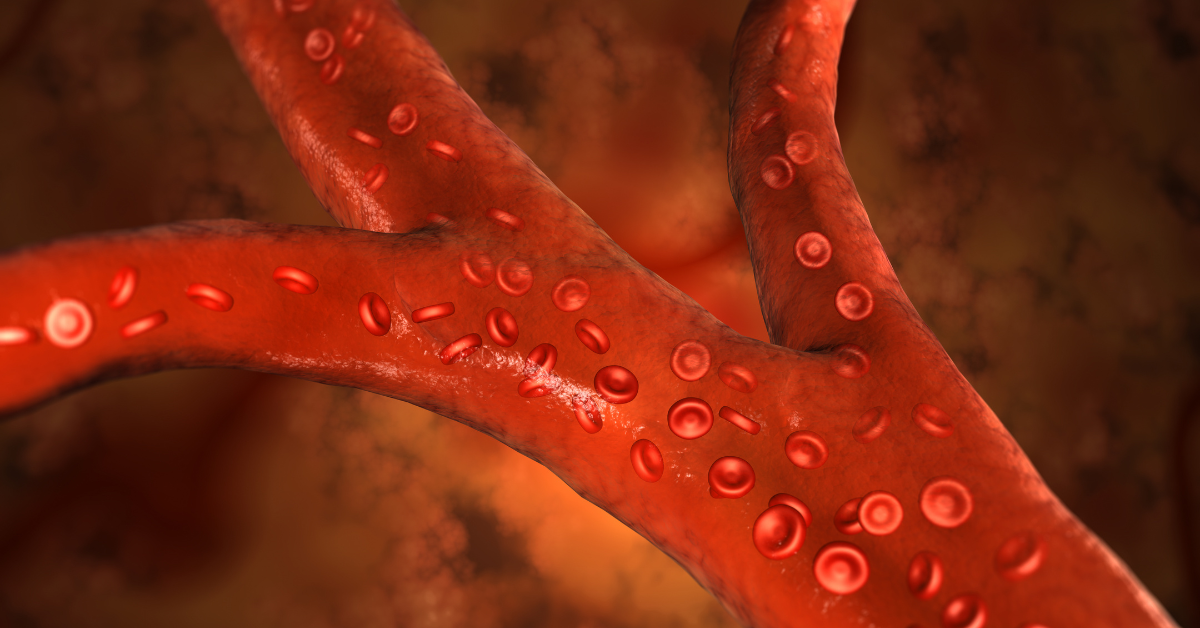
The procedure begins with a small incision in the wrist or groin, followed by the insertion of a tiny catheter. Using advanced X-Ray technology, the doctor will then guide the catheter through the blood vessels until it reaches the arteries that are feeding blood to the prostate gland. Once the catheter has reached the proper location, it releases tiny microscopic beads. These beads then travel to the prostatic arteries, where they create a blockage, which blocks the blood flow that is causing the prostate gland’s enlargement.

Maybe this sounds a little like science fiction, or even too good to be true- but rest assured, it’s not.

Though Prostate Artery Embolization is a relatively new outpatient procedure, it’s nothing to be afraid of. In fact, PAE has one of the highest rates of success. Not only do over 90% of men treated with PAE experience relief from their symptoms in the first year, but relief can continue on for years after that.

In our next article, we will take a look at some of the research backing the use of Prostate Artery Embolization as an effective treatment for BPH. In the meantime, please feel free to call us with any questions about PAE, or to set up a consultation to see if PAE is right for you.

Categories
Knee Osteoarthritis

Little Changes, Big Results

A few years ago, a team of researchers at Wake Forest University discovered that a 10% weight loss can improve the symptoms of osteoarthritis in obese and overweight adults. More recently, this same group of researchers conducted a similar study, only this time, they were looking to determine if losing even more weight, 20% to be exact, would reduce the symptoms of knee osteoarthritis even further.

The results?

It did.

The study, which was published in Arthritis Care and Research, found that obese or overweight adults that lost 20% or more of their body weight had significantly less inflammation than those that lost 5 or 10%. They also found that those who lost at least 20% of their body weight reported less pain, could walk farther, and experienced increased knee function as well.

When it comes to losing weight with knee osteoarthritis, some worry that they won’t be able to due to the limitations that knee osteoarthritis can cause. However, it can be done. In our last article, we looked at weight loss exercises for overweight individuals with knee osteoarthritis. This week we’re going to look at weight loss by making daily dietary changes.

Though there are recommended diets that can reduce inflammation, sometimes the best way to start, is to make little changes that can go a long way.

It can be overwhelming to suddenly cut carbohydrates out of your diet entirely, as well as sugar, dairy, soda, and so forth. So start small, by practicing and developing new habits.

Here are some ways you can get started on your weight loss journey to better health.

1. Focus on eliminating one high fat, high sugar, processed carbohydrate, etc. at a time.

This could mean that instead of having a muffin or pastry for breakfast, opt to have a bowl of oatmeal sweetened with a pinch of honey. It could mean buying an individual-size diet soda, instead of a two-liter bottle of regular. Or add unsweetened vanilla almond milk or low-fat milk to your morning coffee instead of half-and-half or the sugar overload of sweetened creamer. Believe it or not, these simple changes can yield big results over time.

2. Make Meals from Scratch

Pre-made meals and fast food are packed full of sodium, sugar, preservatives, unhealthy fats, and more. These can all increase knee pain and inflammation. So with this, again, start small. You don’t have to make a gourmet meal. Simply try baking a few boneless skinless chicken breasts or tenders, seasoned with olive oil, garlic, onion powder, parsley- or a blend of whatever herbs you might like. If you are unsure, try seasoning each one a little differently to find out what you like.

There are many benefits to herbs, and adding them to your food can even help with inflammation. You can also add sides to the chicken by making a side salad, microwaving a sweet potato, or boiling a pot of quinoa or brown rice.  If that doesn’t sound good to you, just google “simple healthy meals for weight loss” and you’ll find tons of yummy, easy-to-follow recipes.

3. Eat More Fiber Every Day

By making the effort to eat a little more fiber each day, you may find that your cravings for high-calorie, sugary foods are lessened, as is your waistline.

In fact, a study published in Annals of Internal Medicine found that eating simply 30 grams of fiber each day can help you lose weight,  and lower your blood pressure. You don’t need to get to the 30 grams right from the get-go. However, you can aim to get closer to it each day by adding fiber-rich foods to your diet. To get started, try swapping out a low-fiber food, for a high-fiber food at least once a day. For help in doing so, check out this helpful guide created by the USDA.

https://www.webmd.com/diet/eat-this-fiber-chart

So when it comes to losing weight with osteoarthritis, your diet can be just as important as exercise. By starting small, you can begin to make changes that over time, will make a big difference in how you look and feel.

In our next article, we will take a look at some of the foods that are known to increase inflammation and should be avoided or at least limited by those with knee osteoarthritis.