
Categories
Knee Osteoarthritis

Refined Carbohydrates and Knee Pain

There is one thing that artificial sweeteners, processed meats, and processed carbohydrates all have in common, and it’s not good.

They’re delicious?

Maybe.

They can lead to weight gain?

Well, yes.

When consumed in excess they can lead to numerous health problems?

Yes.

But what about their effect specifically on those of us with knee osteoarthritis?

If you guessed “they increase inflammation,” then you are absolutely correct.

However, it isn’t just sugar, artificial sweeteners, and processed meats that can trigger an inflammatory response- which as a result can increase joint pain and stiffness. There is another common culprit that can be found just about anywhere and everywhere. And that culprit is refined carbohydrates.

It’s important to note that the keyword here is “refined” and not just carbohydrates in general. So before we jump into what exactly that means, let’s take a brief look at what a carbohydrate is.

Carbohydrates or “carbs” have been given a bad rap, and nearly every popular diet requires that they be eliminated entirely or at least severely reduced. However, carbs are not inherently bad.

In fact, carbohydrates are an important part of our diet as they help our bodies to function properly by serving as the primary fuel for our brains and our red blood cells. Therefore to try and cut them out entirely can lead to all sorts of problems including brain fog, bad breath, headache, weakness, and fatigue.

The healthiest carbs are those found in an unrefined and natural state. Sources of these good carbs include whole grains, beans, fruits, and vegetables, which are all excellent sources of fiber, vitamins, minerals, and phytonutrients. Oftentimes these types are carbohydrates are referred to as “whole” and “unprocessed.”

Refined carbohydrates are whole grains, where the fiber has been stripped away.

This means that when the grain is refined, the bran which is a good source of fiber and vitamins, and the germ which contains vitamins and minerals that provide a variety of health benefits, are stripped away. This process leaves only the starch in the middle of the grain, which is then used to create white flour.

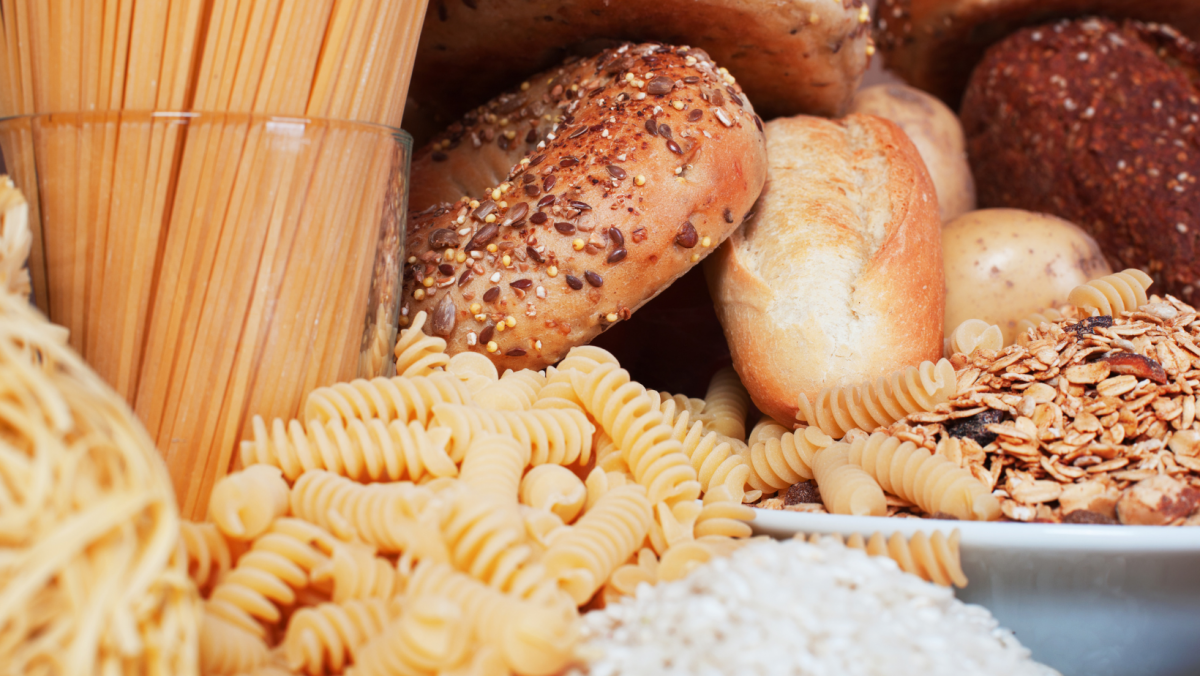
Common refined carbohydrates are white rice, white pasta, white bread, breakfast cereals, cookies, and more.

The problem with refined carbohydrates, other than their lack of vitamins, minerals, nutrients, and fiber- is that when they are ingested, the body turns them into sugar quickly. Then, as a result of this spike in blood sugar, the body responds as it would to regular sugar, and triggers an inflammatory response. Which is of particular concern for those of us with knee osteoarthritis.

Therefore, it’s important that the consumption of refined carbohydrates is greatly limited as they can not only worsen knee pain by triggering inflammation but can also lead to weight gain and other health problems.

That being said, given their abundance in a western diet, it’s hard to avoid refined carbohydrates entirely. However, they can be greatly limited.

One way to limit refined carbs and curb cravings for them is to replace them with healthier more nutritious carbs.

In our next article, we will take a look at some of these whole or unprocessed alternatives to refined carbohydrates, which can not only decrease inflammation but can even prevent it from happening in the first place.

Categories
Knee Osteoarthritis

Little Changes, Big Results

A few years ago, a team of researchers at Wake Forest University discovered that a 10% weight loss can improve the symptoms of osteoarthritis in obese and overweight adults. More recently, this same group of researchers conducted a similar study, only this time, they were looking to determine if losing even more weight, 20% to be exact, would reduce the symptoms of knee osteoarthritis even further.

The results?

It did.

The study, which was published in Arthritis Care and Research, found that obese or overweight adults that lost 20% or more of their body weight had significantly less inflammation than those that lost 5 or 10%. They also found that those who lost at least 20% of their body weight reported less pain, could walk farther, and experienced increased knee function as well.

When it comes to losing weight with knee osteoarthritis, some worry that they won’t be able to due to the limitations that knee osteoarthritis can cause. However, it can be done. In our last article, we looked at weight loss exercises for overweight individuals with knee osteoarthritis. This week we’re going to look at weight loss by making daily dietary changes.

Though there are recommended diets that can reduce inflammation, sometimes the best way to start, is to make little changes that can go a long way.

It can be overwhelming to suddenly cut carbohydrates out of your diet entirely, as well as sugar, dairy, soda, and so forth. So start small, by practicing and developing new habits.

Here are some ways you can get started on your weight loss journey to better health.

1. Focus on eliminating one high fat, high sugar, processed carbohydrate, etc. at a time.

This could mean that instead of having a muffin or pastry for breakfast, opt to have a bowl of oatmeal sweetened with a pinch of honey. It could mean buying an individual-size diet soda, instead of a two-liter bottle of regular. Or add unsweetened vanilla almond milk or low-fat milk to your morning coffee instead of half-and-half or the sugar overload of sweetened creamer. Believe it or not, these simple changes can yield big results over time.

2. Make Meals from Scratch

Pre-made meals and fast food are packed full of sodium, sugar, preservatives, unhealthy fats, and more. These can all increase knee pain and inflammation. So with this, again, start small. You don’t have to make a gourmet meal. Simply try baking a few boneless skinless chicken breasts or tenders, seasoned with olive oil, garlic, onion powder, parsley- or a blend of whatever herbs you might like. If you are unsure, try seasoning each one a little differently to find out what you like.

There are many benefits to herbs, and adding them to your food can even help with inflammation. You can also add sides to the chicken by making a side salad, microwaving a sweet potato, or boiling a pot of quinoa or brown rice.  If that doesn’t sound good to you, just google “simple healthy meals for weight loss” and you’ll find tons of yummy, easy-to-follow recipes.

3. Eat More Fiber Every Day

By making the effort to eat a little more fiber each day, you may find that your cravings for high-calorie, sugary foods are lessened, as is your waistline.

In fact, a study published in Annals of Internal Medicine found that eating simply 30 grams of fiber each day can help you lose weight,  and lower your blood pressure. You don’t need to get to the 30 grams right from the get-go. However, you can aim to get closer to it each day by adding fiber-rich foods to your diet. To get started, try swapping out a low-fiber food, for a high-fiber food at least once a day. For help in doing so, check out this helpful guide created by the USDA.

https://www.webmd.com/diet/eat-this-fiber-chart

So when it comes to losing weight with osteoarthritis, your diet can be just as important as exercise. By starting small, you can begin to make changes that over time, will make a big difference in how you look and feel.

In our next article, we will take a look at some of the foods that are known to increase inflammation and should be avoided or at least limited by those with knee osteoarthritis.