
Categories
Enlarged Prostate

Prostate Artery Embolization: What the Research Says

In our last article, we took a look at a non-invasive outpatient procedure to treat an enlarged prostate called Prostate Artery Embolization, which we specialize in here at MidAtlantic Vascular and Interventional. Today let’s take a look at what some of the research says about the efficacy of this procedure. 

A recent study published in the medical journal Interventional Radiology looked at 1,000 men treated with Prostate Artery Embolization between 2006 and 2017. The particpants of the study were followed up with for several years after the procedure, where they were evaluated for enlarged prostate symptoms. Specifically, the researchers measured the size of the prostate and evaluated the partipants regarding erectile dysfunction, and urinary issues.

Given that one of the primary symptoms of an enlarged prostate is its impact on urination, the study involved measuring not only the amount of urine retained in the bladder after urination, but researchers also measured the urinary flow rate.

Lastly, each participant’s prostate-specific antigen levels ( PSA) were checked, which is a test that is used to screen for prostate cancer.

Now the big question- What did they find?

The data from these measurements found that at the short-term mark, the Prostate Artery Embolization treatment had a cumulative success rate (measuring all of the variables listed above), of over 90%.

The cumulative success rate of the Prostate Artery Embolization treatment was then measured at the 3-year mark, at which point the researchers found there was an 82% success rate, and again every year after that, resulting in a cumulateive long term success rate of 79%.

The study also discovered that, unlike medication and surgeries which can have unwanted sexual side effects, men treated with Prostate Artery Embolization did not report any adverse effects on their sexual function.

This is just one of the research studies conducted on the effect of Prostate Artery Embolization on men experiencing adverse symptoms from an enlarged prostate. However, there are many more out there, and they all tell us one thing: Prostate Artery Embolization is an excellent option for men with BPH, because it works.

Here at MidAtlantic Vascular and Interventional, we are proud to offer Prostate Artery Embolization and would love to schedule a consultation to see if this procedure can benefit you. That being said, PAE is one of many treatment options that are available for an enlarged prostate, so it’s important to speak with your doctor to determine which treatment is best for your particular case.

In our next article, we will take a look at some of the other treatment options available, starting with medications that are used to treat an enlarged prostate. We will look at the pros and cons of each treatment, to help you to be as informed as possible when making these important decisions for your health.
Categories
Enlarged Prostate

Prostate Artery Embolization for an Enlarged Prostate

Here at MidAtlantic Vascular and Interventional, we are proud to offer a non-invasive state-of-the-art treatment for men that are experiencing symptoms due to an enlarged prostate. The treatment is Prostate Artery Embolization, and it is an outpatient procedure that has over a 90% success rate for patients with a symptomatic enlarged prostate.

Though it is normal for the prostate to continue to grow as a man ages, for some it can develop into Benign Prostatic Hyperplasia (BPH). BPH, also known as an enlarged prostate, occurs when the prostate grows large enough that it begins to pinch the urethra, causing troubling symptoms that affect the ability to urinate, such as:

  • Dribbling when you finish
  • A hard time getting started
  • A weak stream or you pee in stops and starts

The prostate’s squeezing of the urethra also causes the bladder to have to work even harder to pass urine. This over time, can cause the bladder muscles to become weak, making it harder for it to be emptied. This can lead to:

  • Feeling like you still have to pee even after you just went
  • Having to go too often — eight or more times a day
  • Incontinence (when you don’t have control over when you pee)
  • An urgent need to pee, all of a sudden
  • You wake up several times a night to pee
  • Urinary tract infections, bleeding, bladder damage, and bladder stones

Fortunately, many patients are finding relief from these symptoms through the work of our Interventional Radiologist Dr. Rishi R. Sood, who is an expert in performing Prostate Artery Embolization.

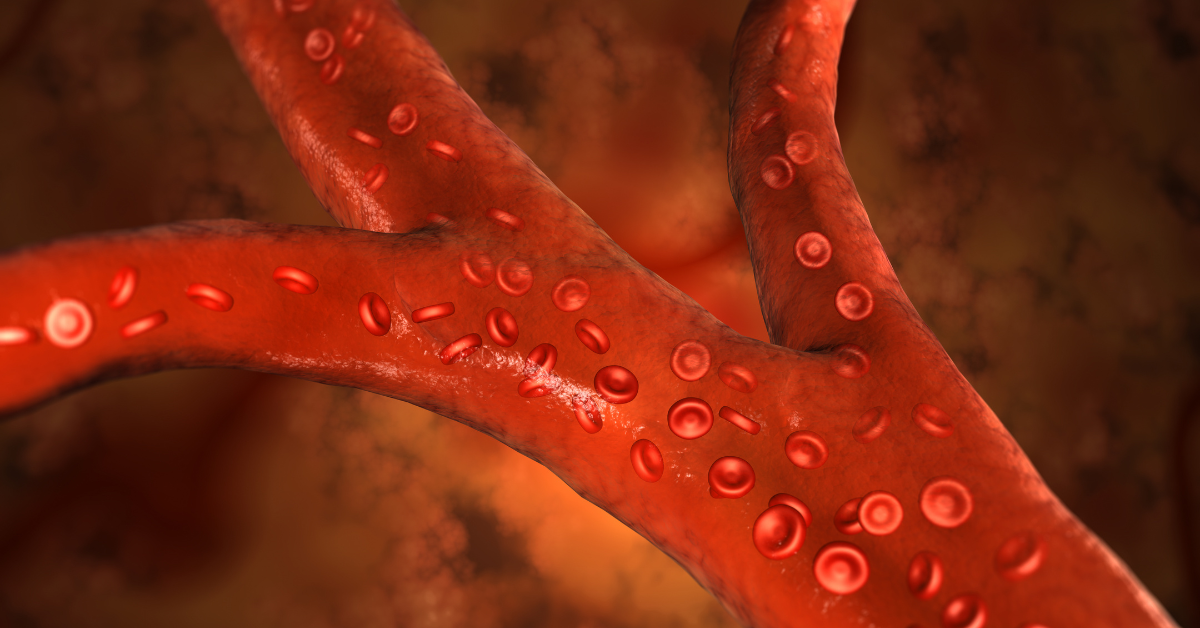
The procedure begins with a small incision in the wrist or groin, followed by the insertion of a tiny catheter. Using advanced X-Ray technology, the doctor will then guide the catheter through the blood vessels until it reaches the arteries that are feeding blood to the prostate gland. Once the catheter has reached the proper location, it releases tiny microscopic beads. These beads then travel to the prostatic arteries, where they create a blockage, which blocks the blood flow that is causing the prostate gland’s enlargement.

Maybe this sounds a little like science fiction, or even too good to be true- but rest assured, it’s not.

Though Prostate Artery Embolization is a relatively new outpatient procedure, it’s nothing to be afraid of. In fact, PAE has one of the highest rates of success. Not only do over 90% of men treated with PAE experience relief from their symptoms in the first year, but relief can continue on for years after that.

In our next article, we will take a look at some of the research backing the use of Prostate Artery Embolization as an effective treatment for BPH. In the meantime, please feel free to call us with any questions about PAE, or to set up a consultation to see if PAE is right for you.

Categories
Enlarged Prostate

Avoiding Prostatitis: Helpful Tips

Prostatitis is the most common prostate condition, especially in men under 50. It is a painful condition that involves inflammation of the prostate gland and is usually caused by a bacterial infection and treated with antibiotics.

Though sometimes prostatitis can result from bacteria entering the prostate during a medical procedure or from another prostate condition such an as enlarged prostate-  The majority of cases are linked to poor hygiene, a sedentary lifestyle, unprotected sex, and a diet that is deficient in vital nutrients.

The good news is, that there are plenty of things that can be done to reduce the chance of getting this type of infection. Here’s a look at a few tips on how to prevent prostatitis, or at least decrease its symptoms and duration.

Practice good hygiene:
One of the best ways to ensure your penis and the area around it are healthy and infection-free is to keep them clean. Adopting proper hygiene habits, and making sure to wash your genital area regularly, can greatly reduce the risk of prostatitis.

Drink more water:
Making sure to keep your body hydrated is essential for maintaining good prostate health. Drinking plenty of fluids will help to flush bacteria from the bladder. It can also help prevent constipation.

Reduce caffeine and alcohol intake:
Though it is important to increase your fluid intake- not all beverages are created equal. Caffeinated beverages and alcoholic beverages can irritate and inflame the urinary tract, bladder, and prostate.

Practice safe sex:
When it comes to avoiding bacterial prostatitis, using a condom can greatly reduce your risk. Sexually transmitted diseases such as chlamydia and gonorrhea can cause bacterial prostatitis as well as other health complications.

Exercise:
Regular physical activity can help prevent prostatitis and inflammation. In fact, according to an Italian study, by exercising three times a week for 18 weeks through either brisk walking or leg lifts, sit-ups, and stretching- previously sedentary men with chronic prostatitis not only felt better, but they had less discomfort, anxiety, and improved quality of life. Exercising improves circulation, and combined with proper hydration can help keep the body clean.

Add more fruits and vegetables to your diet:
With their high levels of antioxidants, vitamins, and other powerful nutrients, fruits and vegetables can help fight infections and reduce inflammation.

Maintain a healthy weight:
Studies have shown that by being overweight, the body is at a much higher risk for a slew of health problems- including an increased risk of prostatitis.

Manage your stress levels:
Studies have found that men who deal with high levels of stress are more likely to experience prostatitis. Not only can stress deplete energy levels, but it also contributes to weight gain, mental health issues, heart problems, and prostate issues. Stress can also exacerbate and increase prostatitis-related pain.

By making the effort to follow these suggestions, you can not only improve your prostate health and reduce the risk of prostatitis- but you can also feel better, look better, and have a much better quality of life.

Categories
Enlarged Prostate

Prostatitis and BPH

When it comes to experiencing prostate symptoms sometimes it’s hard to tell if the symptoms point to prostatitis or an enlarged prostate, also known as benign prostatic hyperplasia. Though both conditions can share similar symptoms, there are certain differentiating factors including the cause and the treatment.

First of all, BPH is a normal part of aging for men. In fact, between the ages of 20 and 50 years old, it is estimated that the prostate nearly doubles in size. And by age 80, it is not uncommon for the prostate to double in size again.

Sometimes men with an enlarged prostate have very few symptoms and do not require treatment. While others with an enlarged prostate will experience pressure on the urethra causing a slew of urinary issues.

If the enlarged prostate is particularly troublesome, an excellent treatment option is Prostate Artery Embolization, which we perform regularly here at MidAtlantic Vascular and Interventional.

However, if you are experiencing an enlarged prostate under the age of 50, chances are this is actually inflammation caused by prostatitis.

Prostatitis, which we covered more in-depth in a previous article, is usually caused by a bacterial infection. This infection causes the prostate to become tender, swollen, and enlarged. Unlike benign prostate hyperplasia, prostatitis is usually treated with antibiotics. Sometimes medications to relax the muscle in the upper part of the urethra are also administered to help relieve any pain associated with the infection.

Enlarged prostate and prostatitis are different diagnoses, however, when it comes to chronic bacterial prostatitis, there can be a connection between the two.

Chronic Bacterial Prostatitis is defined as an ongoing or recurring prostate infection, and one common culprit- an enlarged prostate.

Why is this?

The most common reason for this is that having benign prostatic hyperplasia can cause urinary problems which inhibit the ability to completely empty the bladder. As a result, the stagnant urine acts as a growth medium for bacteria.

Though the symptoms of an enlarged prostate and prostatitis can be similar, there are differences. First, let’s take a look at the symptoms of each.

Symptoms of Benign Prostate Hyperplasia:

  • An urgent, at times uncontrollable, need to urinate, which may lead to incontinence if the person can’t make it to the bathroom in time
  • Trouble urinating
  • Frequent urination
  • Urinary hesitancy, i.e. slow start till urine streams out
  • Weak flow of urine
  • Frequent need to urinate at night, known as nocturia
  • Intermittent flow, i.e. stopping and starting
  • Leaking or dribbling urine
  • Urinary retention

Symptoms of Prostatitis

  • Hematuria (blood in the urine) or blood in semen
  • Pain in the penis and testicles
  • Burning or painful sensation during urination
  • Painful or difficult ejaculation
  • Urethral discharge
  • Pain and/or pressure in the rectum
  • Painful defecation (painful bowel movements)
  • Discomfort and/or pain in the genitals, groin, lower back and/or lower abdomen
  • Recurring urinary tract infections (UTIs)
  • Sexual problems and loss of sex drive
  • Postcoital pain (pain after having sex)

As you can see, both an enlarged prostate and prostatitis are associated with similar urinary problems, however, prostatitis may also be associated with pain during ejaculation,  general abdominal pain, and the other symptoms listed above.

Another key difference is that since prostatitis is usually caused by a bacterial infection, it can cause symptoms such as fever, chills, and a pus-like discharge. These symptoms are rarely associated with an enlarged prostate.

If you think you may have a case of prostatitis or an enlarged prostate, it is important that you reach out to your doctor right away, as ignoring the symptoms, will only make it worse. And by getting the proper diagnosis, you and your doctor can develop a treatment plan, and work to reduce your symptoms and potentially resolve the issue.

Categories
Enlarged Prostate

Male Infertility and Prostate Conditions: A Connection?

These days, much is written and talked about when it comes to female infertility issues, but what about male infertility issues? And what role, if any, can prostate issues play in this?

Turns out, quite a lot.

The prostate is an essential part of the male reproductive system, and when it is not functioning properly or is enlarged, it can cause issues with fertility. It is estimated that 1 out of 7 couples is infertile- meaning they haven’t been able to conceive a child even though they’ve had frequent, unprotected sexual intercourse for a year or longer. Oftentimes the issue is assumed to be a problem within the female body, however, research has shown that in up to half of these couples, male infertility is playing a role.

Though prostatitis is the most common prostate problem for younger men, which can cause fertility issues- An enlarged prostate, which is most frequently a concern for men over 50 can cause issues as well.

As men enter their 40s and 50s, the prostate, which is a small gland that is usually around the size of a walnut, continues to grow. Though this is normal, at some point, if the prostate becomes too large, it can cause a slew of problems. Common issues are discomfort, urinary problems, and erection issues. Furthermore, in cases where the enlarged prostate obstructs the flow of semen or alters the direction of its flow, fertility issues can arise.

That being said, male fertility issues can be caused by a slew of other factors, and an enlarged prostate is just one of them. Some of these are:

  • Problems with sexual function —difficulty with ejaculation or small volumes of fluid ejaculated reduced sexual desire, or difficulty maintaining an erection. ( all of which an enlarged prostate can be linked to).
  • Pain, swelling, or a lump in the testicle area
  • Recurrent respiratory infections
  • Inability to smell
  • Abnormal breast growth (gynecomastia)
  • Decreased facial or body hair or other signs of a chromosomal or hormonal abnormality
  • A lower than normal sperm count (fewer than 15 million sperm per milliliter of semen or a total sperm count of less than 39 million per ejaculate)


So what if the issue truly is a side effect of having an enlarged prostate?

If BPH is the issue, then it’s time to take a look at treatment options.

There are several ways to treat an enlarged prostate that is causing unwanted symtoms, however when it comes to fertility issues, not all treatments are considered equal. In our next article we will dive deeper into the connection between an enlarged prostate and fertility issues, and more importantly, look at the solutions.

Categories
Enlarged Prostate

When Fear Affects Your Health

In today’s world, at least in the United States, awareness is everywhere, about everything. No longer are personal struggles hidden behind closed doors. People are speaking out, writing books, going on talk shows, and starting ad campaigns about everything from recovering from addiction, abuse, cancer, erectile dysfunction, and prostate conditions.

So why is it that so many men still avoid speaking with their doctor about their prostate issues?

For men who experience symptoms associated with an enlarged prostate or other prostate conditions- there are two major impediments to seeking treatment.

The first one is embarrassment. Many men were raised to “be a man” and not ask for help- which is a terrible way to be and can cause a lot of unnecessary stress, and pain, and can even lead to a death that could have been prevented.

The other big issue that often leads to avoiding seeking treatment is fear. This is especially true when it comes to prostate issues, as men are wired to be instinctively protective when it comes to their reproductive parts. Fear about what the diagnosis may be, and the treatment that will be necessary, can often stand in the way of seeking the help that is needed.

Rather than risk finding out that the issue is something more serious like the big “C” diagnosis- cancer, or if it will require surgery, medications, etc.- some will try and ignore the problem altogether- practicing the old “ignorance is bliss” idea.

But ignorance is not bliss. In fact, by avoiding addressing prostate issues head-on with your doctor, BPH symptoms can become painful, disruptive, and interfere with everyday activities and enjoyment. They can affect relationships, stress levels, and mental health problems, and- without proper treatment, the symptoms only become worse.

So what’s the solution? First of all, it’s important to know that you are not alone.

As many as 14 million men in the United States have symptoms of BPH, and worldwide, it is estimated that 30 million men have symptoms. The prevalence of BPH is so frequent, that in some regards, it’s become normal and even at times inevitable. Given that the prostate grows as a man ages, many older men start to experience the symptoms of this around 60. In fact, by age 60, half of all men will have an enlarged prostate, and by age 85, it is estimated that 90%. of all men will have BPH.

Next, knowledge is key- and learning about treatment options can actually put your worried mind at ease.

Some common treatment methods are using medications such as alpha-blockers and 5-alpha-reductase inhibitors (5-ARIs). Your doctor may prescribe one or both types, depending on your symptoms and the size of your prostate gland.

Another great treatment option is Prostate Artery Embolization, which is a non-invasive procedure. PAE is performed through a small catheter inserted by your interventional radiologist into the artery in your wrist or groin. The interventional radiologist will then guide the catheter into the vessels that supply blood to your prostate, using tiny round microspheres (particles) that are injected through the catheter and into the blood vessels that feed your prostate to reduce its blood supply. Following this procedure, the prostate will begin to shrink, which will relieve and improve symptoms within days of the procedure.

So don’t let fear or embarrassment keep you from seeking the help you need. Talk to your doctor about any prostate symptoms that you are experiencing, and find out what treatment options are best for you. You may be pleasantly surprised to find a solution that is much simpler and more effective than you may have thought.

Categories
Enlarged Prostate

Hot Baths, Hot Tubs, and Prostate Conditions

Sometimes there’s nothing better than the soothing relaxation of submerging in a hot tub. Whether it’s after a particularly grueling workout, or a stressful workday- spending time relaxing the body and mind in a hot tub can be very beneficial. But what effect if any, does it have on prostate health?

Studies have found evidence that soaking in a hot tub or hot bath can help decrease inflammation. This can be particularly helpful for men dealing with the uncomfortable symptoms of an enlarged prostate.

According to a study in the Scandinavian Journal of Urology and Nephrology, regular use of a hot tub or a hot bath increases blood circulation in the pelvic area and can ease the constriction of the urethra, thus providing some relief. They also found clear indications that these benefits are due to the heat of the water, and not necessarily what’s in it.

For example, some claim that the only way to get the benefits of heat therapy is to add Epsom salts or other bath salts into the water to help calm symptoms. However, there isn’t much evidence to back this claim. In fact, research primarily shows that the heat of the hot tub or bath relaxes the tightened pelvic muscles. Not only is a hot tub or bath a fast reducer of muscle tension in the pelvis, it can also reduce levels of stress and anxiety, which can aid in recovery.

Though hot water submersion can help relieve symptoms, it is not a cure for prostate enlargement or prostatitis. Men that use hydrotherapy to reduce symptoms, often report that they feel better when they are in the hot water but the effects tend to fade soon after they get out. Nevertheless, the relief of time spent in a hot bath or hot tub can be a true gift to those suffering from pain in the pelvis-  as more often than not, any reduction of symptoms for any length of time is welcomed by those suffering from prostate conditions.

When it comes to using a hot tub, whether it’s your own or one that belongs to a gym or a spa- it’s important to check to make sure the tub is clean and properly maintained. It’s also important to avoid water that is too hot. Most studies recommend that the water isn’t any hotter than 104°F (40°C).

Another important factor is to drink plenty of water and limit your time in the tub. Hot tubs make you sweat, and can leave you dehydrated, which will only exacerbate prostate symptoms.

Therefore to get the benefits of relaxation and a reduction in inflammation, most research recommends spending 10 to 15 minutes, or longer if the temperature is lower or you are comfortable.=

Lastly, this may seem obvious- but a critical aspect of using a hot tub as opposed to a bath at home is to make sure to shower after and thoroughly wash your body with soap. And, as tempting as it might be to make the shower cold- it’s best to avoid doing that, as this can spike your blood pressure and potentially lead to headaches, dizziness, chest pain, and other issues.

The bottom line, there is evidence to show to submerging in a hot tub or a hot bath regularly, can help provide temporary relief from the symptoms associated with prostate conditions. However, it’s important to check with your doctor to make sure this form of therapy is safe for you and your recovery. It’s also important to refrain from using any public hot tub if you are experiencing a UTI, an infection, or are recovering from a prostate procedure or surgery.

So check with your doctor, and if you get the green light, try relaxing in a hot bath or a hot tub. You might feel better physically better, and, as a bonus, mentally better as well.


Categories
Enlarged Prostate

Erectile Dysfunction and an Enlarged Prostate- What’s the Connection?

We’ve all seen the commercials, and heard the jokes. Or maybe you are someone or know someone who’s used it. We’re talking about viagra, and more specifically Erectile Dysfunction. Fortunately, erectile dysfunction, commonly referred to as ED,  is no longer something that’s only whispered about within a relationship, or embarrassingly disclosed to a doctor. It’s an accepted issue, with accepted solutions. However, for those with an enlarged prostate, the solution might not be as easy as a prescription and a pill.

We already know that a man’s prostate continues to grow as he ages, making an enlarged prostate, or BPH, quite commonplace. However, sometimes, without proper treatment, an enlarged prostate can be problematic. An enlarged prostate can lead to many urinary symptoms and increased urinary infections, and yes, it can affect a man’s sex life.

A study published in Mayo Clinic Proceedings looked at the link between common BPH urinary symptoms and sexual dysfunction. Researchers studied 2,115 men between the ages of 40 and 79, by having them complete a questionnaire about their sexual function and urinary tract symptoms every two years. What they found was that sexual function and severy of urinary tract symptoms had a definite inverse relationship. The more urinary problems, the less sexual function.

The study also found that the urinary tract symptoms caused by an enlarged prostate that were most associated with sexual dysfunction were:

  • A feeling of urgency
  • Needing to get up multiple times at night to urinate
  • A weak urine stream
  • Straining to start urinating

These urinary symptoms were all associated with:

  • Difficulty getting or maintaining an erection
  • The way men felt about problems with sexual drive, erection, and ejaculation
  • Sexual satisfaction problems

So the solution is to treat the BPH that is causing the urinary issues that are then leading to ED, right?

Yes, but it’s complicated.

Treating the enlarged prostate can be helpful when it comes to urinary issues and ED, however, not all treatments are created equal. In fact, some drugs that are used to treat BPH can actually cause ED and reduce sperm count. Proscar, for example, which is an anti-testosterone drug used to treat BPH has been linked to ED. In fact, studies have found that 3.7% of men using Proscar struggle with ED, and 3.3% report having diminished libido.

That being said, research has also discovered that there is a  positive correlation between drugs used to treat ED, like Viagra and Cialis, which can actually improve BPH and reduce urinary symptoms. It has also been shown that the drug Flomax, an alpha-blocker that relaxes the muscles in the prostate and bladder neck, making it easier to urinate- can improve the symptoms of BPH with a lower risk of sexual side effects.

Another treatment option that can help solve problems with ED by reducing or even eliminating the symptoms of BPH, is Prostate Artery Embolization ( PAE).

This minimally invasive procedure, which we offer here at MidAtlantic Vascular and Interventional,  has a high rate of success, with over 90% of men experiencing relief in the first year. And unlike some of the other treatment options, PAE does not affect sexual performance.

If you are one of the many men that struggle with prostate conditions that are causing or contributing to ED, there is a solution.

Please call us today to talk about your treatment options.

Categories
Enlarged Prostate

Preventing Summer UTIs

Summer is here, and with that comes sunny beach days, vacations, barbecues with family and friends, and an increase in Urinary Tract Infections.

Yep, you read that correctly. Each year, more than 8 million people are treated for urinary tract infections, and research shows that the majority of them happen in the summer. According to a report on LiveScience.com, one particular study tracked a 15% increase in diagnosed UTI cases when temperatures climb to around 80 degrees.

Why is this?

First, let’s look at what a UTI is.

A UTI is an infection that occurs when bacteria enter the urinary tract through the urethra and travel up to the bladder. These bacteria are the result of e. Coli or other bacteria which can grow in the urine, affecting both the upper and lower urinary tracts. This includes the kidneys, ureters, bladder, and urethra. This bacteria thrives in warmer temperatures, making it more likely that the urinary tract will be exposed to bacteria during the summer months.

Common symptoms of a urinary tract infection include:

  • Frequent urination
  • A burning sensation when urinating
  • A strong, persistent urge to urinate
  • Cloudy, bloody, or strong-smelling urine
  • Pelvic pain or pressure in your lower abdomen
  • Fever or chills

It is estimated that about one-third of men with benign prostatic hyperplasia will develop urinary tract infections. The reason is, that when the prostate gets bigger, it can squeeze or partially block the urethra, which leads to problems urinating, such as the inability to empty the bladder completely. That stagnant urine can then act as a growth medium for bacteria, which can potentially lead to a UTI.

Given that BPH is most common in older men, this can also coincide with other problems, such as fecal incontinence. This occurrence can significantly increase the likelihood of developing a UTI. One way this can be avoided is to always wipe from front to back after going to the bathroom. This will prevent bacteria, such as ecoli, from having access to the urethra. Another contributing factor to UTIs is the long-term use of urinary catheters since using a catheter can also introduce bacteria into the bladder.

So what can be done to help prevent a UTI this summer?

Practice safe sex: Condom use can help prevent bacterial infections that are transmitted through sexual contact. As well as urinating after sex to clear out any bacteria that may have entered the urethra.

Don’t “hold it in”: Urinate when you feel the urge. Holding it in can lead to a collection of bacteria in the bladder or urinary tract.

Use good hygiene: Wipe from front to back after bowel movements, and wash your hands thoroughly afterward.

And a big one, when it comes to the summer months, is wearing the right clothing and drinking enough water. This means, instead of playing that game of beach volleyball in your wet swimsuit, which can promote bacterial growth, switch to a dry pair of shorts.

As for drinking enough water, this is critical for a number of reasons- one being, that dehydration can increase the likelihood of a UTI. So, in order to avoid dehydration, it’s important to sip cool drinks throughout the day. Not only can water help to prevent UTIs, but it also helps our blood to more efficiently transport nutrients and oxygen throughout the body. Even more, staying hydrated lubricates joints, keeps mucus membranes moist, and helps regulate not only our body temperature but also our heart rate and blood pressure.

Most UTIs are easily treated with antibiotics, depending on the bacterial strain, and do not cause significant complications. However, if left untreated, UTIs can cause many serious issues, most commonly, kidney infections. These infections can cause permanent damage, including reduced kidney function, scarring, and more. And, if the infection spreads from the kidney to the bloodstream it can even cause septicemia – which can be life-threatening.

If an underlying cause of a UTI is an enlarged prostate, treatment may be needed to avoid a recurring infection. Undergoing a procedure such as Prostate Artery Embolization, which we offer here at MidAtlantic Prostate Care, can improve lower urinary tract symptoms caused by a Benign Prostatic Hyperplasia, thus helping you to avoid not only UTIs but other uncomfortable symptoms as well.

For more information, call us today at: 301-622-5360.

Categories
Enlarged Prostate

To Stand or Not To Stand

Believe it or not, when it comes to urinating with prostate issues- sitting down may be the best choice.

According to research from the Leiden University Medical Centre in the Netherlands, “sitting down to pee allows for a more favorable urodynamic profile”. This means, roughly, the flow of uring is stronger which can help keep prostate symptoms at bay.

Researchers found that when men stand at a urinal, muscles around the lower abdomen, pelvis, and spine are activated- which can actually prevent proper and complete urination- and, in turn, adversely affect the prostate.

This kind of study isn’t new. The researchers stated that “Ever since men had the choice to urinate either standing or sitting, the optimal voiding position ( squatting) has been a topic of discussion.” However, they acknowledged that “Only a handful of studies have investigated the effects of voiding posture on urodynamic parameters by comparing the standing versus the sitting position.” Therefore they went further and conducted a meta-analysis of studies regarding Lower Urinary Tract Symptoms ( LUTS).

After analyzing a whopping 2,352 publications and 96 studies, the team was able to narrow down the material to the most viable studies.

What did they find?

They found that the findings were consistent across each study, saying “We found that in patients with LUTS the sitting position is associated with a trend towards a more favorable urodynamic profile.” The profile confirmed each measure they hypothesized about: When men with LUTS sat down to urinate, they did so faster, longer, at a greater pressure, and released more urine than men with LUTS who stood.

Sitting down to urinate is especially beneficial to older men with prostate problems. According to urologist Jamin Brahmbhatt M.D., in an interview published in the online publication Fatherly, “Men may start peeing sitting if their prostates are large and they need to help relax the pelvic muscles in an effort to help push the urine out.” As a result of emptying their bladders more effectively, these men can reduce the risks of cysts and a bevy of other health complications.

In Japan, a new study has shown that since the beginning of the pandemic more Japanese men than ever, are sitting down for relief. The study found that 70% of men sit, compared to 51% a few years back. There is also evidence to support a cultural change surrounding the habit in Germany, France, Sweden, The Netherlands, and Taiwan.

Though there are many health benefits to sitting versus standing, let’s not overlook another contributing factor as to why more men are sitting down to pee- many mothers and partners want them to. Why? It’s quieter, it’s cleaner, and they never have to tell you to put down the toilet seat, again.

So whether you sit or stand to urinate, is ultimately up to you. However, if you do have a prostate condition, or are struggling with LUTS, maybe give sitting down the old college try. It could help you feel better, sleep better, and… it could make your partner happy to never have to put the seat down again.