
Categories
Knee Osteoarthritis

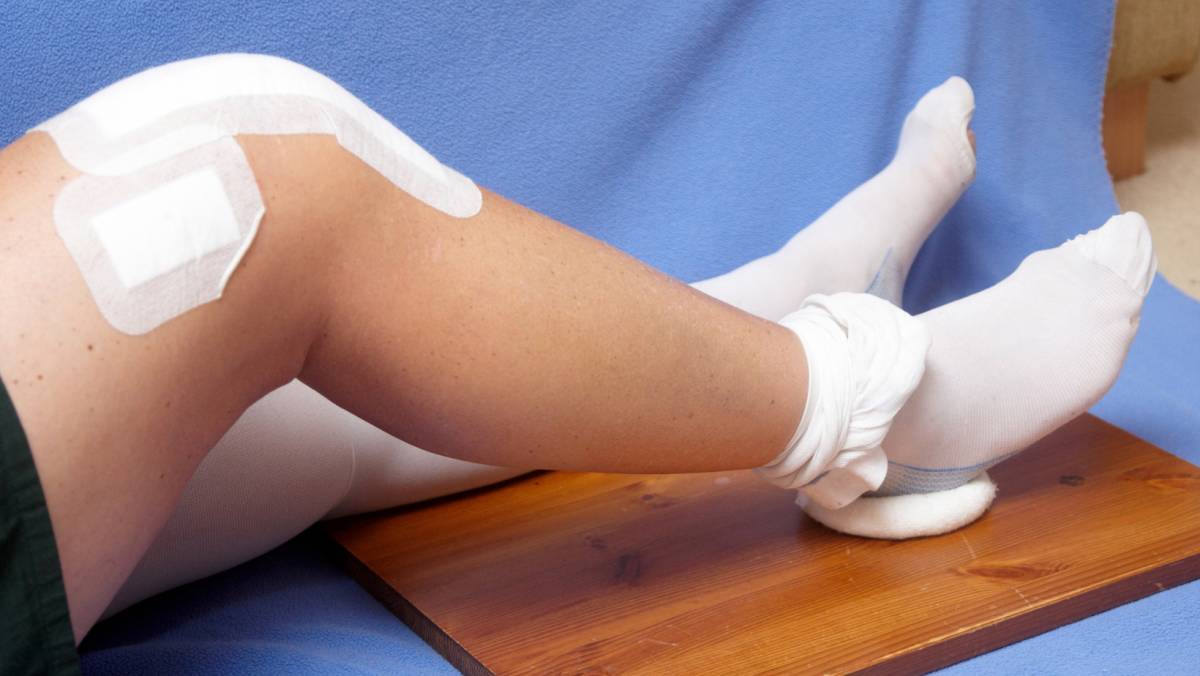
The High Cost of Knee Replacement Surgery

Of all of the different types of arthritis, osteoarthritis is the most common, affecting over 30 million adults in the United States alone.

And knee osteoarthritis, which used to be considered just a normal wear and tear associated with aging, affects more than just the elderly.

In fact, according to a study called The Framingham Osteoarthritis Study, published in Arthritis Rheumatology, symptomatic knee osteoarthritis affects at least 4.3% of men and 8.1% of women of all ages.

So it’s not just the wear and tear of age and time.

That being said, symptomatic knee osteoarthritis does predominantly affect individuals over the age of 65, with roughly half of the people experiencing a life-limiting physical disability as a result.

According to estimates from the Framingham Osteoarthritis Study, the number of individuals over the age of 65 is projected to rise to 78 million by 2035 from 49.2 million in 2016. This means the prevalence of knee osteoarthritis will potentially skyrocket as well.

In fact, according to an article published by the United States Bone and Joint Initiative, entitled The Burden of Musculoskeletal Diseases in the United States the number of Americans receiving a total knee arthroplasty (also known as knee replacement surgery) was over 4.7 million individuals in 2010 with the overall trend being of increasing prevalence over time.

The rising number of individuals both young and old suffering from knee osteoarthritis pain is not only a hindrance to the quality of life for millions of people, but it is also expensive.

According to the aforementioned article by the United State Bone and Joint Initiative, the annual total hospitalization charges for knee replacement surgery nearly quadrupled from $8.1 billion in 1998 to $38.5 billion in 2011!

Furthermore, from that, they also estimated that the average lifetime direct medical cost for treatment for individuals diagnosed with knee osteoarthritis is estimated to be $12,400 or 10% of all estimated direct medical expenses for those individuals.

Most of these costs are attributed to knee replacement surgeries which on average cost around $20,293, and for patients that require revision surgery, the additional costs on top of the initial surgery cost, average $29,388.

Fortunately, medical advancements have been made in the treatment of knee osteoarthritis, which can effectively lower these costs. One of the key advancements is a treatment procedure for knee osteoarthritis called Genicular Artery Embolization.

In our next article, we will take a look at this effective and more affordable outpatient procedure.

Categories
Knee Osteoarthritis

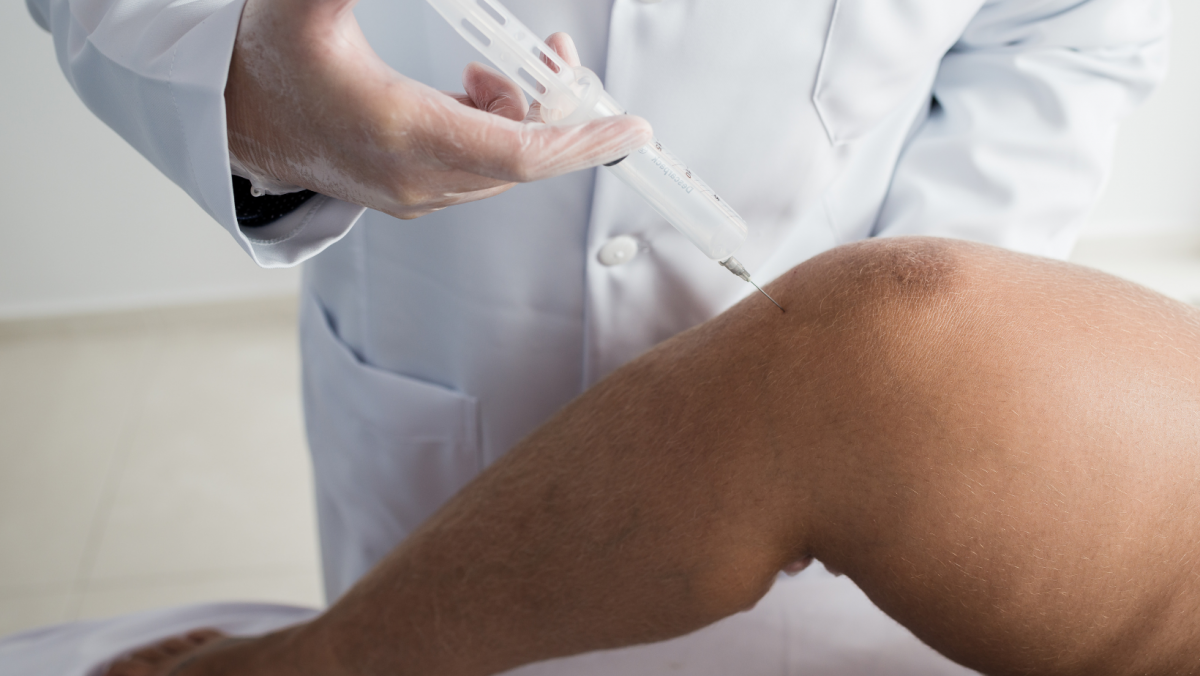
Hyaluronic Knee Injections: Worth the Risk?

Osteoarthritis is the most common form of arthritis, affecting 32.5 million US adults.

32.5 million US adults!?!

Yes, you read that right.

Not only that but it is estimated that 1 out of 4 adults experience chronic knee pain.

With so many people experiencing knee pain and osteoarthritis, it’s no wonder that millions of people have turned to knee injections to help offer quick relief.

However, the potential relief that knee injections can provide does come at a cost, both financially and physically. As a result, some doctors advise against using these injections as a solution for osteoarthritic knee pain.

Over the past few weeks, we have taken a look at two different kinds of knee injections: Corticosteroid injections, and Hyaluronic Acid Injections, also known as viscosupplementation injections.

In our last article, we looked at the risks associated with corticosteroid injections, which range from osteoporosis of nearby bone tissue to joint infection, nerve damage, and several other potential reactions.

This week we are going to look at the side effects and risks associated with the use of Hyaluronic Acid Injections for osteoarthritis knee pain.

Hyaluronic acid is a gel-like substance that occurs naturally in the body as part of the synovial lining that coats the joints. Hyaluronic acid is also present in other areas of the body such as the skin and eyes, where it helps retain moisture and keep these areas lubricated.

When it comes to relieving osteoarthritis knee pain, hyaluronic acid is sometimes injected into the knee to help provide cushioning and lubrication. This temporary solution can ostensibly help decrease knee pain and inflammation, as well as improve knee function.

Unfortunately, just like with corticosteroid knee injections, the relief experienced as a result of hyaluronic acid injections is only temporary. Furthermore, the results following hyaluronic injections can actually vary greatly.

Some studies have found that the duration of relief following this type of knee injection can last for a period anywhere from up 2 months, or in some cases up to 6 months. And, on average, the most pain relief is experienced between weeks 5 and 13.

For every study that finds hyaluronic knee injections to be effective in managing osteoarthritic knee pain, there are countless others that find the impact to be inconclusive or even negligible.

Some studies have even found that treating knee osteoarthritis with injections of hyaluronic acid doesn’t do anything to help relieve knee pain, and these injections may even raise the risk of adverse effects.

One of these studies was published by the British Medical Journal in July of this year.

The study was led by an international team of researchers that set out to review existing studies on the effect of hyaluronic acid injections on relieving knee pain and improving knee function in patients diagnosed with knee osteoarthritis.

After combing through years and years of data, the researchers were able to identify 169 studies involving 21,163 patients with knee osteoarthritis that compared hyaluronic acid injections ( also known as viscosupplementation) with either placebo treatment or no treatment.

The main analysis of this review found that viscosupplementation was associated with a small reduction in pain when compared with a placebo. However, the difference was so slight, that it was described as being “clinically irrelevant.”

The researchers also found ample evidence that showed that since 2009, hyaluronic acid injection and placebo treatment have led to the exact same clinical outcome in terms of pain reduction, which renders these injections useless.

Another key finding in this particular research study was the risk of serious adverse effects. The researchers found that the risk of adverse effects from hyaluronic acid injections was 45% higher than from placebo.

The most common side effects from hyaluronic acid injections include pain at the injection site, fluid build-up in the knee, and allergic reactions.

Many people also encounter a flare-up of their arthritis after the injection, which can cause additional pain and swelling in the short term.

Other risks of hyaluronic acid injections include bleeding and the risk of a serious infection.


The Bottom Line:
Similar to corticosteroid knee injections for osteoarthritis, hyaluronic acid injections are only a temporary solution at best, to relieve knee pain caused by osteoarthritis.

However, it is important to keep in mind that they do not work for everyone and that these injections do come with the risk of adverse effects and as a result, more health problems.

Therefore, in order to truly treat knee osteoarthritis, other methods need to be considered such as physical therapy, improvements in diet and exercise, and in some cases it may be beneficial to have knee surgery or a less invasive procedure such as genicular artery embolization.

If you are interested in finding out if you can benefit from genicular artery embolization and experience the long-term benefits of this non-invasive procedure to treat your knee osteoarthritis, please call us and set up your consultation today.

Categories
Knee Osteoarthritis

Hyaluronic Acid Injection for Osteoarthritis

Another type of knee injection that is used to temporarily reduce knee pain, is a Hyaluronic Acid Injection, also known as viscosupplementation.

Hyaluronic acid is a gel-like substance that occurs naturally in the body as part of the synovial lining that coats the joints. Hyaluronic acid is also present in other areas of the body such as the skin and eyes, where it helps retain moisture and keep these areas lubricated.

When it comes to relieving osteoarthritis knee pain, hyaluronic acid can be injected into the knee to help provide cushioning and lubrication.

The injection of this lubricating fluid into the knee joint can sometimes result in temporary lubrication that may help to decrease knee pain and inflammation, as well as improve knee function.

However, unfortunately, just like with corticosteroid knee injections, the relief experienced as a result of hyaluronic acid injections is temporary.

That being said, though hyaluronic injections are temporary solutions, and will not cure knee conditions, they can be effective at relieving knee pain, in some cases, for up to six months.

The process of getting a hyaluronic knee injection is done through what is known as an intra-articular injection. This injection is usually administered by a nurse or trained healthcare professional, who should first check to make sure that this type of injection is suitable for you.

Typically hyaluronic knee injections are between one and five injections, usually a week apart depending on the brand of hyaluronic acid your healthcare professional uses.

The recovery period, post-injection typically involves avoiding jogging, high-impact sports, or being overly active for at least a few days following the injections. It is also recommended to avoid carrying heavy items or standing for long periods post injections.

For some, hyaluronic injections can provide immediate relief. While for others, it can take several weeks for the inflammation and pain to subside.

In fact, several clinical studies have investigated the effectiveness of hyaluronic acid injections in treating knee osteoarthritis. And one of their findings was that the average time it takes to experience pain relief is around 4 weeks post-injection.

Studies have also found that the duration of relief periods can vary from 2 months to up to 6 months. With the most effective period, on average, being between weeks 5 and 13.

It’s important to note that not all studies conducted to test the effectiveness of hyaluronic acid injections in treating knee osteoarthritis have reported positive results. For this reason, some doctors may not recommend this treatment. Research also shows that these injections may not work in overweight people due to the narrowing of joint space in the knee.

More recently, other types of injections are emerging, though they are still in the experimental stage, and are not FDA-approved at this time. These include using platelet-rich plasma or stem cells to help relieve pain and potentially encourage the healing of damaged soft tissues. Some people have found that these injections can provide long-term relief and help them to remain active, but they may not be suitable for all.

The bottom line when it comes to hyaluronic knee injections is that they do not treat osteoarthritis or the knees themselves. However, they can provide temporary relief.

This temporary relief can be best put to use by using it as a time to begin physical therapy and exercises to help strengthen the muscles that support the knee. It’s also a potential treatment to help relieve the pain in the weeks leading up to surgery or genicular artery embolization, which will provide long-term pain relief.

In our next article, we will take a look at some of the side effects and risks associated with corticosteroid and hyaluronic acid injections. As well as dive deeper into what the research says about these temporary solutions to osteoarthritis knee pain.

Categories
Knee Osteoarthritis

Knee Injections: Do They Work?

Knee osteoarthritis is painful and can cause a decrease in mobility that puts limits on what you can do. Therefore many people turn to knee injections to help relieve this pain.

So what are knee injections? And do they work?

When physical therapy and pain medication taken by mouth fail to relieve the aching pain caused by osteoarthritis of the knee, sometimes doctors will recommend an injection of medicine directly into the arthritic joint. These injections of medicine can reduce inflammation and relieve pain.

The most common type of knee injections are corticosteroid injections and hyaluronic acid injections. Let’s take a look at what these medicines are and how they work, starting with corticosteroid injections.

Corticosteroids are synthetic drugs that closely resemble cortisol- which is a hormone that is naturally produced by the adrenal glands and regulated by the pituitary gland inside the brain.

Cortisol is essential for life, as it helps to maintain blood pressure, immune function, and the body’s anti-inflammatory processes.

Cortisol can also:

–  help the body manage stress

–  convert protein into glucose to boost flagging blood sugar levels

–  work in tandem with the hormone insulin to maintain constant

–  blood sugar levels

–  reduce inflammation

–  contribute to the maintenance of constant blood pressure

–  contribute to the workings of the immune system.

Corticosteroid is a synthetic cortisol that is also used to help relieve knee pain by treating inflammation that is responsible for swelling and pain. Once injected into the knee, corticosteroids work quickly to temporarily relieve knee osteoarthritis pain.

The temporary pain relief from a corticosteroid injection can be helpful if a person with knee pain needs to engage in physical therapy, attend to an important life event, or postpone knee replacement surgery or genicular artery embolization to a later, more convenient time.

That being said, the key word here is temporary.

Though these injections can be helpful, they do not treat the knee condition itself, but rather provide short-term, temporary relief. Relief, that over time, will wear off completely.

It’s also important to note that just like any medication-related treatment, corticosteroid injections do not work for everyone. And, even when they are effective, the results may vary.

Some studies show that on average, just 40% of patients feel better after receiving cortisone shots for knee osteoarthritis.

In one study, one month after undergoing treatment, people who received cortisone injections were asked to report and rank their improvements on a 10-point scale, with 1 being the least improvement and 10 being the most improvement.

The average score that the participants ranked their improvement in symptoms was a 5 out of 10.

So yes, the injection helped, but only slightly.

The Bottom Line: Corticosteroid injections can be helpful for short-term knee pain relief leading up to a long-term solution treatment such as surgery or genicular artery embolization. However, these injections are not without their own set of side effects and risks.

In our next article, we will take a look at the use and efficacy of hyaluronic acid injections. As well as dive deeper into what the research says about these temporary solutions to osteoarthritis knee pain.

Categories
Knee Osteoarthritis

Finding Relief From Knee Pain

It is estimated that 800,000 Americans get knee replacement surgery every year, however, the number of people that have painful knee osteoarthritis is significantly more.

This means that many people in this country and worldwide, are suffering from the debilitating knee pain that comes with untreated osteoarthritis.  Which as a result, can interfere greatly with their daily lives, and limit what they can and can not do.

No one deserves to live with the significant pain, limited physical capabilities, and reduced quality of life that comes from living with untreated knee conditions. Especially with the many treatment options that are available.

The most common method of finding relief from knee pain due to osteoarthritis is through the use of medications or injections.

Though these methods may be helpful for those with milder cases of knee osteoarthritis, these types of treatments only offer temporary relief, and often come with a slew of unwanted side effects, and other health risks.

The most common medications taken to provide some relief from knee pain belong to a class of medications called NSAIDs.

NSAID stands for “nonsteroidal anti-inflammatory drugs”. Examples of these commonly used nonsteroidal anti-inflammatory medicines are aspirin, ibuprofen, naproxen, and some narcotics.

Though helpful in the short term, long-term use of these medications can lead to serious side effects.

The most common side effects of NSAIDs are gastrointestinal problems, including stomach irritation and reflux. It has also been reported that in some cases NSAIDs can contribute to heart problems and increase the risk of cardiovascular conditions.

Other side effects associated with using NSAIDs:

• Stomach irritation and ulcers
• Gastrointestinal (GI) bleeding
• Increased potential for bruising
• Exacerbation of asthma symptoms
• Increased risk of stroke, heart attack, and blood clots
• Kidney damage

Another NSAID that is used to relieve osteoarthritis pain is a prescription-strength medication called celecoxib, also known by its brand name Celebrex.

This medication is more likely to be prescribed to patients that can not take some of the other over-the-counter NSAIDs due to stomach issues, as celecoxib is less likely to cause gastrointestinal bleeding. However,  there is evidence to suggest that celecoxib can contribute to the development of heart problems.

Some people can not take NSAIDs for a variety of reasons, in which case they might opt to take acetaminophen to relieve pain, also known by the brand name Tylenol.

Acetaminophen can relieve pain but does little to reduce inflammation. And, though it is widely used to treat pain, most doctors do not recommend acetaminophen as it is more likely to harm the liver than some of the other pain-relieving options that are available. In fact, too much acetaminophen can not only cause liver damage but can even lead to death.

Furthermore, some studies have even found that acetaminophen does little to help relieve osteoarthritis pain, especially when compared to the efficacy of NSAIDs.

When it comes to severe knee pain, another common pain reliever is a type of medication called an analgesic. These medicines are commonly known as “painkillers” and they work by blocking pain signals in the body. Though acetaminophen is technically an analgesic, the term is more often used to describe prescription painkillers such as tramadol, and opioids containing hydrocodone or oxycodone.

In our next article, we will dive deeper into looking at medications that are commonly used by those suffering from knee pain by focusing on their benefits as well as their risks.

In the meantime, if you would like to learn more about a non-invasive procedure to treat knee osteoarthritis, so as to avoid knee replacement surgery and the overuse of pain relievers, please call us today to set up a consultation at MidAtlantic Vascular and Interventional, 301-622-5360.


Categories
Knee Osteoarthritis

Enjoying the Fall, Pain Free

Though we can not control fluctuating temperatures during the changing of the seasons, we can take action to lessen the impact it can have on our bodies.

In our last article, we took a look at 5 simple ways to decrease weather-related knee pain, which were:

  • Turn up the heat and keep those joints warm by keeping your home warm.
  • Wear warm clothing to keep your body warm, especially when going outdoors, be sure to layer up.
  • Take warm showers and baths to help boost circulation and soothe achy joints.
  • Exercise even though it’s tempting to cuddle up under a warm blanket all day, by moving your joints, will help decrease joint pain, and make you feel better all around. If it’s too cold out, try walking on the treadmill, or swimming in an indoor pool.
  • Stretch those joints with some yoga, and light stretching. Even stretching for just 10 minutes is enough to make a positive impact.

All of these recommendations are effective and 100% doable, but it gets even better than that…because…there’s more!

Here are five more easy solutions to decreasing weather-related joint pain, so that you can enjoy the fall and all the joy and activities that can come with it.

1. Hydrate

Hydrate, hydrate, hydrate. Our muscles and bones are composed of a high percentage of water, and keeping them hydrated is crucial to the health and function of our bodies. If the weather is cold, try adding a few cups of tea to your daily water intake. Not only will this aid in hydration but it can also help warm up the body, which on a chilly day is definitely a win-win.


2. Non-Steroidal Anti-Inflammatory Drugs (NSAIDs)

Depending on the severity and frequency of pain, you may wish to speak with your doctor about taking anti-inflammatory NSAIDs, like ibuprofen, on days when the fluctuating temperature is aggravating your joints. NSAIDs can be very helpful at reducing pain and inflammation in the short term, however, they can interact with many other medications, so it’s important to speak with your doctor or pharmacist first.


3. Get Enough Sleep

Being sure that you are getting enough sleep is important for overall health, regardless of the changing weather. However, this may mean that you’ll need to make some adjustments to your sleep routine due to the days getting shorter, and thereby getting darker, earlier.


4. Eat Healthy Nutritious Food

This one may be obvious in its benefits for overall health including knee health- however, its benefits can be particularly helpful for those of us that are sensitive to weather fluctuations. Eating a diet that is high in anti-inflammatory foods, like those found in the Mediterranean Diet, can help keep inflammation low and reduce joint pain, regardless of the weather.


5. Stay Positive

Staying positive doesn’t mean that you should ignore your knee pain, but it does mean that you can change your attitude about it.

When the body hurts, it’s trying to communicate with us. This is valuable information that we can be grateful for. This information could mean we need an extra layer or two, or maybe we need to rest more, eat better, call a friend, take a walk, watch a movie, and just plain take good care of ourselves. And when it comes to weather-related knee pain, stay positive by reminding yourself that this too shall pass.

The Bottom Line: No matter how your body responds to the ever-changing weather, there is always something you can do to help ease any pain and discomfort. That being said, if your joint pain is persistent and interfering with your life, it should definitely be addressed by speaking with your doctor, and seeing if any further treatment may be necessary

Fortunately, there are many excellent treatment options to reduce joint part, and in particular knee pain caused by osteoarthritis. One of the best treatment options is a procedure that we specialize in here at MidAtlantic Vascular and Interventional called Genicular Artery Embolization. To learn more about this procedure give us a call today.

In the meantime, as the weather changes from summer to fall, get out the sweaters, and the blankets, and make your favorite cup of tea. Then get ready to cuddle up with a good book, a movie, or a long chat with a friend, while you enjoy the relief that comes from keeping those knee joints warm and cozy.