
What do heavy menstrual cycles, fatigue, dizziness, pelvic pressure and bloating, enlargement of the abdomen, constipation, increased urinary frequency, heavy bleeding (menorrhagia), pain during sex, and even infertility all have in common?
If you guessed “symptoms caused by uterine fibroids.”
You’re right!
Although fibroids are non-cancerous, due to the many painful, uncomfortable, and life-limiting side effects, many women choose to have them removed.
One of the most common and frustrating symptoms of uterine fibroids is heavy bleeding, also known as menorrhagia.
It is estimated that as many as 35 percent of women in their reproductive years experience menorrhagia, and fibroids can be a leading cause of this.
In fact, fibroids have been found in more than 10% of women with menorrhagia overall and in 40% of women with severe menorrhagia.
According to the National Library of Medicine (NLM), an estimated 26 million women between 15 and 50 have uterine fibroids. Of those, nearly 15 million women experience associated symptoms or linked health-related problems, such as heavy menstrual bleeding.
So what is considered to be heavy bleeding, and how do fibroids contribute to this?
Most gynecologists and physicians agree that heavy bleeding can be defined as:
– Bleeding that lasts for longer than eight days.
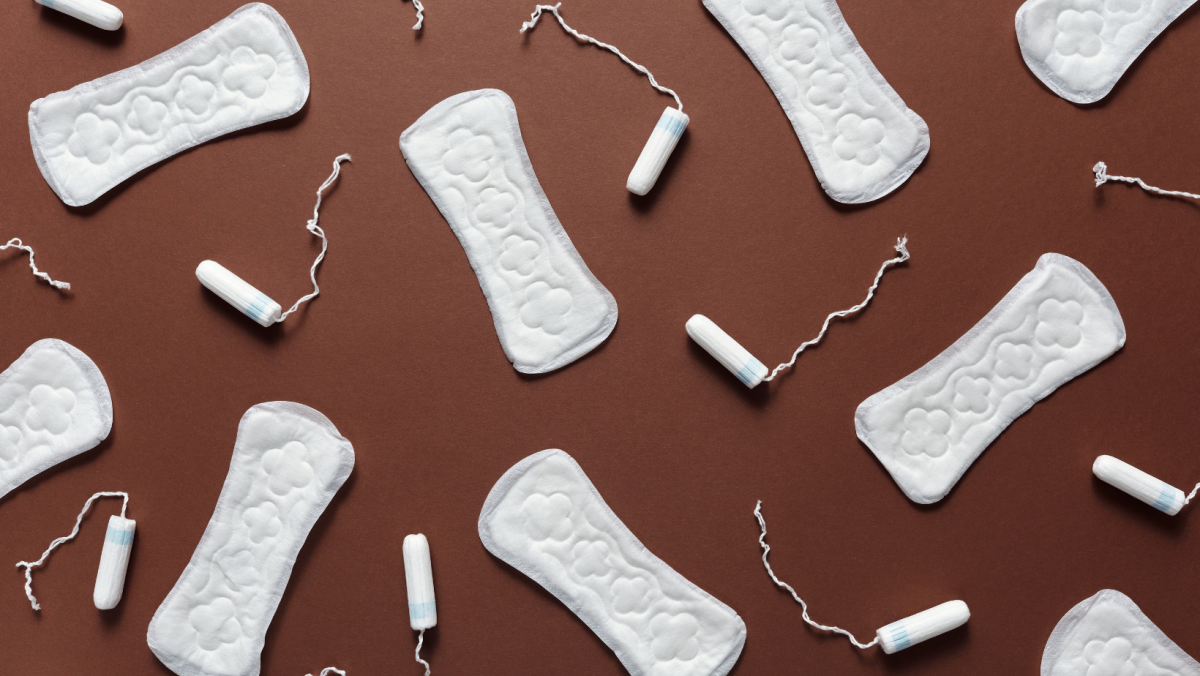
– Bleeding that requires frequent sanitary pad or tampon changes, approximately every hour or more.
Why do fibroids cause heavy bleeding?
While there is no one reason that heavy bleeding occurs with fibroids, there are several factors that contribute to this symptom, including:
– Added pressure on the uterus from the fibroids
– Irregular contractions of the uterus
– Blood vessel growth stimulation caused by fibroids increases the amount and frequency of bleeding and spotting between periods
– Elevated hormone levels
Fortunately, there are several treatment options for women with fibroids, which can help reduce or resolve completely, the symptom of heavy bleeding.
The most common treatment methods for fibroid-related menorrhagia include medication and major surgery such as a hysterectomy or a myomectomy. As well as, a procedure that has been rapidly gaining in popularity for its effectiveness and shorter recovery time, which is called Uterine Fibroid Embolization.
Since 1995, Uterine Fibroid Embolization, which is a non-invasive procedure performed either solely or primarily through the uterine artery, has been helping women who suffer health issues related to uterine fibroids. Furthermore, as UFE continues to grow in popularity as a treatment method for uterine fibroids, a plethora of research continues to document its promising results.
The goal of this procedure is to relieve symptoms by blocking the artery that is supplying blood to the fibroids, which causes them to shrink and die.
So how effective is this procedure in relieving the symptoms of fibroid-related heavy bleeding?
It is very effective.
In fact, multiple studies show that fibroid embolization is at least 90% effective when it comes to reducing fibroid-related bleeding and pain.
Not only that, but time and time again, women are reporting that they are experiencing a significant change in their fibroid symptoms within days following the procedure.
This is incredible, especially considering that other treatment methods can take months to show signs of improvement.
One of the earliest studies of the effectiveness of UFE was published in The Journal of the American Association of Gynecologic Laparoscopists.
The study followed up with 305 women who were treated with the procedure, up to a year after treatment, and what they found was quite promising.
They found that the symptom of heavy bleeding was controlled in 86% of patients at 3 months and 92% at 12 months. And, they also found that the bulk of fibroid symptoms was controlled in 64% of patients at 3 months and 92% at 12 months.
Another study, which was published in the medical journal Radiology reported the results of following up with 80 consecutive patients treated with UFE for menorrhagia caused by fibroids.
Researchers followed up with this group of women for a minimum of 2 years and discovered that menorrhagia was controlled in over 90% of these women!
These are just a few of the studies regarding the impact that Uterine Fibroid Embolization can have on relieving the fibroid symptom of heavy bleeding. A simple google search will bring up study after study where the findings are similar to those stated above.
But wait…there’s more…much more.
In our next article, we will look at what the research says regarding the impact that Uterine Fibroid Embolization can have on some of the other common symptoms of uterine fibroids such as pelvic pressure and pain.