Categories
Fibroids

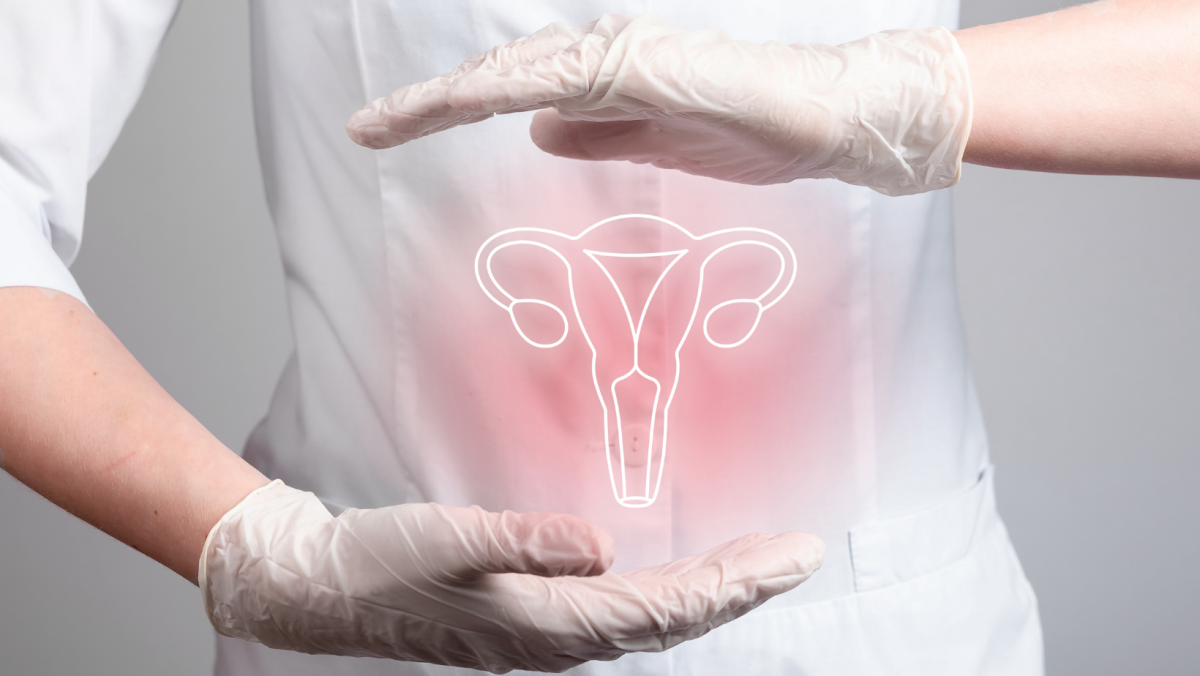
Female Sexual Dysfunction

We’ve all seen the commercials for Viagra, Cialis, and several other drugs to treat male sexual dysfunction. But what about female sexual dysfunction? And can uterine fibroids contribute to this?

The answer: Yes.

Not only are fibroids uncomfortable, but they come with a slew of symptoms that can be detrimental to a woman’s sexual health.

After all, who wants to engage in any sort of sexual activity when they are experiencing pelvic pressure, pain, and heavy bleeding?

Those aren’t quite the symptoms of desire.

Nor are the following fibroid symptoms which can wreak havoc on a sex life such as:


Vaginal dryness:

The hormone imbalances underlying fibroid growth can cause vaginal dryness, and the friction of vaginal penetration can lead to the irritation and tearing of those delicate tissues which can make sex painful and even harmful.


Irregular periods:

One of the unfortunate realities of having uterine fibroids is that they can cause abnormally long and heavy periods as well as bleeding in between cycles. This excessive blood flow can make intercourse or any type of vaginal contact awkward and unpleasant.


Fatigue and loss of energy:

In some cases, the heavy bleeding caused by fibroids can be so severe that it leads to anemia, and even occasionally requires blood transfusions.

Anemia, and the nausea and headaches that come with it, can cause dizziness, weakness, and fatigue, all of which can greatly diminish libido.


Frequent urination:

Frequent urination is caused by fibroids pressing on the bladder, leading to an increase in urinary frequency, and urgency, and can even lead to incontinence.

Fibroids can also block the ureters (tubes that carry urine from the kidneys to the bladder), resulting in kidney problems and urinary tract infections amongst other health issues.

It’s hard to get intimate when you’re feeling the constant urge to urinate, or experiencing the pain of a UTI.

As if that isn’t enough, fibroids can also affect a woman’s sex life by causing or exacerbating body image issues.

In our next article, we will take a look at the effect that having uterine fibroids can have on a woman’s body image, and we will offer some valuable suggestions on how to cope with this and other sexual health problems related to having fibroids.

We will also look at some of the best treatment methods for treating fibroids without adversely affecting sexual health and wellness.

 

Categories
Fibroids

A Good Candidate for UFE

There is great news if you are a good candidate for Uterine Fibroid Embolization (UFE).

UFE has an excellent track record regarding its effectiveness in relieving fibroid symptoms. It also has a faster recovery time than more invasive procedures like a hysterectomy and a myomectomy.

In fact, based on the results of a meta-analysis of several studies, it is estimated that on average 92% of women treated with Uterine Fibroid Embolization, experience a decrease in fibroid symptoms.

Wow. That’s a lot of women.

So you might be asking yourself, ” Am I a good candidate for UFE?”

That’s a great question and one that can best be answered by scheduling a consultation to find out more about UFE and if it can benefit you.

However, in the meantime, we will try and answer it in a general way here.

Most women with symptomatic fibroids are good candidates for Uterine Fibroid Embolization (UFE) procedure. This includes women who experience any of the following fibroid symptoms:

  • Heavy Bleeding – This may be characterized by prolonged periods, very heavy bleeding, or irregular bleeding.
  • Pain – Pain can arise from the position of the fibroids within the uterus as well as compression on the other organs in the area. It can also be related to fibroid size.
  • Pressure Symptoms – If a fibroid pushes up against another organ, such as the bladder, it can cause problems, such as frequent urination. A large fibroid can also push against the rectum, creating problems with having a bowel movement.

So who isn’t a good candidate for UFE?

As with any medical procedure, there are contraindications or reasons that the UFE procedure may not be right for everyone.

Sometimes the reasons are absolute, meaning that under no circumstances should the procedure be performed. An example of an absolute contraindication to UFE is pregnancy.

It is not advisable to x-ray a pregnant uterus or to administer anything that will block the flow of blood to the uterus while a woman is pregnant. Therefore it’s important to share with your doctor if you are pregnant or are thinking of becoming pregnant anytime soon, as this could affect the time frame in which UFE can be performed.

Other reasons that someone might not be a candidate for UFE are:

  • Chronic Kidney Disease – The contrast dye can be harmful to someone with poorly functioning kidneys. The decision to give contrast dye to a person with chronic kidney disease is made on an individual basis.
  • Uncertain Pelvic Mass – If there is any question if the mass is something other than a fibroid, then UFE is not the appropriate procedure.
  • Any Active Infection – Any procedure not related to treating the infection should be avoided, as the infection could worsen or spread. It may be possible to reconsider UFE after the infection has resolved.
  • Asymptomatic Fibroids – UFE should not be performed unless the fibroids are causing symptoms that would indicate surgery.

When it comes to determining if someone is a good candidate for UFE it really comes down to working with a medical expert to access your particular fibroid symptoms and all other variables at play.

An excellent way to begin this process is to schedule a consultation by calling MidAtlantic Vascular and Interventional at 301-622-5360 today.


Categories
Fibroids

UFE Consultation

It’s a new year, and why not make it a year without the pain and discomfort that comes with having uterine fibroids by setting up a UFE consultation?

Sound good?

Great!

So let’s get started by scheduling your initial consultation here at MidAtlantic Vascular and Interventional to determine the treatment method that would be best for you.

During this consultation, our expert staff will go over your full medical history.

One way to speed up this process is to arrive early to fill out your medical history form completely. In doing so, please be sure to write down all medications you are taking.

Once you’ve completed the paperwork, you will meet with our nurse practitioner or physician assistant who will complete your medical history and conduct a basic physical examination as well as check your vitals.

Following this, you will meet with our expert interventional radiologist to discuss the procedure and determine if you could be a good candidate for uterine fibroid embolization.

During the consultation with the doctor, he will take the time to learn more about your specific situation and symptoms in order to deliver the best care possible.

If it is decided that you could be a good candidate for Uterine Fibroid Embolization, the next step will be to order a pelvic MRI.

The pelvic MRI imaging process will assess in more detail the appearance, location, size, and vascularity of your fibroids- all of which can help determine if uterine fibroid embolization is right for you.

Once the MRI is reviewed the doctor will be able to determine if you could benefit from UFE.

If UFE is right for you, the next step will be to schedule the procedure, putting your well on your way to living a life free of the painful and life-interrupting symptoms of uterine fibroids.

To schedule your initial consultation please call us at 301-622-5360.

While many women are definite candidates for UFE, others may fall somewhere in the middle, or in some cases might benefit from another type of fibroid treatment.

In our next article, we will take a look at what makes for a good candidate for UFE.

Categories
Fibroids

Holiday Season and Fibroids

The holiday season can be a time full of laughter and joy. It can be time spent with family and friends, sharing presents and good food and fun. It can be a wonderful celebration for all, however, for women with uterine fibroids, this time of year isn’t always as carefree and joyful as it could be. In fact, it can be downright stressful.

For a woman with uterine fibroids, all the social activities of the holiday season can be extra stressful and can take a lot of extra preparation.

This could mean packing enough feminine products for a month or stocking up on pain relievers that may relieve the pain, but also cause other obnoxious issues such as constipation. It can also mean feeling uncomfortable getting dressed up due to fibroid-related bloating and pelvic pressure and pain.

So what can be done?

It turns out, there is a lot.

Therefore this holiday season, if you are a woman suffering from the painful and life-interrupting symptoms of uterine fibroids, it’s time to take action. And gift yourself and your body, a new year without uterine fibroids.

Life without fibroids? Is this possible?

Absolutely.

However, unfortunately, many women choose to forgo treatment because, in the past, the only options were invasive surgeries that came with a long recovery period such as a hysterectomy or a myomectomy,  or medications that came with a slew of unwanted side effects.

Fortunately, now there is a minimally invasive option that is completely safe, and one that has become the gold standard when it comes to non-surgical fibroid treatment. And that is Uterine Fibroid Embolization or UFE.

Uterine Fibroid Embolization is helping women to overcome their fibroid symptoms enabling them to live happier, healthier, fibroid-free lives.

Taking the action to treat fibroids with a procedure such as UFE, can not only prevent fibroids from growing and becoming worse, but it can also relieve painful fibroid symptoms.

Imagine a holiday season without:

Heavy periods
Pelvic pain or pressure
Back or leg pain
Constipation and diarrhea
Weight gain
Difficulty urinating or urinary frequency
Bloating and swelling

Therefore, treat yourself to a new year without the pain and discomfort of uterine fibroids by taking action. In fact, you can call us today to learn more about UFE and to even set up your initial consultation.

Together we can have you living fibroid symptom-free in the New Year and beyond.

Categories
Fibroids

Excessive Cramping and Pelvic Discomfort

One of the most common symptoms associated with uterine fibroids is excessive cramping and pelvic discomfort.

Unlike menstrual cramps, which are caused by the contracting uterus as it pushes out the endometrium during a monthly period, fibroid cramps can exist outside of the average 5-7 days that menstruation lasts.

In fact, for women with uterine fibroids, not only do these cramps occur outside of the menstruation period, but they can be rather severe. And, unfortunately, if the fibroids are left untreated, these symptoms are likely to get worse and include several others as well.

Fibroids can range in size and location. They also vary in terms of how many each woman has. Some women may have a single fibroid while others could have multiple fibroids.

When it comes to the symptoms directly related to uterine fibroids- the location, size, and number of fibroids can play a role in the specific symptoms experienced and their severity.

For example, women with large fibroids have reported that they feel a heaviness or pressure in their lower abdomen or pelvis. Not only is this uncomfortable, but it can also make it hard to lie down, bend over, or exercise.

Though all fibroids can contribute to pelvic pain and cramping, more often than not, these symptoms are experienced as a result of having intramural fibroids.

Intramural fibroids grow inside the muscular wall of the uterus. As intramural fibroids grow larger, they increase the likelihood of more severe symptoms that can have a direct impact on one’s quality of life.

The other types of fibroids can also cause cramping and pelvic discomfort. These types are called: submucosal, subserosal, and pedunculated fibroids.

Submucosal fibroids grow into the uterine cavity, while subserosal fibroids grow toward the outside of the uterus. Pedunculated fibroids are those that are not directly attached to the uterus and grow from a stem-like stalk.

Cramping and discomfort caused by submucosal fibroids are usually caused by the uterus trying to rid itself of them.

Unlike the contractions that happen every month in order to shed the endometrium, painful contractions caused by submucosal fibroids can happen at any time during a menstrual cycle.

No matter what type of fibroid is causing your uncomfortable symptoms- there is treatment available.

If you think you are experiencing moderate to severe cramping outside of your monthly period, or even if it’s severe during your period- it’s important to seek out treatment right away.

Though most causes of pelvic pain and cramping are treatable, if you do not address the issue it is likely that your symptoms and the underlying condition will get worse.

If the cause of the cramping is indeed fibroids, there are many treatment options available such as medication, surgery, or uterine fibroid embolization.

UFE is a non-invasive outpatient procedure that can relieve the painful cramping and other frustrating symptoms caused by uterine fibroids.

To learn more about UFE and to find out if it could benefit you, please call our office today.

Categories
Fibroids

Menstrual Cramps or Fibroids?

If you are a menstruating female, it is likely that at some point you have experienced the pain and discomfort of menstrual cramps.

These cramps usually range from mild to moderate, and can most often be treated with over-the-counter medications, and soothed with a hot water bottle or heating pad.

However, some women experience excessive cramping both before, during, and after their period.

Having period cramps between periods could be a sign of something more. And that something more, could be uterine fibroids.

So how can you tell if the cramps are from fibroids or just normal menstrual cramps?

Though it can be difficult to distinguish the difference between fibroid pain, and menstrual cramps, there are things you can do to help determine which is the cause of the cramping.

One valuable action is to start keeping track of when you get these cramps, which can help provide valuable information as to what is happening.

Keeping a log of your symptoms, the pain level, and the amount of bleeding experienced during each day of your period can be helpful in finding the solution to your individual situation.

So what exactly are menstrual cramps anyway?

Cramps during a monthly period are caused by the uterus contracting in order to push out the lining of the uterus, also known as the endometrium.

The endometrium builds up every month to prepare to support the fertilized egg and embryo that may attach to it during pregnancy.

No fertilized egg? No problem.

Fueled by hormones, the uterus begins to contract and shed the uterine lining. Then, the next month, if there is no pregnancy, the process will begin again.

Cramping during this time of the month is often a normal part of menstruating, however, when this cramping is excessive and accompanied by other symptoms such as pain in the pelvis, abdomen, back, and legs, this could point to something more.

Potential causes of excessive cramping are:

Endometriosis
Tissue that acts similar to the lining of the uterus grows outside of the uterus, most commonly on fallopian tubes, ovaries, or the tissue lining your pelvis.

Adenomyosis
The tissue that lines your uterus begins to grow into the muscular walls of the uterus.

Pelvic inflammatory disease
This infection of the female reproductive organs is usually caused by sexually transmitted bacteria.

Cervical stenosis
In some women, the opening of the cervix is small enough to impede menstrual flow, causing a painful increase of pressure within the uterus.

Uterine fibroids These noncancerous growths in the wall of the uterus can cause pain.

One of the most common causes of excessive cramping is uterine fibroids

When cramping and pelvic pain is caused by uterine fibroids, these uncomfortable symptoms could also be accompanied by additional symptoms such as heavy bleeding, frequent urination, and more.

If you are experiencing severe menstrual cramps, excessive bleeding, bleeding and cramps between periods, and other uncomfortable symptoms, it’s important to contact your doctor and schedule a visit.

If the cause is uterine fibroids, fortunately, this condition is treatable.

In fact, there are many different treatment options to treat uterine fibroids, ranging from medication to surgery, to a non-invasive procedure called Uterine Fibroid Embolization.

In our next article, we will take a look at how the specific type of fibroid can cause symptoms such as cramping and pelvic pain.

Categories
Fibroids

The Symptoms of Uterine Fibroids: Finding Relief

Uterine fibroids are a common type of benign tumor characterized by the overgrowth of connective or smooth muscle tissue in the uterus.

These tumors, which affect women mainly during their reproductive years,  are diagnosed in up to 70% of white women and more than 80% of women of African ancestry during their lifetime.

Though most women with fibroids have fibroids that are asymptomatic, it is estimated that approximately 30% of women with fibroids will experience severe symptoms which may require medication, surgery, or interventional radiology procedures, such as Uterine Fibroid Embolization.

In our last article, we took a look at clinical data on the effect that Uterine Fibroid Embolization can have on relieving the common fibroid symptom of heavy bleeding, also known as menorrhagia.

We learned that according to medical records analyzed by the National Library of Medicine (NLM), an estimated 26 million women between 15 and 50 have uterine fibroids. And of those, nearly 15 million women experience associated symptoms or linked health-related problems, such as heavy menstrual bleeding.

Based on the results of several studies and meta-analyses of studies, there is plenty of evidence to support that as many as 92% of women treated with Uterine Fibroid Embolization, experience a decrease in the symptom of heavy bleeding.

In fact, one rather large study found that 86% of patients experienced relief from fibroid-related heavy bleeding merely 3 months after the UFE procedure. While 92% experienced relief from heavy bleeding at 12 months.

This same study, which was published in The Journal of the American Association of Gynecologic Laparoscopists, also found that the bulk of fibroid symptoms was controlled in 64% of patients at 3 months and 92% at 12 months.

So what are the bulk of fibroid symptoms? And, what does the research say regarding the effect that Uterine Fibroid Embolization has on treating these?

Though not all women with fibroids experience symptoms, for those that do,  the most common signs and symptoms of uterine fibroids include:

Menstrual pelvic pain/cramping
– Heavy menstrual bleeding
– Lower back pain
– Fatigue/weariness/anemia
– Constipation/bloating/diarrhea
– Irregular periods
– Passage of clots
– Spotting/bleeding between periods
– Difficulty having a bowel movement
– General abdominal pain
– Non-menstrual pelvic pain/cramping
– Pain during sex
– Pelvic pressure
– Infertility

While of course fibroid symptoms vary from woman to woman, there is evidence to show that some symptoms are more common than others.

One study that looked at the prevalence of fibroid symptoms was published in 2017,  in The International Journal of Women’s Health.

This prestigious medical journal published the results of a cross-sectional survey of 59,411 women aged 18–54 years in the US from August 6, 2012, through September 14, 2012, that have a diagnosis of uterine fibroids.

What they found regarding the distribution of uterine fibroid-related symptoms experienced in these women with uterine fibroids was as follows:

Menstrual pelvic pain/cramping:
2,277, which is 74.9%

Heavy menstrual bleeding:
2,147 which is 73.4%

Lower back pain:
2,090 which is 68.4%

Fatigue/weariness/anemia:
2,069 which is 68.3%

Constipation/bloating/diarrhea:
1,859 which is 63.3%

Irregular periods:
1,698 which is 57.8%

Passage of clots:
1,690 which is 56.9%

Spotting/bleeding between periods:
1,342 which is 45.0

Difficulty having a bowel movement:
1,140 which is 38.9%

General abdominal pain:
1,019 which is 35.0%

Non-menstrual pelvic pain/cramping:
984 which is 33.2%

Pain during sex:
851 which is 29.3%

Pelvic pressure:
654 which is 22.4%

Infertility:
384 which is 12.0%

We already know based on the research results published in our previous article, that UFE is very effective in treating the symptoms of heavy menstrual bleeding. But how well does it help in the relief of these other symptoms?

Over the next few weeks, we will take a look at the effect that Uterine Fibroid Embolization can have on reliving some of these troublesome symptoms of uterine fibroids.

In the meantime, if you would like to learn more about Uterine Fibroid Embolization, or to find out if this procedure could benefit you, please give us a call and set up your consultation today.

Categories
Fibroids

Fibroid Symptom: Menorrhagia

What do heavy menstrual cycles, fatigue, dizziness, pelvic pressure and bloating, enlargement of the abdomen, constipation, increased urinary frequency, heavy bleeding (menorrhagia), pain during sex, and even infertility all have in common?

If you guessed “symptoms caused by uterine fibroids.”

You’re right!

Although fibroids are non-cancerous, due to the many painful, uncomfortable, and life-limiting side effects, many women choose to have them removed.

One of the most common and frustrating symptoms of uterine fibroids is heavy bleeding, also known as menorrhagia.

It is estimated that as many as 35 percent of women in their reproductive years experience menorrhagia, and fibroids can be a leading cause of this.

In fact, fibroids have been found in more than 10% of women with menorrhagia overall and in 40% of women with severe menorrhagia.

According to the National Library of Medicine (NLM), an estimated 26 million women between 15 and 50 have uterine fibroids. Of those, nearly 15 million women experience associated symptoms or linked health-related problems, such as heavy menstrual bleeding.

So what is considered to be heavy bleeding, and how do fibroids contribute to this?

Most gynecologists and physicians agree that heavy bleeding can be defined as:

–  Bleeding that lasts for longer than eight days.

–  Bleeding that requires frequent sanitary pad or tampon changes, approximately every hour or more.

Why do fibroids cause heavy bleeding?

While there is no one reason that heavy bleeding occurs with fibroids, there are several factors that contribute to this symptom, including:

–  Added pressure on the uterus from the fibroids

–  Irregular contractions of the uterus

–  Blood vessel growth stimulation caused by fibroids increases the amount and frequency of bleeding and spotting between periods

–  Elevated hormone levels

Fortunately, there are several treatment options for women with fibroids, which can help reduce or resolve completely, the symptom of heavy bleeding.

The most common treatment methods for fibroid-related menorrhagia include medication and major surgery such as a hysterectomy or a myomectomy. As well as, a procedure that has been rapidly gaining in popularity for its effectiveness and shorter recovery time, which is called Uterine Fibroid Embolization.

Since 1995, Uterine Fibroid Embolization, which is a non-invasive procedure performed either solely or primarily through the uterine artery, has been helping women who suffer health issues related to uterine fibroids. Furthermore, as UFE continues to grow in popularity as a treatment method for uterine fibroids, a plethora of research continues to document its promising results.

The goal of this procedure is to relieve symptoms by blocking the artery that is supplying blood to the fibroids, which causes them to shrink and die.

So how effective is this procedure in relieving the symptoms of fibroid-related heavy bleeding?

It is very effective.

In fact, multiple studies show that fibroid embolization is at least 90% effective when it comes to reducing fibroid-related bleeding and pain.

Not only that, but time and time again, women are reporting that they are experiencing a significant change in their fibroid symptoms within days following the procedure.

This is incredible, especially considering that other treatment methods can take months to show signs of improvement.

One of the earliest studies of the effectiveness of UFE was published in The Journal of the American Association of Gynecologic Laparoscopists.

The study followed up with 305 women who were treated with the procedure, up to a year after treatment, and what they found was quite promising.

They found that the symptom of heavy bleeding was controlled in 86% of patients at 3 months and 92% at 12 months. And, they also found that the bulk of fibroid symptoms was controlled in 64% of patients at 3 months and 92% at 12 months.

Another study, which was published in the medical journal Radiology reported the results of following up with 80 consecutive patients treated with UFE for menorrhagia caused by fibroids.

Researchers followed up with this group of women for a minimum of 2 years and discovered that menorrhagia was controlled in over 90% of these women!

These are just a few of the studies regarding the impact that Uterine Fibroid Embolization can have on relieving the fibroid symptom of heavy bleeding. A simple google search will bring up study after study where the findings are similar to those stated above.

But wait…there’s more…much more.

In our next article, we will look at what the research says regarding the impact that Uterine Fibroid Embolization can have on some of the other common symptoms of uterine fibroids such as pelvic pressure and pain.

Categories
Fibroids

It’s Time to Take Action

If you have decided it’s time to take action against the heavy bleeding, pelvic pressure, urinary issues, and sexual problems that are common symptoms of uterine fibroids- Congratulations!

And, if you’ve chosen to treat the fibroid condition through a non-invasive procedure, Uterine Fibroid Embolization- Double those congratulations!

As you’ve chosen a treatment procedure that has a success rate of over 90%, with the vast majority of women reporting not only an alleviation of symptoms but a significant improvement in their quality of life.

Gone are the days of heavy bleeding, pressure, pain, and missing out on activities due to these and other symptoms of fibroids.

The process of experiencing relief from fibroid symptoms post UFE takes time, but not nearly as much time as other procedures to remove uterine fibroids such as a hysterectomy or a myomectomy, which can have a recovery time of several weeks and even months. Whereas the minimally invasive procedure of Uterine Fibroid Embolization allows for a much faster healing process and must faster result.

It is not uncommon for women to experience almost immediate relief after the procedure. In fact, many women have reported that they noticed that their first menstrual cycle following the procedure didn’t include severe pain or heavy bleeding. While for others it may take a little more time for all of these symptoms to resolve themselves.

The time it takes for the elimination of uterine fibroids symptoms, really comes down to how quickly the body responds to the UFE treatment, as well as the size of the fibroid or multiple fibroids.

The procedure itself begins with the insertion of a tiny catheter into the groin or wrist. Then, with the help of moving X-ray technology (fluoroscopy), the radiologist will then guide the catheter through the blood vessels until it reaches the artery that supplies blood to the fibroids.

Once the catheter reaches the artery that supplies blood to the fibroids, tiny gelatin beads are released through it, which travel into the artery, creating a blockage. This blockage cuts off the blood supply to the fibroids. And, without the fibroids being able to receive vital nutrients through the blood, they cannot survive and they begin to shrink.

So how long does it take for the fibroids to shrink?

Amazingly, uterine fibroids can begin to shrink immediately following the Uterine Fibroid Embolization procedure and will continue to shrink throughout the next year.

The majority of fibroid shrinkage usually takes place in the first six months following the procedure. However, it can take up to a year for the fibroids to shrink to their fullest capacity, with most women experiencing significant relief from their symptoms during this time.

Usually, patients will return to their radiologist for a follow-up appointment around two months after the procedure to access the amount of shrinkage of the fibroids.

You may be wondering:  How can you tell if the procedure was effective and the fibroids are shrinking?

Good question.

Though many women note improvement in their bleeding symptoms immediately following the procedure, it can take up to 3 months for fibroids to shrink enough for women to notice major symptom improvements.

Therefore, one of the best ways to track the progress of the fibroids shrinking is by paying attention to your symptoms both before and after Uterine Fibroid Embolization.

In fact, it can be very helpful to keep a journal or a list of symptoms and rank the severity of these symptoms with 1 being barely noticeable and 10 being the most severe.

Then following the procedure, continue to keep track of the changes happening.

Some of the symptoms you may be keeping track of could be:

• Unusually heavy period
• Long than normal periods
• Bleeding in between periods
• Pressure and pain in the pelvis
• Frequent urination
• Lower back pain
• Pain during intercourse

By keeping track of the severity of these symptoms before and after UFE you may be surprised by how quickly these changes are happening, as you watch your symptoms continue to improve over the next six to twelve weeks.

To learn more about Uterine Fibroid Embolization and to find out if this procedure could help you, please give us a call today at MidAtlantic Vascular and Interventional, and set up your initial consolation.

In our next article, we will take a look at what the research says regarding the effectiveness of Uterine Fibroids Embolization in shrinking fibroids and eliminating symptoms.


Categories
Fibroids

Medical Advancements in Fibroid Treatment

Fortunately for the estimated 26 million women in the United States that have uterine fibroids, huge medical advancements have been made that allow for a variety of treatment methods. These range from medication to hormone therapy, as well as both invasive and non-invasive surgical procedures to remove the fibroids completely.

Here at MidAtlantic Vascular and Interventional, we specialize in the removable of uterine fibroids, through an advanced medical procedure called Uterine Fibroid Embolization.

Unlike medications, which primarily treat the symptoms of fibroids, Uterine Fibroid Embolization, focuses on treating the condition by removing the fibroids themselves.

So what is Uterine Fibroid Embolization? And how does it work?

Good question and we are happy to answer that. But first, let’s take a quick look at what a uterine fibroid is.

Uterine fibroids are noncancerous growths of the uterus that often appear during a woman’s childbearing years. These growths are made of smooth muscle cells and fibrous connective tissue. Sometimes fibroids are solitary, but it is also common to have multiple ones.

Uterine fibroids range in size. Some are so tiny that they are undetectable by the human eye alone. While others can be large enough to distort and enlarge the uterus.

How can I tell if I have a fibroid?

When a woman has a fibroid, it is most often discovered during a routine pelvic exam or imaging procedures performed for other reasons. If the fibroid or fibroids do not cause any symptoms, pain, or discomfort, and are not affecting fertility- then they usually do not require treatment. However, when symptoms are present, these can be managed with medications, surgery, and by using minimally invasive techniques.

Some of the symptoms associated with fibroids are:

• Unusually heavy period
• Long than normal periods
• Bleeding in between periods
• Pressure and pain in the pelvis
• Frequent urination
• Lower back pain
• Pain during intercourse
• Difficulty conceiving

Ok, so back to the original question: What is Uterine Fibroid Embolization?

Uterine Fibroid Embolization is a non-invasive procedure to remove uterine fibroids. Rather than requiring general anesthesia, the procedure uses conscious sedation ( an IV of a light sedative) to help you to relax and remain pain-free during the UFE procedure.

Once the sedating medicine has been administered, our expert radiologist will begin the procedure.

The UFE procedure commences with our expert Interventional Radiologist, Dr. Rishi Sood, making a teeny tiny nick in the skin (about the size of the tip of a pencil). He will then thread a tiny 2mm catheter through the groin or wrist. Using moving X-ray technology (fluoroscopy), Dr. Rishi will then guide the catheter through the blood vessels until it reaches the artery that supplies blood to the fibroids.

Once the catheter reaches the artery that supplies blood to the fibroids, tiny gelatin beads are released through it, which travel into the artery, creating a blockage. This blockage cuts off the blood supply to the fibroids. And, without the fibroids being able to receive vital nutrients through the blood, they can not survive.

A blockage? Isn’t that dangerous?

No, in this case, it is not. Unlike a blockage to the heart or other vital organs, this particular blockage is only cutting off the blood supply to the fibroid. The results are remarkable, for, without the fibroids being able to receive vital nutrients through the blood, they shrink until they are altogether eliminated.

Does this sound too good to be true?

Maybe, but rest assured it is not. In fact, according to the New England Journal of Medicine, the success rate of uterine fibroid embolization is estimated to be upwards of 95%.

This is great news to the millions of women that are suffering from the pain and discomfort that comes with having uterine fibroids.

In our next article, we will take a look at what you can expect during the UFE procedure. What does it feel like? How long does it take? And what does the recovery period look like?

In the meantime, for more information on Uterine Fibroid Embolization, or to make an appointment for your consultation, please reach out to us at 301-622-5360.