
Categories
Fibroids

UFE Consultation

It’s a new year, and why not make it a year without the pain and discomfort that comes with having uterine fibroids by setting up a UFE consultation?

Sound good?

Great!

So let’s get started by scheduling your initial consultation here at MidAtlantic Vascular and Interventional to determine the treatment method that would be best for you.

During this consultation, our expert staff will go over your full medical history.

One way to speed up this process is to arrive early to fill out your medical history form completely. In doing so, please be sure to write down all medications you are taking.

Once you’ve completed the paperwork, you will meet with our nurse practitioner or physician assistant who will complete your medical history and conduct a basic physical examination as well as check your vitals.

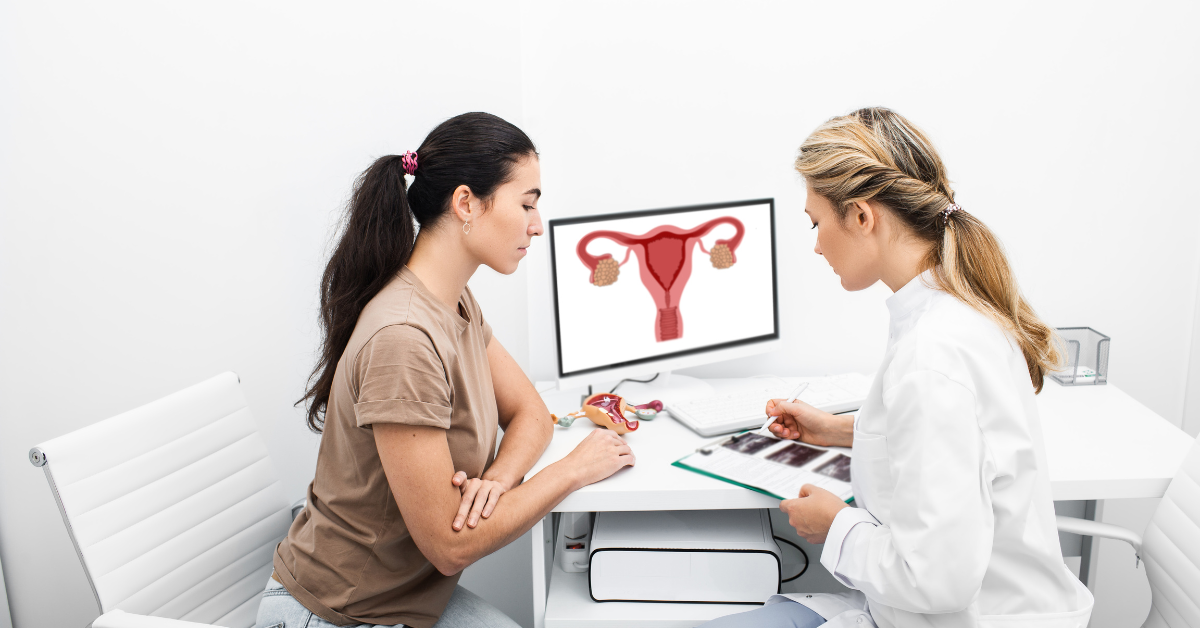
Following this, you will meet with our expert interventional radiologist to discuss the procedure and determine if you could be a good candidate for uterine fibroid embolization.

During the consultation with the doctor, he will take the time to learn more about your specific situation and symptoms in order to deliver the best care possible.

If it is decided that you could be a good candidate for Uterine Fibroid Embolization, the next step will be to order a pelvic MRI.

The pelvic MRI imaging process will assess in more detail the appearance, location, size, and vascularity of your fibroids- all of which can help determine if uterine fibroid embolization is right for you.

Once the MRI is reviewed the doctor will be able to determine if you could benefit from UFE.

If UFE is right for you, the next step will be to schedule the procedure, putting your well on your way to living a life free of the painful and life-interrupting symptoms of uterine fibroids.

To schedule your initial consultation please call us at 301-622-5360.

While many women are definite candidates for UFE, others may fall somewhere in the middle, or in some cases might benefit from another type of fibroid treatment.

In our next article, we will take a look at what makes for a good candidate for UFE.

Categories
Fibroids

Menstrual Cramps or Fibroids?

If you are a menstruating female, it is likely that at some point you have experienced the pain and discomfort of menstrual cramps.

These cramps usually range from mild to moderate, and can most often be treated with over-the-counter medications, and soothed with a hot water bottle or heating pad.

However, some women experience excessive cramping both before, during, and after their period.

Having period cramps between periods could be a sign of something more. And that something more, could be uterine fibroids.

So how can you tell if the cramps are from fibroids or just normal menstrual cramps?

Though it can be difficult to distinguish the difference between fibroid pain, and menstrual cramps, there are things you can do to help determine which is the cause of the cramping.

One valuable action is to start keeping track of when you get these cramps, which can help provide valuable information as to what is happening.

Keeping a log of your symptoms, the pain level, and the amount of bleeding experienced during each day of your period can be helpful in finding the solution to your individual situation.

So what exactly are menstrual cramps anyway?

Cramps during a monthly period are caused by the uterus contracting in order to push out the lining of the uterus, also known as the endometrium.

The endometrium builds up every month to prepare to support the fertilized egg and embryo that may attach to it during pregnancy.

No fertilized egg? No problem.

Fueled by hormones, the uterus begins to contract and shed the uterine lining. Then, the next month, if there is no pregnancy, the process will begin again.

Cramping during this time of the month is often a normal part of menstruating, however, when this cramping is excessive and accompanied by other symptoms such as pain in the pelvis, abdomen, back, and legs, this could point to something more.

Potential causes of excessive cramping are:

Endometriosis
Tissue that acts similar to the lining of the uterus grows outside of the uterus, most commonly on fallopian tubes, ovaries, or the tissue lining your pelvis.

Adenomyosis
The tissue that lines your uterus begins to grow into the muscular walls of the uterus.

Pelvic inflammatory disease
This infection of the female reproductive organs is usually caused by sexually transmitted bacteria.

Cervical stenosis
In some women, the opening of the cervix is small enough to impede menstrual flow, causing a painful increase of pressure within the uterus.

Uterine fibroids These noncancerous growths in the wall of the uterus can cause pain.

One of the most common causes of excessive cramping is uterine fibroids

When cramping and pelvic pain is caused by uterine fibroids, these uncomfortable symptoms could also be accompanied by additional symptoms such as heavy bleeding, frequent urination, and more.

If you are experiencing severe menstrual cramps, excessive bleeding, bleeding and cramps between periods, and other uncomfortable symptoms, it’s important to contact your doctor and schedule a visit.

If the cause is uterine fibroids, fortunately, this condition is treatable.

In fact, there are many different treatment options to treat uterine fibroids, ranging from medication to surgery, to a non-invasive procedure called Uterine Fibroid Embolization.

In our next article, we will take a look at how the specific type of fibroid can cause symptoms such as cramping and pelvic pain.

Categories
Fibroids

Is a Hysterectomy an Option

In the past, treatment options for women with uterine fibroids were very limited. In fact, more often than not, one of the first lines of treatment was a hysterectomy.

Though there are now many different treatment methods for women with uterine fibroids, a hysterectomy is still an option to consider, and sometimes it is necessary. Therefore today, let’s take a look at what a hysterectomy is, and why it can be a potential treatment option for women with uterine fibroids.

A hysterectomy is a surgical procedure that removes the uterus and the cervix. The procedure is usually done through either an incision in the abdomen or belly button, or it is done vaginally.

One of the benefits of having a hysterectomy is that in removing the uterus, the fibroids are also removed. In doing so, not only are the fibroids eliminated but so is the possibility of them growing back. To put it frankly, no more uterus, no more fibroids.

Another benefit of a hysterectomy is that because the operation removes the uterus, menstruation, and fibroid-related bleeding are stopped entirely.

Though there are several medications that can halt menstruation and stop or lessen fibroid-related bleeding, these medications are not without their issues. In fact, some women will opt to get a hysterectomy as a permanent fix to avoid having to use these medications long-term, which can increase the risk factors involved in taking them.

Some of the side effects and risks associated with medications for uterine fibroids that women may wish to avoid are:

Gonadotropin-releasing hormone (GnRH) agonists: Lupron, Synarel, and Zoladex

  • These medications are used to shrink fibroids and reduce bleeding but can cause an increased risk of osteoporosis.

Tranexamic Acid: Lysteda

  • This medication is used to ameliorate fibroid-related heavy bleeding, however, it is expensive and it interacts with several other medications which as a result, can be potentially harmful.

Birth Control Pills: Lo Loestrin FE, Norethindrone

  • Given that some of the most commonly prescribed birth control pills out there can increase estrogen and therefore increase the size of fibroids, unless the birth control is the right balance of hormones, it could make the fibroid situation much worse. Also, using birth control is known to mask the severity of fibroids and other underlying conditions.

Combination therapy of Gonadotropin-releasing hormone (GnRH) agonists and birth control: Oriahnn

  • This medication can reduce period bleeding, but its treatment is limited to 24 months due to the risk of it causing permanent bone loss. It’s also expensive and interacts with many other medications.

A hysterectomy is an option for women with fibroids that would like to avoid having to take medication and experience the side effects associated with them, as well as avoid the risk of fibroids returning following some of the other treatment procedures available.  However, a hysterectomy is a major surgery, and it is not without its own side effects and risks.

In our next article, we will take a look at some of the potential side effects and risks associated with having a hysterectomy, as well as what can be expected in regard to the recovery period following the procedure.

Categories
Fibroids

Tranexamic Acid for Fibroids

Heavy menstrual bleeding from fibroids is often accompanied by heavy cramping, both of which leave those inflicted, fatigued, and sometimes unable to work and fully participate in their lives.

In the earlier stages of fibroids, some physicians will try to control the common symptoms of heavy bleeding with oral contraceptives or GnRH agonists and will treat pain and discomfort with anti-inflammatory drugs. However, if this isn’t working, another option your doctor may try is the use of tranexamic acid.

For several decades the medical field has relied on tranexamic acid to help blood clot in order to reduce blood loss during surgery, or as a result of trauma, childbirth, and more. Belonging to a category of drugs called antifibrinolytics, tranexamic acid works by preventing the breakdown of a protein called fibrin, which is the main protein in a blood clot.

The history of using tranexamic acid in the treatment of heavy bleeding caused by menstruation, trauma, and childbirth, is a rather interesting one. It all started in Japan in the 1950s, at a time when postpartum hemorrhage was a leading cause of maternal death.

Utako and Shosuke Okamoto, a Japanese husband, and wife, both biochemists in Tokyo, had been working diligently to identify a drug that could reduce the risk of postpartum hemorrhaging and save more women. The couple knew that there was an enzyme in the blood that breaks down blood clots, and sought to discover a medicine that would inhibit this action. What they discovered was the bleeding reduction effect of tranexamic acid.

In 1962, Utako and Shosuke Okamoto, published their findings in The Keio Journal of Medicine. Though at first, practitioners were slow to start using tranexamic acid, eventually it caught on as a useful treatment to control bleeding during routine procedures such as tooth extractions.

Following a few years of further research regarding the effectiveness of tranexamic acid, the medical field finally began to utilize this form of treatment. As a result, tranexamic acid is now used to treat bleeding-related issues in everything from that of trauma patients, pregnant women, hemophiliacs, and women experiencing too much blood loss during menstruation due to fibroid-related heavy bleeding, as well as other uterine conditions.

Though tranexamic acid is effective in controlling blood loss during surgery or as a result of trauma, the only FDA-approved usage of tranexamic acid is for heavy menstrual bleeding ( caused by fibroids or other conditions) and hemophiliacs.

Tranexamic acid comes in a tablet form and is usually taken with or without food three times a day for up to 5 days during monthly menstruation, starting on the first day of a period. These tablets need to be taken at around the same time every day of a menstrual period.

Though it is effective at reducing menstrual bleeding, tranexamic acid isn’t without its problems.

For starters, it’s expensive.

Sold under the brand name Lysteda, tranexamic acid can cost around $170 for 30 tablets of 650 mg. Not only is it a little pricey, but it can also have the following side effects:

abdominal or stomach pain, discomfort, or tenderness
fever or chills
difficulty with moving
headache, severe and throbbing
joint or back pain
muscle aching or cramping
muscle pains or stiffness
stuffy or runny nose
fatigue

Tranexamic acid also has many drug interactions that are not safe, and it can not be taken with any of the following medications:

estrogens
birth control pills, patches, injections, rings or other devices that contain both estrogen and a progestin
certain medicines used to help your blood clot
tretinoin (taken by mouth)

The Bottom Line:

Tranexamic acid is a nonhormonal option that reduces menstrual blood loss in patients with heavy menstrual bleeding due to uterine fibroids. Though it is more expensive than oral contraceptives, anti-inflammatory drugs, and hormone therapies- it is an option when those treatments are not recommended or desired. That being said, tranexamic acid may reduce fibroid-related heavy bleeding, however, it does not affect or address the underlying cause- The fibroids themselves.

In order to truly eliminate fibroid symptoms, fibroids need to be treated directly. In our next article, we will begin to look at surgeries and non-invasive procedures that can shrink and/or eliminate uterine fibroids.

Categories
Fibroids

Fibroid Medications: GnRH Agonists

When it comes to treating uterine fibroids, informed decisions are the best decisions. Therefore it is important to take a look at all of the fibroid treatments that are available. Whether it’s surgery, UFE, or medication, you and your doctor can find the one that’s best for you.

The first mode of treatment we are going to look at is a type of medication called Gonadotropin-releasing hormone (GnRH) agonists.

Gonadotropin-releasing hormone (GnRH) agonists are one of the most common medications that are used to treat uterine fibroids. These medications can be taken via a nasal spray or an injection.

GnRH agonists work by decreasing estrogen and progesterone levels in the body. The decrease in these hormones causes a temporary menopause-like state which reduces the size of the fibroids and the size of the uterus. It also inhibits menstruation,
thus enabling women with bleeding-induced anemia, to increase their stores of iron. These medications can also improve fibroid-related symptoms such as frequent urination and constipation.

GnRH agonists are sometimes prescribed in order to help shrink fibroids prior to surgery.

The most commonly prescribed Gonadotropin-releasing hormone (GnRH) agonists are Lupron, Synarel, and Zoladex. Though these medications improve symptoms and shrink fibroids, they do not eliminate them completely. Furthermore, it is estimated that 40% of women taking these medications experience the side effects of hot flashes and other symptoms of menopause, which can be problematic. Other common side effects are:

– mood changes
– increased sweating
– muscle stiffness
– vaginal dryness

The most concerning side effect of GnRH therapy is osteoporosis.

Osteoporosis is a disease that weakens the bones, thus putting them at a greater risk for sudden and unexpected bone fractures. Since estrogens play a central role in the homeostasis of the skeleton, estrogen deficiency seems to be primarily responsible for the adverse skeletal effects of GnRH agonists. As a result of the estrogen decrease caused by GnRH therapy, bone turnover can increase while bone mineral density can decrease, thereby increasing the risk of fractures.

The side effect of osteoporosis is typically associated with the long-term use of GnRH agonists. However, regardless of the amount of time, stopping this form of treatment can lead to rapid regrowth of the fibroids and the uterine size. Therefore, typically the best use of these medications is usually a short-term administration of them, as a preoperative course in order to shrink the uterus and fibroids in preparation for surgery.

GnRH agonists are not the only medication that is used in the treatment of uterine fibroids. Depending on the severity of the fibroid symptoms, sometimes progesterone-containing birth control can be effective. Next week, we will take a look at this form of treatment.

Categories
Fibroids

Treatment Options for Uterine Fibroids

Over the next few weeks, we’re going to take a deeper look at all of the treatment options available for women with uterine fibroids.

We will look at what those options are and how they work. As well as discuss the advantages and disadvantages of each treatment.
Some of the treatment methods we will cover are:

Medications:

  • Gonadotropin-releasing hormone (GnRH) agonists. These medications can be taken via a nasal spray or injection and they work by shrinking your fibroids.
  • Birth control: Birth control can also be used to help with symptoms of fibroids — specifically heavy bleeding during and between periods and menstrual cramps.
  • Progesterone-containing agents — pills, implants, injections, or an intrauterine device (IUD) — may also control bleeding.

Oral therapies:

  • Elagolix is a new oral therapy indicated for the management of heavy uterine bleeding in premenopausal women with symptomatic uterine fibroids.
  • Tranexamic acid is an antifibrinolytic oral drug that’s indicated for the treatment of cyclic heavy menstrual bleeding in women with uterine fibroids.

Non-Uterine Sparing Surgical Treatment:

  • Hysterectomy- During this surgery, your uterus is removed. By removing your uterus completely, the fibroids can’t come back and your symptoms should go away.

Uterine-Sparing Surgery and Non-invasive outpatient procedures:

  • Abdominal Myomectomy: Open abdominal surgery to resect symptomatic uterine fibroids
  • Laparoscopic myomectomy: Laparoscopic removal of uterine fibroids
  • Laparoscopic myolysis: Uses a laser probe to heat coagulate uterine fibroid
  • Uterine Fibroid Embolization: Small particles are injected into the arteries supplying the uterus, cutting off blood flow to fibroids, causing them to shrink and die.

Ultimately your treatment plan will depend on a few factors, including:

  • The number of fibroids you have.
  • The size of your fibroids.
  • Where your fibroids are located.
  • What symptoms you are experiencing related to fibroids.
  • Your desire for pregnancy.
  • Your desire for uterine preservation.

Another deciding factor regarding the best treatment option for you will also depend on your future fertility goals. If you want to have children in the future, some treatment options are better than others. We will cover this in future articles as well.

In the meantime, talk to your healthcare provider about your thoughts, feelings, and concerns when discussing treatment options. And check back next week, as we dive deeper into the first of many treatment options, medication.

Categories
Fibroids

Hysterectomy, Far From The Only Treatment

Even in these modern times, in the United States, it is estimated that one in three women undergoes a hysterectomy by the age of 60. And sadly, research has shown that many of these procedures may have been completely unnecessary.

In fact, a study published in the American Journal of Obstetrics and Gynecology found that of the women who had hysterectomies, nearly 20% did not need to have one.

Medicine has come a long way, especially in the treatment of women’s health, and one area of great advancement is the treatment and removal of uterine fibroids, using a minimally invasive process known as uterine fibroid embolization (UFE).

UFE is the only non-surgical procedure to date, that can be done to remove fibroids without requiring an incision. During a UFE procedure, an interventional radiologist will thread a tiny 2mm catheter through the groin or wrist. The radiologist will then move the catheter toward the artery that supplies blood to the fibroids. The catheter then releases tiny plastic particles through the catheter into those arteries, which will block the blood supply, causing the fibroids to shrink until they are altogether eliminated.

Uterine Fibroid Embolization is a very effective treatment and can be performed by our expert radiologist here at MidAtlantic Fibroid Care. It is an outpatient procedure, it does not require general anesthesia, and many patients find they can resume their normal activities in about a week after treatment. For women seeking UFE for fibroids that cause painful and heavy periods, about 85-90% achieve relief from their symptoms, without the need for surgery.

UFE is so effective, that less than 2% of patients will require repeated treatment.

So before you move forward with a more invasive treatment or surgery, make sure to explore all of your options. Long gone are the days of a hysterectomy being the first line of treatment. Today, fibroids are common, and treatable in much less drastic ways.

To see if UFE is a good treatment option for you, schedule an appointment with us today, and let us help you live a happier, healthier, life.

Get a Consultation

Phone: 301-622-5360