Categories
Fibroids

Pregnant…with fibroids?

“Congratulations! When are you due?!” Though saying this is appropriate when there is indeed a pregnancy, sometimes this congratulatory statement is given or received when there is no pregnancy. Which, needless to say, is embarrassing and uncomfortable for all involved.

But how, you might ask, could someone mistakenly assume a woman is pregnant?

Though sometimes weight gain, especially in the form of excess belly fat can make a woman’s body appear pregnant, it’s not the only underlying cause.

In fact, sometimes, weight gain has little to do with it, and the appearance of pregnancy can be caused by something else entirely.  And, that something else, could be uterine fibroids.

That’s right.

For starters, uterine fibroids can range in size… and location.

Sometimes they are as small as 1-5 centimeters, which is about the size of a small seed or a grape. Other times they are medium-sized which is usually between 5-10 centimeters or about the size of a lemon or even an orange.

Large fibroids are 10 centimeters or more and can grow to be the size of a mango or grapefruit. And, in some cases, they can even be as large as a watermelon.

So now, imagine what a woman’s body might look like with a watermelon-sized fibroid in her uterus, and you’ll see how an erroneous “Congratulations! When are you due!?” could happen.

Fibroids can sometimes grow to the point where they distort the abdomen, making some women appear pregnant. Furthermore,  depending on their size and the number of them, fibroids can not only lead to an increase in clothing size, but they can also lead to an increase on the scale as well.

In fact, when left untreated, some larger fibroids can weigh as much as 20 to 40 pounds!

And, as if that isn’t bad enough, fibroids regardless of their size can come with a slew of terrible life-interrupting symptoms such as long and painful periods, anemia, excessive bleeding in between cycles, pelvic pressure, and pain, frequent urination, constipation, and fatigue.

All of these symptoms can not only affect a woman’s day-to-day life, but they can adversely affect the way she feels about herself and her body.

In our next article, we will take a look at the effect that fibroids can have on a woman’s body image.

In the meantime, if you or a loved one are experiencing body distortion from large fibroids, or painful symptoms from any size fibroid, you are not alone. Read this recent blog post to find out if you are a good candidate for Uterine Fibroid Embolization.

Help is available, and you can even call us today and set up a consultation where we can work together to help determine the best treatment plan for you.
Categories
Fibroids

A Good Candidate for UFE

There is great news if you are a good candidate for Uterine Fibroid Embolization (UFE).

UFE has an excellent track record regarding its effectiveness in relieving fibroid symptoms. It also has a faster recovery time than more invasive procedures like a hysterectomy and a myomectomy.

In fact, based on the results of a meta-analysis of several studies, it is estimated that on average 92% of women treated with Uterine Fibroid Embolization, experience a decrease in fibroid symptoms.

Wow. That’s a lot of women.

So you might be asking yourself, ” Am I a good candidate for UFE?”

That’s a great question and one that can best be answered by scheduling a consultation to find out more about UFE and if it can benefit you.

However, in the meantime, we will try and answer it in a general way here.

Most women with symptomatic fibroids are good candidates for Uterine Fibroid Embolization (UFE) procedure. This includes women who experience any of the following fibroid symptoms:

  • Heavy Bleeding – This may be characterized by prolonged periods, very heavy bleeding, or irregular bleeding.
  • Pain – Pain can arise from the position of the fibroids within the uterus as well as compression on the other organs in the area. It can also be related to fibroid size.
  • Pressure Symptoms – If a fibroid pushes up against another organ, such as the bladder, it can cause problems, such as frequent urination. A large fibroid can also push against the rectum, creating problems with having a bowel movement.

So who isn’t a good candidate for UFE?

As with any medical procedure, there are contraindications or reasons that the UFE procedure may not be right for everyone.

Sometimes the reasons are absolute, meaning that under no circumstances should the procedure be performed. An example of an absolute contraindication to UFE is pregnancy.

It is not advisable to x-ray a pregnant uterus or to administer anything that will block the flow of blood to the uterus while a woman is pregnant. Therefore it’s important to share with your doctor if you are pregnant or are thinking of becoming pregnant anytime soon, as this could affect the time frame in which UFE can be performed.

Other reasons that someone might not be a candidate for UFE are:

  • Chronic Kidney Disease – The contrast dye can be harmful to someone with poorly functioning kidneys. The decision to give contrast dye to a person with chronic kidney disease is made on an individual basis.
  • Uncertain Pelvic Mass – If there is any question if the mass is something other than a fibroid, then UFE is not the appropriate procedure.
  • Any Active Infection – Any procedure not related to treating the infection should be avoided, as the infection could worsen or spread. It may be possible to reconsider UFE after the infection has resolved.
  • Asymptomatic Fibroids – UFE should not be performed unless the fibroids are causing symptoms that would indicate surgery.

When it comes to determining if someone is a good candidate for UFE it really comes down to working with a medical expert to access your particular fibroid symptoms and all other variables at play.

An excellent way to begin this process is to schedule a consultation by calling MidAtlantic Vascular and Interventional at 301-622-5360 today.


Categories
Fibroids

UFE Consultation

It’s a new year, and why not make it a year without the pain and discomfort that comes with having uterine fibroids by setting up a UFE consultation?

Sound good?

Great!

So let’s get started by scheduling your initial consultation here at MidAtlantic Vascular and Interventional to determine the treatment method that would be best for you.

During this consultation, our expert staff will go over your full medical history.

One way to speed up this process is to arrive early to fill out your medical history form completely. In doing so, please be sure to write down all medications you are taking.

Once you’ve completed the paperwork, you will meet with our nurse practitioner or physician assistant who will complete your medical history and conduct a basic physical examination as well as check your vitals.

Following this, you will meet with our expert interventional radiologist to discuss the procedure and determine if you could be a good candidate for uterine fibroid embolization.

During the consultation with the doctor, he will take the time to learn more about your specific situation and symptoms in order to deliver the best care possible.

If it is decided that you could be a good candidate for Uterine Fibroid Embolization, the next step will be to order a pelvic MRI.

The pelvic MRI imaging process will assess in more detail the appearance, location, size, and vascularity of your fibroids- all of which can help determine if uterine fibroid embolization is right for you.

Once the MRI is reviewed the doctor will be able to determine if you could benefit from UFE.

If UFE is right for you, the next step will be to schedule the procedure, putting your well on your way to living a life free of the painful and life-interrupting symptoms of uterine fibroids.

To schedule your initial consultation please call us at 301-622-5360.

While many women are definite candidates for UFE, others may fall somewhere in the middle, or in some cases might benefit from another type of fibroid treatment.

In our next article, we will take a look at what makes for a good candidate for UFE.

Categories
Fibroids

Making it Through the Holidays with Fibroids

If you have decided to take action and do something about your uterine fibroids- Congratulations on making your health and your body a priority!

This is wonderful news. As you deserve to live a life free of the many uncomfortable, life-interrupting, and painful symptoms that can come with having uterine fibroids.

However, for those of us traveling during the holidays, or having family and friends in town, chances are that the fibroid procedure that you and your doctor have chosen for you isn’t scheduled until after the holidays.

So what can be done in the meantime? Do you just have to grin and bear it? Or load up on NSAIDs and other pain-relieving medicines?

Not necessarily.

In fact, there are actually several things you can do to help reduce your fibroid pain and the stress that it can bring this holiday season so that you can enjoy this special time of year as much as possible.

So let’s take a look at some of the things you can do to reduce fibroid symptoms and pain:


Add more iron-rich foods to your diet.

The holidays are full of yummy treats. Cookies, cakes, casseroles, ham, turkey, stuffing- you name it, and you’ll probably come across it.

However, given that fibroids can cause heavy bleeding that leads to anemia, it’s important to make sure that you are eating iron-rich foods to help reduce the feelings of weakness and lethargy that come from anemia.

This means adding in foods that are rich in iron, like green leafy vegetables, dried fruits, beans, or lean red meat.

Sometimes it’s helpful to add iron to your morning smoothies, or, if you are prescribed iron supplements by your physician, make sure they are part of your diet as well.


Get plenty of rest.

Though the holiday season can be a busy time of year, it doesn’t have to be busy the entire time. In fact, in order to keep fibroid symptoms at bay, it’s important that make sure to have periods of downtime where you can give your body a rest.

If your body isn’t given time to rest and recoup, the stress being put on it can impact your blood and hormone levels, which can increase fibroid pain and symptoms.

Therefore, it’s important to remind yourself that it’s ok to skip a holiday party or an event to take care of yourself and your body. And it’s ok to go to bed early, ask for some help cleaning up, and so on.

By taking better care of yourself, you can reduce fibroid symptoms and as a result, have a much more enjoyable holiday season.


Be prepared when traveling

Traveling with fibroids can be extra stressful, frustrating, and downright uncomfortable.

Therefore, in order to reduce this stress, it’s important to make sure that you pack the right supplies to reduce, treat, and control your fibroid-related symptoms.

Some of the items you may wish to have with you are:

  • Plenty of pads and tampons
  • Flushable wipes
  • Extra underwear
  • A change of clothing
  • Pain-relieving medications
  • Non-perishable snacks
  • A refillable water bottle (look for filling stations at the airport)
  • Relaxing music and other forms of entertainment
  • A heating pad (many planes now offer individual power outlets)
  • A small pillow and throw blanket

If you have an upcoming fibroid treatment procedure scheduled, it can also be helpful to remind yourself that you are taking action to relieve your fibroid symptoms soon and that this pain and discomfort will not last forever.

The Bottom Line: Is that by taking care of yourself and using some of the tips above, one day at a time, you can have a holiday season that’s a little easier, and more enjoyable even with uterine fibroids.

Categories
Fibroids

Holiday Season and Fibroids

The holiday season can be a time full of laughter and joy. It can be time spent with family and friends, sharing presents and good food and fun. It can be a wonderful celebration for all, however, for women with uterine fibroids, this time of year isn’t always as carefree and joyful as it could be. In fact, it can be downright stressful.

For a woman with uterine fibroids, all the social activities of the holiday season can be extra stressful and can take a lot of extra preparation.

This could mean packing enough feminine products for a month or stocking up on pain relievers that may relieve the pain, but also cause other obnoxious issues such as constipation. It can also mean feeling uncomfortable getting dressed up due to fibroid-related bloating and pelvic pressure and pain.

So what can be done?

It turns out, there is a lot.

Therefore this holiday season, if you are a woman suffering from the painful and life-interrupting symptoms of uterine fibroids, it’s time to take action. And gift yourself and your body, a new year without uterine fibroids.

Life without fibroids? Is this possible?

Absolutely.

However, unfortunately, many women choose to forgo treatment because, in the past, the only options were invasive surgeries that came with a long recovery period such as a hysterectomy or a myomectomy,  or medications that came with a slew of unwanted side effects.

Fortunately, now there is a minimally invasive option that is completely safe, and one that has become the gold standard when it comes to non-surgical fibroid treatment. And that is Uterine Fibroid Embolization or UFE.

Uterine Fibroid Embolization is helping women to overcome their fibroid symptoms enabling them to live happier, healthier, fibroid-free lives.

Taking the action to treat fibroids with a procedure such as UFE, can not only prevent fibroids from growing and becoming worse, but it can also relieve painful fibroid symptoms.

Imagine a holiday season without:

Heavy periods
Pelvic pain or pressure
Back or leg pain
Constipation and diarrhea
Weight gain
Difficulty urinating or urinary frequency
Bloating and swelling

Therefore, treat yourself to a new year without the pain and discomfort of uterine fibroids by taking action. In fact, you can call us today to learn more about UFE and to even set up your initial consultation.

Together we can have you living fibroid symptom-free in the New Year and beyond.

Categories
Fibroids

Does Location Matter?

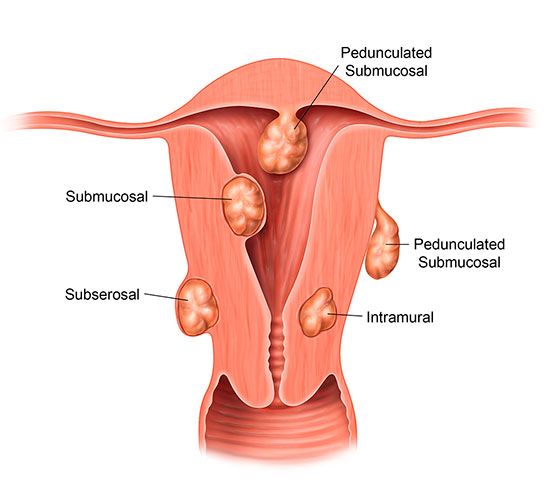
Fibroids can grow inside, underneath, and outside of the uterine walls. And, depending on their location, fibroids are usually divided into four different types: Intramural, subserosal, pedunculated, and submucosal.

Intramural fibroids are fibroids that grow within the muscular uterine wall and are the most common type of fibroid. Due to their location, intramural fibroids can cause all of the typical fibroid symptoms, and, as they grow larger, can actually stretch the womb, causing even more discomfort.

Subserosal fibroids are a type of fibroid that grows outside of the uterus on the serosa membrane, which is the outer lining that all organs and internal body cavities have. Subserosal fibroids sometimes grow big enough that they can make the womb look bigger on one side.

Pedunculated fibroids form when a subserosal fibroid develops a stem. This stem then becomes a slender stalk-like base that can support the growth of a pedunculated fibroid.

Submucosal fibroids are fibroids that bulge into the uterine cavity, as they grow in the myometrium or middle layer of muscle in the uterus. These fibroids are not as common as intramural, subserosal, and pedunculated fibroids.

When it comes to the painful fibroid symptoms associated with fibroid degeneration, the most concerning type of fibroid is a pedunculated fibroid.

Though all types of fibroids can cause pain when degenerating, pedunculated fibroids are more likely to cause pain in the abdominal area due to their stalk-like form and their location.

Pedunculated fibroids can also cause increased pain due to their obstruction of the uterus and the surrounding organs.

No matter where the fibroid is located though, the symptoms of their degeneration can be felt, and it doesn’t feel good. However, the good news is that there is treatment available.

By taking a look at your particular symptoms, medical risks, age, and other factors, you and your doctor can work together to find the treatment that is best for you. One of which, maybe Uterine Fibroid Embolization.

UFE is a non-invasive outpatient procedure that uses imaged-guided interventional radiology to move a catheter through to blood vessels until it reaches the artery supplying the fibroid or fibroids. Once in place, tiny microscopic particles are released through the catheter, which thereby blocks the blood supply to the artery.

Without this blood supply, fibroids can no longer survive.

The Bottom Line: There is nothing normal about fibroids or the life-interrupting symptoms they cause. Regardless of whether you’re experiencing uncomfortable symptoms of fibroid degeneration or not, it is important to seek treatment from a doctor. Most fibroid conditions do not improve without medical intervention.

If you are experiencing the symptoms of uterine fibroids and would like to learn more about your treatment options, give us a call and set up your consultation today.

Categories
Fibroids

Menstrual Cramps or Fibroids?

If you are a menstruating female, it is likely that at some point you have experienced the pain and discomfort of menstrual cramps.

These cramps usually range from mild to moderate, and can most often be treated with over-the-counter medications, and soothed with a hot water bottle or heating pad.

However, some women experience excessive cramping both before, during, and after their period.

Having period cramps between periods could be a sign of something more. And that something more, could be uterine fibroids.

So how can you tell if the cramps are from fibroids or just normal menstrual cramps?

Though it can be difficult to distinguish the difference between fibroid pain, and menstrual cramps, there are things you can do to help determine which is the cause of the cramping.

One valuable action is to start keeping track of when you get these cramps, which can help provide valuable information as to what is happening.

Keeping a log of your symptoms, the pain level, and the amount of bleeding experienced during each day of your period can be helpful in finding the solution to your individual situation.

So what exactly are menstrual cramps anyway?

Cramps during a monthly period are caused by the uterus contracting in order to push out the lining of the uterus, also known as the endometrium.

The endometrium builds up every month to prepare to support the fertilized egg and embryo that may attach to it during pregnancy.

No fertilized egg? No problem.

Fueled by hormones, the uterus begins to contract and shed the uterine lining. Then, the next month, if there is no pregnancy, the process will begin again.

Cramping during this time of the month is often a normal part of menstruating, however, when this cramping is excessive and accompanied by other symptoms such as pain in the pelvis, abdomen, back, and legs, this could point to something more.

Potential causes of excessive cramping are:

Endometriosis
Tissue that acts similar to the lining of the uterus grows outside of the uterus, most commonly on fallopian tubes, ovaries, or the tissue lining your pelvis.

Adenomyosis
The tissue that lines your uterus begins to grow into the muscular walls of the uterus.

Pelvic inflammatory disease
This infection of the female reproductive organs is usually caused by sexually transmitted bacteria.

Cervical stenosis
In some women, the opening of the cervix is small enough to impede menstrual flow, causing a painful increase of pressure within the uterus.

Uterine fibroids These noncancerous growths in the wall of the uterus can cause pain.

One of the most common causes of excessive cramping is uterine fibroids

When cramping and pelvic pain is caused by uterine fibroids, these uncomfortable symptoms could also be accompanied by additional symptoms such as heavy bleeding, frequent urination, and more.

If you are experiencing severe menstrual cramps, excessive bleeding, bleeding and cramps between periods, and other uncomfortable symptoms, it’s important to contact your doctor and schedule a visit.

If the cause is uterine fibroids, fortunately, this condition is treatable.

In fact, there are many different treatment options to treat uterine fibroids, ranging from medication to surgery, to a non-invasive procedure called Uterine Fibroid Embolization.

In our next article, we will take a look at how the specific type of fibroid can cause symptoms such as cramping and pelvic pain.

Categories
Fibroids

Risks and Side Effects of a Myomectomy

When fibroids are causing troublesome symptoms, and pain, and interfere with your normal activities, it is important to be aware that there are many treatment options available to relieve this burden. These treatment options can result in a decrease in symptoms, and in the case of a hysterectomy or a myomectomy, remove the fibroids completely.

Unlike a hysterectomy, which removes the fibroids by removing the entire uterus that contains them, a myomectomy is a surgical procedure to remove uterine fibroids, while keeping the uterus intact. Though it is actually more invasive than a hysterectomy, a myomectomy is an alternative to a hysterectomy for women that plan to bear children, or whose fibroids may be the cause of fertility issues.

As with all major surgeries, a myomectomy procedure does come with its own set of side effects and risks.

Some of which are:


Blood Loss:

Many women who undergo a myomectomy report an improvement in fibroid symptoms such as pelvis pressure and heavy bleeding. However, a myomectomy is still major surgery, and though it has a relatively low complication rate, the procedure still comes with its own unique set of challenges and risks.

One of the biggest risks involved in a myomectomy is the risk of excessive blood loss.

Many women with fibroids already have low blood counts and even anemia due to the fibroid symptoms of abnormally heavy menstrual bleeding. This, therefore, puts them at a much higher risk of problems due to blood loss.


Scar Tissue:

Due to the incisions that are done inside the uterus in order to remove fibroids, there is a risk of developing bands of scar tissue after surgery.


Pregnancy and Childbirth Complications:

Women of childbearing years may opt to have a myomectomy, especially over the option of a hysterectomy. However, a myomectomy can cause an increase in some risks during the delivery of a child. Though this is rare, it does happen and may result in a cesarean delivery to avoid rupturing the uterus during labor.


Increased Chance of a Hysterectomy:

Depending on the size, number, and location of fibroids, sometimes the surgeon may have to remove the uterus completely. Though this rarely happens, if the bleeding during a myomectomy becomes uncontrollable or there are additional abnormalities found in the uterus, sometimes the uterus needs to be removed as well.


Spread of Cancer:

During a myomectomy surgery, there is a very rare chance of a cancerous tumor being mistaken for a fibroid. As a result of trying to remove an unknown to be cancerous fibroid, there is the risk that it could lead to the spread of cancer.


Other potential risks and complications of a myomectomy are:

  • Hemorrhage
  • Injury to the uterus
  • Damage to the nearby organs of the urinary system
  • Infection
  • Blood clots
  • Eventual re-growth of fibroids

Though these risks and complications may be rare, they do happen. Therefore it’s important to be aware of them before deciding on any treatment plan.

In the end, you may find that both a hysterectomy and a myomectomy come with too many side effects and risks, and you may wish to learn more about a much less invasive procedure to remove fibroids, such as Uterine Fibroid Embolization, which we specialize in here at MidAtlantic Vascular and Interventional.

In our next article, we will look at some of the things that can be done to help prevent possible surgical complications before choosing to have a myomectomy to remove uterine fibroids.

Categories
Fibroids

Hysterectomy: Is This Treatment Option Right For You?

Though hysterectomy surgery was once common practice for women with fibroids, today there are many different options. However, depending on the severity of the fibroids and fibroid-related symptoms, some women may still opt to have a hysterectomy.

Therefore, today let’s dive deeper into this surgical procedure, and cover the different types of hysterectomies, as well as reasons why some women might elect to have this operation.

There are three different types of hysterectomies, and they are:

  • Supracervical hysterectomy: During this procedure, surgeons remove the uterus but not the cervix. A doctor may also refer to this procedure as subtotal or partial hysterectomy, it is most often used to treat conditions such as endometriosis.
  • Radical hysterectomy: This surgery removes the uterus, cervix, and surrounding support tissue. Doctors often recommend this type of hysterectomy for people with cancer.
  • Total hysterectomy: This surgery involves the complete removal of the uterus and cervix. This can be used to treat many conditions, such as heavy menstrual bleeding, and uterine fibroids.

It’s also important to note that depending on the circumstances surrounding the need for a hysterectomy, the surgeon may also remove the ovaries (oophorectomy) and the fallopian tubes (salpingectomy).

Though there are some promising medications available, such as the Gonadotropin-releasing hormone (GnRH) agonists Lupron, Synarel, and Zoladex which can shrink fibroids and reduce fibroid-related heavy bleeding- some women would prefer a permanent surgical procedure such as a hysterectomy, so as to avoid having to take these medications due to their side effects and risks.

In fact, it is estimated that 40% of women taking GnRH agonists experience side effects such as:

  • hot flashes
  • mood changes
  • increased sweating
  • muscle stiffness
  • vaginal dryness

And the most concerning side effect of GnRH agonist therapy,  osteoporosis.

Other medications that are used to treat fibroids are:

  • Birth control: Birth control can also be used to help with symptoms of fibroids — specifically heavy bleeding during and between periods and menstrual cramps.
    – Given that some of the most commonly prescribed birth control pills can increase estrogen and therefore increase the size of fibroids, birth control is not always the best solution.
  • Progesterone-containing agents: Pills, implants, injections, or an intrauterine device (IUD) — may also control bleeding.
    – If the fibroids are small, and the symptoms are mild, a progesterone-containing birth control pill may be beneficial in reducing symptoms. However, they come with their own set of side effects, and they can sometimes mask the severity of fibroids and other underlying conditions.
  • Elagolix: A combination of a GnRH agonist, estradiol, and norethindrone that has proven to be effective at reducing fibroid symptoms with a lower risk of adverse problems that can come from GnRH agonists alone.
    – Elagolix interacts with several other medications, and if taken long-term can cause permanent bone loss.
  • Tranexamic acid: An antifibrinolytic oral drug that’s indicated for the treatment of cyclic heavy menstrual bleeding in women with uterine fibroids.
    – Though it is a nonhormonal option to reduce menstrual blood loss, it does not affect or address the underlying cause of the bleeding- which is the fibroids themselves. It is also expensive.

Medications can be effective at managing fibroid symptoms, however, they do so, as a temporary solution. Medications do not fix the problem and sometimes they can even make things worse.

Therefore the main benefit of having a hysterectomy is that it doesn’t just manage fibroid symptoms, but by surgically removing the uterus, it removes the fibroids completely.

Not only does a hysterectomy remove fibroids and eliminate any possibility of them returning, but it also eliminates any possibility of having children.

For women that would like to have children, medication may be a good option to help manage fibroid symptoms allowing them to postpone a hysterectomy.  Or they may opt to have a uterine-sparing procedure done such as a myomectomy or Uterine Fibroid Embolization, which we specialize in here at MidAtlantic Vascular and Interventional.

The Bottom Line: For women with severe fibroids, fibroids that keep coming back, and fibroids that haven’t responded well to medication or other procedures, a hysterectomy may be an option worth considering. That being said, just like with medications, having a hysterectomy isn’t without its own set of side effects and risks. In our next article, we will take a look at what those are.


Categories
Fibroids

The Four Types of Fibroids

Fibroids are diagnosed by type, based on their position within the uterine wall, and are typically divided into four categories. These categories are:

  • Subserosal fibroids
  • Submucous fibroids
  • Intramural fibroids
  • Pedunculated fibroids

Though these names may be somewhat challenging to pronounce, they are fortunately fairly easy to explain.

Let’s start with Subserosal Fibroids.

  • Subserosal Fibroids are located near the outer layer of the uterus, known as the serosa. This particular type of fibroid grows toward the outside of the uterus. When they are small, they are unlikely to cause symptoms, and usually do not require treatment. However, they should be monitored in case they become larger and therefore symptomatic.

The next fibroid type is Submucosal Fibroids.

  • Submucosal Fibroids are also located near the outer layer of the uterus, however, they grow toward the internal layer of the uterus, called the mucosa, causing them to protrude into the uterine cavity. These fibroids tend to be symptomatic even at smaller sizes, and can even impact fertility. However, when caught early, these fibroids can be removed, thus preventing fibroid-related issues regarding pregnancy.

Another fibroid type is Intramural Fibroids.

  • Intramural FIbroids are located primarily within the width of the uterus. Because they grow toward the outside of the uterus, these fibroids usually cause symptoms similar to that of subserosal fibroids. And, just like with submucosal fibroids, if they are too large, they can also cause fertility issues and pregnancy complications.

The last type of fibroids is Pedunculated Fibroids.

  • Pedunculated Fibroids are a variation of the aforementioned fibroid types. They grow on a stalk on the outside or inside of the uterus. When small and subserosal ( growing on the outside of the uterine walls ), these fibroids are often asymptomatic. However, pedunculated submucosal fibroids, which grow inside the uterus, can cause various significant symptoms.

The classification of fibroids is somewhat limited, in that most fibroids are big enough or numerable enough to fall into several categories. However, identifying the type of fibroids can help in the diagnosis and treatment of them. If these fibroids are significant, like in the case of a large intramural fibroid with a significant part of it being submucosal, sometimes the solution is a hysterectomy. For women of childbearing age that want to conceive, an option for them is a myomectomy. This surgical operation can remove fibroids while preserving the uterus.

One of the best options out there for fibroid removal is Uterine Fibroid Embolization. Unlike the other treatment options available, UFE targets all of the fibroids in the uterus, making it effective for women with multiple fibroids, regardless of the fibroid’s size.

The bottom line is if you are experiencing symptoms that could be related to having uterine fibroids, help is available.

The first step is to make an appointment with your doctor. Your doctor can then order an ultrasound to find out where the fibroid or fibroids are located, and what type of fibroid it is.