Categories
Fibroids

Diet and Fibroids

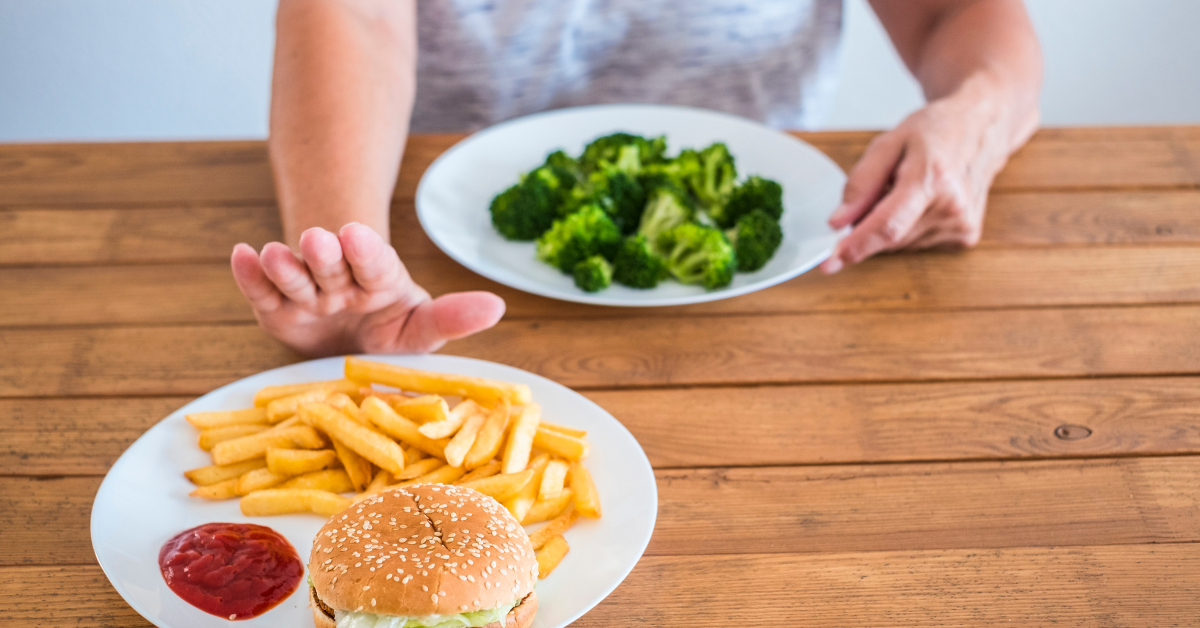
If you are diagnosed with uterine fibroids, one way to help reduce fibroid symptoms is to make changes to your diet. This means cutting back on high-fat and processed foods. As well as foods high in salt, refined carbohydrates, and sugar. 

At the first read-through, that might leave you thinking, that’s a lot of stuff to avoid. However, it really isn’t when you compare it to all the wonderfully beneficial and nutritious foods that women with fibroids can and should eat.

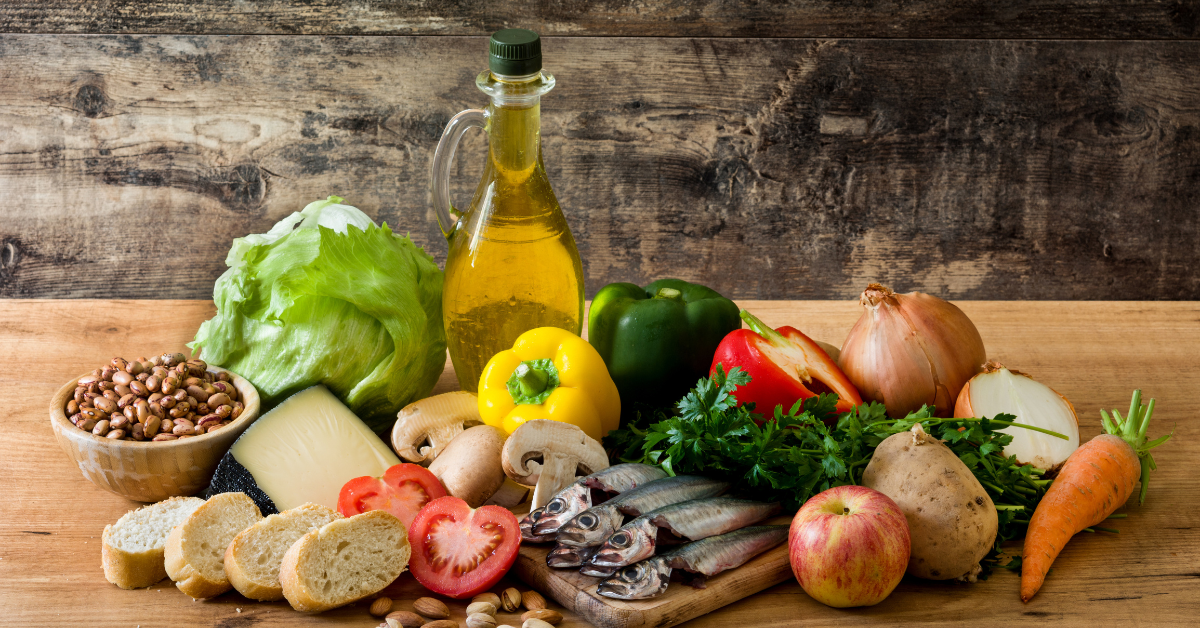
The recommended diet for women that want to reduce their fibroid symptoms most closely resembles the Mediterranean Diet.

The Mediterranean Diet is a primarily plant-based plan of eating that includes a daily intake of fruits, vegetables, whole grains, olive oil, beans, legumes, nuts, herbs, and spices. As for protein, this particular diet suggests that the main form of it should come from fish and seafood- which isn’t always the most affordable or accessible choice. Therefore adding lean meat and poultry is fine as well.

Here’s a look at some of the many foods that you can enjoy and benefit from:

Fresh Vegetables In particular, broccoli, asparagus, spinach, and kale. These four veggies are rich in iron that can help those suffering from the heavy bleeding that fibroids can cause- which can lead to anemia. Kale in particular has also been shown to aid in the prevention and further development of estrogen-fueled fibroid production.

Fruits Make sure to eat fruits such as pears, apples, grapes, tomatoes, figs, melons, peaches, and avocado– as all of these can help to lower the risk of fibroids. In fact, pears and apples, in particular, contain phloretin- which is a flavonoid that blocks estrogen- which has been found to decrease fibroid growth.

Nuts and Seeds Start adding nuts and seeds to your diet, like almonds, flaxseeds, and cashews- which are all rich in omega-3 fatty acids and can help not only decrease fibroid growth but can also help prevent uterine cancer. Flax seeds, in particular, can inhibit estrogen sensitivity in the uterus, and can even help prevent uterine cancer. Nuts and seeds are also excellent sources of fiber.

Oily Fish We’re talking about sardines, mackerel, salmon, and tuna– all of which contain essential fatty acids which have anti-inflammatory properties. They’re also rich in the beloved Vitamin D. Even better- B12-rich foods like seafood like shrimp, clams, and mussels can help to alleviate the symptoms of anemia.

Olive Oil When it comes to talking about the Mediterranean diet- we probably should have mentioned this must-have first- Olive oil. Olive oil ( in particular extra virgin olive oil), contains polyphenols that can potentially inhibit the production of prostaglandin, which is an inflammatory molecule. This, in turn, can help decrease or even prevent fibroid inflammation.

Though some of the following is not part of a Mediterranean diet, they can be part of a diet to reduce fibroid symptoms, and even inhibit their growth. These include: Fiber-Rich Whole Foods: cooked and raw vegetables cooked, raw, and dried fruit whole-grain bread and pasta cruciferous vegetables oats lentils barley beans

Potassium Rich Foods: avocado bananas citrus cantaloupe collard greens dates lentils oat bran potatoes tomatoes

Cruciferous vegetables: Arugula Bok choy Broccoli Brussels sprouts Cabbage Cauliflower Collard greens Horseradish Radishes Rutabagas Turnips Watercress Wasabi

The list goes on and on.

Though we can not entirely prevent fibroids, adhering to a healthy diet can not only improve other health conditions and overall quality of life, it can reduce and even alleviate painful and disruptive fibroid symptoms.

For more information about the Mediterranean diet, and some great recipes check out the following website.

Categories
Fibroids

Foods That Can Increase Fibroid Growth

There is evidence to suggest that certain foods can exacerbate fibroid symptoms and even contribute to fibroid growth.

So let’s take a look at the foods to avoid, and why.

High-Fat Processed Meats: Some examples of high-fat meats are- Filet mignon, also known as Chateaubriand or tenderloin, T-bone, New York Strip, porterhouse, flap or skirt steak, and rib-eye steaks. And high-fat processed meats, like sausages, hot dogs, salami, Ham, cured bacon, salted and cured meat, and corned beef.

Red processed meat in particular is known to be high in added hormones, particularly estrogen, which can be troublesome for women with fibroids.

High-Fat Dairy Products Such as butter, cheese, heavy cream, ice cream, and some milk, can all contain high levels of hormones, steroids, and other chemicals that can cause inflammation and exacerbate symptoms.

Food High in Salt Examples of these is smoked, cured, salted, or canned meat, fish, or poultry including bacon, cold cuts, ham, frankfurters, sausage, sardines, caviar, and anchovies. Frozen breaded meats and dinners, such as burritos and pizza. Canned entrees, such as ravioli, spam, and chili. Salted nuts. Chips and other salty snack foods.

Foods with excessive amounts of salt are hard on the liver, which is the organ that is most responsible for removing toxins and balancing hormones- Which is important for uterine and overall health.

And of course, you guessed it…

Refined Carbohydrates We’re talking about pasta, white bread, white rice, cookies, cakes, and all the other high-carb foods that pretty much every diet excludes. These foods aren’t inherently bad, but for women with fibroids, refined carbohydrates can be extra troublesome, as they can alter estrogen levels and cause an increase in fibroid growth.

Though none of these foods are inherently bad, for women with fibroids, it’s in their best interest to eliminate or at least limit the amount consumed. 

Categories
Fibroids

Low Impact Exercises for Women with Fibroids

When it comes to exercising with uterine fibroids, the right exercises can actually reduce symptoms and decrease pain. This is the result of the body producing feel-good neurotransmitters including endorphins, endocannabinoids, and dopamine.

The chemicals that are produced as a result of exercise, create a natural pain reliever and a positive feeling in the body- similar to that of morphine.

In fact, many people describe the feeling that follows a workout as being almost euphoric- resulting in decreased pain and increased pleasure.

So what effect does exercise have on fibroid pain?

Research has shown that the best way to use exercise in order to decrease the painful symptoms associated with uterine fibroids is through low-impact cardio.

Low-impact cardio includes activities like walking, light jogging, or swimming. Each of these low-impact exercises will increase your heart rate, and as a result, release those feel-good chemicals.

Even better, low-impact exercise will also help in the maintenance of a healthy weight, or even weight loss, as being overweight has been linked to increased fibroid symptoms.

When it comes to exercising, it’s important to find a workout that you enjoy.

If swimming isn’t your forte, try taking a daily walk with a furry friend, or do some light jogging around the track at your local high school. You can even practice light stretching and gentle yoga. Or take yoga classes that can be found online, or at your local studio.

So start exercising to help decrease fibroid pain, and make you look better, feel better, and live a healthier, happier life.

Categories
Fibroids

African American Women and Fibroids

Though it is estimated that 70 to 80 percent of all women will develop fibroids in their lifetime, for African American women, their chances are even higher.

Multiple studies have found that African and African American women are 2 to 3 times more likely to develop fibroids than white women.

In fact, some estimates state that at least 25% of African-American women will suffer from fibroids by the age of 25, and 80% of them will have them by age 50. 

Furthermore, as a result of the prevalence of fibroids in African-American women, they are also 2 to 3 times more likely to undergo surgery such as a hysterectomy.

Although research has not been able to pinpoint a singular cause of this disparity, they have found several elements that could contribute to it.

Some studies have shown that, just like with all women diagnosed with fibroids, there could be a genetic component that increases the likelihood of fibroids in African-American women.

While another study found that environmental factors can increase the prevalence of fibroids in African-American women such as an increase in stress, a history of abuse, dietary issues, and lifestyle.

Unfortunately, many women suffer from the symptoms of fibroids for a long time before getting treatment, which means many who live with a chronic fibroid condition are undiagnosed.

No one deserves to experience the painful symptoms of fibroids, and the sooner they are diagnosed, the easier and less invasive is the treatment.

For more information on the racial disparity that exists in the development of fibroids, please check out the following link.


Categories
Fibroids

Fibroids and Vitamin D

Summer is almost here, which means it’s almost time to go to the beach, swim, head out on vacation, and… get some much-needed sunshine. Though too much sun exposure, especially without sunscreen, can increase the risk of skin cancer- a moderate amount, can actually decrease the risk of many health issues. Why is this? Because the sun is a natural and effective way for the body to manufacture a powerful nutrient- vitamin D. Even better, one of the many benefits of this vitamin, is that it may actually help stop or at least decrease the growth of uterine fibroids.

According to researchers at The National Institute of Health, specializing in Reproductive Sciences, vitamin D does appear to inhibit the growth of fibroid cells in lab cultures. Using rats with existing tumors, the researchers gave half of them vitamin D injections for three weeks, while the other half were given none. What they found was that the fibroids in the untreated rats grew, and the fibroids in the rats given vitamin D, shrunk by 75 percent. Rather promising results, indeed.

The results of another research study, published in Fertility and Sterility, looked at the results from three different studies. After analyzing and compiling all of the data, they were able to conclude that all three studies showed a relationship between low levels of vitamin D and uterine fibroids. Based on these studies, and other studies like them, it has been suggested that 85% of women diagnosed with fibroids had a greater deficiency of vitamin D, as compared to women without fibroids.

Does this mean that if a woman doesn’t get enough Vitamin D, she will get fibroids? Not necessarily.

Every female body is different, and being deficient in Vitamin D is only one of several risk factors associated with fibroids. Others are diet and lifestyle, age, and possibly genetics. However, there is evidence to suggest that making an effort to get enough of this key nutrient, which is generated by sunlight and can also be found in fatty fish such as tuna and salmon, as well as fortified milk- can be helpful.

While studies continue to suggest that there is a strong relationship between the deficiency of vitamin D and fibroid growth, more clinical trials are needed before it can be administered as a first-line form of prevention and treatment. That being said, seeing as there is some sort of correlation between the two, it is in the best interest of all women, to make sure to be getting enough of this crucial vitamin.

The bottom line, there is evidence to suggest that low vitamin D levels are associated with the presence and further development of uterine fibroids, however, many other factors contribute to it as well. That being said, getting enough vitamin d can help our bodies to function better, and have a positive impact on overall health and wellness. In order to get enough vitamin D from the sun, research suggests that it’s best to expose uncovered skin to sunlight for 10 to 15 minutes. This amount of time is sufficient enough to create the body’s daily requirement for vitamin D. However, if you are uncomfortable with this, or have skin conditions that inhibit the amount of sun exposure you can have, another option is to talk to your doctor about adding a vitamin D supplement to your healthcare regime.

Categories
Fibroids

Fibroids and Alcohol Use

It probably isn’t a surprise to learn that in the United States, alcohol use is the third preventable cause of death. In fact, the list of negative effects associated with consuming excessive amounts of alcoholic beverages is long and seems to be getting longer. Overconsumption of alcohol has been associated with addiction, high blood pressure, liver disease, heart disease, various forms of cancer, stroke, hepatitis, and more. But what effect, does it have specifically, on women with uterine fibroids?

In 2020, a study published in Current Molecular Medicine found that alcohol consumption can alter hormones levels in the female body. This study and others like it found that this alteration in the hormone levels caused by drinking alcoholic beverages increases the risk of uterine fibroids. The most likely reason being that it specifically raises the level of estrone and estradiol.

Though the exact cause of fibroids is unknown, there is evidence to suggest that when higher levels of estrogen are introduced to the reproductive system, a woman is more likely to develop fibroids. Furthermore, for those of us already living with uterine fibroids, the effect of alcohol is not good. Alcohol consumption can lead to increased inflammation and dehydration, both of which may result in increased fibroid pain. This can also result in bloating, constipation, and anemia in women with fibroids. The bottom line, limiting the amount of alcohol consumed is beneficial for all of us. Alcohol use is the third most preventable cause of death in the United States and a leading cause of many health issues from cancer to heart disease. And, when it comes to women with fibroids or a family history of fibroids, they may wish to avoid it altogether. Though more studies need to be done to conclude that alcohol has a definite impact on the development of fibroids, one thing can be said for sure- For women living with uterine fibroids, drinking alcohol will not make anything better. Not only can it increase the severity of fibroid symptoms, but it can also increase the duration of them.

Categories
Fibroids

Depression, Anxiety, and Fibroids

Many of us are well aware that the presence of uterine fibroids can affect our physical health. They can cause heavy bleeding between and during menstruation, as well as painful or prolonged periods, a swollen abdomen, difficulty getting pregnant, frequent urination, and constipation. However, what many of us are not aware of, is how having fibroids can affect our mental health.

According to a study published earlier this year in the Journal of Epidemiology and Community Health, women with uterine fibroids experience higher rates of depression, anxiety, and self-directed violence, especially those experiencing pain or who have had a hysterectomy. The study compared 313,754 women aged 18-50 that had been diagnosed with uterine fibroids with 627,539 who did not have fibroids. Women with a prior diagnosis of depression, anxiety, self-violence, or who had been prescribed anti-anxiety or anti-depressant medication were excluded from the study. After compiling and analyzing all of the data, researchers found that there is indeed a correlation that shows having uterine fibroids can adversely affect mental health.

So why is this?

In an interview published in The Gleaner, Justine East, a clinical psychologist, helped explain the connection. Based on her experience, she has found that “Depressive symptoms such as a low mood, feelings of hopelessness, crying, decreased or increased appetite, and loss of interest in previously pleasurable activities are likely to develop in women with fibroids.” She goes on to add that women suffering from the condition are more likely to experience “anxiety symptoms such as restlessness, irritability, and sleep disturbance because of fear for fibroids and their consequences, such as miscarriages or having to do surgery”.

Just like with any mental illness, the mental health issues that fibroids can create in a woman’s life, often impact their spouses, families, and friends as well. Seeing a loved one struggling and in distress, can be difficult for everyone involved. This is why psychologist’s like East, highly recommended seeking therapy, or finding some kind of therapeutic tool such as journaling, that can help with the emotions that can arise around having fibroids. East suggests that writing and/or talking to someone about the fears, discomfort, and pain that can be a part of having fibroids can help lessen the emotional burden. This, combined with speaking openly and honestly with your doctor about all of the available treatment options, can help women to gain control of their fibroids rather than having their fibroids feel as though they are controlling them.

If you or someone you love has been diagnosed with uterine fibroids and is experiencing symptoms of depression, anxiety, and other mental health issues, help is available. Not only can a therapist help with processing the emotions linked to having fibroids, but there are numerous online support groups as well. In fact, help can be found right at your fingertips, by joining a private Uterine Fibroid Support & Resource Group on Facebook.

Fibroids shouldn’t have power over women by adversely affecting their physical health and their mental health. Especially when effective non-invasive treatment is available. In fact, again and again, evidence has shown that after undergoing treatment for fibroids, many women’s emotional health, sexual functioning, body image, and overall quality of life improve. With the help of either a therapist, friend, or support group, and working with your doctor to find the best available treatment option, women can own their power over fibroids and the impact they can have on their mental and physical health.

Categories
Fibroids

Menstrual Cramps or Fibroids?

Chances are, if you are a menstruating woman, at some point or another, you have experienced the discomfort of having menstrual cramps. In fact, it is estimated that more than 80% of menstruating women experience them.

Menstrual cramps are caused by the presence of a hormone-like substance called prostaglandins, which trigger the uterine muscles to contract as it sheds its lining. These contractions often cause inflammation and throbbing, cramping pain in the abdomen. Though the majority of menstrual cramps are treatable with over-the-counter pain relievers and anti-inflammatories like ibuprofen, sometimes the pain can be caused by an underlying issue, such as uterine fibroids. Many women commonly mistake these cramps as being severe menstrual cramps, when they are not. Fibroids are extremely common, in fact, evidence has shown that by the age of 50, at least 70-80% of women will have experienced fibroids.

So how can you tell if you’re having normal cramps or cramps from fibroids?

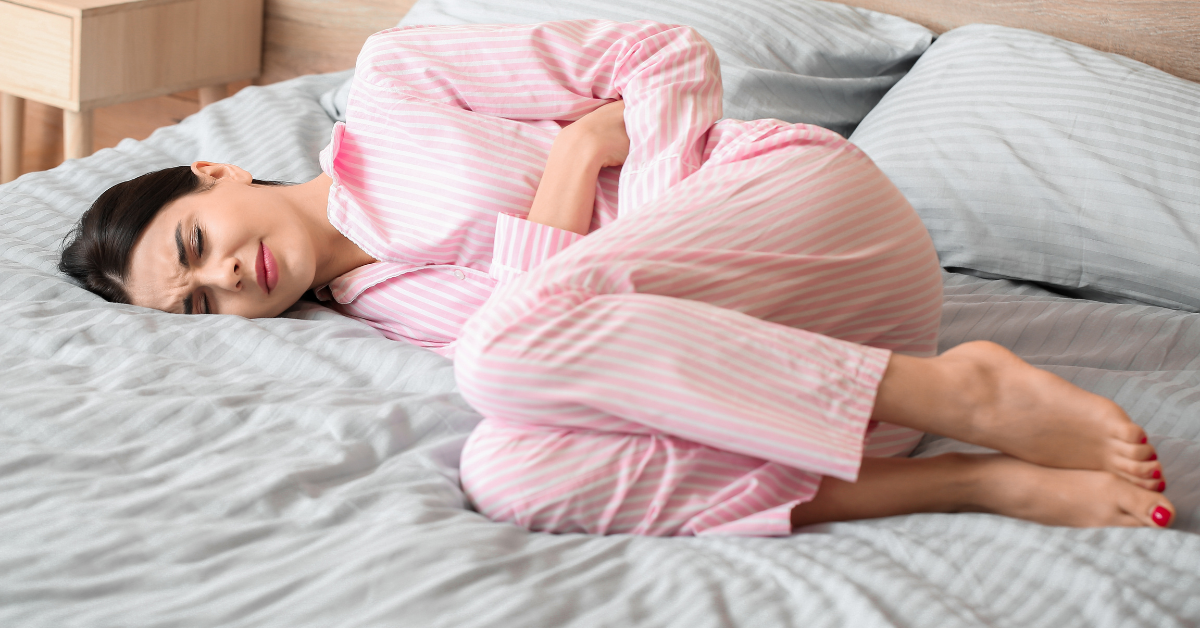
For starters, cramps caused by fibroids differ from normal cramps in that they are more painful, they can appear at other times during the month, and, if left untreated, they become worse over time. A few indicators that you may be experiencing the symptoms of fibroids during your cycle are:

  • Heavy and prolonged menstruation between or during your periods
  • Anemia, which can lead to fatigue
  • Pain during intercourse
  • Increased menstrual cramping
  • Stomach swelling
  • Frequent urination
  • Constipation and/or bloating
  • Pain in your pelvis or lower back

If you are experiencing any of these symptoms, do not panic. There is treatment available.

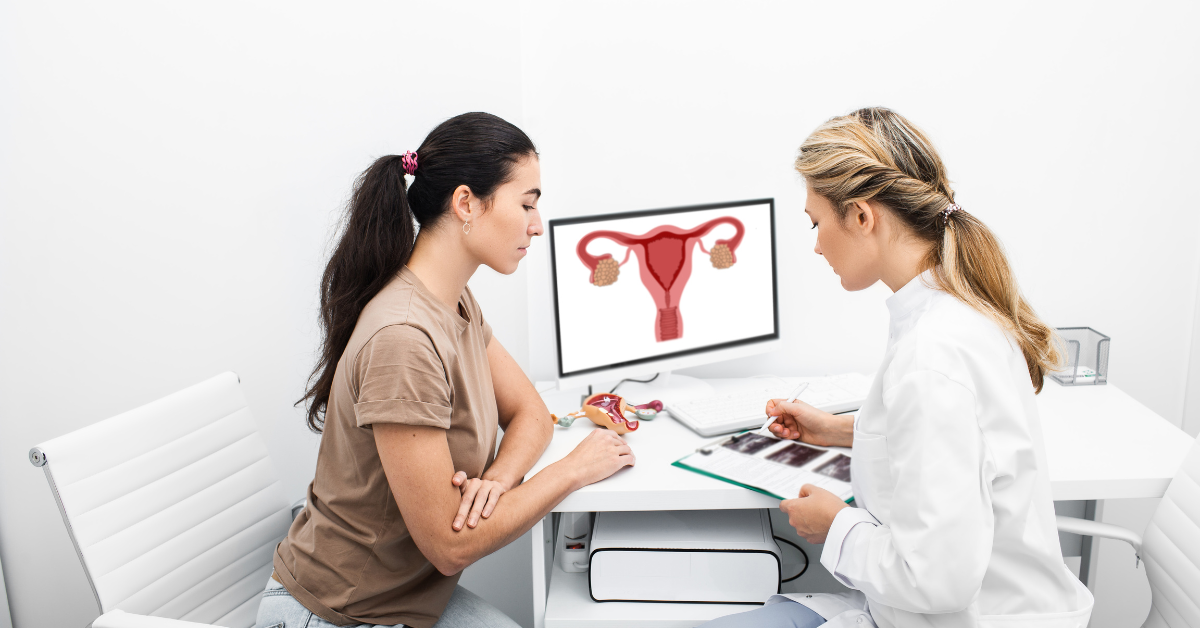
The first thing you need to do is speak to your doctor. The doctor will most likely order an ultrasound to confirm the presence of fibroids. Then, if fibroids are found, the next step in treatment may be a non-invasive procedure to remove them, such as Uterine fibroid embolization (UFE)- a procedure that is carried out by an expert radiologist.

No woman should suffer from excessive cramping and pain around their period. If over-the-counter medications aren’t helping, chances are there is something else going on. Call your doctor if you have any reason for concern, and know that by working with the skilled professionals at your ob-gyn, and the experts at conducting UFE procedures here at MidAtlantic Fibroid Care, we can have you feeling better in no time.


Categories
Fibroids

Hysterectomy, Far From The Only Treatment

Even in these modern times, in the United States, it is estimated that one in three women undergoes a hysterectomy by the age of 60. And sadly, research has shown that many of these procedures may have been completely unnecessary.

In fact, a study published in the American Journal of Obstetrics and Gynecology found that of the women who had hysterectomies, nearly 20% did not need to have one.

Medicine has come a long way, especially in the treatment of women’s health, and one area of great advancement is the treatment and removal of uterine fibroids, using a minimally invasive process known as uterine fibroid embolization (UFE).

UFE is the only non-surgical procedure to date, that can be done to remove fibroids without requiring an incision. During a UFE procedure, an interventional radiologist will thread a tiny 2mm catheter through the groin or wrist. The radiologist will then move the catheter toward the artery that supplies blood to the fibroids. The catheter then releases tiny plastic particles through the catheter into those arteries, which will block the blood supply, causing the fibroids to shrink until they are altogether eliminated.

Uterine Fibroid Embolization is a very effective treatment and can be performed by our expert radiologist here at MidAtlantic Fibroid Care. It is an outpatient procedure, it does not require general anesthesia, and many patients find they can resume their normal activities in about a week after treatment. For women seeking UFE for fibroids that cause painful and heavy periods, about 85-90% achieve relief from their symptoms, without the need for surgery.

UFE is so effective, that less than 2% of patients will require repeated treatment.

So before you move forward with a more invasive treatment or surgery, make sure to explore all of your options. Long gone are the days of a hysterectomy being the first line of treatment. Today, fibroids are common, and treatable in much less drastic ways.

To see if UFE is a good treatment option for you, schedule an appointment with us today, and let us help you live a happier, healthier, life.

Get a Consultation

Phone: 301-622-5360

Categories
Fibroids

Genetic Component of Uterine Fibroids

For many women diagnosed with fibroids- especially those that struggle with large or painful fibroids, the cause of these growths is often one of the first questions that come to mind. In some cases, women will report that their mother also had fibroids, and wonder if there is a genetic component.

So is there? Are fibroids hereditary?

According to a study published in The American Journal of Human Genetics, the answer is yes. In the study, researchers analyzed the genetic data collected from over 7,000 women and detected genetic variants that are significantly associated with uterine fibroids. One of the genes they found encodes a protein called Fatty Acid Synthase, or FAS. Upon further analysis, researchers discovered that this FAS protein was three times higher in uterine fibroid samples when compared to normal uterine tissue. They found that an over-expression of the FAS protein can also be found in other types of tumors, and is believed to be an important protein for tumor cell survival.

So what does that all mean? If my mother has higher FAS levels, does that mean you will too? Maybe, but not necessarily.

The genetic component may mean that you are more susceptible to developing fibroids. In fact, if your mother had fibroids, evidence has shown that you are three times more likely to develop fibroids, than someone that doesn’t have them in their family.

Though the research on the genetic connection is sound, it doesn’t necessarily mean that mothers with fibroids always have daughters with fibroids. That is not the case. One reason is that hormone levels are just as relevant to fibroid development as genetics.

Researchers are continuing to study the causes of fibroid tumors, however, even with the discovery of a potential genetic component, little scientific evidence is available on how to prevent them. What we do know is that by making healthy lifestyle choices, such as maintaining a healthy weight and following a healthy diet- you may be able to decrease your fibroid risk, and lessen the severity of fibroid growth.

If you’d like to take a deeper look at the study referenced in this article, you can check it out at: https://www.cell.com/ajhg/fulltext/S0002-9297(12)00421-1