Categories
Fibroids

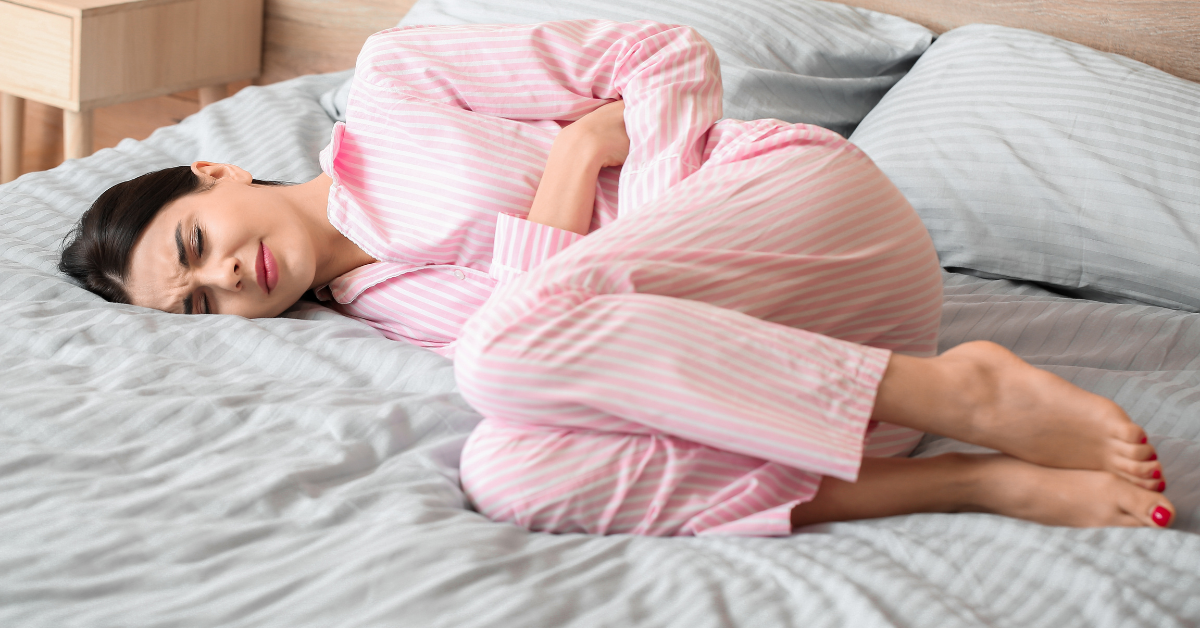
Excessive Cramping and Pelvic Discomfort

One of the most common symptoms associated with uterine fibroids is excessive cramping and pelvic discomfort.

Unlike menstrual cramps, which are caused by the contracting uterus as it pushes out the endometrium during a monthly period, fibroid cramps can exist outside of the average 5-7 days that menstruation lasts.

In fact, for women with uterine fibroids, not only do these cramps occur outside of the menstruation period, but they can be rather severe. And, unfortunately, if the fibroids are left untreated, these symptoms are likely to get worse and include several others as well.

Fibroids can range in size and location. They also vary in terms of how many each woman has. Some women may have a single fibroid while others could have multiple fibroids.

When it comes to the symptoms directly related to uterine fibroids- the location, size, and number of fibroids can play a role in the specific symptoms experienced and their severity.

For example, women with large fibroids have reported that they feel a heaviness or pressure in their lower abdomen or pelvis. Not only is this uncomfortable, but it can also make it hard to lie down, bend over, or exercise.

Though all fibroids can contribute to pelvic pain and cramping, more often than not, these symptoms are experienced as a result of having intramural fibroids.

Intramural fibroids grow inside the muscular wall of the uterus. As intramural fibroids grow larger, they increase the likelihood of more severe symptoms that can have a direct impact on one’s quality of life.

The other types of fibroids can also cause cramping and pelvic discomfort. These types are called: submucosal, subserosal, and pedunculated fibroids.

Submucosal fibroids grow into the uterine cavity, while subserosal fibroids grow toward the outside of the uterus. Pedunculated fibroids are those that are not directly attached to the uterus and grow from a stem-like stalk.

Cramping and discomfort caused by submucosal fibroids are usually caused by the uterus trying to rid itself of them.

Unlike the contractions that happen every month in order to shed the endometrium, painful contractions caused by submucosal fibroids can happen at any time during a menstrual cycle.

No matter what type of fibroid is causing your uncomfortable symptoms- there is treatment available.

If you think you are experiencing moderate to severe cramping outside of your monthly period, or even if it’s severe during your period- it’s important to seek out treatment right away.

Though most causes of pelvic pain and cramping are treatable, if you do not address the issue it is likely that your symptoms and the underlying condition will get worse.

If the cause of the cramping is indeed fibroids, there are many treatment options available such as medication, surgery, or uterine fibroid embolization.

UFE is a non-invasive outpatient procedure that can relieve the painful cramping and other frustrating symptoms caused by uterine fibroids.

To learn more about UFE and to find out if it could benefit you, please call our office today.
Categories
Fibroids

Menstrual Cramps or Fibroids?

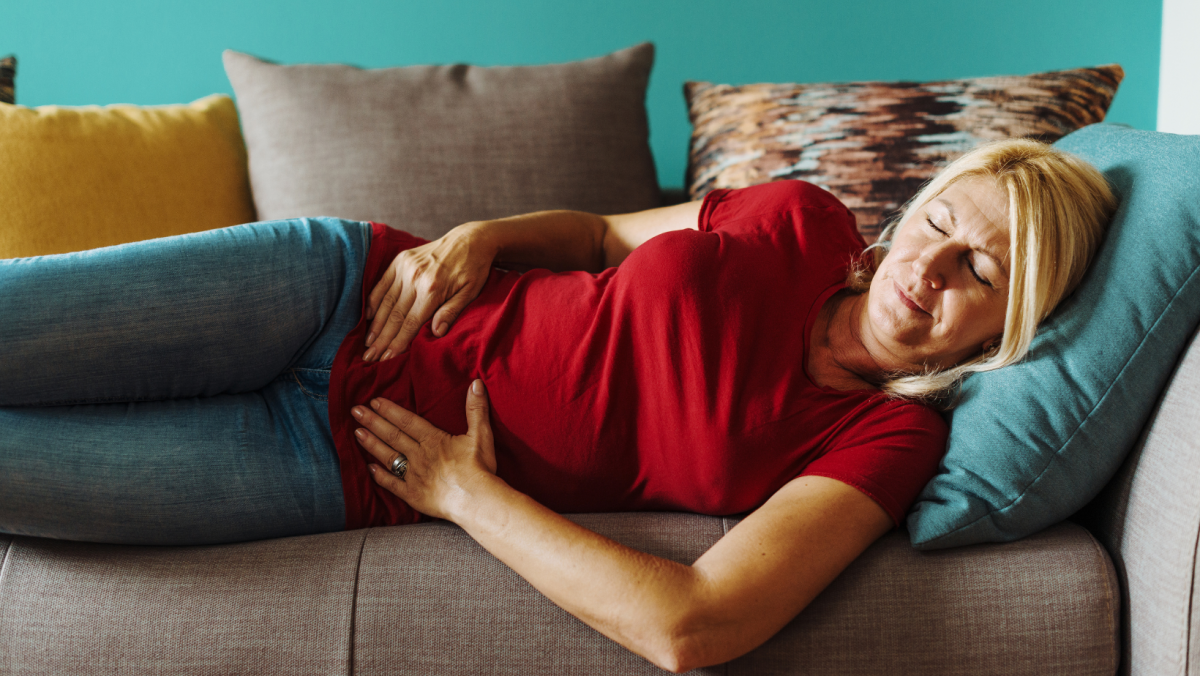
If you are a menstruating female, it is likely that at some point you have experienced the pain and discomfort of menstrual cramps.

These cramps usually range from mild to moderate, and can most often be treated with over-the-counter medications, and soothed with a hot water bottle or heating pad.

However, some women experience excessive cramping both before, during, and after their period.

Having period cramps between periods could be a sign of something more. And that something more, could be uterine fibroids.

So how can you tell if the cramps are from fibroids or just normal menstrual cramps?

Though it can be difficult to distinguish the difference between fibroid pain, and menstrual cramps, there are things you can do to help determine which is the cause of the cramping.

One valuable action is to start keeping track of when you get these cramps, which can help provide valuable information as to what is happening.

Keeping a log of your symptoms, the pain level, and the amount of bleeding experienced during each day of your period can be helpful in finding the solution to your individual situation.

So what exactly are menstrual cramps anyway?

Cramps during a monthly period are caused by the uterus contracting in order to push out the lining of the uterus, also known as the endometrium.

The endometrium builds up every month to prepare to support the fertilized egg and embryo that may attach to it during pregnancy.

No fertilized egg? No problem.

Fueled by hormones, the uterus begins to contract and shed the uterine lining. Then, the next month, if there is no pregnancy, the process will begin again.

Cramping during this time of the month is often a normal part of menstruating, however, when this cramping is excessive and accompanied by other symptoms such as pain in the pelvis, abdomen, back, and legs, this could point to something more.

Potential causes of excessive cramping are:

Endometriosis
Tissue that acts similar to the lining of the uterus grows outside of the uterus, most commonly on fallopian tubes, ovaries, or the tissue lining your pelvis.

Adenomyosis
The tissue that lines your uterus begins to grow into the muscular walls of the uterus.

Pelvic inflammatory disease
This infection of the female reproductive organs is usually caused by sexually transmitted bacteria.

Cervical stenosis
In some women, the opening of the cervix is small enough to impede menstrual flow, causing a painful increase of pressure within the uterus.

Uterine fibroids These noncancerous growths in the wall of the uterus can cause pain.

One of the most common causes of excessive cramping is uterine fibroids

When cramping and pelvic pain is caused by uterine fibroids, these uncomfortable symptoms could also be accompanied by additional symptoms such as heavy bleeding, frequent urination, and more.

If you are experiencing severe menstrual cramps, excessive bleeding, bleeding and cramps between periods, and other uncomfortable symptoms, it’s important to contact your doctor and schedule a visit.

If the cause is uterine fibroids, fortunately, this condition is treatable.

In fact, there are many different treatment options to treat uterine fibroids, ranging from medication to surgery, to a non-invasive procedure called Uterine Fibroid Embolization.

In our next article, we will take a look at how the specific type of fibroid can cause symptoms such as cramping and pelvic pain.

Categories
Fibroids

Menstrual Cramps or Fibroids?

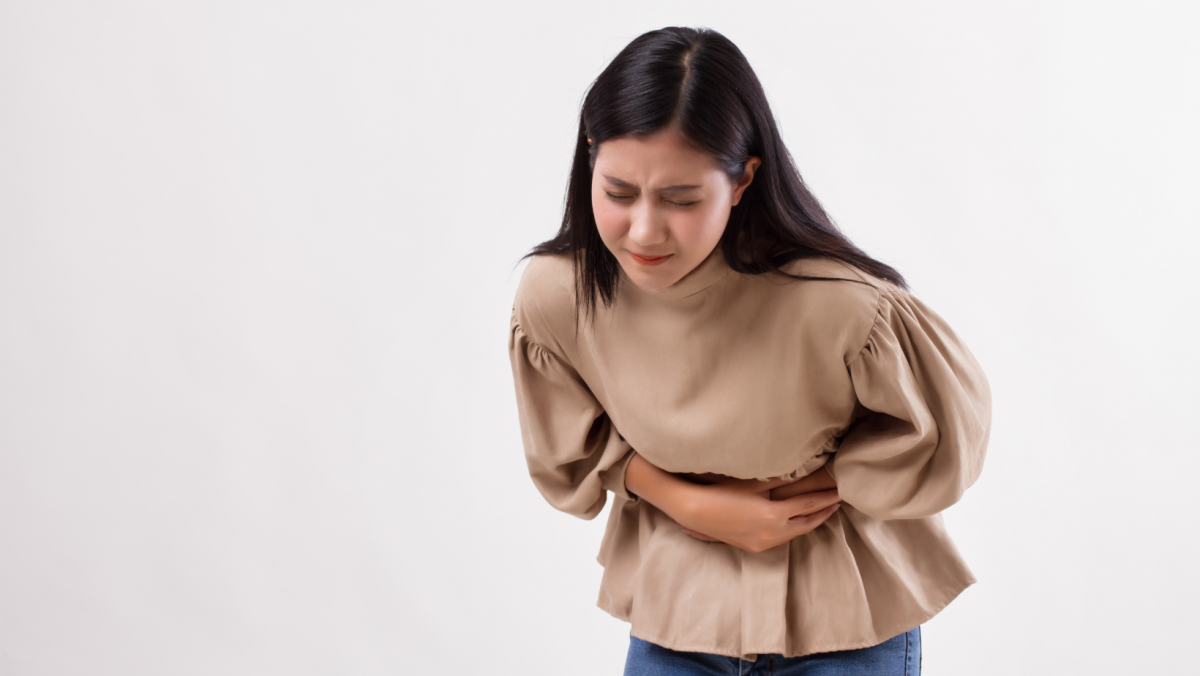
Chances are, if you are a menstruating woman, at some point or another, you have experienced the discomfort of having menstrual cramps. In fact, it is estimated that more than 80% of menstruating women experience them.

Menstrual cramps are caused by the presence of a hormone-like substance called prostaglandins, which trigger the uterine muscles to contract as it sheds its lining. These contractions often cause inflammation and throbbing, cramping pain in the abdomen. Though the majority of menstrual cramps are treatable with over-the-counter pain relievers and anti-inflammatories like ibuprofen, sometimes the pain can be caused by an underlying issue, such as uterine fibroids. Many women commonly mistake these cramps as being severe menstrual cramps, when they are not. Fibroids are extremely common, in fact, evidence has shown that by the age of 50, at least 70-80% of women will have experienced fibroids.

So how can you tell if you’re having normal cramps or cramps from fibroids?

For starters, cramps caused by fibroids differ from normal cramps in that they are more painful, they can appear at other times during the month, and, if left untreated, they become worse over time. A few indicators that you may be experiencing the symptoms of fibroids during your cycle are:

  • Heavy and prolonged menstruation between or during your periods
  • Anemia, which can lead to fatigue
  • Pain during intercourse
  • Increased menstrual cramping
  • Stomach swelling
  • Frequent urination
  • Constipation and/or bloating
  • Pain in your pelvis or lower back

If you are experiencing any of these symptoms, do not panic. There is treatment available.

The first thing you need to do is speak to your doctor. The doctor will most likely order an ultrasound to confirm the presence of fibroids. Then, if fibroids are found, the next step in treatment may be a non-invasive procedure to remove them, such as Uterine fibroid embolization (UFE)- a procedure that is carried out by an expert radiologist.

No woman should suffer from excessive cramping and pain around their period. If over-the-counter medications aren’t helping, chances are there is something else going on. Call your doctor if you have any reason for concern, and know that by working with the skilled professionals at your ob-gyn, and the experts at conducting UFE procedures here at MidAtlantic Fibroid Care, we can have you feeling better in no time.