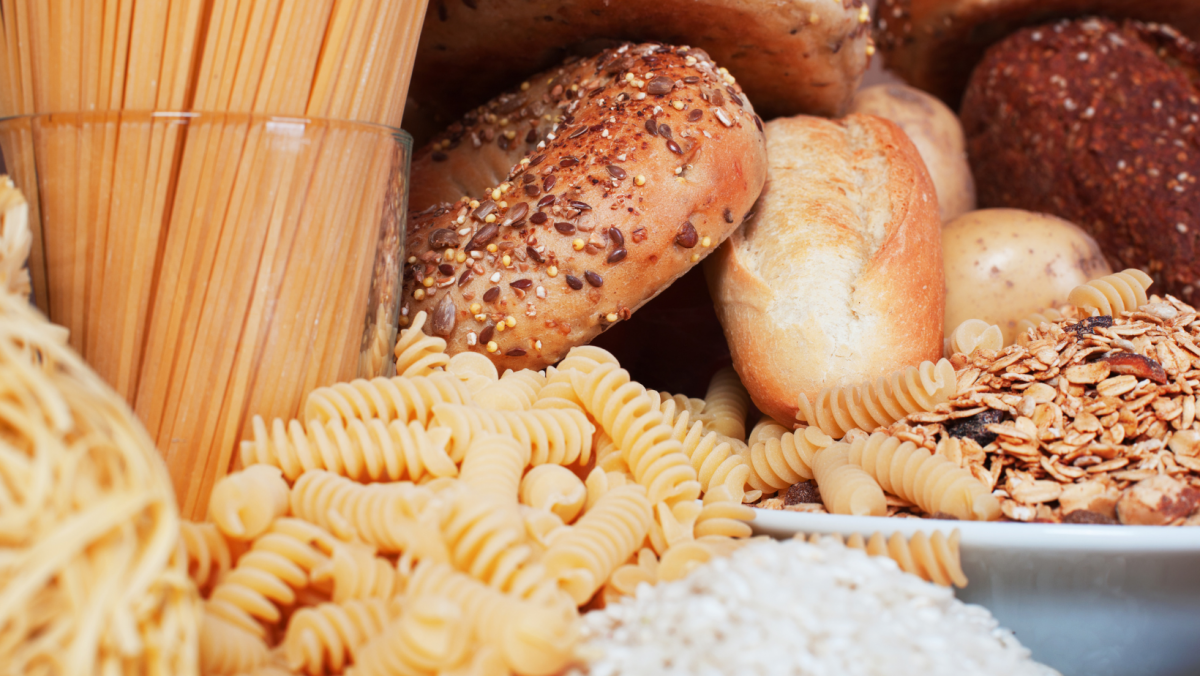
Studies have shown that refined carbohydrates such as white pasta, white bread, cookies, and cakes can all contribute to increased knee and joint pain.
Due to the grains being stripped of their fiber, these processed grains result in processed carbohydrates like white flour, which is quickly converted into sugar in the body. This results in a rapid increase in blood sugar which can then trigger an inflammatory response. Which of course, leads to a potential increase in knee and joint pain.
So does that mean those of us with knee osteoarthritis should cut carbohydrates out of our diet entirely?
Well, that depends on the type of carbohydrates you are consuming.
Carbohydrates are a necessary part of the human diet. They supply us with quick energy, and fuel, and help our brains to function at optimal levels. Therefore, if we completely cut out this important food group from our diet, we can have all sorts of side effects such as cognitive issues, weakness, and fatigue. And- it wouldn’t be doing our osteoarthritis any favors either.
What it comes down to is being aware of the type of carbohydrates that are a part of your diet.
If you find that refined carbohydrates are a large part of your daily dietary intake, then your best bet is to cut back, eliminate, or replace them with fiber-rich, nutritious alternatives.
Rather than trying to cut out carbohydrates entirely, which almost always fails, the most effective game plan is usually to replace refined carbs with non-refined carbs.
So what are these healthier, unrefined, fiber-rich, alternatives?
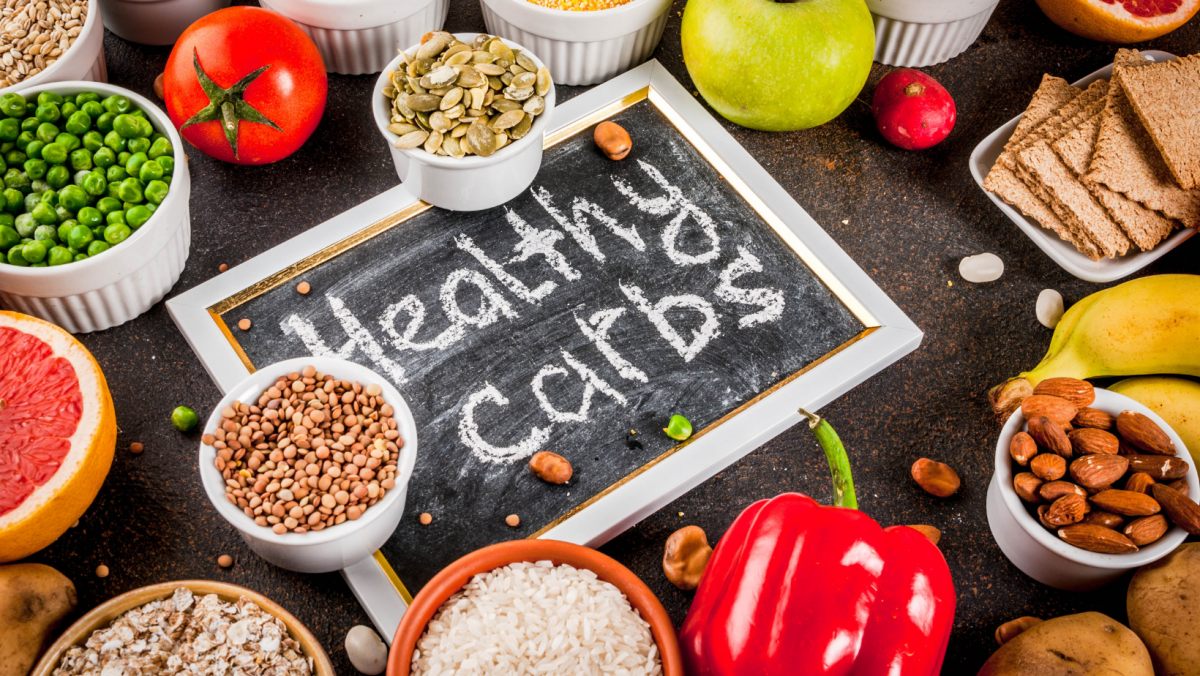
In general, unprocessed or minimally processed carbs are whole grains, vegetables, fruits, and beans.
Now let’s take a look at some of the common refined carbohydrate foods we eat, and the healthier carbohydrates that they can be replaced with.
White rice, white pasta, cereals, and white flour-based bread:
White rice can easily be replaced with delicious nutrient-rich alternatives such as brown rice or quinoa. White pasta can be replaced with whole wheat pasta, brown rice pasta, quinoa pasta, lentil pasta, and even pasta made out of zucchini noodles called “zoodles”.
As for cereal and bread, cereal can be replaced with oatmeal, and instead of white bread, try eating rye, whole wheat, or spelt.
White potatoes, french fries:
These can be replaced with sweet potatoes which are rich in antioxidants.
You can even make them into baked sweet potato fries. The key word here is “baked”. But don’t let that fool you, just because they aren’t deep-fried doesn’t mean they aren’t just as delicious.
Add more nutrient-rich carbohydrates to your diet such as beans and legumes:
Beans are an excellent source of complex carbohydrates. They are rich in potassium, protein, and fiber. Furthermore, there are so many different kinds of beans out there, that you are unlikely to get bored with them.
Not only that, but they are very affordable and easy to make.
Beans can be heated up on the stove or in the microwave, then simply add a splash of olive oil, a pinch of garlic, and maybe some peppers, onions, and herbs, and you’ll have yourself a quick, easy, and delicious dish.
Another key change to make when it comes to choosing healthier carbs is to replace processed carbs with fruits and vegetables.
This means, passing on the donut and opting for a bowl of fresh fruit. Or instead of taking that extra spoonful of mashed potatoes, get yourself a few forkfuls of asparagus, steamed or roasted broccoli, cauliflower, and more.
Many people are surprised to find out how delicious healthier and more nutritious carbohydrates can be.
So give it a try.
You might find that not only do you feel better, look better, and have less inflammation, but you’re also enjoying these healthier foods, and so is your family.