Categories
Fibroids

Medical Advancements in Fibroid Treatment

Fortunately for the estimated 26 million women in the United States that have uterine fibroids, huge medical advancements have been made that allow for a variety of treatment methods. These range from medication to hormone therapy, as well as both invasive and non-invasive surgical procedures to remove the fibroids completely.

Here at MidAtlantic Vascular and Interventional, we specialize in the removable of uterine fibroids, through an advanced medical procedure called Uterine Fibroid Embolization.

Unlike medications, which primarily treat the symptoms of fibroids, Uterine Fibroid Embolization, focuses on treating the condition by removing the fibroids themselves.

So what is Uterine Fibroid Embolization? And how does it work?

Good question and we are happy to answer that. But first, let’s take a quick look at what a uterine fibroid is.

Uterine fibroids are noncancerous growths of the uterus that often appear during a woman’s childbearing years. These growths are made of smooth muscle cells and fibrous connective tissue. Sometimes fibroids are solitary, but it is also common to have multiple ones.

Uterine fibroids range in size. Some are so tiny that they are undetectable by the human eye alone. While others can be large enough to distort and enlarge the uterus.

How can I tell if I have a fibroid?

When a woman has a fibroid, it is most often discovered during a routine pelvic exam or imaging procedures performed for other reasons. If the fibroid or fibroids do not cause any symptoms, pain, or discomfort, and are not affecting fertility- then they usually do not require treatment. However, when symptoms are present, these can be managed with medications, surgery, and by using minimally invasive techniques.

Some of the symptoms associated with fibroids are:

• Unusually heavy period
• Long than normal periods
• Bleeding in between periods
• Pressure and pain in the pelvis
• Frequent urination
• Lower back pain
• Pain during intercourse
• Difficulty conceiving

Ok, so back to the original question: What is Uterine Fibroid Embolization?

Uterine Fibroid Embolization is a non-invasive procedure to remove uterine fibroids. Rather than requiring general anesthesia, the procedure uses conscious sedation ( an IV of a light sedative) to help you to relax and remain pain-free during the UFE procedure.

Once the sedating medicine has been administered, our expert radiologist will begin the procedure.

The UFE procedure commences with our expert Interventional Radiologist, Dr. Rishi Sood, making a teeny tiny nick in the skin (about the size of the tip of a pencil). He will then thread a tiny 2mm catheter through the groin or wrist. Using moving X-ray technology (fluoroscopy), Dr. Rishi will then guide the catheter through the blood vessels until it reaches the artery that supplies blood to the fibroids.

Once the catheter reaches the artery that supplies blood to the fibroids, tiny gelatin beads are released through it, which travel into the artery, creating a blockage. This blockage cuts off the blood supply to the fibroids. And, without the fibroids being able to receive vital nutrients through the blood, they can not survive.

A blockage? Isn’t that dangerous?

No, in this case, it is not. Unlike a blockage to the heart or other vital organs, this particular blockage is only cutting off the blood supply to the fibroid. The results are remarkable, for, without the fibroids being able to receive vital nutrients through the blood, they shrink until they are altogether eliminated.

Does this sound too good to be true?

Maybe, but rest assured it is not. In fact, according to the New England Journal of Medicine, the success rate of uterine fibroid embolization is estimated to be upwards of 95%.

This is great news to the millions of women that are suffering from the pain and discomfort that comes with having uterine fibroids.

In our next article, we will take a look at what you can expect during the UFE procedure. What does it feel like? How long does it take? And what does the recovery period look like?

In the meantime, for more information on Uterine Fibroid Embolization, or to make an appointment for your consultation, please reach out to us at 301-622-5360.

Categories
Knee Osteoarthritis

Prescription Painkillers for Knee Pain

The first line of medication treatment to reduce knee pain is usually NSAIDs, however, sometimes opioids are used. But are they worth their risk?

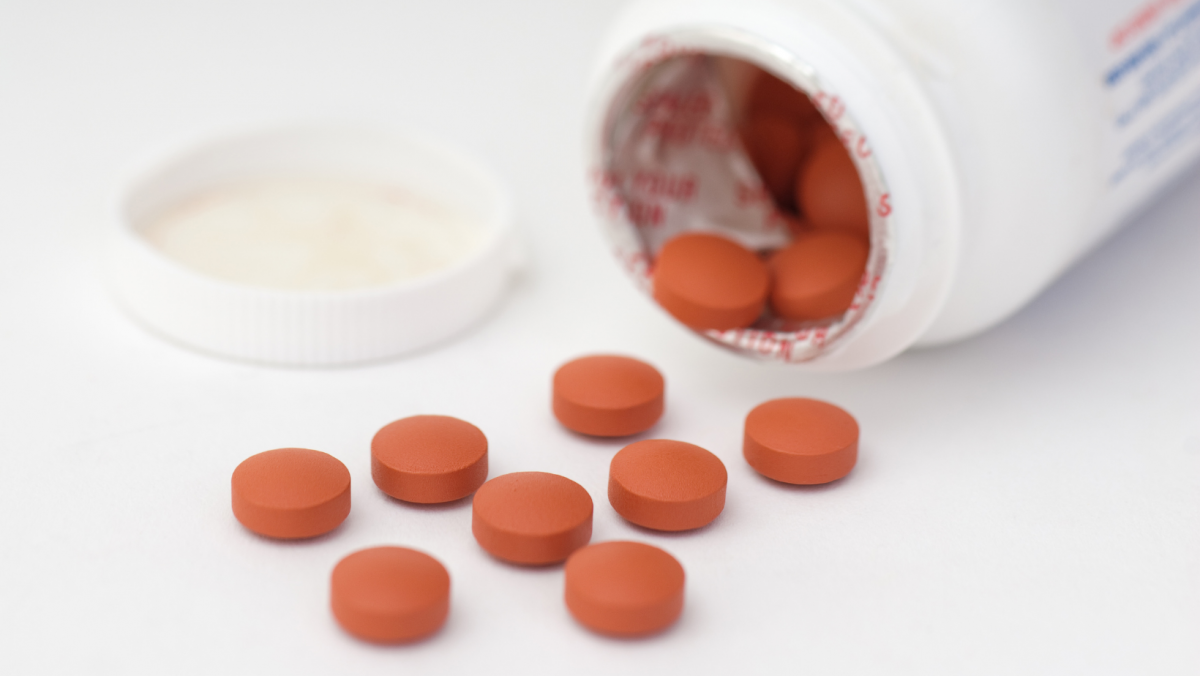
As we covered in previous articles, NSAIDs stand for Nonsteroidal anti-inflammatory drugs and are used to treat inflammation, pain, and swelling. These medicines can be bought at the drugstore, grocery store, and even at one of your local gas stations.

They are common, they are everywhere, and they are helpful.

However, though NSAIDs are effective, they can be problematic when taken for long periods of time or at high doses. Higher doses and time spent taking these medications can increase the risk of gastrointestinal bleeding, and ulcers, and even lend themselves to cardiovascular problems. NSAIDs can also cause fluid retention and kidney problems.

For people with knee osteoarthritis who can not achieve adequate pain relief from over-the-counter medicines, or can not take them for other reasons, sometimes the prescription drug tramadol is used.

Tramadol, which is sold under the brand names Ultram®, Ultracet, and Ultram® ER (extended-release), among others, is an opioid pain medicine that is sometimes used to treat moderate to moderately severe pain. Belonging to a class of opiate analgesics, tramadol is a narcotic that works by changing the way the brain and the nervous system respond to pain.

When it comes to relieving acute pain, prescription painkillers are sometimes used because they can relieve acute pain very effectively. The most common of these are morphine, codeine, and oxycodone, among several others- and they are primarily used in emergency and intensive care situations to induce anesthesia or reduce severe pain.

Though prescription painkillers like tramadol are sometimes used to treat osteoarthritis knee pain, recent studies have shown evidence that they don’t necessarily work better than NSAIDs do. Not only that but opioids like tramadol have been shown to lose their effectiveness with time.

Recently, The Cochrane Review shared the results of some extensive research regarding the benefits and harms of tramadol for treating osteoarthritis. They examined 22 studies involving 3871 people taking tramadol and 2625 people in a comparator group.

What they found overall, was that compared with a placebo, the evidence showed that taking tramadol for up to three months had no important benefit on pain or function. They also found that many people in the tramadol group experienced side effects that led them to stop taking it, such as nausea, vomiting, dizziness, constipation, tiredness, and headache.

Other studies have found that tramadol can be effective at relieving osteoarthritis pain in elderly sufferers, but, only when it is combined with acetaminophen ( Tylenol).

This makes one wonder if it’s the tramadol or the Tylenol that’s making the difference. In fact, a recent meta-analysis comparing NSAIDs and opioids for relief of knee osteoarthritis pain in over 5,500 patients found that on average, oral NSAIDs, less potent oral opioids (such as tramadol), and more potent oral opioids (such as oxycodone) all had similar efficacy and each reduced pain by about 30 percent.

There are also some studies that present evidence to support the claim that using opioids, such as tramadol to relieve osteoarthritis pain can actually make the condition worse. The problem is believed to be caused by the fact that opioids alter the perception of pain, but they do not do anything to help improve the symptoms of osteoarthritis.

Unlike NSAIDs, Tramadol doesn’t reduce inflammation and swelling, and it comes with its own set of side effects, ranging from nausea, vomiting, and dizziness, to addiction and even death.

Fortunately, most people do not need to take opioids for knee osteoarthritis, and most doctors will err on the side of caution when it comes to prescribing them. Though opioids, like tramadol, can be helpful in the short-term treatment of severe pain, in order to bridge the gap until a knee surgery or procedure can be performed- other than that, most find they are better off using NSAIDs for pain relief.

For those that wish to avoid taking medications as much as possible or who wish to focus on treating knee osteoarthritis directly, there are many other options. Not only can physical therapy and diet and lifestyle changes make a difference, but so can an invasive surgery such as a knee replacement, or a non-invasive procedure called Genticular Artery Embolization, which we specialize in here at MidAtlantic Vascular and Interventional.

The Bottom Line: Sometimes due to an inability to take NSAIDs due to gastrointestinal problems, cardiovascular risks, and kidney problems, a prescription opioid such as tramadol could be prescribed. However, even in these cases, the risks and potential problems that can come from using opioids may outweigh the benefits.

Categories
Enlarged Prostate

An Enlarged Prostate: Signs and Symptoms

Getting up several times to urinate throughout the night, could be a symptom of benign prostate hyperplasia. Which is also known as an enlarged prostate.

An enlarged prostate? What does that mean?

Well, before we get into that, let’s take a look at exactly what the prostate is.

The prostate is a small gland that is part of the male reproductive system.

It is responsible for aiding in the production of fluid that carries sperm from the testicles and helps to push semen through the urethra during ejaculation.

The prostate is located below the bladder, in front of the rectum,  and surrounds part of the urethra.

Typically the prostate is about the size and shape of a walnut, however, as a man ages, the prostate can become larger.

Though it is normal for the prostate to grow, sometimes this growth can be problematic and become Benign Prostatic Hyperplasia (BPH), also known as an enlarged prostate.

BPH occurs when the prostate grows large enough that it begins to pinch the urethra, causing troubling symptoms such as:

  • a weak flow when you urinate
  • a feeling that your bladder hasn’t emptied properly
  • difficulty starting to urinate
  • dribbling urine after you finish urinating
  • needing to urinate more often, especially at night
  • a sudden urge to urinate

The prostate’s squeezing of the urethra also causes the bladder to have to work even harder to pass urine. This over time, can cause the bladder muscles to become weak, making it harder for it to be emptied. This can also lead to:

  • Feeling like you still have to pee even after you just went
  • Having to go too often — eight or more times a day
  • Incontinence (when you don’t have control over when you pee)
  • An urgent need to pee, all of a sudden
  • You wake up several times a night to pee
  • Urinary tract infections, bleeding, bladder damage, and bladder stones

If you are experiencing any of these symptoms, you may be dealing with the effects of an enlarged prostate and, you are not alone.

The urinary issues related to prostate size are so common, that on average about 8 out of 10 men will eventually experience it.

Though men with an enlarged prostate might not experience every one of the symptoms listed above, and the severity may vary, it’s still important to make an appointment with your doctor to identify or rule out any underlying causes.

If left untreated, urinary problems, especially those caused by an enlarged prostate, could lead to more serious problems such as frequent UTIs, an obstruction of the urinary tract, and serious bladder or kidney damage.

If you are experiencing the symptoms of an enlarged prostate, it’s important to schedule a visit with your doctor.

If treatment is necessary, your doctor will work with you to find the best treatment for you. This could mean taking prescribed medication, or it could mean making some lifestyle changes to help control BPH symptoms.

If the symptoms are particularly bothersome, your doctor may recommend that the prostate be treated directly through surgery or a non-invasive procedure such as Prostatic Artery Embolization– which we specialize in here at MidAtlantic Vascular and Interventional.

In the meantime, if you’d like to learn more about Prostate Artery Embolization, or schedule a visit to find out if this treatment could benefit you, please do not hesitate to call us at 301-622-5360 to set up a consultation.

Categories
Fibroids

Recovery Time of Fibroid Treatment

When it comes to the different procedures that can remove uterine fibroids, the recovery time of each method is something to keep in mind.

Some surgeries like a hysterectomy will require a few nights of hospitalization following the procedure, and take several weeks or even months of rest in order to fully recover.

Other fibroid removal procedures like Uterine Fibroid Embolization, which we specialize in here at MidAtlantic Vascular and Interventional, can be performed as an outpatient procedure, allowing for the patient to go home the same day. Not only that, but most women find they can resume their normal activities in a few days.

Really?

Yes! The average recovery period from Uterine Fibroid Embolization is about 1-2 weeks!

Though UFE is a ground-breaking non-invasive treatment that is efficient, effective, and has a much shorter recovery period- some women are still opting to have their fibroids removed through the surgical procedures of a hysterectomy or a myomectomy. The reason for this, in some cases, is that many women are unaware of the other options available, and therefore are still opting to have a more invasive procedure. Therefore a myomectomy still remains one of the most common treatment methods for removing fibroids.

As we’ve covered in previous articles about the surgical removal of fibroids, a myomectomy is a surgical procedure that removes uterine fibroids while keeping the uterus intact and is a treatment option for women who wish to have children after the fibroids are removed, or who wish to keep their uterus for other reasons.

There are three main types of myomectomies: laparoscopic myomectomy, abdominal myomectomy, and hysteroscopic myomectomy.

Today let’s take a look at the expected length of recovery following each type of myomectomy.

The first approach is a standard open surgery, while the second and third options are less invasive.

1. Laparotomy, also known as an Abdominal Myomectomy:

A laparotomic myomectomy is performed as open surgery, by way of an abdominal incision.

A laparotomic myomectomy is usually necessary when there are several very large fibroids that are located in a difficult area of the uterus to reach using other surgical methods. It is also oftentimes the best approach to removing intramural fibroids, which are fibroids that are located primarily within the width of the uterus.

Recovery Period:

Though effective, due to its invasiveness, a laparotomic myomectomy has a higher risk for blood loss and scarring and involves the longest recovery period among the different types of myomectomies.

An abdominal myomectomy is usually followed by a 2-3 day hospital stay. Once back at home, the average post-surgical recovery period is around 6 weeks, which includes avoiding exercises, such as biking, jogging, and aerobic exercise. It also requires complete abstinence from lifting anything that could cause strain on the body.

During the recovery period, most women will need to take at least 2-3 weeks off from work so that they can rest and recover, depending on the type of work that they do and how they feel during the weeks following the procedure.

2. Laparoscopy:

During a laparoscopic myomectomy, the surgeon will make four incisions of about a half-inch each into the lower abdomen. Through these, a laparoscope and other small instruments are inserted into the uterus to remove uterine fibroids.

A laparoscopic myomectomy is most appropriate for fibroids located on the outer layer of the uterus, known as the serosa. Known as subserosal fibroids, this particular type of fibroid grows toward the outside of the uterus. And, similar to an abdominal myomectomy this method of fibroid removal requires general anesthesia.

Recovery Period:

Though a laparoscopic myomectomy is less invasive than an abdominal myomectomy, the amount of time it takes to recover post-op is still significant.

A laparoscopic myomectomy operation is usually followed by at least one night in the hospital. After that, the general restrictions are the same as those after an abdominal myomectomy, however, most women find they can resume some normal activities within about 4 weeks.

3. Hysteroscopy:

During a hysteroscopic myomectomy, fibroids are removed using a surgical instrument called a hysteroscopic resectoscope which is inserted through the vagina and cervix and into the uterus. Then, a wire loop is used to shave off and thereby remove the fibroids.

A hysteroscopic myomectomy is typically the most appropriate type of myomectomy for fibroids that bulge into the uterus, called submucosal fibroids.

Recovery Period:

A hysteroscopic myomectomy involves general or local anesthesia and most women are able to go home the same day as the procedure, following a few hours of observation. However, in rare cases, a night of recovery in the hospital can be necessary.

The Bottom Line:

A hysterectomy and any type of myomectomy procedure to remove uterine fibroids will result in a longer period of post-op recovery, especially when compared to a non-invasive procedure like Uterine Fibroid Embolization.

In some cases, the recovery may take a few weeks, in other cases, it could take months. In fact, some women might experience less post-surgery pain than others, while some may need to take prescription pain relievers and limit their activities for quite some time. However, regardless of the rate of recovery, all women will experience a period of recovery and will need to take certain precautions and adhere to the restrictions set forth by their doctor, to have the safest, shortest, recovery period possible.

In our next article, we will take a look at the recovery time of the fibroid removal procedure, Uterine Fibroid Embolization, which we specialize in here at MidAtlantic Vascular and Interventional.

Unlike a myomectomy, UFE addresses and eliminates all types of uterine fibroids, allowing for a fully functional uterus post-surgery, without risks and complications from fibroid surgery. UFE has a recovery time of about a week allowing a woman to quickly return to their normal daily life.

To learn more about UFE and to set up a consultation, please call us today.


Categories
Knee Osteoarthritis

Frequent use of NSAIDs: Is it Worth the Risk?

In the United States, it is estimated that over 29 million people use over-the-counter pain medication such as aspirin or ibuprofen daily.

You read that right.

29 million people are popping over-the-counter pain pills every day, for everything from back pain to joint pain, to knee osteoarthritis pain.

NSAIDs, which stands for non-steroidal anti-inflammatory drugs, are so widely used that they can be found everywhere from drugstores to supermarkets, airports, gas stations, and even in vending machines.

The most commonly used NSAIDs in the United States are:

  • Aspirin (available as a single ingredient known by various brand names such as Bayer® or St. Joseph® or combined with other ingredients known by brand names such as Anacin®, Ascriptin®, Bufferin®, or Excedrin®).
  • Ibuprofen (known by brand names such as Motrin® and Advil®).
  • Naproxen sodium (known by the brand name Aleve®).

Acetaminophen (Tylenol®) is sometimes mistakenly referred to as an NSAID, but it’s not. Though it is also a pain reliever and fever reducer, acetaminophen doesn’t have the anti-inflammatory properties of NSAIDs. However, acetaminophen is sometimes combined with aspirin in over-the-counter products, such as some varieties of Excedrin®.

Whether it’s NSAIDs or acetaminophen, the bottom line is that millions of Americans rely on these medications every day, to reduce aches and pains, inflammation, and joint pain, which brings in billions of dollars every year.

Consumer reports published the results of their research on the most popular over-the-counter pain medications, and the amount of money the sale of them brought in, in millions of US dollars, in 2019.

This is what they found:

Though these medications can be effective at reducing knee pain related to osteoarthritis, when used long-term, they can cause more harm than good.

In fact, the recommendation by the makers of these drugs is that they shouldn’t be used continuously for more than three days for fever, and 10 days for pain, unless it is under the suggestion and care of a physician.

Based on your particular situation, if your doctor gives you the green light to take NSAIDs for a longer period of time, it’s important to make sure that they monitor you for any harmful side effects. In which case, the medicine will need to be stopped entirely, and a different type of pain medicine or treatment will need to be administered.

Some common side effects like bloating, increased gas, heartburn, stomach pain, nausea, and constipation can generally be prevented by taking an NSAID with food, milk, or an antacid. However, if these symptoms continue even when combined with food, milk, or an antacid, it’s important to inform your doctor so the medication can be stopped and changed.

A few other common side effects of NSAIDs include:

  • Dizziness.
  • Feeling lightheaded.
  • Problems with balance.
  • Difficulty concentrating.
  • Mild headaches.

If these symptoms go on for more than a few days, stop taking the NSAID and call your doctor.

Though most of the aforementioned symptoms are mild and can be treated with another medicine, by reducing the amount taken, or switching medicines, some side effects are serious and when experienced should be followed by a call to your doctor immediately.

These serious side effects include:

  • Gastrointestinal/urinary
  • Black stools — bloody or black, tarry stools.
  • Bloody or cloudy urine.
  • Severe stomach pain.
  • Blood or material that looks like coffee grounds in vomit (bleeding may occur without warning symptoms like pain).
  • Inability to pass urine, or change in how much urine is passed.
  • Unusual weight gain.
  • Jaundice.
  • Head (vision, hearing, etc.):
  • Blurred vision.
  • Ringing in the ears.
  • Photosensitivity (greater sensitivity to light).
  • Very bad headache.
  • Change in strength on one side is greater than the other, trouble speaking or thinking, change in balance.

It’s also important to watch out for possible allergic reactions and other problems such as:

  • Fluid retention (recognized by swelling of the mouth, face, lips, or tongue, around the ankles, feet, lower legs, hands, and possibly around the eyes).
  • Severe rash or hives or red, peeling skin.
  • Itching.
  • Unexplained bruising and bleeding.
  • Wheezing, trouble breathing, or unusual cough.
  • Chest pain, rapid heartbeat, palpitations.
  • Acute fatigue, flu-like symptoms.
  • Very bad back pain.
  • Feeling very tired and weak.

Due to the risks involved in taking medications, some would rather avoid them as much as possible. Fortunately,  medication is not the only option when it comes to reducing knee pain caused by osteoarthritis. Nor is major surgery, such as knee replacement surgery, and other invasive procedures with long recovery periods.

Though some patients benefit from all sorts of other treatments ranging from injecting medication called corticosteroids or hyaluronic acid which can be injected when knee pain becomes severe- many find great benefits from Genticular Artery Embolization, which we specialize in here at MidAtlantic Vascular and Interventional.

To learn more about this state-of-the-art procedure to reduce knee pain and increase mobility, please call and set up a consultation with us today!

In our next article, we will look into the use of prescription painkillers that are sometimes used to treat osteoarthritis knee pain and the risks that come along with choosing these particular types of medication for pain relief.


Categories
Enlarged Prostate

BPH Medication: Combination Therapy

Of all of the medication-based treatments for an enlarged prostate, there is evidence to suggest that combination therapy of alpha-blockers and 5-alpha reductase inhibitors, is the most effective.

Alpha-blockers are medicines that are used to relax muscle tissue thereby helping to relieve pressure and urinary symptoms associated with an enlarged prostate, such as tamsulosin (Flomax) or terazosin (Hytrin).

While 5-Alpha Reductase Inhibitors such as dutasteride (Avodart) and finasteride (Proscar), are medications that can shrink the prostate.

One study, in particular, found that the combination therapy of alpha-blockers and 5-alpha reductase inhibitors reduced the risk of urinary retention and the need for prostate surgery by 66% when compared to the impact of the alpha-blocker tamsulosin alone.

Using a combination of alpha-blockers and 5-alpha reductase inhibitors in the treatment of an enlarged prostate has shown promising results, however, it is not without its own set of side effects and risks.

According to a meta-analysis study published in the medical journal Aging Male, entitled “Impact of combination therapy 5-alpha reductase inhibitors (5-ARI) plus alpha-blockers (AB) on erectile dysfunction and decrease of libido in patients with LUTS/BPH: A systematic review with meta-analysis,” the overall prevalence of erectile dysfunction and reduced libido was found to be significantly greater for men treated with the combination therapy of alpha-blockers and 5-alpha reductase inhibitors.

In fact, they found that combination therapy not only increased the risk of erectile dysfunction significantly, compared to the prevalence of this side effect during monotherapy with just alpha blockers or 5-alpha inhibitors- but they also found that combination therapy resulted in more reported cases of reduced libido than monotherapy.

Other potential side effects of these medications are:

Dizziness, headache, and fatigue (most common)
Decrease in sex drive
Erectile dysfunction
Retrograde ejaculation
Decreased volume of ejaculate
Dry mouth, stuffy nose, and swelling of the ankles
Breast disorders (painful or enlarged breasts)
Low blood pressure

Both alpha-blockers and 5-alpha reductase inhibitors have their side effects, as well as their benefits.

The primary benefit of alpha-blockers is that they offer quick relief from BPH symptoms – usually in days to weeks. Whereas with 5-alpha reductase inhibitors, a benefit is that they can shrink the prostate and potentially avoid the need for prostate surgery, however, it can take anywhere from three to six months to experience any signs of improvement.

Even though combination therapy shows more promising results in the treatment of BPH, alpha-blockers are still the most commonly prescribed treatment. However, alpha-blockers are only effective in the short term, and symptoms will most likely return once the medication is stopped.

For men that wish to avoid taking medication for an enlarged prostate due to the risks and side effects of these drugs, they may wish to explore the option of a non-invasive surgical procedure that we specialize in here at MidAtlantic Vascular and Interventional called Prostate Artery Embolization.

In our next article, we will take a look at what the research says about the efficacy of Prostate Artery Embolization and compare it to the efficacy of medication therapy in the treatment of benign prostate hyperplasia.

Categories
Fibroids

Short or Long Recovery

When it comes to procedures to remove fibroids, some result in shorter recovery periods than others.

Uterine Fibroid Embolization, which we specialize in here at MidAtlantic Vascular and Interventional, has a recovery period of about 1-2 weeks, with most women finding they can resume their normal activities after a few days. This is remarkable considering that most fibroid removal procedures are done surgically with a post-operation recovery period of several weeks or even months.

Not only that, but these surgeries such as a hysterectomy or a myomectomy, often require a few nights in the hospital following the procedure. This is not the case with Uterine Fibroid Embolization.

In order to get a better understanding of how groundbreaking UFE is as an outpatient fibroid removal procedure with a much shorter recovery period, we’re going to take a look at what can be expected following another common fibroid removal procedure: a myomectomy.

When it comes to the recovery period after electing to remove uterine fibroids through a major surgery such as a myomectomy, the recovery timeline varies. Unlike a hysterectomy, which can take weeks and even months to recover from and requires a hospital stay following the procedure, a myomectomy recovery depends on the severity of the fibroids and the approach taken to remove them while keeping the uterus intact.

As we’ve covered in previous articles about the surgical removal of fibroids, a myomectomy is a surgical procedure that removes uterine fibroids while keeping the uterus intact and is a treatment option for women who wish to have children after the fibroids are removed, or who wish to keep their uterus for other reasons.

As a quick recap- let’s take a look at the three main types of myomectomies, which are: laparoscopic myomectomy, abdominal myomectomy, and hysteroscopic myomectomy.

Abdominal Myomectomy

This is the most invasive method of performing a myomectomy and involved the administration of general anesthesia. During this procedure, the doctor will make an incision that starts at the lower abdomen and reaches the uterus. Then, using this incision, the doctor will remove the fibroids and then proceed to close the wound with stitches.

Laparoscopic Myomectomy

Similar to an abdominal myomectomy, though less invasive, this procedure also requires the use of general anesthesia. After making several small cuts in the lower abdomen, the stomach is filled with carbon dioxide gas in order to provide the doctor with a better look inside the abdomen. The doctor will then insert a thin lighted tube with a camera on top, called a laparoscope. Then, using special tools, the fibroids are removed, the gas is released, and the incisions are stitched up.

Hysteroscopic Myomectomy

This is the least invasive of the myomectomies and may use general or local anesthesia. It begins with the doctor putting a liquid inside of the uterus in order to make it widen, and therefore make the fibroids more visible. Then, using a lighted scope and a wire loop, which are entered through the vagina and cervix, the fibroids are shaved off of the uterus. Once finished removing the fibroids, the liquid is also removed, which gets rid of any fibroid fragments that remain.

Since a hysteroscopic myomectomy doesn’t involve any external incisions, the recovery time is much shorter than the other types of myomectomies.  And in general, women who have a hysteroscopic myomectomy generally experience fewer complications, while also experiencing a shorter recovery time than that of the other types of myomectomies. However, regardless of the type of myomectomy, it will still take a few weeks for the body to heal.

In our next article, we are going to look at exactly what is to be expected following a myomectomy in regards to the recovery time, so as to compare it to the recovery time that is to be expected following the non-invasive fibroid removal procedure, Uterine Fibroid Embolization. 

To learn more about Uterine Fibroid Embolization as a treatment for uterine fibroids, please call us today to set up a consultation. A myomectomy or a hysterectomy is not the only option. So call us today to find out more.


Categories
Knee Osteoarthritis

Finding Relief From Knee Pain

It is estimated that 800,000 Americans get knee replacement surgery every year, however, the number of people that have painful knee osteoarthritis is significantly more.

This means that many people in this country and worldwide, are suffering from the debilitating knee pain that comes with untreated osteoarthritis.  Which as a result, can interfere greatly with their daily lives, and limit what they can and can not do.

No one deserves to live with the significant pain, limited physical capabilities, and reduced quality of life that comes from living with untreated knee conditions. Especially with the many treatment options that are available.

The most common method of finding relief from knee pain due to osteoarthritis is through the use of medications or injections.

Though these methods may be helpful for those with milder cases of knee osteoarthritis, these types of treatments only offer temporary relief, and often come with a slew of unwanted side effects, and other health risks.

The most common medications taken to provide some relief from knee pain belong to a class of medications called NSAIDs.

NSAID stands for “nonsteroidal anti-inflammatory drugs”. Examples of these commonly used nonsteroidal anti-inflammatory medicines are aspirin, ibuprofen, naproxen, and some narcotics.

Though helpful in the short term, long-term use of these medications can lead to serious side effects.

The most common side effects of NSAIDs are gastrointestinal problems, including stomach irritation and reflux. It has also been reported that in some cases NSAIDs can contribute to heart problems and increase the risk of cardiovascular conditions.

Other side effects associated with using NSAIDs:

• Stomach irritation and ulcers
• Gastrointestinal (GI) bleeding
• Increased potential for bruising
• Exacerbation of asthma symptoms
• Increased risk of stroke, heart attack, and blood clots
• Kidney damage

Another NSAID that is used to relieve osteoarthritis pain is a prescription-strength medication called celecoxib, also known by its brand name Celebrex.

This medication is more likely to be prescribed to patients that can not take some of the other over-the-counter NSAIDs due to stomach issues, as celecoxib is less likely to cause gastrointestinal bleeding. However,  there is evidence to suggest that celecoxib can contribute to the development of heart problems.

Some people can not take NSAIDs for a variety of reasons, in which case they might opt to take acetaminophen to relieve pain, also known by the brand name Tylenol.

Acetaminophen can relieve pain but does little to reduce inflammation. And, though it is widely used to treat pain, most doctors do not recommend acetaminophen as it is more likely to harm the liver than some of the other pain-relieving options that are available. In fact, too much acetaminophen can not only cause liver damage but can even lead to death.

Furthermore, some studies have even found that acetaminophen does little to help relieve osteoarthritis pain, especially when compared to the efficacy of NSAIDs.

When it comes to severe knee pain, another common pain reliever is a type of medication called an analgesic. These medicines are commonly known as “painkillers” and they work by blocking pain signals in the body. Though acetaminophen is technically an analgesic, the term is more often used to describe prescription painkillers such as tramadol, and opioids containing hydrocodone or oxycodone.

In our next article, we will dive deeper into looking at medications that are commonly used by those suffering from knee pain by focusing on their benefits as well as their risks.

In the meantime, if you would like to learn more about a non-invasive procedure to treat knee osteoarthritis, so as to avoid knee replacement surgery and the overuse of pain relievers, please call us today to set up a consultation at MidAtlantic Vascular and Interventional, 301-622-5360.


Categories
Enlarged Prostate

Medications for an Enlarged Prostate

Selective alpha-blockers and 5-Alpha reductase inhibitors are usually the first choices of medication to treat benign prostate hyperplasia.

Alpha-Blockers are a type of blood pressure medication, that work by “blocking” the hormone norepinephrine (also known as noradrenaline) and thereby prevent the muscles in the walls of veins and smaller arteries from constricting. This allows these vessels to remain open and relaxed, and as a result, blood flow is improved and blood pressure is lowered.

Due to their ability to relax the muscles in the prostate and around the bladder, men taking this alpha-blocker may have an easier time urinating.

In fact, according to some studies, it is estimated that around 3 out of 5 men that take alpha-blockers find that their urinary symptoms improve within the first month of treatment.

In clinical studies, alpha-blockers have shown promising results in their ability to improve urinary symptoms related to BPH, and have proven to do so faster than another commonly prescribed medication for BPH, which is 5-alpha reductase inhibitors.

5-alpha reductase is what drives both normal and abnormal prostate growth. It is influential in the formation of dihydrotestosterone, also known as DHT, which is an androgen formed from testosterone.

Administering a 5-Alpha Reductase Inhibitor, such as finasteride and dutasteride, can inhibit the production of DHT and result in a decrease in prostate volume, as well as improvement in urinary issues.

In clinical studies, alpha-blockers have shown an ability to improve lower urinary tract symptoms related to an enlarged prostate and work faster than the 5-alpha reductase inhibitors at relieving these symptoms. However, alpha-blockers have not provided clinical evidence to support their effect on reducing the long-term risk of acute urinary retention, as well as the risk of needing to have prostate surgery.

Both alpha-blockers and 5-alpha reductase inhibitors result in different actions in the body, and the combination of these two types of medications is oftentimes considered synergistic.

According to a study published in Science Direct, which was originally published in The Journal of Urology, researchers found that combination therapy with an alpha-blocker and 5-alpha-reductase inhibitor provided a greater improvement in lower urinary tract symptoms compared to using one or the other medication solely.

In another study published in Science Direct,  researchers found that the combination of the alpha-blocker, tamsulosin, and the 5-alpha reductase inhibitor dutasteride, significantly reduced the risk of acute urinary retention, as well as reduced the need for prostate surgery.

This particular study followed 3195 men over a 4 year period and found that combination therapy reduced the risk of urinary retention and the need for prostate surgery by 66% when compared to the impact of the alpha blocker tamsulosin alone, and by 20% compared to dutasteride alone.

Though numerous studies have shown that combination therapy is more effective in treating both the symptoms and the prostate condition itself, combination therapy of alpha-blockers and 5-alpha reductase inhibitors does come with its increased risks of adverse effects.

In our next article, we will take a look at some of the side effects and risks associated with the combination therapy of alpha-blockers and 5-alpha reductase inhibitors.

Categories
Fibroids

Putting an End to Fibroids

There are many medications that can help relieve the symptoms of uterine fibroids, such as pelvic discomfort and heavy menstrual bleeding. However, these medicines do not remove the fibroids and only provide a temporary solution. Once the medication is stopped, the relief it provided from fibroid symptoms is stopped as well. Therefore the only way to successfully put an end to fibroid symptoms is to remove the fibroids.

There are several surgical approaches to removing uterine fibroids. One excellent option is a non-invasive procedure, called Uterine Fibroid Embolization, which we specialize in here at MidAtlantic Vascular and Interventional. Another option is a major surgery such as a hysterectomy, or a uterine sparing surgical procedure, such as a myomectomy.

A myomectomy is usually offered as a treatment recommendation for women who wish to have children after the fibroids are removed, or who wish to keep their uterus for other reasons. Whereas a hysterectomy is typically an option for women with fibroids that would like to avoid having to take medication and experience the side effects associated with them, as well as avoid the risk of fibroids returning following some of the other treatment procedures available. A hysterectomy is also oftentimes the preferred method of treatment of uterine fibroids for women that do not plan to have children.

Both a hysterectomy and a myomectomy are major surgery and come with their own risks of complications and side effects. Therefore it’s important to work with your doctor in preparation for either of these surgeries.

A myomectomy, in particular, has the potential complication of injury to internal organs and excessive bleeding. There is also the risk of the uterus becoming weaker after surgery, which carries its own set of problems.

Fortunately, there are certain things that can be done in preparation for surgery, that can help decrease the risks of complications, and lend themselves to a safer, more successful operation.

To minimize the risks during myomectomy surgery, your doctor may recommend:

Iron supplements and vitamins

Sometimes the fibroid side effect of heavy menstrual bleeding can lead to iron deficiency and anemia. In order to build up a patient’s blood count, your doctor might recommend taking iron supplements and vitamins for a period of time before the procedure.

Hormonal treatment

Some of the medications used to treat the symptoms associated with uterine fibroids, including anemia, can be an effective treatment to prepare the body for surgery. These medications include gonadotropic-releasing hormones ( GnRH agonists), and certain hormone-containing birth control pills. By blocking the production of estrogen and progesterone, and in some cases stopping menstruation entirely, these medications can help the body to rebuild hemoglobin and iron stores for a more successful surgery and recovery.

Medication to Shrink Fibroids

GnRH agonists are sometimes used to shrink fibroids prior to surgery. By shrinking the fibroids in preparation for surgery, the patient may not have to have an open procedure, and can instead have a minimally invasive surgical approach to remove the fibroids.

Though the research on this is mixed, there is some clinical evidence to support the effect that GnRH therapy can have on shrinking fibroids and decreasing heavy bleeding, to the point where surgery is no longer required. However, due to the side effect profile of these medications such as hot flashes, vaginal dryness, night sweats, and other symptoms of menopause, some women wish to avoid these GnRhH agonists altogether.

Other common pre-surgery recommendations may include:

  • Take a bath or shower before coming in for your surgery.
  • Abstain from applying any lotions, perfumes, deodorants, or nail polish.
  • Do not shave attempt to shave the surgical site yourself ( This may not be required by all doctors, however, it’s worth asking about).
  • Make sure to have someone that can drive you home, as the anesthesia and pain medication administered will make it unsafe to drive after the operation.
  • Be sure to remove any jewelry and piercings.

Lastly, and most importantly, make sure that you understand exactly what method of surgery is planned, as well as the risks, side effects, benefits, and potential complications involved.

If your doctor has suggested the use of medications that can shrink fibroids and reduce bleeding during surgery, make sure to ask about potential risks and side effects associated with these medications, as these medications aren’t necessarily the best option for everyone. In some cases, fibroid medications can shrink and soften fibroids so much so, that they become harder to detect and surgically remove.

It’s also important to be aware of all of the treatment options available to you because in some cases, a hysterectomy or a myomectomy might not be the best option, and your doctor may recommend a less invasive procedure such as Uterine Fibroid Embolization, which we specialize in here at our office.

If you are interested in finding out more about Uterine Fibroid Embolization as a treatment procedure for uterine fibroids, please feel free to call us today to set up a consultation.

There are many ways to treat uterine fibroids, call today and let us help you find the best one for you.