Categories
Enlarged Prostate

Early Physicians and BPH

There are many physicians to which we owe a debt of gratitude for their contributions to the treatment of benign prostate hyperplasia.

Most historians agree that the prostate was first anatomically described in the mid-1500s by the Italian doctor and anatomist Nicolo Massa.

In his book, “Anatomiae libri introductorius,” which translates to “Introduction to Anatomy,” Massa noted that the bladder rested on a “fleshy gland”, the gland of course being, the prostate.

Although it is debated that the fleshy gland wasn’t called a prostate until, around the same time in history, when the French anatomist Andre du Laurens used the name “prostate”, or “prostatae”- In more recent years, historians have discovered that the French anatomist did indeed call the fleshy gland a prostate, but it was actually the French surgeon Ambroise Paré in his anatomy book, who years prior had referred to this part of the male reproductive system as the prostate.

So what’s the point of all of this? Why should we care who named the prostate gland?

The point is, the male prostate gland has been an area of the male body that has been extensively studied and examined for centuries.

Why is this?

Well for starters, it affects a lot of men.

The enlargement of the prostate gland and the connection that it has with urinary retention and other symptoms in men prompted extensive research and development on finding the cause and figuring out how to treat it.

In our next article, we will dive deeper into the history of treating an enlarged prostate, and the


Categories
Knee Osteoarthritis

Side Effects and Risks of Corticosteroid Injections

Corticosteroid or hyaluronic acid injections can help to relieve knee pain, however, it is temporary.

Not only is the relief temporary but there is ample evidence to support that exercise can be just as effective, and so can a simple injection with plain old saline solution (which is often used as the placebo in clinical trials).

Again and again, exercise, in order to treat knee osteoarthritis pain, is recommended over knee injections. One reason is that knee injections come with many more risks than exercise.

One of the biggest risks of knee injections is infections of the knee joint. This is especially true of corticosteroids.

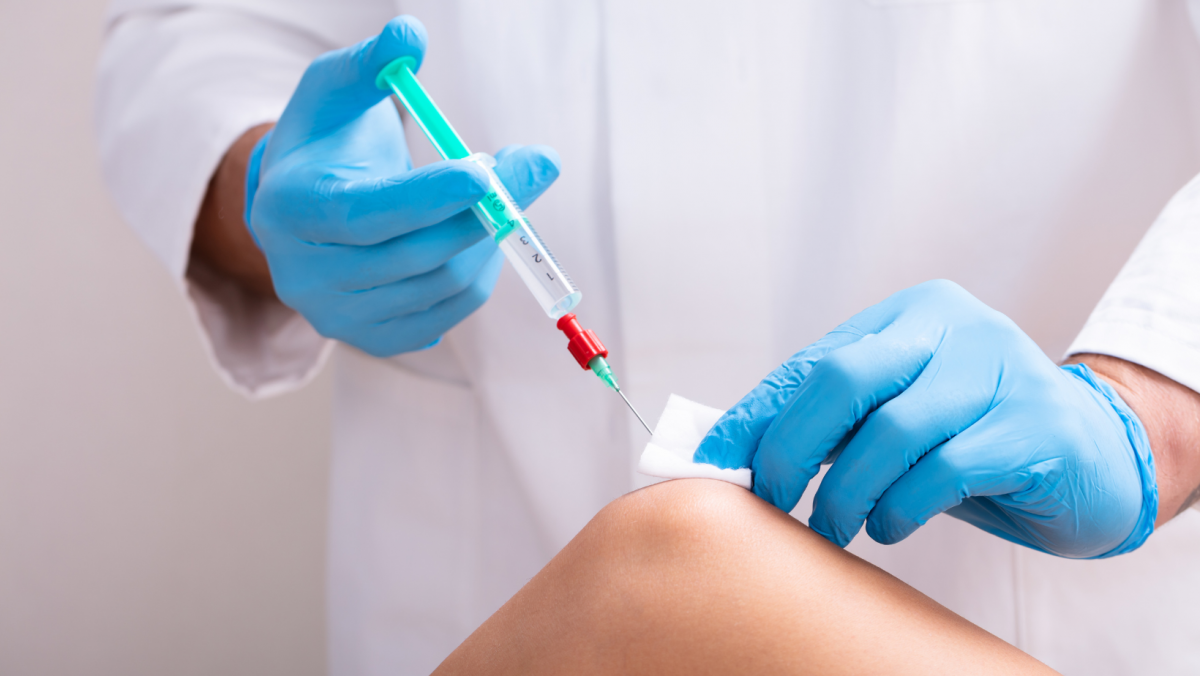
If there are germs on the needle that is used for corticosteroid injections, an infection can happen.

Though joint infections are rare, they do happen. And when they do, they can cause serious problems. Therefore it is critical that these knee injections and performed by experienced doctors that follow hygiene standards such as properly disinfecting the skin before the injection.

The risk of infection is slightly higher with corticosteroid injections than with hyaluronic acid, because of the effect that steroids can have on the immune response of the joint.

In fact, repeated steroid injections over a long period of time can weaken the joint cartilage as well, furthering this risk.

Other possible side effects of steroid knee injections include pain and swelling at the injection site. This is especially true in the days after treatment when the muscles and ligaments may be slightly weakened.

There is also the risk that, for those getting treated with multiple steroid injections, the skin at the injection sight can become permanently discolored.

Some of the other potential side effects of steroid knee injections are:

–  osteoporosis of nearby bone tissue

–  osteonecrosis, which is the death of bone tissue

–  a temporary flare of pain and inflammation in the joint

–  joint infection

–  nerve damage

–  thinning or lightening of the skin and soft tissue around the injection site

–  allergic reaction

–  elevated blood sugar levels in some people with diabetes


There is also evidence to suggest that cortisone injections come with not only the risk of infection post-injection but that when administered in the time period before knee surgery, these injections can lead to a much greater post-surgical infection risk.

Even when corticosteroids are effective, according to a research study published by an independent group of scientists from the Cochrane Collaboration, these injections might reduce osteoarthritis symptoms for several weeks in roughly 10 out of 100 people.


The Bottom Line: Though there was a time when corticosteroid injections were considered to be some sort of miracle cure for knee pain, in more recent years, research has shown that this isn’t entirely true.

In fact, several studies have found that corticosteroid knee injections provided no significant pain relief after two years. And, some studies have even shown that cortisone can make the situation worse by thinning out the meniscus, causing more bone on bone in the knee.

In our next article, we will take a look at the effectiveness of hyaluronic acid injections, as well as the potential side effects and risks.

Categories
Fibroids

Fibroid Symptom: Menorrhagia

What do heavy menstrual cycles, fatigue, dizziness, pelvic pressure and bloating, enlargement of the abdomen, constipation, increased urinary frequency, heavy bleeding (menorrhagia), pain during sex, and even infertility all have in common?

If you guessed “symptoms caused by uterine fibroids.”

You’re right!

Although fibroids are non-cancerous, due to the many painful, uncomfortable, and life-limiting side effects, many women choose to have them removed.

One of the most common and frustrating symptoms of uterine fibroids is heavy bleeding, also known as menorrhagia.

It is estimated that as many as 35 percent of women in their reproductive years experience menorrhagia, and fibroids can be a leading cause of this.

In fact, fibroids have been found in more than 10% of women with menorrhagia overall and in 40% of women with severe menorrhagia.

According to the National Library of Medicine (NLM), an estimated 26 million women between 15 and 50 have uterine fibroids. Of those, nearly 15 million women experience associated symptoms or linked health-related problems, such as heavy menstrual bleeding.

So what is considered to be heavy bleeding, and how do fibroids contribute to this?

Most gynecologists and physicians agree that heavy bleeding can be defined as:

–  Bleeding that lasts for longer than eight days.

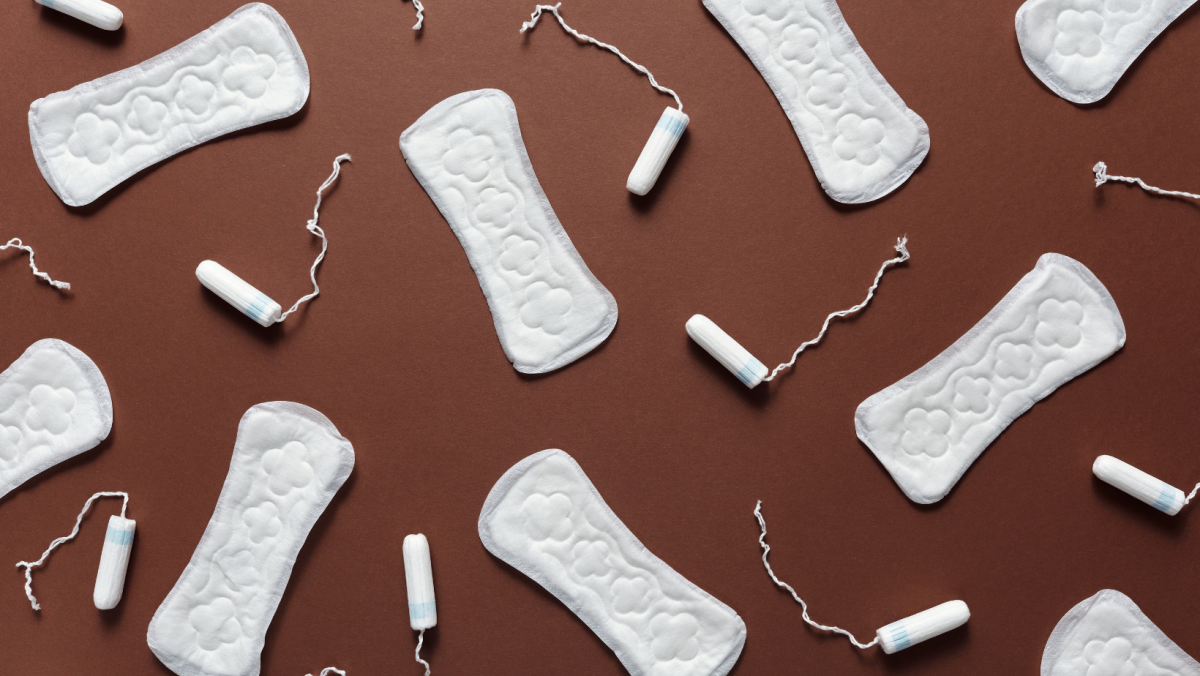
–  Bleeding that requires frequent sanitary pad or tampon changes, approximately every hour or more.

Why do fibroids cause heavy bleeding?

While there is no one reason that heavy bleeding occurs with fibroids, there are several factors that contribute to this symptom, including:

–  Added pressure on the uterus from the fibroids

–  Irregular contractions of the uterus

–  Blood vessel growth stimulation caused by fibroids increases the amount and frequency of bleeding and spotting between periods

–  Elevated hormone levels

Fortunately, there are several treatment options for women with fibroids, which can help reduce or resolve completely, the symptom of heavy bleeding.

The most common treatment methods for fibroid-related menorrhagia include medication and major surgery such as a hysterectomy or a myomectomy. As well as, a procedure that has been rapidly gaining in popularity for its effectiveness and shorter recovery time, which is called Uterine Fibroid Embolization.

Since 1995, Uterine Fibroid Embolization, which is a non-invasive procedure performed either solely or primarily through the uterine artery, has been helping women who suffer health issues related to uterine fibroids. Furthermore, as UFE continues to grow in popularity as a treatment method for uterine fibroids, a plethora of research continues to document its promising results.

The goal of this procedure is to relieve symptoms by blocking the artery that is supplying blood to the fibroids, which causes them to shrink and die.

So how effective is this procedure in relieving the symptoms of fibroid-related heavy bleeding?

It is very effective.

In fact, multiple studies show that fibroid embolization is at least 90% effective when it comes to reducing fibroid-related bleeding and pain.

Not only that, but time and time again, women are reporting that they are experiencing a significant change in their fibroid symptoms within days following the procedure.

This is incredible, especially considering that other treatment methods can take months to show signs of improvement.

One of the earliest studies of the effectiveness of UFE was published in The Journal of the American Association of Gynecologic Laparoscopists.

The study followed up with 305 women who were treated with the procedure, up to a year after treatment, and what they found was quite promising.

They found that the symptom of heavy bleeding was controlled in 86% of patients at 3 months and 92% at 12 months. And, they also found that the bulk of fibroid symptoms was controlled in 64% of patients at 3 months and 92% at 12 months.

Another study, which was published in the medical journal Radiology reported the results of following up with 80 consecutive patients treated with UFE for menorrhagia caused by fibroids.

Researchers followed up with this group of women for a minimum of 2 years and discovered that menorrhagia was controlled in over 90% of these women!

These are just a few of the studies regarding the impact that Uterine Fibroid Embolization can have on relieving the fibroid symptom of heavy bleeding. A simple google search will bring up study after study where the findings are similar to those stated above.

But wait…there’s more…much more.

In our next article, we will look at what the research says regarding the impact that Uterine Fibroid Embolization can have on some of the other common symptoms of uterine fibroids such as pelvic pressure and pain.


Categories
Enlarged Prostate

BPH Medications and Sexual Dysfunction: Something to Consider

Some treatment methods for an enlarged prostate can increase problems with sexual dysfunction, and in some cases, even cause them.

Though prescription drugs are often very good at improving the symptoms of Benign Prostate Hyperplasia- such as urinary issues, they can come with their own set of problems. Because of this, some men may resort to surgery, however, that too comes with its risks regarding sexual function.

Some surgical procedures for men with an enlarged prostate can increase the risk of inadvertently damaging structures around the penis which can lead to erectile dysfunction and other problems.

But before we get to that, let’s take a look at some of the common BPH medications and the effect they can have on sexual health.

We’ll start with the commonly prescribed 5-Alpha reductase inhibitors and the impact these medications that are used to shrink the prostate and reduce BPH symptoms can have on sexual health.

5-Alpha reductase inhibitors show promising results in their ability to shrink the prostate and reduce benign prostate hyperplasia symptoms.

These medications work by inhibiting the 5-alpha reductase enzyme from converting some of the body’s testosterone into dihydrotestosterone- which can cause further prostate growth. Unfortunately, one of the most common side effects of 5-alpha reductase inhibitors is sexual problems.

Several clinical trials have looked at the problem of side effects caused by the 5-alpha inhibitor finasteride, also known by the brand name Proscar.

These studies found that sexual adverse effects occur at the rates of 2.1% to 3.8%, erectile dysfunction (ED) being the most common, followed by ejaculatory dysfunction and loss of libido.

Another common 5-alpha reductase inhibitor, dutasteride (Avodart), has neem known to cause a multitude of adverse effects concerning sexual function. 3.4 to 15.8% of men treated with dutasteride experience erection problems, loss of libido, and reduced semen volume.

Most of these sexual issues caused by 5-alpha inhibitors are believed to be due to their effect on decreasing levels of dihydrotestosterone which is a natural sex hormone and is essential for normal sexual function.

Another type of medication that is commonly prescribed to treat the symptoms of an enlarged prostate is alpha-blockers.

Alpha-blockers, such as tamsulosin ( Flomax) doxazosin (Cardura), and terazosin (Hytrin) work by relaxing the bladder neck, and prostate muscles. Unfortunately, they can also cause erectile issues such as decreased ejaculation. Men who take these medications may also experience lower sperm count, decreased sperm volume, and lower sperm movement.

According to a 2008, Cochrane systematic review that looked at the sexual side effects of Flomax for BPH, 63% of users reported some form of side effect from the medication. The side effects of tamsulosin that were reported the most included erectile dysfunction, reduced libido, and something called retrograde ejaculation or a dry orgasm- where the semen exits into the bladder rather than out of the penis.

Combination medication therapies, such as dutasteride and tamsulosin ( brand name Jalyn), can also cause sexual problems.

Clinical trials found that the most common adverse reactions reported were impotence, decreased libido, breast disorders (including breast enlargement and tenderness), ejaculation disorders, and dizziness.

In fact, studies have found that ejaculation disorders occurred significantly more in subjects receiving coadministration therapy (11%) compared with those receiving dutasteride (2%) or tamsulosin (4%) as monotherapy.

The Bottom Line:  Issues with sexual dysfunction that are caused by certain BPH treatment medications should be taken into consideration.

These issues can be very upsetting and have a detrimental effect on a man’s private life and relationships. Therefore it’s important to discuss any risk of sexual problems that can come alongside your preferred treatment method for BPH.

There are many options out there for treating an enlarged prostate, so it’s important to be open and honest about your concerns and work with your doctor to find the best treatment option with the lowest risks of sexual side effects, such as Prostate Artery Embolization.

To learn more about this state-of-the-art procedure, please call and set up a consultation today.

Categories
Fibroids

It’s Time to Take Action

If you have decided it’s time to take action against the heavy bleeding, pelvic pressure, urinary issues, and sexual problems that are common symptoms of uterine fibroids- Congratulations!

And, if you’ve chosen to treat the fibroid condition through a non-invasive procedure, Uterine Fibroid Embolization- Double those congratulations!

As you’ve chosen a treatment procedure that has a success rate of over 90%, with the vast majority of women reporting not only an alleviation of symptoms but a significant improvement in their quality of life.

Gone are the days of heavy bleeding, pressure, pain, and missing out on activities due to these and other symptoms of fibroids.

The process of experiencing relief from fibroid symptoms post UFE takes time, but not nearly as much time as other procedures to remove uterine fibroids such as a hysterectomy or a myomectomy, which can have a recovery time of several weeks and even months. Whereas the minimally invasive procedure of Uterine Fibroid Embolization allows for a much faster healing process and must faster result.

It is not uncommon for women to experience almost immediate relief after the procedure. In fact, many women have reported that they noticed that their first menstrual cycle following the procedure didn’t include severe pain or heavy bleeding. While for others it may take a little more time for all of these symptoms to resolve themselves.

The time it takes for the elimination of uterine fibroids symptoms, really comes down to how quickly the body responds to the UFE treatment, as well as the size of the fibroid or multiple fibroids.

The procedure itself begins with the insertion of a tiny catheter into the groin or wrist. Then, with the help of moving X-ray technology (fluoroscopy), the radiologist will then guide the catheter through the blood vessels until it reaches the artery that supplies blood to the fibroids.

Once the catheter reaches the artery that supplies blood to the fibroids, tiny gelatin beads are released through it, which travel into the artery, creating a blockage. This blockage cuts off the blood supply to the fibroids. And, without the fibroids being able to receive vital nutrients through the blood, they cannot survive and they begin to shrink.

So how long does it take for the fibroids to shrink?

Amazingly, uterine fibroids can begin to shrink immediately following the Uterine Fibroid Embolization procedure and will continue to shrink throughout the next year.

The majority of fibroid shrinkage usually takes place in the first six months following the procedure. However, it can take up to a year for the fibroids to shrink to their fullest capacity, with most women experiencing significant relief from their symptoms during this time.

Usually, patients will return to their radiologist for a follow-up appointment around two months after the procedure to access the amount of shrinkage of the fibroids.

You may be wondering:  How can you tell if the procedure was effective and the fibroids are shrinking?

Good question.

Though many women note improvement in their bleeding symptoms immediately following the procedure, it can take up to 3 months for fibroids to shrink enough for women to notice major symptom improvements.

Therefore, one of the best ways to track the progress of the fibroids shrinking is by paying attention to your symptoms both before and after Uterine Fibroid Embolization.

In fact, it can be very helpful to keep a journal or a list of symptoms and rank the severity of these symptoms with 1 being barely noticeable and 10 being the most severe.

Then following the procedure, continue to keep track of the changes happening.

Some of the symptoms you may be keeping track of could be:

• Unusually heavy period
• Long than normal periods
• Bleeding in between periods
• Pressure and pain in the pelvis
• Frequent urination
• Lower back pain
• Pain during intercourse

By keeping track of the severity of these symptoms before and after UFE you may be surprised by how quickly these changes are happening, as you watch your symptoms continue to improve over the next six to twelve weeks.

To learn more about Uterine Fibroid Embolization and to find out if this procedure could help you, please give us a call today at MidAtlantic Vascular and Interventional, and set up your initial consolation.

In our next article, we will take a look at what the research says regarding the effectiveness of Uterine Fibroids Embolization in shrinking fibroids and eliminating symptoms.


Categories
Knee Osteoarthritis

Hyaluronic Acid Injection for Osteoarthritis

Another type of knee injection that is used to temporarily reduce knee pain, is a Hyaluronic Acid Injection, also known as viscosupplementation.

Hyaluronic acid is a gel-like substance that occurs naturally in the body as part of the synovial lining that coats the joints. Hyaluronic acid is also present in other areas of the body such as the skin and eyes, where it helps retain moisture and keep these areas lubricated.

When it comes to relieving osteoarthritis knee pain, hyaluronic acid can be injected into the knee to help provide cushioning and lubrication.

The injection of this lubricating fluid into the knee joint can sometimes result in temporary lubrication that may help to decrease knee pain and inflammation, as well as improve knee function.

However, unfortunately, just like with corticosteroid knee injections, the relief experienced as a result of hyaluronic acid injections is temporary.

That being said, though hyaluronic injections are temporary solutions, and will not cure knee conditions, they can be effective at relieving knee pain, in some cases, for up to six months.

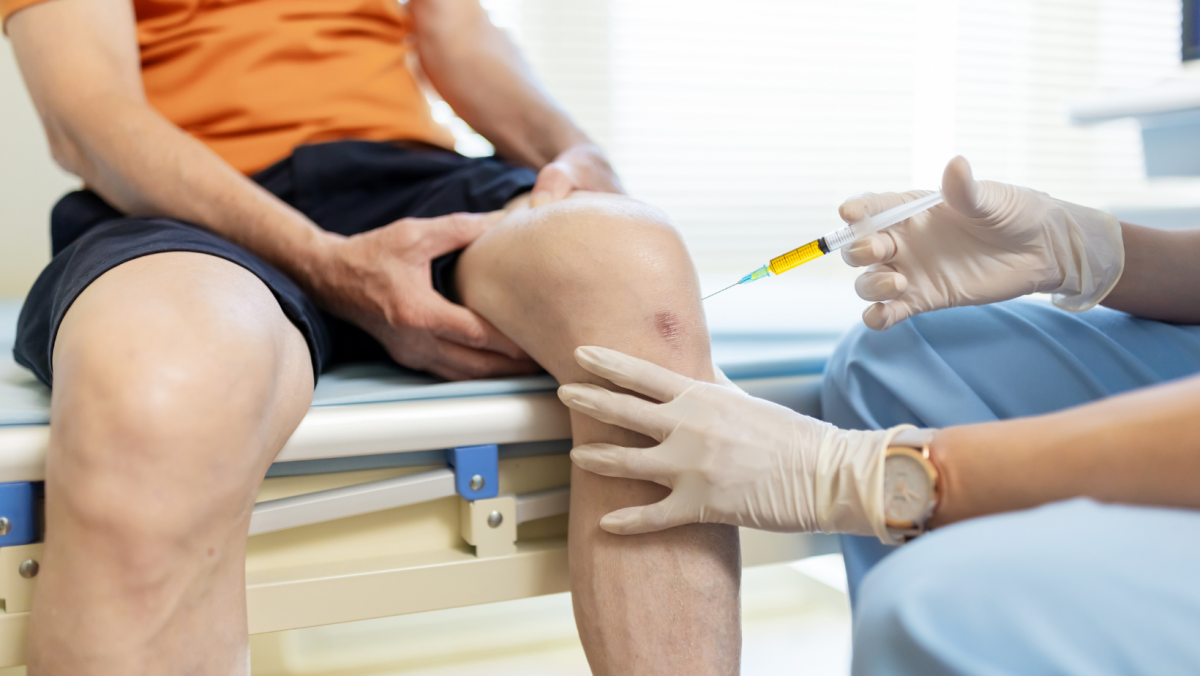
The process of getting a hyaluronic knee injection is done through what is known as an intra-articular injection. This injection is usually administered by a nurse or trained healthcare professional, who should first check to make sure that this type of injection is suitable for you.

Typically hyaluronic knee injections are between one and five injections, usually a week apart depending on the brand of hyaluronic acid your healthcare professional uses.

The recovery period, post-injection typically involves avoiding jogging, high-impact sports, or being overly active for at least a few days following the injections. It is also recommended to avoid carrying heavy items or standing for long periods post injections.

For some, hyaluronic injections can provide immediate relief. While for others, it can take several weeks for the inflammation and pain to subside.

In fact, several clinical studies have investigated the effectiveness of hyaluronic acid injections in treating knee osteoarthritis. And one of their findings was that the average time it takes to experience pain relief is around 4 weeks post-injection.

Studies have also found that the duration of relief periods can vary from 2 months to up to 6 months. With the most effective period, on average, being between weeks 5 and 13.

It’s important to note that not all studies conducted to test the effectiveness of hyaluronic acid injections in treating knee osteoarthritis have reported positive results. For this reason, some doctors may not recommend this treatment. Research also shows that these injections may not work in overweight people due to the narrowing of joint space in the knee.

More recently, other types of injections are emerging, though they are still in the experimental stage, and are not FDA-approved at this time. These include using platelet-rich plasma or stem cells to help relieve pain and potentially encourage the healing of damaged soft tissues. Some people have found that these injections can provide long-term relief and help them to remain active, but they may not be suitable for all.

The bottom line when it comes to hyaluronic knee injections is that they do not treat osteoarthritis or the knees themselves. However, they can provide temporary relief.

This temporary relief can be best put to use by using it as a time to begin physical therapy and exercises to help strengthen the muscles that support the knee. It’s also a potential treatment to help relieve the pain in the weeks leading up to surgery or genicular artery embolization, which will provide long-term pain relief.

In our next article, we will take a look at some of the side effects and risks associated with corticosteroid and hyaluronic acid injections. As well as dive deeper into what the research says about these temporary solutions to osteoarthritis knee pain.

Categories
Enlarged Prostate

Urinary Symptoms and Sexual Dysfunction

The periodical Mayo Clinic Proceedings published the results of a study that looked at the link between common BPH urinary symptoms and sexual dysfunction.

Researchers studied 2,115 men between the ages of 40 and 79, by having them complete a questionnaire about their sexual function and urinary tract symptoms every two years.

What they found was that sexual function and urinary tract symptoms were indeed related. To put it simply: The greater the urinary symptoms, the lesser the sexual function.

The study also found that the urinary tract symptoms caused by an enlarged prostate that were most associated with sexual dysfunction were:

–  A feeling of urgency

–  Needing to get up multiple times at night to urinate

–  A weak urine stream

–  Straining to start urinating

These urinary symptoms were all associated with:

–  Difficulty getting or maintaining an erection

–  The way men felt about problems with sexual drive, erection, and ejaculation

–  Sexual satisfaction problems

So the solution is to treat the urinary issues caused by BPH, and then as a result, sexual function will improve?

Well, it’s not that simple.

Though there are many ways to treat the urinary symptoms caused by an enlarged prostate, some of these treatment methods can actually make things worse, or even cause sexual dysfunction.

In fact, some drugs that are commonly used to treat benign prostate hyperplasia, can actually cause erectile dysfunction and reduce sperm count.

Though prescription drugs are often very good at improving the symptoms of BPH, they do not tackle the real problem, and they can cause their own set of problems, such as ED.

In order to avoid such issues, some men may resort to surgery. However, it’s important to keep in mind that this too can come with the risk of sexual problems.

Many of these surgical procedures for men with an enlarged prostate, can increase the risk of inadvertently damaging structures around the penis which can lead to erectile dysfunction and other problems.

In our next article, we’re going to dive deeper into the connection between BPH treatment methods and sexual dysfunction.

In the meantime, if you’d like to learn more about Prostate Artery Embolization, an outpatient procedure with proven results without the risk of sexual issues, please call us and schedule a consultation today!


Categories
Fibroids

UFE: An Alternative to Surgery

Uterine Fibroid Embolization is a very effective, minimally-invasive procedure to remove uterine fibroids. It can also be an alternative to a major surgery such as a hysterectomy or a myomectomy, and has a much shorter recovery time. 

Unlike major surgery to remove fibroids which can require a few nights in the hospital and several weeks or even months to fully recover- UFE is an outpatient procedure, with a much shorter recovery time.

During UFE, a tiny catheter is inserted through a blood vessel in the leg or wrist, which is then guided to the blood vessels that feed the fibroids. Once it reaches that point, small particles are injected into the vessel to block the artery and cut off the blood flow to the fibroids.  Then, following the procedure, the patient will return to their home, where over the next few weeks and months, the fibroids will gradually shrink.

One of the many benefits of Uterine Fibroid Embolization is that it targets all fibroids in the uterus. This makes it an excellent treatment option for individuals with only a few fibroids as well as those who have many fibroids, regardless of fibroid size.

In fact, uterine fibroid embolization is so effective that most individuals who undergo the procedure have a dramatic improvement in their symptoms that is experienced when they return to their normal activities a mere 8 to 10 days after the treatment.

So what does it feel like? Does it hurt?

Good question, and we’ll do our best to answer that.

The UFE procedure itself is not painful, however light sedation medications will be administered through an IV in order to prevent any discomfort.  Some women report experiencing a feeling in their pelvis similar to menstrual cramping or heaviness. This is completely normal and is due to the decreased blood supply to the uterus.

Following the procedure, it is also normal to experience low energy, intermittent nausea, and possibly fever- as a result of the dying fibroid tissue.

These symptoms typically last a few days at most, and gradually decrease in severity. Most women report that by the fourth or fifth day following the procedure, they feel back to normal, while some might have a few more days of cramping. Fortunately, most of this discomfort can be easily ameliorated with the help of over-the-counter pain medication.

Since UFE is an outpatient procedure, it’s important to have an area in your home where you can relax and heal after.

You may wish to set up your bed with extra pillows, and your favorite blanket, and if there’s a tv in your relaxation location, having the remote control nearby can be helpful as well.

While resting at home, some cramping can be expected in the lower abdominal region for about 24 hours but will subside quickly. However, most physicians do recommend that patients plan to stay home or at least limit their activities for at least one week following uterine fibroid embolization.

Other restrictions that your doctor may ask you to follow are:

– No bathing for 2 weeks. Shower as normal.

– No tampons for at least one full cycle.

– Abstain from sex for 2 weeks.

– No heavy lifting until your strength fully returns.

– Flights and travel are not recommended for at least 2 weeks.

– Refrain from taking aspirin for at least the first week.

Though recovery times may vary, most patients can return to all normal activities after 2 weeks. Even better, they can expect to experience significant improvements in their pre-op fibroid symptoms, over the course of one to three months. This means no more heavy periods, pelvic pain and pressure, urinary incontinence, or pain during sexual intercourse.

In our next article, we will take a look at the results of the embolization, and the experience and time it usually takes for the fibroids to shrink.

In the meantime, if you are considering Uterine Fibroid Embolization treatment for uterine fibroids, or have any questions about the UFE procedure, please call us at 301-622-5360 and request an appointment at MidAtlantic Vascular and Interventional today!

Categories
Knee Osteoarthritis

Knee Injections: Do They Work?

Knee osteoarthritis is painful and can cause a decrease in mobility that puts limits on what you can do. Therefore many people turn to knee injections to help relieve this pain.

So what are knee injections? And do they work?

When physical therapy and pain medication taken by mouth fail to relieve the aching pain caused by osteoarthritis of the knee, sometimes doctors will recommend an injection of medicine directly into the arthritic joint. These injections of medicine can reduce inflammation and relieve pain.

The most common type of knee injections are corticosteroid injections and hyaluronic acid injections. Let’s take a look at what these medicines are and how they work, starting with corticosteroid injections.

Corticosteroids are synthetic drugs that closely resemble cortisol- which is a hormone that is naturally produced by the adrenal glands and regulated by the pituitary gland inside the brain.

Cortisol is essential for life, as it helps to maintain blood pressure, immune function, and the body’s anti-inflammatory processes.

Cortisol can also:

–  help the body manage stress

–  convert protein into glucose to boost flagging blood sugar levels

–  work in tandem with the hormone insulin to maintain constant

–  blood sugar levels

–  reduce inflammation

–  contribute to the maintenance of constant blood pressure

–  contribute to the workings of the immune system.

Corticosteroid is a synthetic cortisol that is also used to help relieve knee pain by treating inflammation that is responsible for swelling and pain. Once injected into the knee, corticosteroids work quickly to temporarily relieve knee osteoarthritis pain.

The temporary pain relief from a corticosteroid injection can be helpful if a person with knee pain needs to engage in physical therapy, attend to an important life event, or postpone knee replacement surgery or genicular artery embolization to a later, more convenient time.

That being said, the key word here is temporary.

Though these injections can be helpful, they do not treat the knee condition itself, but rather provide short-term, temporary relief. Relief, that over time, will wear off completely.

It’s also important to note that just like any medication-related treatment, corticosteroid injections do not work for everyone. And, even when they are effective, the results may vary.

Some studies show that on average, just 40% of patients feel better after receiving cortisone shots for knee osteoarthritis.

In one study, one month after undergoing treatment, people who received cortisone injections were asked to report and rank their improvements on a 10-point scale, with 1 being the least improvement and 10 being the most improvement.

The average score that the participants ranked their improvement in symptoms was a 5 out of 10.

So yes, the injection helped, but only slightly.

The Bottom Line: Corticosteroid injections can be helpful for short-term knee pain relief leading up to a long-term solution treatment such as surgery or genicular artery embolization. However, these injections are not without their own set of side effects and risks.

In our next article, we will take a look at the use and efficacy of hyaluronic acid injections. As well as dive deeper into what the research says about these temporary solutions to osteoarthritis knee pain.

Categories
Enlarged Prostate

Treating BPH with Prostate Artery Embolization

From minimally invasive to more extensive surgeries, there are several procedures that can treat benign prostate hyperplasia.

In recent years many men suffering from the uncomfortable and disruptive symptoms of an enlarged prostate, have been finding relief through a non-invasive procedure called Prostate Artery Embolization.

Prostate Artery Embolization is a procedure performed here at MidAtlantic Vascular and Interventional by our Interventional Radiologist.

The procedure begins with a small incision in the wrist or groin, followed by the insertion of a tiny catheter.

Using advanced X-Ray technology, the doctor will then guide the catheter through the blood vessels until it reaches the arteries that are feeding blood to the prostate gland.

Once the catheter has reached the proper location, it releases tiny microscopic beads. These beads then travel to the prostatic arteries, where they create a blockage, which blocks the blood flow that is causing the prostate gland’s enlargement.

Maybe this sounds a little like science fiction, or even too good to be true- but rest assured, it’s not.

Though Prostate Artery Embolization is a relatively new outpatient procedure, it’s nothing to be afraid of.

In fact, PAE has one of the highest rates of success. Not only do over 90% of men treated with PAE experience relief from their symptoms in the first year, but relief can continue on for years after that.

This means relief from BPH symptoms like:

  • Dribbling when you finish
  • A hard time getting started
  • A weak stream or you pee in stops and starts
  • Feeling like you still have to pee even after you just went
  • Having to go too often — eight or more times a day
  • Incontinence (when you don’t have control over when you pee)
  • An urgent need to pee, all of a sudden
  • You wake up several times a night to pee
  • Urinary tract infections, bleeding, bladder damage, and bladder stones

It is estimated that about 8 out of 10 men will eventually experience some or all of the above symptoms caused by an enlarged prostate.

Unfortunately, it is also estimated that only around 30% will actually seek medical treatment for BPH. This is highly problematic, especially for men over 40 because although BPH is quite common and usually not life-threatening, if left untreated it can get worse.

Untreated BPH can cause a slew of health problems such as frequent urinary tract infections, bleeding, bladder stones, and potential bladder and/or kidney damage.

The good news is, you can avoid experiencing these more severe issues that can come from untreated BPH by making an appointment with your doctor, or calling us here at MidAtlantic Vascular and Interventional.

Together, we can determine the right course of action, which could be taking medicine, PAE, making lifestyle changes, or a combination of these.

Treatment is available, so please call us and set up a consultation today.