
Categories
Fibroids

Fibroids and Vitamin D

Summer is almost here, which means it’s almost time to go to the beach, swim, head out on vacation, and… get some much-needed sunshine. Though too much sun exposure, especially without sunscreen, can increase the risk of skin cancer- a moderate amount, can actually decrease the risk of many health issues. Why is this? Because the sun is a natural and effective way for the body to manufacture a powerful nutrient- vitamin D. Even better, one of the many benefits of this vitamin, is that it may actually help stop or at least decrease the growth of uterine fibroids.

According to researchers at The National Institute of Health, specializing in Reproductive Sciences, vitamin D does appear to inhibit the growth of fibroid cells in lab cultures. Using rats with existing tumors, the researchers gave half of them vitamin D injections for three weeks, while the other half were given none. What they found was that the fibroids in the untreated rats grew, and the fibroids in the rats given vitamin D, shrunk by 75 percent. Rather promising results, indeed.

The results of another research study, published in Fertility and Sterility, looked at the results from three different studies. After analyzing and compiling all of the data, they were able to conclude that all three studies showed a relationship between low levels of vitamin D and uterine fibroids. Based on these studies, and other studies like them, it has been suggested that 85% of women diagnosed with fibroids had a greater deficiency of vitamin D, as compared to women without fibroids.

Does this mean that if a woman doesn’t get enough Vitamin D, she will get fibroids? Not necessarily.

Every female body is different, and being deficient in Vitamin D is only one of several risk factors associated with fibroids. Others are diet and lifestyle, age, and possibly genetics. However, there is evidence to suggest that making an effort to get enough of this key nutrient, which is generated by sunlight and can also be found in fatty fish such as tuna and salmon, as well as fortified milk- can be helpful.

While studies continue to suggest that there is a strong relationship between the deficiency of vitamin D and fibroid growth, more clinical trials are needed before it can be administered as a first-line form of prevention and treatment. That being said, seeing as there is some sort of correlation between the two, it is in the best interest of all women, to make sure to be getting enough of this crucial vitamin.

The bottom line, there is evidence to suggest that low vitamin D levels are associated with the presence and further development of uterine fibroids, however, many other factors contribute to it as well. That being said, getting enough vitamin d can help our bodies to function better, and have a positive impact on overall health and wellness. In order to get enough vitamin D from the sun, research suggests that it’s best to expose uncovered skin to sunlight for 10 to 15 minutes. This amount of time is sufficient enough to create the body’s daily requirement for vitamin D. However, if you are uncomfortable with this, or have skin conditions that inhibit the amount of sun exposure you can have, another option is to talk to your doctor about adding a vitamin D supplement to your healthcare regime.

Categories
Fibroids

Fibroids and Alcohol Use

It probably isn’t a surprise to learn that in the United States, alcohol use is the third preventable cause of death. In fact, the list of negative effects associated with consuming excessive amounts of alcoholic beverages is long and seems to be getting longer. Overconsumption of alcohol has been associated with addiction, high blood pressure, liver disease, heart disease, various forms of cancer, stroke, hepatitis, and more. But what effect, does it have specifically, on women with uterine fibroids?

In 2020, a study published in Current Molecular Medicine found that alcohol consumption can alter hormones levels in the female body. This study and others like it found that this alteration in the hormone levels caused by drinking alcoholic beverages increases the risk of uterine fibroids. The most likely reason being that it specifically raises the level of estrone and estradiol.

Though the exact cause of fibroids is unknown, there is evidence to suggest that when higher levels of estrogen are introduced to the reproductive system, a woman is more likely to develop fibroids. Furthermore, for those of us already living with uterine fibroids, the effect of alcohol is not good. Alcohol consumption can lead to increased inflammation and dehydration, both of which may result in increased fibroid pain. This can also result in bloating, constipation, and anemia in women with fibroids. The bottom line, limiting the amount of alcohol consumed is beneficial for all of us. Alcohol use is the third most preventable cause of death in the United States and a leading cause of many health issues from cancer to heart disease. And, when it comes to women with fibroids or a family history of fibroids, they may wish to avoid it altogether. Though more studies need to be done to conclude that alcohol has a definite impact on the development of fibroids, one thing can be said for sure- For women living with uterine fibroids, drinking alcohol will not make anything better. Not only can it increase the severity of fibroid symptoms, but it can also increase the duration of them.

Categories
Fibroids

Depression, Anxiety, and Fibroids

Many of us are well aware that the presence of uterine fibroids can affect our physical health. They can cause heavy bleeding between and during menstruation, as well as painful or prolonged periods, a swollen abdomen, difficulty getting pregnant, frequent urination, and constipation. However, what many of us are not aware of, is how having fibroids can affect our mental health.

According to a study published earlier this year in the Journal of Epidemiology and Community Health, women with uterine fibroids experience higher rates of depression, anxiety, and self-directed violence, especially those experiencing pain or who have had a hysterectomy. The study compared 313,754 women aged 18-50 that had been diagnosed with uterine fibroids with 627,539 who did not have fibroids. Women with a prior diagnosis of depression, anxiety, self-violence, or who had been prescribed anti-anxiety or anti-depressant medication were excluded from the study. After compiling and analyzing all of the data, researchers found that there is indeed a correlation that shows having uterine fibroids can adversely affect mental health.

So why is this?

In an interview published in The Gleaner, Justine East, a clinical psychologist, helped explain the connection. Based on her experience, she has found that “Depressive symptoms such as a low mood, feelings of hopelessness, crying, decreased or increased appetite, and loss of interest in previously pleasurable activities are likely to develop in women with fibroids.” She goes on to add that women suffering from the condition are more likely to experience “anxiety symptoms such as restlessness, irritability, and sleep disturbance because of fear for fibroids and their consequences, such as miscarriages or having to do surgery”.

Just like with any mental illness, the mental health issues that fibroids can create in a woman’s life, often impact their spouses, families, and friends as well. Seeing a loved one struggling and in distress, can be difficult for everyone involved. This is why psychologist’s like East, highly recommended seeking therapy, or finding some kind of therapeutic tool such as journaling, that can help with the emotions that can arise around having fibroids. East suggests that writing and/or talking to someone about the fears, discomfort, and pain that can be a part of having fibroids can help lessen the emotional burden. This, combined with speaking openly and honestly with your doctor about all of the available treatment options, can help women to gain control of their fibroids rather than having their fibroids feel as though they are controlling them.

If you or someone you love has been diagnosed with uterine fibroids and is experiencing symptoms of depression, anxiety, and other mental health issues, help is available. Not only can a therapist help with processing the emotions linked to having fibroids, but there are numerous online support groups as well. In fact, help can be found right at your fingertips, by joining a private Uterine Fibroid Support & Resource Group on Facebook.

Fibroids shouldn’t have power over women by adversely affecting their physical health and their mental health. Especially when effective non-invasive treatment is available. In fact, again and again, evidence has shown that after undergoing treatment for fibroids, many women’s emotional health, sexual functioning, body image, and overall quality of life improve. With the help of either a therapist, friend, or support group, and working with your doctor to find the best available treatment option, women can own their power over fibroids and the impact they can have on their mental and physical health.

Categories
Fibroids

Menstrual Cramps or Fibroids?

Chances are, if you are a menstruating woman, at some point or another, you have experienced the discomfort of having menstrual cramps. In fact, it is estimated that more than 80% of menstruating women experience them.

Menstrual cramps are caused by the presence of a hormone-like substance called prostaglandins, which trigger the uterine muscles to contract as it sheds its lining. These contractions often cause inflammation and throbbing, cramping pain in the abdomen. Though the majority of menstrual cramps are treatable with over-the-counter pain relievers and anti-inflammatories like ibuprofen, sometimes the pain can be caused by an underlying issue, such as uterine fibroids. Many women commonly mistake these cramps as being severe menstrual cramps, when they are not. Fibroids are extremely common, in fact, evidence has shown that by the age of 50, at least 70-80% of women will have experienced fibroids.

So how can you tell if you’re having normal cramps or cramps from fibroids?

For starters, cramps caused by fibroids differ from normal cramps in that they are more painful, they can appear at other times during the month, and, if left untreated, they become worse over time. A few indicators that you may be experiencing the symptoms of fibroids during your cycle are:

  • Heavy and prolonged menstruation between or during your periods
  • Anemia, which can lead to fatigue
  • Pain during intercourse
  • Increased menstrual cramping
  • Stomach swelling
  • Frequent urination
  • Constipation and/or bloating
  • Pain in your pelvis or lower back

If you are experiencing any of these symptoms, do not panic. There is treatment available.

The first thing you need to do is speak to your doctor. The doctor will most likely order an ultrasound to confirm the presence of fibroids. Then, if fibroids are found, the next step in treatment may be a non-invasive procedure to remove them, such as Uterine fibroid embolization (UFE)- a procedure that is carried out by an expert radiologist.

No woman should suffer from excessive cramping and pain around their period. If over-the-counter medications aren’t helping, chances are there is something else going on. Call your doctor if you have any reason for concern, and know that by working with the skilled professionals at your ob-gyn, and the experts at conducting UFE procedures here at MidAtlantic Fibroid Care, we can have you feeling better in no time.


Categories
Fibroids

Hysterectomy, Far From The Only Treatment

Even in these modern times, in the United States, it is estimated that one in three women undergoes a hysterectomy by the age of 60. And sadly, research has shown that many of these procedures may have been completely unnecessary.

In fact, a study published in the American Journal of Obstetrics and Gynecology found that of the women who had hysterectomies, nearly 20% did not need to have one.

Medicine has come a long way, especially in the treatment of women’s health, and one area of great advancement is the treatment and removal of uterine fibroids, using a minimally invasive process known as uterine fibroid embolization (UFE).

UFE is the only non-surgical procedure to date, that can be done to remove fibroids without requiring an incision. During a UFE procedure, an interventional radiologist will thread a tiny 2mm catheter through the groin or wrist. The radiologist will then move the catheter toward the artery that supplies blood to the fibroids. The catheter then releases tiny plastic particles through the catheter into those arteries, which will block the blood supply, causing the fibroids to shrink until they are altogether eliminated.

Uterine Fibroid Embolization is a very effective treatment and can be performed by our expert radiologist here at MidAtlantic Fibroid Care. It is an outpatient procedure, it does not require general anesthesia, and many patients find they can resume their normal activities in about a week after treatment. For women seeking UFE for fibroids that cause painful and heavy periods, about 85-90% achieve relief from their symptoms, without the need for surgery.

UFE is so effective, that less than 2% of patients will require repeated treatment.

So before you move forward with a more invasive treatment or surgery, make sure to explore all of your options. Long gone are the days of a hysterectomy being the first line of treatment. Today, fibroids are common, and treatable in much less drastic ways.

To see if UFE is a good treatment option for you, schedule an appointment with us today, and let us help you live a happier, healthier, life.

Get a Consultation

Phone: 301-622-5360

Categories
Fibroids

Genetic Component of Uterine Fibroids

For many women diagnosed with fibroids- especially those that struggle with large or painful fibroids, the cause of these growths is often one of the first questions that come to mind. In some cases, women will report that their mother also had fibroids, and wonder if there is a genetic component.

So is there? Are fibroids hereditary?

According to a study published in The American Journal of Human Genetics, the answer is yes. In the study, researchers analyzed the genetic data collected from over 7,000 women and detected genetic variants that are significantly associated with uterine fibroids. One of the genes they found encodes a protein called Fatty Acid Synthase, or FAS. Upon further analysis, researchers discovered that this FAS protein was three times higher in uterine fibroid samples when compared to normal uterine tissue. They found that an over-expression of the FAS protein can also be found in other types of tumors, and is believed to be an important protein for tumor cell survival.

So what does that all mean? If my mother has higher FAS levels, does that mean you will too? Maybe, but not necessarily.

The genetic component may mean that you are more susceptible to developing fibroids. In fact, if your mother had fibroids, evidence has shown that you are three times more likely to develop fibroids, than someone that doesn’t have them in their family.

Though the research on the genetic connection is sound, it doesn’t necessarily mean that mothers with fibroids always have daughters with fibroids. That is not the case. One reason is that hormone levels are just as relevant to fibroid development as genetics.

Researchers are continuing to study the causes of fibroid tumors, however, even with the discovery of a potential genetic component, little scientific evidence is available on how to prevent them. What we do know is that by making healthy lifestyle choices, such as maintaining a healthy weight and following a healthy diet- you may be able to decrease your fibroid risk, and lessen the severity of fibroid growth.

If you’d like to take a deeper look at the study referenced in this article, you can check it out at: https://www.cell.com/ajhg/fulltext/S0002-9297(12)00421-1

Categories
Fibroids

Fibroids: Myth vs. Fact

Receiving a diagnosis of fibroids can be a little unnerving, especially with the misinformation that is out there. So let’s take a look at some of the misinformation about uterine fibroids, and get to the truth by looking at the facts.

Myth #1: Uterine Fibroids are cancerous growths.

FACT: Often after getting diagnosed with uterine fibroids, the first question patients ask is “Are the fibroids cancerous?” Fortunately for all, the answer is no. Fibroids are benign growths and are not linked to uterine cancer.

MYTH #2: If the symptoms of having fibroids aren’t that bad, it’s best to just keep an eye on things, and wait it out.

FACT: Fibroids can be very unpredictable, and in some cases, holding off on treatment can lead to serious consequences. Fibroids can grow quickly, and the heavy blood loss they cause each month is not only uncomfortable, but it can create a high risk of becoming anemic.

MYTH #3: Once fibroids are removed, they’re gone forever.

FACT: It is possible that new fibroids will develop, which is why it is important to follow up with your physician on a regular basis. If the fibroids are recurring, you may need to try a different kind of treatment, which your doctor will discuss with you.

MYTH #4: If you have fibroids, you can’t get pregnant or stay pregnant.

FACT: Not all fibroids affect your fertility, and there isn’t a strong link between infertility and fibroids. In fact, many women with fibroids have healthy pregnancies. That being said, if fibroids are causing fertility issues, treating them can definitely be helpful.

MYTH #5: Hysterectomy is the only treatment option for uterine fibroids.

FACT: Absolutely not. Thanks to medical advances, there are several minimally invasive alternatives to a hysterectomy. In the past, a hysterectomy was often the only option for women with uterine fibroids, but today that is absolutely not the case.

If you have any questions about uterine fibroids or their treatment of them, please call us today at MidAtlantic Fibroid Care, at 301-622-5360.

Categories
Fibroids

Diagnosed with fibroids?

It is estimated that around 26 million women in the United States between the ages of 15 and 50 have uterine fibroids. And of these 26 million, roughly half will experience associated symptoms and health concerns. Fortunately for all, fibroids are treatable.

So what exactly is a fibroid?

Uterine fibroids are noncancerous growths of the uterus that often appear during a woman’s childbearing years. These growths are made of smooth muscle cells and fibrous connective tissue. Sometimes fibroids are solitary, but it is also common to have multiple ones.

Uterine fibroids range in size. Some are so tiny that they are undetectable by the human eye alone. While others can be large enough to distort and enlarge the uterus.

How can I tell if I have a fibroid?

When a woman has a fibroid, it is most often discovered during a routine pelvic exam or imaging procedures performed for other reasons. If the fibroid or fibroids do not cause any symptoms, pain, or discomfort, and are not affecting fertility- then they usually do not require treatment. However, when symptoms are present, these can be managed with medications, surgery, and by using minimally invasive techniques.

Some of the symptoms associated with fibroids are: • Unusually heavy period • Long than normal periods • Bleeding in between periods • Pressure and pain in the pelvis • Frequent urination • Lower back pain • Pain during intercourse • Difficulty conceiving

Though some women may need to have the fibroids surgically removed, more often than not, they can be eliminated using a technique known as Uterine Fibroid Embolization. This non-invasive process treats the fibroids by inserting a small catheter into the wrist, then by using x-ray technology, the catheter is guided into the blood vessels supplying the fibroids. Small gelatin beads are then released into the blood vessels, creating a blockage.

A blockage? Isn’t that dangerous?

No, in this case, it is not. Unlike a blockage to the heart or other vital organs, this particular blockage is only cutting off the blood supply to the fibroid. The results are remarkable, for, without the fibroids being able to receive vital nutrients through the blood, they can not survive.

Does this sound too good to be true?

It’s not. In fact, according to the New England Journal of Medicine, the success rate of uterine fibroid embolization is up to 95%.

The bottom line is, if you are diagnosed with having fibroids, it’s ok, and you are going to be just fine. You are not alone, and treatment is readily available. No one deserves to live with the physical discomfort associated with fibroids, so please do not hesitate to take action, and set up your appointment today.

For more information about fibroid diagnosis and treatment, or to schedule an appointment, please do not hesitate to call us at MidAtlantic Fibroid Care, at 301-622-5360.

Categories
Enlarged Prostate

Male Infertility and Prostate Conditions: A Connection?

These days, much is written and talked about when it comes to female infertility issues, but what about male infertility issues? And what role, if any, can prostate issues play in this?

Turns out, quite a lot.

The prostate is an essential part of the male reproductive system, and when it is not functioning properly or is enlarged, it can cause issues with fertility. It is estimated that 1 out of 7 couples is infertile- meaning they haven’t been able to conceive a child even though they’ve had frequent, unprotected sexual intercourse for a year or longer. Oftentimes the issue is assumed to be a problem within the female body, however, research has shown that in up to half of these couples, male infertility is playing a role.

Though prostatitis is the most common prostate problem for younger men, which can cause fertility issues- An enlarged prostate, which is most frequently a concern for men over 50 can cause issues as well.

As men enter their 40s and 50s, the prostate, which is a small gland that is usually around the size of a walnut, continues to grow. Though this is normal, at some point, if the prostate becomes too large, it can cause a slew of problems. Common issues are discomfort, urinary problems, and erection issues. Furthermore, in cases where the enlarged prostate obstructs the flow of semen or alters the direction of its flow, fertility issues can arise.

That being said, male fertility issues can be caused by a slew of other factors, and an enlarged prostate is just one of them. Some of these are:

  • Problems with sexual function —difficulty with ejaculation or small volumes of fluid ejaculated reduced sexual desire, or difficulty maintaining an erection. ( all of which an enlarged prostate can be linked to).
  • Pain, swelling, or a lump in the testicle area
  • Recurrent respiratory infections
  • Inability to smell
  • Abnormal breast growth (gynecomastia)
  • Decreased facial or body hair or other signs of a chromosomal or hormonal abnormality
  • A lower than normal sperm count (fewer than 15 million sperm per milliliter of semen or a total sperm count of less than 39 million per ejaculate)


So what if the issue truly is a side effect of having an enlarged prostate?

If BPH is the issue, then it’s time to take a look at treatment options.

There are several ways to treat an enlarged prostate that is causing unwanted symtoms, however when it comes to fertility issues, not all treatments are considered equal. In our next article we will dive deeper into the connection between an enlarged prostate and fertility issues, and more importantly, look at the solutions.

Categories
Enlarged Prostate

When Fear Affects Your Health

In today’s world, at least in the United States, awareness is everywhere, about everything. No longer are personal struggles hidden behind closed doors. People are speaking out, writing books, going on talk shows, and starting ad campaigns about everything from recovering from addiction, abuse, cancer, erectile dysfunction, and prostate conditions.

So why is it that so many men still avoid speaking with their doctor about their prostate issues?

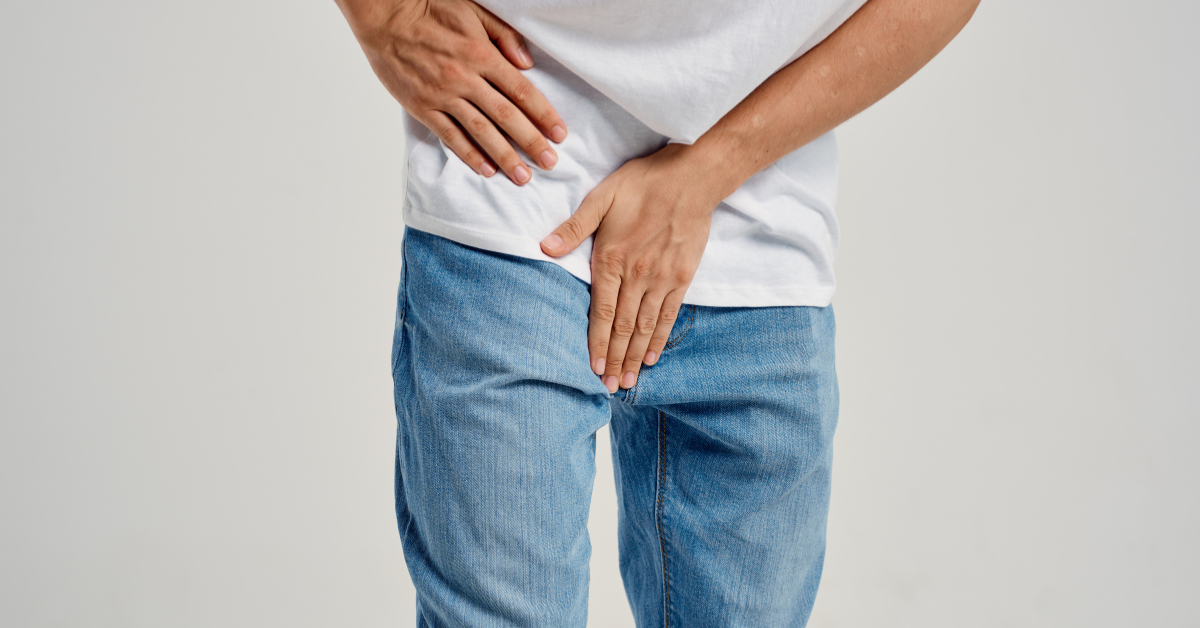
For men who experience symptoms associated with an enlarged prostate or other prostate conditions- there are two major impediments to seeking treatment.

The first one is embarrassment. Many men were raised to “be a man” and not ask for help- which is a terrible way to be and can cause a lot of unnecessary stress, and pain, and can even lead to a death that could have been prevented.

The other big issue that often leads to avoiding seeking treatment is fear. This is especially true when it comes to prostate issues, as men are wired to be instinctively protective when it comes to their reproductive parts. Fear about what the diagnosis may be, and the treatment that will be necessary, can often stand in the way of seeking the help that is needed.

Rather than risk finding out that the issue is something more serious like the big “C” diagnosis- cancer, or if it will require surgery, medications, etc.- some will try and ignore the problem altogether- practicing the old “ignorance is bliss” idea.

But ignorance is not bliss. In fact, by avoiding addressing prostate issues head-on with your doctor, BPH symptoms can become painful, disruptive, and interfere with everyday activities and enjoyment. They can affect relationships, stress levels, and mental health problems, and- without proper treatment, the symptoms only become worse.

So what’s the solution? First of all, it’s important to know that you are not alone.

As many as 14 million men in the United States have symptoms of BPH, and worldwide, it is estimated that 30 million men have symptoms. The prevalence of BPH is so frequent, that in some regards, it’s become normal and even at times inevitable. Given that the prostate grows as a man ages, many older men start to experience the symptoms of this around 60. In fact, by age 60, half of all men will have an enlarged prostate, and by age 85, it is estimated that 90%. of all men will have BPH.

Next, knowledge is key- and learning about treatment options can actually put your worried mind at ease.

Some common treatment methods are using medications such as alpha-blockers and 5-alpha-reductase inhibitors (5-ARIs). Your doctor may prescribe one or both types, depending on your symptoms and the size of your prostate gland.

Another great treatment option is Prostate Artery Embolization, which is a non-invasive procedure. PAE is performed through a small catheter inserted by your interventional radiologist into the artery in your wrist or groin. The interventional radiologist will then guide the catheter into the vessels that supply blood to your prostate, using tiny round microspheres (particles) that are injected through the catheter and into the blood vessels that feed your prostate to reduce its blood supply. Following this procedure, the prostate will begin to shrink, which will relieve and improve symptoms within days of the procedure.

So don’t let fear or embarrassment keep you from seeking the help you need. Talk to your doctor about any prostate symptoms that you are experiencing, and find out what treatment options are best for you. You may be pleasantly surprised to find a solution that is much simpler and more effective than you may have thought.