Categories
Fibroids

Female Sexual Dysfunction

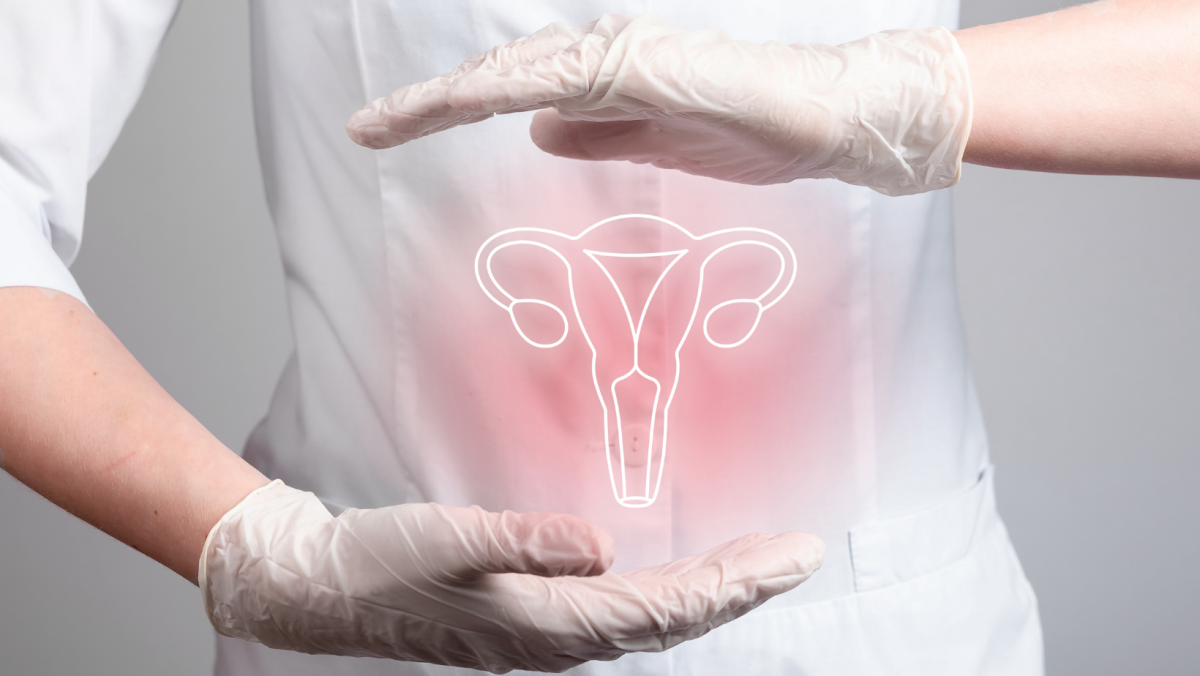
We’ve all seen the commercials for Viagra, Cialis, and several other drugs to treat male sexual dysfunction. But what about female sexual dysfunction? And can uterine fibroids contribute to this?

The answer: Yes.

Not only are fibroids uncomfortable, but they come with a slew of symptoms that can be detrimental to a woman’s sexual health.

After all, who wants to engage in any sort of sexual activity when they are experiencing pelvic pressure, pain, and heavy bleeding?

Those aren’t quite the symptoms of desire.

Nor are the following fibroid symptoms which can wreak havoc on a sex life such as:


Vaginal dryness:

The hormone imbalances underlying fibroid growth can cause vaginal dryness, and the friction of vaginal penetration can lead to the irritation and tearing of those delicate tissues which can make sex painful and even harmful.


Irregular periods:

One of the unfortunate realities of having uterine fibroids is that they can cause abnormally long and heavy periods as well as bleeding in between cycles. This excessive blood flow can make intercourse or any type of vaginal contact awkward and unpleasant.


Fatigue and loss of energy:

In some cases, the heavy bleeding caused by fibroids can be so severe that it leads to anemia, and even occasionally requires blood transfusions.

Anemia, and the nausea and headaches that come with it, can cause dizziness, weakness, and fatigue, all of which can greatly diminish libido.


Frequent urination:

Frequent urination is caused by fibroids pressing on the bladder, leading to an increase in urinary frequency, and urgency, and can even lead to incontinence.

Fibroids can also block the ureters (tubes that carry urine from the kidneys to the bladder), resulting in kidney problems and urinary tract infections amongst other health issues.

It’s hard to get intimate when you’re feeling the constant urge to urinate, or experiencing the pain of a UTI.

As if that isn’t enough, fibroids can also affect a woman’s sex life by causing or exacerbating body image issues.

In our next article, we will take a look at the effect that having uterine fibroids can have on a woman’s body image, and we will offer some valuable suggestions on how to cope with this and other sexual health problems related to having fibroids.

We will also look at some of the best treatment methods for treating fibroids without adversely affecting sexual health and wellness.

 

Categories
Enlarged Prostate

Weighing the Pros and Cons of Each Procedure

When it comes to seeking treatment for benign prostatic hyperplasia, it’s important to consider the pros and cons of each treatment approach, as well as the benefits and risks.

Being aware of the benefits, as well as the potential risks and complications of each treatment or procedure, can be of great help when working with your doctor to determine which is best for you. Taking into account not only the benefits and risks but also looking at how each procedure fits with your individual lifestyle and prostate condition.

Today we will start by looking at the treatment method that for most of the 20th century, roughly from 1909 until the late 1990s, has been the premier treatment for symptomatic benign prostatic hyperplasia. That treatment method is transurethral resection of the prostate (TURP).

TURP became famous among the treatment methods for BPH when it became the first successful, minimally invasive surgical procedure of the modern era. And, to this day, it remains a standard therapy for obstructive prostatic hypertrophy and is often the surgical treatment of choice when other methods fail.

However, as more medications and non-invasive non-surgical procedures have become available, such as prostate artery embolization, the need for a surgical intervention like TURP has been reduced substantially.

That being said, TURP continues to be performed due to its effectiveness in treating and relieving the symptoms of an enlarged prostate. But as with all surgeries, it does come with its own set of possible risks and unwanted side effects that should be taken into consideration.

So let’s take a look at what those are.

A successful TURP procedure involves removing prostate tissue through the urethra, thus allowing urine and other bodily fluids to pass through more easily.

TURP is a serious surgery that involved anesthesia and the use of a catheter during and post-operation, as well as a recovery that includes a hospital stay.

The most common side effects experienced by men after the TURP procedures are:

Swelling in the urethra, penis, and lower abdominal area.

This swelling can cause these areas to be tender, red, and swollen for several weeks after the surgery, and can cause problems with urination.

Another common side effect is feeling weak and tired easily. This side effect can last for several weeks as the body recovers from the operation.

Other common side effects of TURP surgeries include but are not limited to:

  • bleeding after the operation – this usually reduces over time and should stop after four weeks
  • difficulty completely emptying the bladder
  • urinary incontinence or leakage
  • urinary urgency or the sudden urge to urinate
  • discomfort during urination
  • small dribbles or clots of blood in the urine, for up to 6 weeks

Another potential side effect of the TURP procedure is something called retrograde ejaculation, which is the result of semen flowing backward into the bladder during ejaculation.

Though retrograde ejaculation isn’t necessarily harmful, it can cause potential complications such as male infertility and can make the male orgasm less pleasurable.

In our next article, we will take a look at some of the rare, but possible risks associated with the TURP procedure, and then we will move on to looking at the benefits and risks of other popular procedures to treat a symptomatic enlarged prostate.

In the meantime, if you are interested in learning more about a state-of-the-art non-invasive treatment that could be an option for you, please contact our office today to set up a consultation and learn more about Prostate Artery Embolization.


Categories
Knee Osteoarthritis

Not All Carbs are Bad Carbs

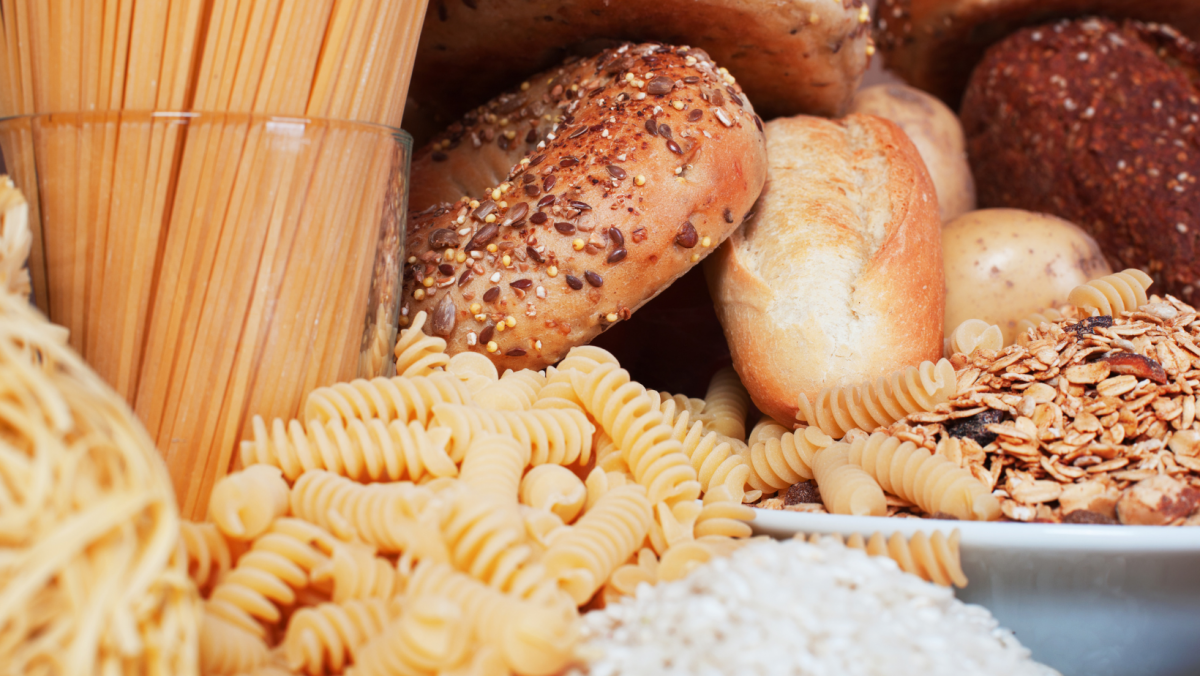
Studies have shown that refined carbohydrates such as white pasta, white bread, cookies, and cakes can all contribute to increased knee and joint pain.

Due to the grains being stripped of their fiber, these processed grains result in processed carbohydrates like white flour, which is quickly converted into sugar in the body. This results in a rapid increase in blood sugar which can then trigger an inflammatory response. Which of course, leads to a potential increase in knee and joint pain.

So does that mean those of us with knee osteoarthritis should cut carbohydrates out of our diet entirely?

Well, that depends on the type of carbohydrates you are consuming.

Carbohydrates are a necessary part of the human diet. They supply us with quick energy, and fuel, and help our brains to function at optimal levels. Therefore, if we completely cut out this important food group from our diet, we can have all sorts of side effects such as cognitive issues, weakness, and fatigue. And- it wouldn’t be doing our osteoarthritis any favors either.

What it comes down to is being aware of the type of carbohydrates that are a part of your diet.

If you find that refined carbohydrates are a large part of your daily dietary intake, then your best bet is to cut back, eliminate, or replace them with fiber-rich, nutritious alternatives.

Rather than trying to cut out carbohydrates entirely, which almost always fails, the most effective game plan is usually to replace refined carbs with non-refined carbs.

So what are these healthier, unrefined, fiber-rich, alternatives?

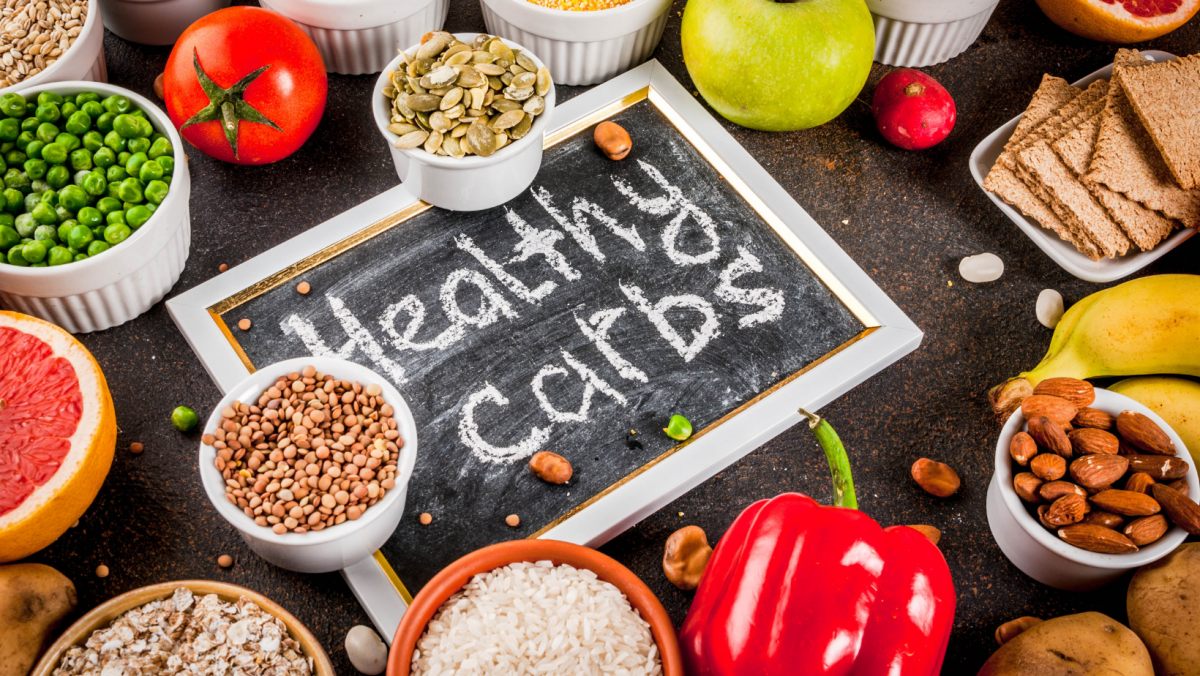
In general, unprocessed or minimally processed carbs are whole grains, vegetables, fruits, and beans.

Now let’s take a look at some of the common refined carbohydrate foods we eat, and the healthier carbohydrates that they can be replaced with.

White rice, white pasta, cereals, and white flour-based bread:

White rice can easily be replaced with delicious nutrient-rich alternatives such as brown rice or quinoa. White pasta can be replaced with whole wheat pasta, brown rice pasta, quinoa pasta, lentil pasta, and even pasta made out of zucchini noodles called “zoodles”.

As for cereal and bread, cereal can be replaced with oatmeal, and instead of white bread, try eating rye, whole wheat, or spelt.


White potatoes, french fries:

These can be replaced with sweet potatoes which are rich in antioxidants.

You can even make them into baked sweet potato fries. The key word here is “baked”. But don’t let that fool you, just because they aren’t deep-fried doesn’t mean they aren’t just as delicious.


Add more nutrient-rich carbohydrates to your diet such as beans and legumes:

Beans are an excellent source of complex carbohydrates. They are rich in potassium, protein, and fiber. Furthermore, there are so many different kinds of beans out there, that you are unlikely to get bored with them.

Not only that, but they are very affordable and easy to make.

Beans can be heated up on the stove or in the microwave, then simply add a splash of olive oil, a pinch of garlic, and maybe some peppers, onions, and herbs, and you’ll have yourself a quick, easy, and delicious dish.

Another key change to make when it comes to choosing healthier carbs is to replace processed carbs with fruits and vegetables.

This means, passing on the donut and opting for a bowl of fresh fruit. Or instead of taking that extra spoonful of mashed potatoes, get yourself a few forkfuls of asparagus, steamed or roasted broccoli, cauliflower, and more.

Many people are surprised to find out how delicious healthier and more nutritious carbohydrates can be.

So give it a try.

You might find that not only do you feel better, look better, and have less inflammation, but you’re also enjoying these healthier foods, and so is your family.

Categories
Fibroids

A Good Candidate for UFE

There is great news if you are a good candidate for Uterine Fibroid Embolization (UFE).

UFE has an excellent track record regarding its effectiveness in relieving fibroid symptoms. It also has a faster recovery time than more invasive procedures like a hysterectomy and a myomectomy.

In fact, based on the results of a meta-analysis of several studies, it is estimated that on average 92% of women treated with Uterine Fibroid Embolization, experience a decrease in fibroid symptoms.

Wow. That’s a lot of women.

So you might be asking yourself, ” Am I a good candidate for UFE?”

That’s a great question and one that can best be answered by scheduling a consultation to find out more about UFE and if it can benefit you.

However, in the meantime, we will try and answer it in a general way here.

Most women with symptomatic fibroids are good candidates for Uterine Fibroid Embolization (UFE) procedure. This includes women who experience any of the following fibroid symptoms:

  • Heavy Bleeding – This may be characterized by prolonged periods, very heavy bleeding, or irregular bleeding.
  • Pain – Pain can arise from the position of the fibroids within the uterus as well as compression on the other organs in the area. It can also be related to fibroid size.
  • Pressure Symptoms – If a fibroid pushes up against another organ, such as the bladder, it can cause problems, such as frequent urination. A large fibroid can also push against the rectum, creating problems with having a bowel movement.

So who isn’t a good candidate for UFE?

As with any medical procedure, there are contraindications or reasons that the UFE procedure may not be right for everyone.

Sometimes the reasons are absolute, meaning that under no circumstances should the procedure be performed. An example of an absolute contraindication to UFE is pregnancy.

It is not advisable to x-ray a pregnant uterus or to administer anything that will block the flow of blood to the uterus while a woman is pregnant. Therefore it’s important to share with your doctor if you are pregnant or are thinking of becoming pregnant anytime soon, as this could affect the time frame in which UFE can be performed.

Other reasons that someone might not be a candidate for UFE are:

  • Chronic Kidney Disease – The contrast dye can be harmful to someone with poorly functioning kidneys. The decision to give contrast dye to a person with chronic kidney disease is made on an individual basis.
  • Uncertain Pelvic Mass – If there is any question if the mass is something other than a fibroid, then UFE is not the appropriate procedure.
  • Any Active Infection – Any procedure not related to treating the infection should be avoided, as the infection could worsen or spread. It may be possible to reconsider UFE after the infection has resolved.
  • Asymptomatic Fibroids – UFE should not be performed unless the fibroids are causing symptoms that would indicate surgery.

When it comes to determining if someone is a good candidate for UFE it really comes down to working with a medical expert to access your particular fibroid symptoms and all other variables at play.

An excellent way to begin this process is to schedule a consultation by calling MidAtlantic Vascular and Interventional at 301-622-5360 today.


Categories
Enlarged Prostate

The Connection Between Prostate Health and Sexual Pleasure

It’s safe to say that every type of surgery comes with its own set of possible side effects and risks. However, when it comes to prostate surgery, any error or adverse reaction could have dire consequences when it comes to fertility and sexual health.

Though the primary function of the prostate is that it produces some of the seminal fluid that transports sperm, that is not all it does.

The prostate contains nerves, blood vessels, and muscles that not only help push semen through the urethra during ejaculation but are also a critical part of getting and maintaining an erection.

The nerves and blood vessels that run along each side of the prostate are called the neurovascular bundle. The neurovascular bundle also plays an important role in controlling urine flow, and as a result, it can help protect against urinary tract infections.

Of course, the prostate is of significant importance in order to have a healthy functioning reproductive system, bladder, urinary tract, and so forth. But it’s also a very important part of a healthy and enjoyable sex life.

Given the many nerve endings in the prostate, the prostate is a rather sensitive area- a sensitivity that greatly lends itself to increased sexual satisfaction.

Due to its sensitivity, this area of the male body can be a sexual pleasure center, commonly referred to as the “G-spot.”

The G-spot, the sensitivity of the prostate, and its role in sexual pleasure have, in recent years, led to the sale of sexual aids such as prostate massagers. Sales of which, have been on the rise.

According to data from the pleasure product company HealthyAndActive, prostate massager sales have increased by 56% over the past five years, particularly among straight men over the age of 45.

However, when it comes to treating benign prostate hyperplasia, also known as an enlarged prostate, some of the treatment methods available come with an increased risk of damaging this sensitive area of the male sex organs.

This potential nerve damage can greatly reduce the sensitivity of the prostate, as well as deter it from functioning properly.

Therefore, in order to protect the functionality of the prostate, it’s important to consider all of the treatment methods available for BPH, as some procedures come with higher risks of adverse effects than others.

In our next article, we will look at the possible adverse effects associated with one of the most common prostate surgeries transurethral resection of the prostate (TURP), and compare them to the risks of a non-invasive procedure like prostate artery embolization.

Categories
Knee Osteoarthritis

Refined Carbohydrates and Knee Pain

There is one thing that artificial sweeteners, processed meats, and processed carbohydrates all have in common, and it’s not good.

They’re delicious?

Maybe.

They can lead to weight gain?

Well, yes.

When consumed in excess they can lead to numerous health problems?

Yes.

But what about their effect specifically on those of us with knee osteoarthritis?

If you guessed “they increase inflammation,” then you are absolutely correct.

However, it isn’t just sugar, artificial sweeteners, and processed meats that can trigger an inflammatory response- which as a result can increase joint pain and stiffness. There is another common culprit that can be found just about anywhere and everywhere. And that culprit is refined carbohydrates.

It’s important to note that the keyword here is “refined” and not just carbohydrates in general. So before we jump into what exactly that means, let’s take a brief look at what a carbohydrate is.

Carbohydrates or “carbs” have been given a bad rap, and nearly every popular diet requires that they be eliminated entirely or at least severely reduced. However, carbs are not inherently bad.

In fact, carbohydrates are an important part of our diet as they help our bodies to function properly by serving as the primary fuel for our brains and our red blood cells. Therefore to try and cut them out entirely can lead to all sorts of problems including brain fog, bad breath, headache, weakness, and fatigue.

The healthiest carbs are those found in an unrefined and natural state. Sources of these good carbs include whole grains, beans, fruits, and vegetables, which are all excellent sources of fiber, vitamins, minerals, and phytonutrients. Oftentimes these types are carbohydrates are referred to as “whole” and “unprocessed.”

Refined carbohydrates are whole grains, where the fiber has been stripped away.

This means that when the grain is refined, the bran which is a good source of fiber and vitamins, and the germ which contains vitamins and minerals that provide a variety of health benefits, are stripped away. This process leaves only the starch in the middle of the grain, which is then used to create white flour.

Common refined carbohydrates are white rice, white pasta, white bread, breakfast cereals, cookies, and more.

The problem with refined carbohydrates, other than their lack of vitamins, minerals, nutrients, and fiber- is that when they are ingested, the body turns them into sugar quickly. Then, as a result of this spike in blood sugar, the body responds as it would to regular sugar, and triggers an inflammatory response. Which is of particular concern for those of us with knee osteoarthritis.

Therefore, it’s important that the consumption of refined carbohydrates is greatly limited as they can not only worsen knee pain by triggering inflammation but can also lead to weight gain and other health problems.

That being said, given their abundance in a western diet, it’s hard to avoid refined carbohydrates entirely. However, they can be greatly limited.

One way to limit refined carbs and curb cravings for them is to replace them with healthier more nutritious carbs.

In our next article, we will take a look at some of these whole or unprocessed alternatives to refined carbohydrates, which can not only decrease inflammation but can even prevent it from happening in the first place.

Categories
Fibroids

UFE Consultation

It’s a new year, and why not make it a year without the pain and discomfort that comes with having uterine fibroids by setting up a UFE consultation?

Sound good?

Great!

So let’s get started by scheduling your initial consultation here at MidAtlantic Vascular and Interventional to determine the treatment method that would be best for you.

During this consultation, our expert staff will go over your full medical history.

One way to speed up this process is to arrive early to fill out your medical history form completely. In doing so, please be sure to write down all medications you are taking.

Once you’ve completed the paperwork, you will meet with our nurse practitioner or physician assistant who will complete your medical history and conduct a basic physical examination as well as check your vitals.

Following this, you will meet with our expert interventional radiologist to discuss the procedure and determine if you could be a good candidate for uterine fibroid embolization.

During the consultation with the doctor, he will take the time to learn more about your specific situation and symptoms in order to deliver the best care possible.

If it is decided that you could be a good candidate for Uterine Fibroid Embolization, the next step will be to order a pelvic MRI.

The pelvic MRI imaging process will assess in more detail the appearance, location, size, and vascularity of your fibroids- all of which can help determine if uterine fibroid embolization is right for you.

Once the MRI is reviewed the doctor will be able to determine if you could benefit from UFE.

If UFE is right for you, the next step will be to schedule the procedure, putting your well on your way to living a life free of the painful and life-interrupting symptoms of uterine fibroids.

To schedule your initial consultation please call us at 301-622-5360.

While many women are definite candidates for UFE, others may fall somewhere in the middle, or in some cases might benefit from another type of fibroid treatment.

In our next article, we will take a look at what makes for a good candidate for UFE.

Categories
Enlarged Prostate

TURP: Side Effects and Recovery Period

Prostate surgery, specifically the transurethral resection of the prostate (TURP) is an effective and sometimes long-lasting procedure for men with benign prostatic hyperplasia. However, it does come with its own set of side effects, as well as a much longer recovery period than a non-invasive procedure such as prostate artery embolization.

Transurethral resection of the prostate (TURP) is a surgical procedure that involves cutting away a section of the prostate.

The procedure is performed by using a device called a resectoscope, which is a thin metal tube containing a light, a camera, and a loop of wire.

During the procedure, which requires the use of general or spinal anesthesia to prevent any pain, the resectoscope is entered into the penis and passes along the urethra until it reaches the prostate.

Once the instrument has reached the prostate, the loop of wire on it is then heated with an electric current and is used to cut away the section of the prostate that is causing BPH symptoms.

Following this, a thin tube called a catheter is then inserted into the urethra to pump fluid into the bladder and flush away pieces of the prostate that have been removed.

The TURP procedure usually necessitates a hospital stay for one to three days following the operation.

During this time the catheter used during the operation will be left in place throughout the duration of the hospital stay because post-op the urethra will be swollen which can hinder the ability to urinate normally.

Following the procedure, many men experience difficulties urinating, as well as blood in their urine. They also report feeling tired and under the weather for at least a week or two after the procedure. However, for some men, these issues can last upwards of 4 to 8 weeks.

During the 4 to 8 weeks, most patients are advised to stay off work and avoid lifting heavy objects, doing strenuous exercise, driving, and having sex during this time.

The most common side effect following the TURP procedure is inflammation in the urethra and surrounding area.

This swelling and inflammation can cause difficulty urinating, which sometimes requires the catheter to stay in longer.

This, however, can also be problematic since the catheter can not only be uncomfortable and cause bladder cramping- but it can also come with its own health risks such as an increased risk for urinary tract infections and other infections as well.

Some of the other common side effects of TURP surgeries include, but are not limited to:

  • difficulty completely emptying the bladder
  • urinary incontinence or leakage
  • urinary urgency or the sudden urge to urinate
  • discomfort during urination
  • small dribbles or clots of blood in the urine, for up to 6 weeks
  • erectile difficulty
  • decreases in semen produced during ejaculation

These common side effects usually go away with rest and time, as the urethra and prostate tissues become less inflamed, usually within a few weeks. However, in some cases, they might not.

In fact, as with all surgeries, TURP does come with its own set of serious risks and complications.

In our next article, we will take a look at some of the serious risks and complications associated with transurethral resection of the prostate, and look at some of the alternative procedures that are available such as Prostate Artery Embolization.

Categories
Knee Osteoarthritis

Ham, Bacon, and Inflammation

For those of us with knee osteoarthritis, the momentary enjoyment of consuming processed foods can be followed by increased inflammation and as a result, increased knee pain.

Cutting back on the many desserts available during holiday parties, and the many sugary beverages or artificially sweetened sodas that accompany them can certainly help keep inflammation at bay. However, it isn’t just sugar that’s the problem.

So what’s another type of food that contributes to increased inflammation?

PROCESSED MEATS

Yes, that’s right.

We are talking about that honey-baked ham, pan-fried bacon, and saturated fat’s good old friend, sausage.

All of which are holiday and winter favorites. And, all of these are processed meats that can contribute to inflammation.

Processed meats contribute to inflammation by producing nitrous compounds which are associated with an increased risk of inflammation-related pain, but also of chronic diseases such as cancer.

Though sometimes it can be challenging to avoid these foods entirely, especially in the case of a dinner party or get-together where you have little control over the food- it is always possible to reduce your intake of them.

One way to do so is to add more salad and vegetables to your plate.

In fact, studies have shown that eating a salad before a meal can result in fewer calories consumed during the meal while providing extra nutrients that can decrease the body’s response to any inflammatory foods that are consumed.

Unfortunately, it is not uncommon for a food spread at a dinner party or event to contain everything but vegetables. However, there is a solution:

Offer to bring the salad yourself.

It’s that simple.

By offering to bring a salad, you can not only contribute to the event, but you can also contribute to having a healthier diet for yourself and others.

In fact, anytime you bring a salad to a party or event, you may be surprised by how many people appreciate your healthy and delicious contribution.

In our next article, we will take a look at another group of foods that can contribute to inflammation and that can be found everywhere, especially during the colder months: Refined Carbohydrates.


Categories
Fibroids

Making it Through the Holidays with Fibroids

If you have decided to take action and do something about your uterine fibroids- Congratulations on making your health and your body a priority!

This is wonderful news. As you deserve to live a life free of the many uncomfortable, life-interrupting, and painful symptoms that can come with having uterine fibroids.

However, for those of us traveling during the holidays, or having family and friends in town, chances are that the fibroid procedure that you and your doctor have chosen for you isn’t scheduled until after the holidays.

So what can be done in the meantime? Do you just have to grin and bear it? Or load up on NSAIDs and other pain-relieving medicines?

Not necessarily.

In fact, there are actually several things you can do to help reduce your fibroid pain and the stress that it can bring this holiday season so that you can enjoy this special time of year as much as possible.

So let’s take a look at some of the things you can do to reduce fibroid symptoms and pain:


Add more iron-rich foods to your diet.

The holidays are full of yummy treats. Cookies, cakes, casseroles, ham, turkey, stuffing- you name it, and you’ll probably come across it.

However, given that fibroids can cause heavy bleeding that leads to anemia, it’s important to make sure that you are eating iron-rich foods to help reduce the feelings of weakness and lethargy that come from anemia.

This means adding in foods that are rich in iron, like green leafy vegetables, dried fruits, beans, or lean red meat.

Sometimes it’s helpful to add iron to your morning smoothies, or, if you are prescribed iron supplements by your physician, make sure they are part of your diet as well.


Get plenty of rest.

Though the holiday season can be a busy time of year, it doesn’t have to be busy the entire time. In fact, in order to keep fibroid symptoms at bay, it’s important that make sure to have periods of downtime where you can give your body a rest.

If your body isn’t given time to rest and recoup, the stress being put on it can impact your blood and hormone levels, which can increase fibroid pain and symptoms.

Therefore, it’s important to remind yourself that it’s ok to skip a holiday party or an event to take care of yourself and your body. And it’s ok to go to bed early, ask for some help cleaning up, and so on.

By taking better care of yourself, you can reduce fibroid symptoms and as a result, have a much more enjoyable holiday season.


Be prepared when traveling

Traveling with fibroids can be extra stressful, frustrating, and downright uncomfortable.

Therefore, in order to reduce this stress, it’s important to make sure that you pack the right supplies to reduce, treat, and control your fibroid-related symptoms.

Some of the items you may wish to have with you are:

  • Plenty of pads and tampons
  • Flushable wipes
  • Extra underwear
  • A change of clothing
  • Pain-relieving medications
  • Non-perishable snacks
  • A refillable water bottle (look for filling stations at the airport)
  • Relaxing music and other forms of entertainment
  • A heating pad (many planes now offer individual power outlets)
  • A small pillow and throw blanket

If you have an upcoming fibroid treatment procedure scheduled, it can also be helpful to remind yourself that you are taking action to relieve your fibroid symptoms soon and that this pain and discomfort will not last forever.

The Bottom Line: Is that by taking care of yourself and using some of the tips above, one day at a time, you can have a holiday season that’s a little easier, and more enjoyable even with uterine fibroids.