
Categories
Knee Osteoarthritis

Knee Pain, Even at Rest?

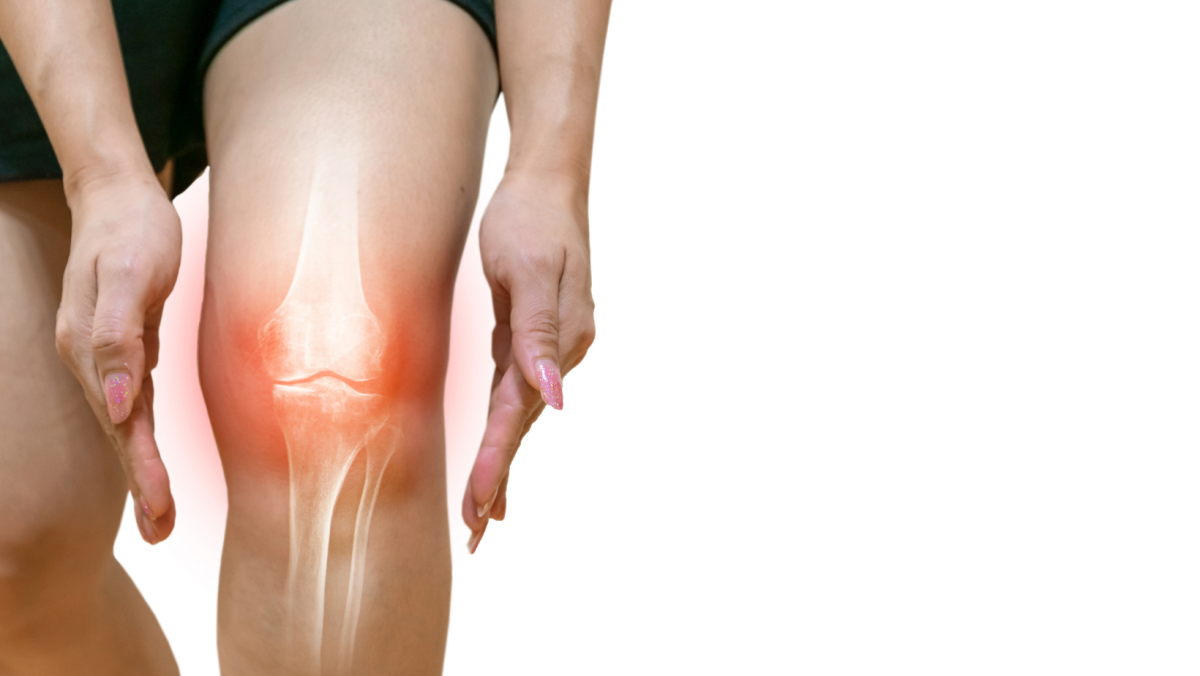
The pain of osteoarthritis in the knees can be felt when standing up, walking, or doing any other movement. Which makes sense.

However, did you know that many people with knee osteoarthritis experience pain even when they are at rest?

In order to decrease this pain, many turn to over-the-counter NSAIDs, prescription medications, knee injections, and physical therapy. Then if none of those work, the next step is usually knee replacement surgery, however, this is changing as more and more people are opting to treat their condition with Genicular Artery Embolization.

Genicular artery embolization is a procedure that can treat knee osteoarthritis by blocking the blood flow to the inflamed areas of the knee that are causing decreased mobility and pain.

The outpatient procedure is performed by way of a tiny catheter which is inserted into the blood vessels and then guided by a highly skilled interventional radiologist, to the artery that supplies blood to the areas of knee pain.

The interventional radiologist then releases microscopic spheres into the specific blood vessel (genicular artery) to block this flow.

As a result of this blockage, inflammation is greatly decreased and so is knee pain.

Unlike knee replacement surgery which requires recovery time in the hospital, patients who undergo GAE treatment can go home the same day.

In most cases, pain relief begins to occur within two weeks, as the inflammation in the knee joint is reduced, thereby relieving the knee pain associated with osteoarthritis.

In fact, according to a study published in The Journal of Vascular and Interventional Radiology, knee pain has been shown again and again to be significantly reduced as a result of genicular artery embolization- particularly for those dealing with moderate-to-severe knee pain.

This particular study found that its participants showed continued improvement in their knee osteoarthritis symptoms at one-month, three-months, and at their six-month checkups. Not only did their symptoms improve, but the MRI scans taken at this point of recovery, proved it.

The Journal of Vascular and Interventional Radiology also published the results of a study that followed ten patients through their GAE journey, pre and post-procedure.

At the one-year mark, the participants reported:

Median pain: 15.4% improvement
Knee/leg function: 21.3% improvement
Quality of life: 100% improvement

This study also conducted follow-up tests with the participants that included a six-minute walk and a 30-second chair sitting/standing test. As a result of the GAE procedure scores for these tests improved by 26% and 43% respectively.

Add to that, the fact that in both studies no adverse reactions were reported, and you have yourself an excellent option for treating knee osteoarthritis.

To learn more about GAE, and to see if this procedure could benefit you and relieve your osteoarthritis knee pain, please call and set up a consultation today.

Categories
Knee Osteoarthritis

Inflammation or Osteoarthritis?

When left untreated, knee osteoarthritis can develop into a debilitating condition with a marked impact on a person’s overall health and quality of life.

For many years the gold standard for treating knee osteoarthritis has been a total knee arthroplasty, also known as a knee replacement surgery.

Though this surgery has a well-established track record with a positive outcome, it is not without its complications.

First of all, a knee replacement, which is a major surgery that involves replacing either the damaged part of or the entire joint with a prosthesis— has a long long recovery period. And, it’s not necessarily a good fit for everyone.

According to an article published in the Journal of Arthroplasty called “Why are total knee arthroplasties failing today—has anything changed after 10 years,” a fair number of patients with knee osteoarthritis are not good candidates for knee replacement surgery.

The study found that certain comorbidities, such as diabetes, obesity, coronary artery disease, malnutrition, renal disease, cirrhosis, and immunosuppression, are associated with increased medical and surgical complications when a knee replacement surgery is performed.

Studies have also found that the patient’s age is another factor to consider, due to the possibility that a knee replacement surgery performed on a young person, could increase their risk of aseptic loosening, and lead to several revision surgeries in the future.

Studies have also found that elderly patients are not always the best candidates for knee surgery, given the occurrence of age-related co-morbidities, and their increased risk of fractures.

Though knee osteoarthritis used to be considered a normal “wear-and-tear” disease brought on by years of stress on the knee and meniscal degeneration that comes with age, recent data has suggested it’s not that simple.

In fact, according to recent data published in The Journal of Rheumatology, entitled “Osteoarthritis, angiogenesis, and inflammation,” it is now understood that inflammation plays a role in not only the pain from knee osteoarthritis but also the progression of the disease itself.

So if inflammation is not only causing pain but driving the progression of knee osteoarthritis, can anything be done to stop it?

Fortunately, yes.

There is a treatment that can help alleviate these symptoms and potentially prevent further structural progression. That treatment is called Genicular Artery Embolization.

Genicular Artery Embolization is a minimally invasive outpatient procedure, in which the arteries that supply blood to the synovial lining of the knee are selectively catheterized.

Once the arteries are reached, tiny particles are injected through the catheter into these arteries where they reduce the blood supply, and in turn, reduce inflammation. The procedure typically takes one to two hours, and the patient can return home the same day.

Many people are experiencing the benefits of Genicular Artery Embolization, which can result in both immediate and long-term pain relief for patients with osteoarthritis.

GAE is an excellent choice for people who are not good candidates for knee replacement surgery due to certain comorbidities. It’s also a great choice for people who would like to postpone surgery, or who are too young for a knee replacement operation.

To learn more about Genicular Artery Embolization, and to find out if the procedure can benefit you, please call us today to set up your initial consultation.

Categories
Enlarged Prostate

Inventions to Treat BPH

It is estimated that at some point in their lives, 8 out of 10 men will experience the uncomfortable symptoms caused by an enlarged prostate. However, this occurrence isn’t anything new.

Doctors have been working to find cures and develop treatments for this very common condition for centuries.

In fact, in our last few articles, we took a deeper look at the origin of the diagnosis of an enlarged prostate, and when it was first documented. And, we looked at some of the many attempts to treat or even cure the condition- Some of which actually made things worse.

Fortunately, as time went on, and medical advancements continued to be made, medical experts and physicians were able to find newer and better ways to treat men with this prostate condition.

A real turning point in the development of treatment procedures for an enlarged prostate, occurred in 1904 when Dr. Hampton Young perfected the surgical procedure known as a “radical perineal prostatectomy”.

By perfecting the perineal approach and developing specialized instruments for the procedure, Dr. Young was able to lower the mortality rate for those undergoing prostate surgery.

While open surgeries for treating an enlarged prostate continued to develop, another method was emerging called the transurethral method.

The transurethral method is a treatment based on the idea of increasing the lumen of the prostatic urethra by destroying or damaging the prostatic tissue so that it would contract.

Several instruments for transurethral removal of bladder neck obstruction by ‘valves’, were created, however, the procedure was done blindly, and though effective at times, it also came with the high risk of hemorrhage, and many patients were left with urinary incontinence.

Fortunately, physicians continued to develop better and better techniques for transurethral procedures, including using a wire loop cautery. As well as treatments that included a thermogalvanic destruction, which is when cautery is introduced through the urethra, requiring a cautery plate and a cautery knife.

However, one of the biggest issues with these methods was that,  just like with the previous procedures, all of them were done blindly. That is until various new instruments were invented and came into use, such as the irrigating cystoscope, which allowed for visual control during these procedures.

The irrigating cystoscope was a real game changer, even more so, as Dr. Young worked to modify it, making it better and bed.

Young is credited with adding illumination to the external end of the tube, by way of a small electric bulb. And then, just a few years later, Young replaced the cutting tube with an electrically heated cautery tube and made the outer tube double-walled so that water could circulate to cool it. Young’s basic design was the forerunner of a great variety of subsequent operations.

In our last article of this series on the history of diagnosing and treating an enlarged prostate, we will take a look at some of the procedures that emerged after Dr. Young’s irrigating cystoscope, and begin to explore the modifications and improvements that have been made to these techniques.


Categories
Fibroids

Excessive Cramping and Pelvic Discomfort

One of the most common symptoms associated with uterine fibroids is excessive cramping and pelvic discomfort.

Unlike menstrual cramps, which are caused by the contracting uterus as it pushes out the endometrium during a monthly period, fibroid cramps can exist outside of the average 5-7 days that menstruation lasts.

In fact, for women with uterine fibroids, not only do these cramps occur outside of the menstruation period, but they can be rather severe. And, unfortunately, if the fibroids are left untreated, these symptoms are likely to get worse and include several others as well.

Fibroids can range in size and location. They also vary in terms of how many each woman has. Some women may have a single fibroid while others could have multiple fibroids.

When it comes to the symptoms directly related to uterine fibroids- the location, size, and number of fibroids can play a role in the specific symptoms experienced and their severity.

For example, women with large fibroids have reported that they feel a heaviness or pressure in their lower abdomen or pelvis. Not only is this uncomfortable, but it can also make it hard to lie down, bend over, or exercise.

Though all fibroids can contribute to pelvic pain and cramping, more often than not, these symptoms are experienced as a result of having intramural fibroids.

Intramural fibroids grow inside the muscular wall of the uterus. As intramural fibroids grow larger, they increase the likelihood of more severe symptoms that can have a direct impact on one’s quality of life.

The other types of fibroids can also cause cramping and pelvic discomfort. These types are called: submucosal, subserosal, and pedunculated fibroids.

Submucosal fibroids grow into the uterine cavity, while subserosal fibroids grow toward the outside of the uterus. Pedunculated fibroids are those that are not directly attached to the uterus and grow from a stem-like stalk.

Cramping and discomfort caused by submucosal fibroids are usually caused by the uterus trying to rid itself of them.

Unlike the contractions that happen every month in order to shed the endometrium, painful contractions caused by submucosal fibroids can happen at any time during a menstrual cycle.

No matter what type of fibroid is causing your uncomfortable symptoms- there is treatment available.

If you think you are experiencing moderate to severe cramping outside of your monthly period, or even if it’s severe during your period- it’s important to seek out treatment right away.

Though most causes of pelvic pain and cramping are treatable, if you do not address the issue it is likely that your symptoms and the underlying condition will get worse.

If the cause of the cramping is indeed fibroids, there are many treatment options available such as medication, surgery, or uterine fibroid embolization.

UFE is a non-invasive outpatient procedure that can relieve the painful cramping and other frustrating symptoms caused by uterine fibroids.

To learn more about UFE and to find out if it could benefit you, please call our office today.

Categories
Knee Osteoarthritis

The High Cost of Knee Replacement Surgery

Of all of the different types of arthritis, osteoarthritis is the most common, affecting over 30 million adults in the United States alone.

And knee osteoarthritis, which used to be considered just a normal wear and tear associated with aging, affects more than just the elderly.

In fact, according to a study called The Framingham Osteoarthritis Study, published in Arthritis Rheumatology, symptomatic knee osteoarthritis affects at least 4.3% of men and 8.1% of women of all ages.

So it’s not just the wear and tear of age and time.

That being said, symptomatic knee osteoarthritis does predominantly affect individuals over the age of 65, with roughly half of the people experiencing a life-limiting physical disability as a result.

According to estimates from the Framingham Osteoarthritis Study, the number of individuals over the age of 65 is projected to rise to 78 million by 2035 from 49.2 million in 2016. This means the prevalence of knee osteoarthritis will potentially skyrocket as well.

In fact, according to an article published by the United States Bone and Joint Initiative, entitled The Burden of Musculoskeletal Diseases in the United States the number of Americans receiving a total knee arthroplasty (also known as knee replacement surgery) was over 4.7 million individuals in 2010 with the overall trend being of increasing prevalence over time.

The rising number of individuals both young and old suffering from knee osteoarthritis pain is not only a hindrance to the quality of life for millions of people, but it is also expensive.

According to the aforementioned article by the United State Bone and Joint Initiative, the annual total hospitalization charges for knee replacement surgery nearly quadrupled from $8.1 billion in 1998 to $38.5 billion in 2011!

Furthermore, from that, they also estimated that the average lifetime direct medical cost for treatment for individuals diagnosed with knee osteoarthritis is estimated to be $12,400 or 10% of all estimated direct medical expenses for those individuals.

Most of these costs are attributed to knee replacement surgeries which on average cost around $20,293, and for patients that require revision surgery, the additional costs on top of the initial surgery cost, average $29,388.

Fortunately, medical advancements have been made in the treatment of knee osteoarthritis, which can effectively lower these costs. One of the key advancements is a treatment procedure for knee osteoarthritis called Genicular Artery Embolization.

In our next article, we will take a look at this effective and more affordable outpatient procedure.

Categories
Enlarged Prostate

Advances in Prostate Care

In the early 20th century, located right here in our neck of the woods, a young doctor was developing a prostate procedure that would revolutionize the way prostate conditions are treated and open the door to the many other treatments that would follow.

This man was urologist Dr. Hugh Hampton Young, who due to his position as the chief of surgery in the Genitourinary Surgery Division at Johns Hopkins Hospital became known as the “Father of American Urology.”

Among his many contributions to male prostate health, Dr. Young is best known for his development and perfection of radical perineal prostatectomy, while working at The Johns Hopkins Hospital in 1904.

This procedure, which to this day, remains the oldest continuously employed treatment for prostate cancer, was developed at a critical time when previous open prostatectomy surgeries had a 20-percent mortality rate.

Fortunately, by perfecting the perineal approach and developing specialized instruments for the procedure, Dr. Young was able to reduce the mortality rate to 2 percent.

During his many years working at Johns Hopkins, Dr. Hampton Young developed a number of innovative instruments and techniques.

The first known instrument he created was known as the “punch,” which was used for the resection of an obstructing bladder neck, and prostatic tissue.

This then led to the development of numerous other punches, particularly at the Mayo Clinic where several of his students perfected the instrument.

In 1912, Dr. Young, using this instrument, successfully relieved railroad entrepreneur James Buchanan Brady’s prostate condition brought on by an obstructing bladder neck, and prostate tissue.

Upon doing so, Brady went on to fund the construction and creation of the Brady Urological Institute.

While there, Dr. Young went on to do much more, including establishing a new design for a urological operating table and developing a detailed approach to performing radical perineal prostatectomy which became the standard for prostate cancer surgery.

Dr. Young went on to found The Journal of Urology which he edited until his death in 1945. However, one of his biggest contributions was the creation of a detailed plan for the training of young urologists, which went on to become the model for all other training programs in the United States.

In our next article, we will continue our series on the history of treating benign prostate hyperplasia, by looking at some of the early surgeries, some of which are still performed today.

Categories
Fibroids

Menstrual Cramps or Fibroids?

If you are a menstruating female, it is likely that at some point you have experienced the pain and discomfort of menstrual cramps.

These cramps usually range from mild to moderate, and can most often be treated with over-the-counter medications, and soothed with a hot water bottle or heating pad.

However, some women experience excessive cramping both before, during, and after their period.

Having period cramps between periods could be a sign of something more. And that something more, could be uterine fibroids.

So how can you tell if the cramps are from fibroids or just normal menstrual cramps?

Though it can be difficult to distinguish the difference between fibroid pain, and menstrual cramps, there are things you can do to help determine which is the cause of the cramping.

One valuable action is to start keeping track of when you get these cramps, which can help provide valuable information as to what is happening.

Keeping a log of your symptoms, the pain level, and the amount of bleeding experienced during each day of your period can be helpful in finding the solution to your individual situation.

So what exactly are menstrual cramps anyway?

Cramps during a monthly period are caused by the uterus contracting in order to push out the lining of the uterus, also known as the endometrium.

The endometrium builds up every month to prepare to support the fertilized egg and embryo that may attach to it during pregnancy.

No fertilized egg? No problem.

Fueled by hormones, the uterus begins to contract and shed the uterine lining. Then, the next month, if there is no pregnancy, the process will begin again.

Cramping during this time of the month is often a normal part of menstruating, however, when this cramping is excessive and accompanied by other symptoms such as pain in the pelvis, abdomen, back, and legs, this could point to something more.

Potential causes of excessive cramping are:

Endometriosis
Tissue that acts similar to the lining of the uterus grows outside of the uterus, most commonly on fallopian tubes, ovaries, or the tissue lining your pelvis.

Adenomyosis
The tissue that lines your uterus begins to grow into the muscular walls of the uterus.

Pelvic inflammatory disease
This infection of the female reproductive organs is usually caused by sexually transmitted bacteria.

Cervical stenosis
In some women, the opening of the cervix is small enough to impede menstrual flow, causing a painful increase of pressure within the uterus.

Uterine fibroids These noncancerous growths in the wall of the uterus can cause pain.

One of the most common causes of excessive cramping is uterine fibroids

When cramping and pelvic pain is caused by uterine fibroids, these uncomfortable symptoms could also be accompanied by additional symptoms such as heavy bleeding, frequent urination, and more.

If you are experiencing severe menstrual cramps, excessive bleeding, bleeding and cramps between periods, and other uncomfortable symptoms, it’s important to contact your doctor and schedule a visit.

If the cause is uterine fibroids, fortunately, this condition is treatable.

In fact, there are many different treatment options to treat uterine fibroids, ranging from medication to surgery, to a non-invasive procedure called Uterine Fibroid Embolization.

In our next article, we will take a look at how the specific type of fibroid can cause symptoms such as cramping and pelvic pain.

Categories
Enlarged Prostate

Early Treatment Methods

By the late 1800s, physicians had found a link between prostate size and a man’s age, as well as between prostate growth and testosterone.

This discovery set the foundation for developing various treatment methods in order to relieve the uncomfortable symptoms caused by an enlarged prostate.

Though it wasn’t until centuries later that the more effective treatments that we use today, such as transurethral resection of the prostate, medications, and prostate artery embolization, became available- These procedures owe a debt of gratitude to the many physicians that came before, who opened the path to finding the best treatment for what would later be known as benign prostate hyperplasia.

Unfortunately part of this journey involved making mistakes along the way.

One notable example is a procedure performed by some physicians in the 1800s who thought that the condition of an enlarged prostate could be cured by removing the testicles. Yikes.

Fortunately, this method fell out of practice shortly thereafter. And, fortunately, many other physicians did not use this technique, and instead, continued to study the enlarged prostate and the impact that it can have on a man’s health. All in an attempt to find the most effective and efficient way to treat the condition.

One of the turning points in the development of prostate procedures to treat an enlarged prostate, took place in 1891.

A physician in Arizona had found a way to treat the prostate condition by removing prostate tissue through an incision made in the perineum—the area between the scrotum and rectum. This would later be called a perineal prostatectomy.

Following this breakthrough procedure, all sorts of other prostate surgeries began to pop up.

Eugene Fuller, a New York City Physician, developed the  “suprapubic procedure.”

The suprapubic procedure is the surgical removal of the prostate through an incision made in the lower abdomen and bladder.

The suprapubic procedure showed promising results and opened the door for another physician, Hampton Young to get even better results by using the same perineal incision to remove the prostatic mass.

Dr. Young, a urologist at Johns Hopkins Hospital also discovered that if he pushed the gland upward from the rectum, it could ease and complete the excision, making the removal more complete.

Hampton Young went on to become known as the “Father of American Urology,” and continued to refine and perfect his technique for treating an enlarged prostate.

In our next article, we will continue looking at the history of treating benign prostate hyperplasia, by diving deeper into the impact that Dr. Hampton Young had on the treatment of it, as well as take a look at the advancements made by the many physicians that followed.

Categories
Knee Osteoarthritis

Hyaluronic Knee Injections: Worth the Risk?

Osteoarthritis is the most common form of arthritis, affecting 32.5 million US adults.

32.5 million US adults!?!

Yes, you read that right.

Not only that but it is estimated that 1 out of 4 adults experience chronic knee pain.

With so many people experiencing knee pain and osteoarthritis, it’s no wonder that millions of people have turned to knee injections to help offer quick relief.

However, the potential relief that knee injections can provide does come at a cost, both financially and physically. As a result, some doctors advise against using these injections as a solution for osteoarthritic knee pain.

Over the past few weeks, we have taken a look at two different kinds of knee injections: Corticosteroid injections, and Hyaluronic Acid Injections, also known as viscosupplementation injections.

In our last article, we looked at the risks associated with corticosteroid injections, which range from osteoporosis of nearby bone tissue to joint infection, nerve damage, and several other potential reactions.

This week we are going to look at the side effects and risks associated with the use of Hyaluronic Acid Injections for osteoarthritis knee pain.

Hyaluronic acid is a gel-like substance that occurs naturally in the body as part of the synovial lining that coats the joints. Hyaluronic acid is also present in other areas of the body such as the skin and eyes, where it helps retain moisture and keep these areas lubricated.

When it comes to relieving osteoarthritis knee pain, hyaluronic acid is sometimes injected into the knee to help provide cushioning and lubrication. This temporary solution can ostensibly help decrease knee pain and inflammation, as well as improve knee function.

Unfortunately, just like with corticosteroid knee injections, the relief experienced as a result of hyaluronic acid injections is only temporary. Furthermore, the results following hyaluronic injections can actually vary greatly.

Some studies have found that the duration of relief following this type of knee injection can last for a period anywhere from up 2 months, or in some cases up to 6 months. And, on average, the most pain relief is experienced between weeks 5 and 13.

For every study that finds hyaluronic knee injections to be effective in managing osteoarthritic knee pain, there are countless others that find the impact to be inconclusive or even negligible.

Some studies have even found that treating knee osteoarthritis with injections of hyaluronic acid doesn’t do anything to help relieve knee pain, and these injections may even raise the risk of adverse effects.

One of these studies was published by the British Medical Journal in July of this year.

The study was led by an international team of researchers that set out to review existing studies on the effect of hyaluronic acid injections on relieving knee pain and improving knee function in patients diagnosed with knee osteoarthritis.

After combing through years and years of data, the researchers were able to identify 169 studies involving 21,163 patients with knee osteoarthritis that compared hyaluronic acid injections ( also known as viscosupplementation) with either placebo treatment or no treatment.

The main analysis of this review found that viscosupplementation was associated with a small reduction in pain when compared with a placebo. However, the difference was so slight, that it was described as being “clinically irrelevant.”

The researchers also found ample evidence that showed that since 2009, hyaluronic acid injection and placebo treatment have led to the exact same clinical outcome in terms of pain reduction, which renders these injections useless.

Another key finding in this particular research study was the risk of serious adverse effects. The researchers found that the risk of adverse effects from hyaluronic acid injections was 45% higher than from placebo.

The most common side effects from hyaluronic acid injections include pain at the injection site, fluid build-up in the knee, and allergic reactions.

Many people also encounter a flare-up of their arthritis after the injection, which can cause additional pain and swelling in the short term.

Other risks of hyaluronic acid injections include bleeding and the risk of a serious infection.


The Bottom Line:
Similar to corticosteroid knee injections for osteoarthritis, hyaluronic acid injections are only a temporary solution at best, to relieve knee pain caused by osteoarthritis.

However, it is important to keep in mind that they do not work for everyone and that these injections do come with the risk of adverse effects and as a result, more health problems.

Therefore, in order to truly treat knee osteoarthritis, other methods need to be considered such as physical therapy, improvements in diet and exercise, and in some cases it may be beneficial to have knee surgery or a less invasive procedure such as genicular artery embolization.

If you are interested in finding out if you can benefit from genicular artery embolization and experience the long-term benefits of this non-invasive procedure to treat your knee osteoarthritis, please call us and set up your consultation today.

Categories
Fibroids

The Symptoms of Uterine Fibroids: Finding Relief

Uterine fibroids are a common type of benign tumor characterized by the overgrowth of connective or smooth muscle tissue in the uterus.

These tumors, which affect women mainly during their reproductive years,  are diagnosed in up to 70% of white women and more than 80% of women of African ancestry during their lifetime.

Though most women with fibroids have fibroids that are asymptomatic, it is estimated that approximately 30% of women with fibroids will experience severe symptoms which may require medication, surgery, or interventional radiology procedures, such as Uterine Fibroid Embolization.

In our last article, we took a look at clinical data on the effect that Uterine Fibroid Embolization can have on relieving the common fibroid symptom of heavy bleeding, also known as menorrhagia.

We learned that according to medical records analyzed by the National Library of Medicine (NLM), an estimated 26 million women between 15 and 50 have uterine fibroids. And of those, nearly 15 million women experience associated symptoms or linked health-related problems, such as heavy menstrual bleeding.

Based on the results of several studies and meta-analyses of studies, there is plenty of evidence to support that as many as 92% of women treated with Uterine Fibroid Embolization, experience a decrease in the symptom of heavy bleeding.

In fact, one rather large study found that 86% of patients experienced relief from fibroid-related heavy bleeding merely 3 months after the UFE procedure. While 92% experienced relief from heavy bleeding at 12 months.

This same study, which was published in The Journal of the American Association of Gynecologic Laparoscopists, also found that the bulk of fibroid symptoms was controlled in 64% of patients at 3 months and 92% at 12 months.

So what are the bulk of fibroid symptoms? And, what does the research say regarding the effect that Uterine Fibroid Embolization has on treating these?

Though not all women with fibroids experience symptoms, for those that do,  the most common signs and symptoms of uterine fibroids include:

Menstrual pelvic pain/cramping
– Heavy menstrual bleeding
– Lower back pain
– Fatigue/weariness/anemia
– Constipation/bloating/diarrhea
– Irregular periods
– Passage of clots
– Spotting/bleeding between periods
– Difficulty having a bowel movement
– General abdominal pain
– Non-menstrual pelvic pain/cramping
– Pain during sex
– Pelvic pressure
– Infertility

While of course fibroid symptoms vary from woman to woman, there is evidence to show that some symptoms are more common than others.

One study that looked at the prevalence of fibroid symptoms was published in 2017,  in The International Journal of Women’s Health.

This prestigious medical journal published the results of a cross-sectional survey of 59,411 women aged 18–54 years in the US from August 6, 2012, through September 14, 2012, that have a diagnosis of uterine fibroids.

What they found regarding the distribution of uterine fibroid-related symptoms experienced in these women with uterine fibroids was as follows:

Menstrual pelvic pain/cramping:
2,277, which is 74.9%

Heavy menstrual bleeding:
2,147 which is 73.4%

Lower back pain:
2,090 which is 68.4%

Fatigue/weariness/anemia:
2,069 which is 68.3%

Constipation/bloating/diarrhea:
1,859 which is 63.3%

Irregular periods:
1,698 which is 57.8%

Passage of clots:
1,690 which is 56.9%

Spotting/bleeding between periods:
1,342 which is 45.0

Difficulty having a bowel movement:
1,140 which is 38.9%

General abdominal pain:
1,019 which is 35.0%

Non-menstrual pelvic pain/cramping:
984 which is 33.2%

Pain during sex:
851 which is 29.3%

Pelvic pressure:
654 which is 22.4%

Infertility:
384 which is 12.0%

We already know based on the research results published in our previous article, that UFE is very effective in treating the symptoms of heavy menstrual bleeding. But how well does it help in the relief of these other symptoms?

Over the next few weeks, we will take a look at the effect that Uterine Fibroid Embolization can have on reliving some of these troublesome symptoms of uterine fibroids.

In the meantime, if you would like to learn more about Uterine Fibroid Embolization, or to find out if this procedure could benefit you, please give us a call and set up your consultation today.